What Is Stain-Resistant Clothing and Why It Matters
- Leroy Hughes

- Jan 23
- 15 min read

Coffee spills on your favorite blazer are never on your calendar, yet they happen in every city, from New York to Sydney. For professionals balancing packed schedules and a sharp appearance, these accidents make owning truly stain-resistant clothing more than a matter of convenience. Discover how modern fabrics use advanced chemistry to repel stains while preserving comfort and sustainability, offering practical solutions that keep your style intact through the reality of daily urban life.
Table of Contents
Key Takeaways
Point | Details |
Stain-resistant technology enhances daily wear | These fabrics create a protective barrier that repels liquids and dirt, reducing stain risk and maintaining a polished appearance. |
Not all stain-resistant fabrics are the same | Different treatment methods impact effectiveness and durability, so consider quality and type when shopping. |
Investing in quality pays off | Higher-end stain-resistant clothing lasts longer and requires less maintenance, making them cost-effective over time. |
Sustainability matters | Look for brands using eco-friendly treatments and practices, which can reduce environmental and health impacts. |
Defining Stain-Resistant Clothing and Common Myths
Stain-resistant clothing represents a significant evolution in fabric technology, not a marketing gimmick. These materials undergo advanced production processes or chemical treatments that fundamentally change how fabrics interact with liquids and dirt. Rather than absorbing spills like traditional cotton or linen, stain-resistant fabrics force liquids to form droplets that sit on the surface, making them remarkably easy to wipe away before they set. This distinction matters more than you might think, especially when you’re managing a professional wardrobe that needs to look polished through back-to-back meetings, unexpected coffee encounters, or working lunches.
The science behind stain resistance comes down to surface chemistry. Hydrophobic materials have lower surface energy, which causes liquids to bead up rather than penetrate the fabric. Manufacturers achieve this through chemical treatments like fluorochemicals and silicones that create protective coatings on the fiber surface. This is why not all stain-resistant fabrics perform identically, and why the technology matters regardless of whether you’re wearing a premium shirt or casual weekend wear. The protection works against wine, coffee, oil-based stains, and everyday dirt that would otherwise require intensive cleaning or professional treatment. These fabrics maintain their everyday wearability while solving the real problem that drives people to abandon clothes they actually like, which is the anxiety of permanent damage from accidental spills.
Now for the myths. Many people assume stain-resistant means waterproof or that it requires special fabrics you’d never want to wear. Neither is true. You can find stain-resistant options in soft merino blends, breathable synthetics, and natural fibers that feel comfortable against your skin. Another common misconception is that stain resistance is permanent and never diminishes. The reality is more nuanced, though quality treatments remain effective through many wash cycles. The third major myth suggests that stain-resistant clothing prevents all stains universally. What actually happens is that most common liquids are repelled, giving you time to respond before permanent damage occurs, but extremely aggressive stains or prolonged contact might still leave marks if left untreated.
The distinction between treatment types also gets overlooked. Fabrics treated with advanced impregnation processes become resistant to absorption of liquids and dirt, making them popular in hospitality, catering, and professional workwear where durability and easy maintenance are non-negotiable. This is why you see stain-resistant technology in everything from executive blazers to outdoor collaborations designed for active professionals. The clothing itself may look and feel completely normal, which actually matters to the style-conscious professionals who want performance without sacrificing appearance. You’re not buying a futuristic fabric that looks like it escaped a laboratory, you’re buying smarter clothing that handles real-world challenges.
Pro tip: When shopping for stain-resistant clothing, check product descriptions for specific treatment types and durability information. Quality stain-resistant garments from brands emphasizing fabric technology typically outperform cheaper alternatives, and the investment pays off through extended garment life and reduced cleaning costs.
Types of Stain-Resistant Technologies Explained
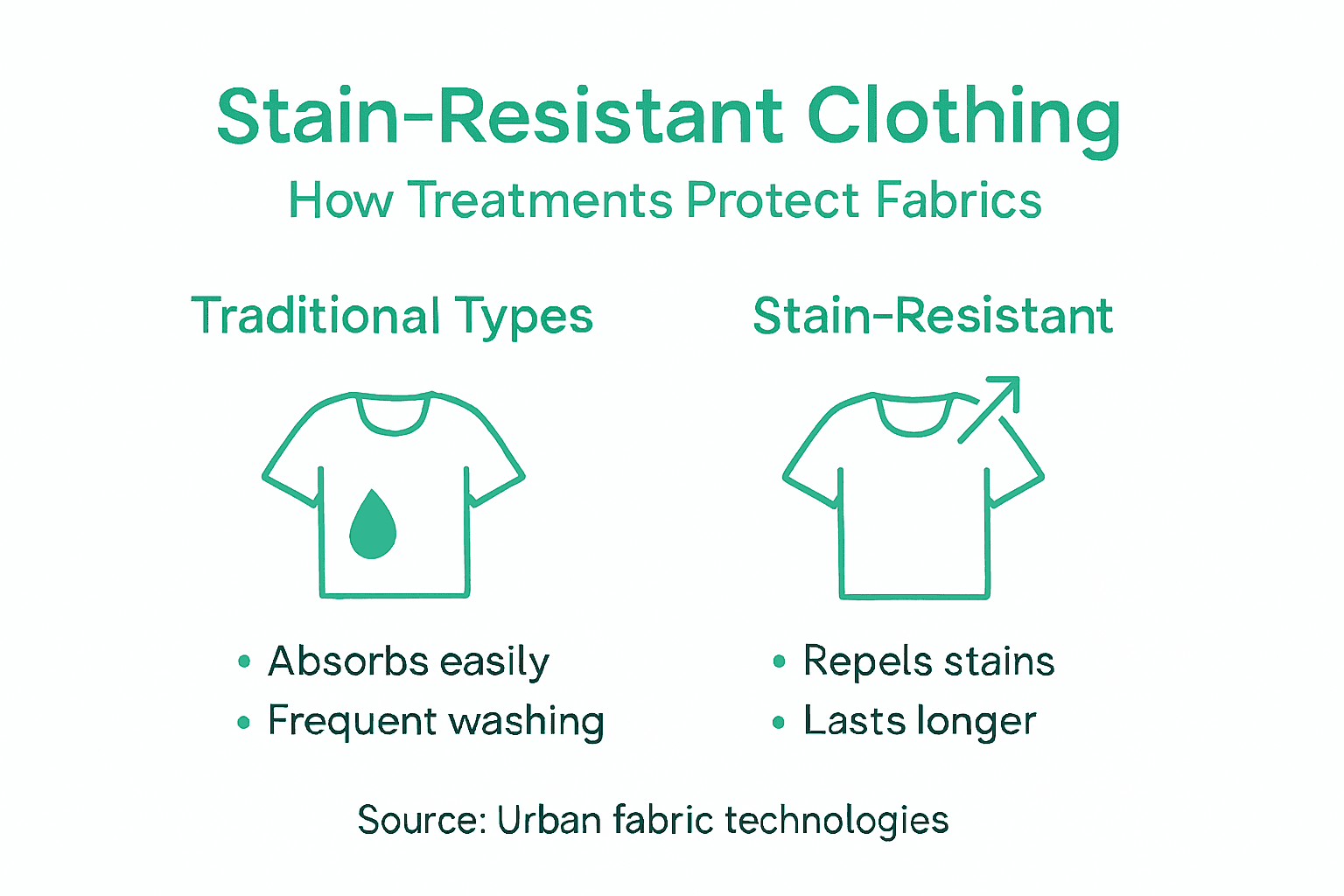
Stain-resistant technology isn’t one-size-fits-all. Different approaches tackle the problem from different angles, and understanding what’s actually happening on your fabric helps you make smarter purchasing decisions. The main categories split between traditional chemical treatments and newer innovations designed to address environmental and health concerns. Each method brings distinct advantages depending on your lifestyle, how often you wear the garment, and what you’re genuinely worried about encountering in your daily routine.
Fluorochemical treatments have dominated the stain-resistant market for decades because they work remarkably well. These compounds lower surface tension on fabric fibers, creating that water-repellent barrier that makes spills bead up instead of soaking in. The chemistry is straightforward: fluorinated molecules don’t bond well with water or oil, so liquids slide right off. However, fluorinated materials raise health and environmental concerns that manufacturers now actively address. This is why you’re seeing brands pivot toward alternative approaches without sacrificing performance. Silicone-based treatments represent one response to this shift, offering water repellency through a different chemical mechanism that still performs well through multiple wash cycles.
Non-fluorinated alternatives are rapidly advancing as the industry recognizes the need for safer options. These newer technologies include natural repellents and synthetic compounds that achieve similar results without the persistent environmental footprint of traditional fluorochemicals. Some innovations use nanotechnology to create microscopic surface structures that repel liquids through physical properties rather than chemical ones. Think of it like creating millions of tiny bumps on the fiber surface that liquids can’t penetrate. The advantage here is longevity and sustainability, though some approaches require more careful application during manufacturing. Other emerging options leverage bioactive materials that simultaneously provide stain resistance while offering antimicrobial properties, addressing multiple performance needs in a single treatment.
The application methods themselves matter just as much as the chemistry. Multifunctional textile coatings employ techniques like dip-coating, spray-coating, sol-gel processes, and layer-by-layer assembly to impart durability and biological activity. Dip-coating immerses the entire fabric in treatment solution, ensuring thorough coverage but potentially adding weight. Spray-coating offers more precision and lighter application. Sol-gel processes create ceramic-like coatings that bond at the molecular level. Layer-by-layer assembly builds protective coatings in multiple thin passes, which can enhance durability through wash cycles. For someone buying stain-resistant clothing, what matters is that higher-quality brands invest in application methods that balance effectiveness with comfort and breathability.
When comparing products, look beyond just the stain-resistant claim. Quality matters enormously. Some treatments provide eight to ten washes of reliable protection before noticeably diminishing, while others maintain effectiveness through thirty-plus wash cycles. The difference typically comes down to application technique, treatment concentration, and whether the manufacturer used additional bonding agents to lock the protection into the fibers. This is why premium stain-resistant clothing from brands emphasizing fabric innovation tends to significantly outperform budget alternatives. The investment reflects not just better marketing, but genuinely superior chemistry and manufacturing precision.
Pro tip: Check care labels for treatment specifications and washing recommendations. Many stain-resistant treatments perform optimally when you avoid fabric softeners and high heat drying, which can degrade the protective coating prematurely.
Here’s a summary comparing stain-resistant technologies and their notable characteristics:
Technology Type | Main Advantage | Environmental Impact | Durability (Washes) |
Fluorochemicals | Effective on oil/water | High, chemical persistence | 20 to 30+ |
Silicone-based | Good water repellency | Low, safer than fluorine | 10 to 20 |
Natural Repellents | Non-toxic | Minimal, biodegradable | 5 to 10 |
Nanotechnology | Physical barrier | Low, less chemical waste | 20+ |
How Stain-Resistant Clothing Works
The mechanism behind stain-resistant clothing operates at a molecular level, but the practical result is straightforward: liquids and dirt simply don’t stick around long enough to cause permanent damage. When you spill coffee on regular fabric, the liquid soaks into the fibers because cotton and untreated synthetics are naturally hydrophilic, meaning they attract water. Stain-resistant treatments flip this relationship entirely. They create a protective barrier that makes fibers hydrophobic and oleophobic, repelling both water-based liquids and oils. This transformation happens through chemical treatments that fundamentally change how your fabric surface interacts with the world around it. The coating acts as an invisible molecular shield that keeps spills on the surface instead of allowing them to penetrate deep into the fiber structure.
Fabric protection technologies utilize chemical treatments like fluorochemicals and silicones to create barriers against stains and spills. When these compounds coat the fibers, they lower the surface energy of the fabric, which is the technical way of saying that liquids bead up instead of spreading out. Picture water on a freshly waxed car versus a dusty car, and you understand the principle. The water on the waxed surface forms perfect droplets that roll right off, while water on the dusty surface spreads flat and adheres. Stain-resistant treatments create that waxed-car effect on your clothing fibers, giving you critical minutes to blot or wipe away a spill before it sets. This window of opportunity is what separates a stain-resistant garment from one that leaves you frantically searching for a napkin.
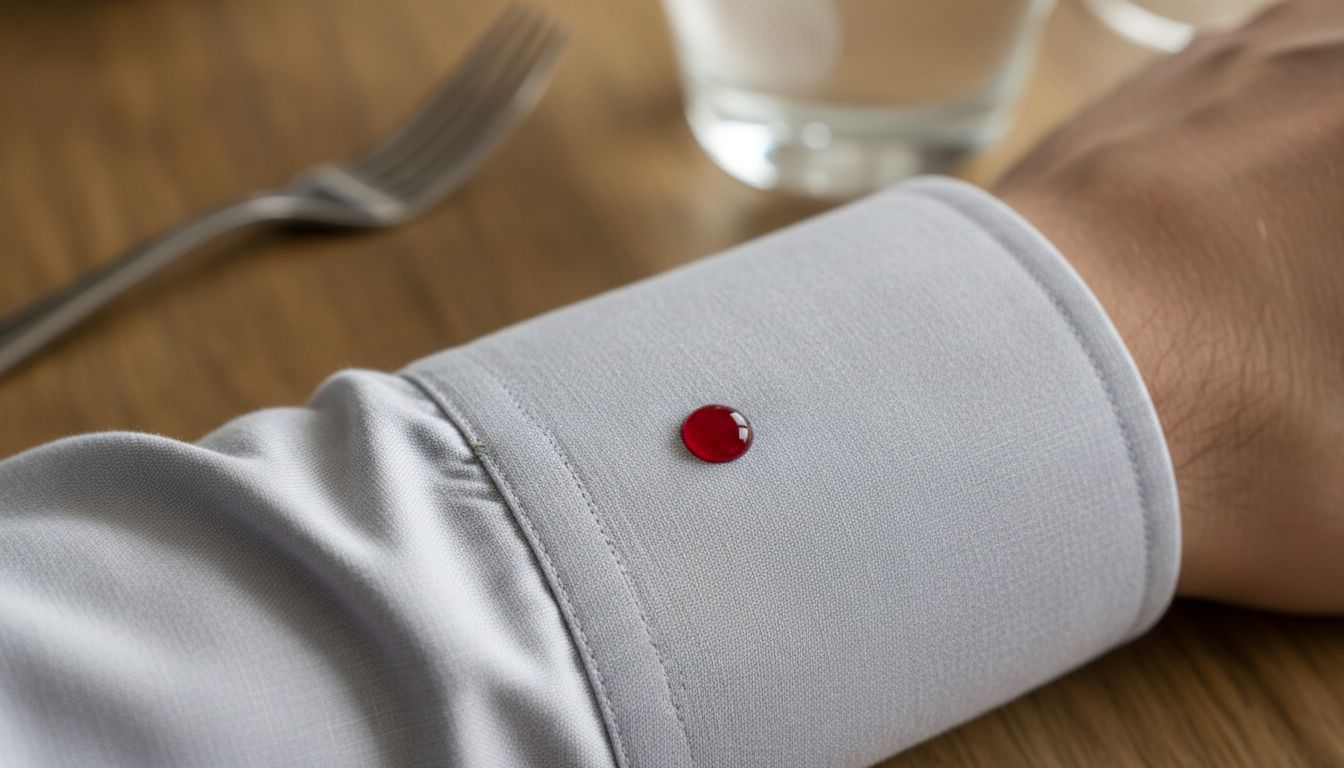
What makes this technology even more impressive is that it remains invisible and doesn’t compromise the wearing experience. Advanced treatments, including nanotechnology, create microscopic structures on the fabric surface that repel liquids without adding bulk, weight, or that plastic-feeling stiffness you might expect from a coating. The nanotechnology works at a scale so small that it enhances durability and stain resistance while preserving breathability and comfort. Your shirt still breathes, still moves naturally, still feels like quality fabric, but now it has a performance advantage you can’t see or feel. This is why stain-resistant clothing has moved from specialized workwear into mainstream fashion, because the technology finally reached the point where performance doesn’t require sacrificing style or comfort.
The coating’s durability varies depending on quality and care. Higher-end treatments remain effective through dozens of wash cycles because the protective layer bonds more strongly to the fibers. Budget alternatives might maintain protection for just five to ten washes before noticeably diminishing. This durability difference explains why investing in quality stain-resistant clothing makes financial sense. You’re not just paying for initial protection, you’re paying for treatments that will continue performing wash after wash, month after month. Some garments maintain effectiveness even through professional cleaning, though heat-intensive drying can gradually break down the coating over years of use. Understanding this reality helps you treat stain-resistant clothing appropriately to maximize its lifespan and maintain its protective properties. The investment in durable stain-resistant garments aligns naturally with building sustainable wardrobes that last, since you’re extending the useful life of pieces that continue looking and performing well.
Pro tip: Treat stain-resistant clothing gently during cleaning by avoiding fabric softeners and high heat drying, both of which degrade the protective coating. Instead, use lower temperatures and air dry when possible to preserve the treatment effectiveness through years of wear.
Key Benefits for Daily Urban Lifestyles
Living in a city demands clothing that performs under real-world pressure. Between client meetings, commuting, restaurant visits, and unexpected weather, your wardrobe faces constant threats from spills, dirt, and environmental hazards. Stain-resistant clothing transforms how you navigate these daily challenges by removing the anxiety that comes with wearing something you genuinely like. You can wear that cream-colored shirt to important presentations without mentally bracing for the inevitable coffee encounter. You can sit confidently at lunch without calculating the angle of potential sauce splatter. This psychological freedom might sound minor, but it fundamentally changes how you move through your day. When you’re not worried about staining your favorite blazer, you actually enjoy wearing it, which means pieces stay in rotation instead of getting relegated to “safe for home only” status.
The practical time savings add up remarkably fast. Stain-resistant shirts maintain professional appearance with low maintenance, requiring easier washing and cleaning while extending lifespan through reduced staining. Think about what you currently do when something gets stained. You might hand-wash it immediately, treat it with specialized products, or take it to the cleaner. With stain-resistant clothing, many spills simply wipe away while you’re still at your desk or minutes after they happen. No emergency treatment protocols. No trip to the dry cleaner. No frantically searching for the right stain remover. Over a week, a month, a year, these small reclamations of time and mental energy compound significantly. Urban professionals already juggle demanding schedules, and stain-resistant clothing removes one category of clothing maintenance entirely.
Naturally stain-resistant fabrics reduce cleaning frequency, saving time and energy while offering enhanced durability and comfort for busy urban lifestyles. Less frequent washing also extends garment lifespan substantially. Every wash cycle creates microscopic stress on fibers, causing gradual degradation that eventually shows as pilling, fading, or structural weakness. When you wash something half as often because stains don’t accumulate, you’re cutting the total wear-and-tear in half. A shirt that might normally fade noticeably after two years can stay vibrant for three or four. The economic argument becomes clear when you consider total cost of ownership. Yes, stain-resistant pieces cost more upfront, but they last longer, require less maintenance, and spend less time in the laundry cycle. For someone building a professional wardrobe that actually gets rotated and worn regularly, the investment pays tangible dividends.
Versatility matters enormously in urban fashion. Stain-resistant technology works across business wear, casual pieces, activewear, and everything in between. That means you can stop compartmentalizing your wardrobe into “dress clothes I’m terrified of ruining” and “casual wear I can actually live in.” Invest in higher-quality pieces you genuinely love, treat them with stain-resistant protection, and wear them confidently everywhere. A premium polo becomes suitable for both client dinners and weekend activities. A blazer works for presentations and casual Friday drinks. This wardrobe efficiency matters when you’re trying to build a functional closet without excess. You need fewer total pieces because each piece serves more purposes without constant anxiety about damage. For someone managing an active lifestyle while maintaining a professional appearance, stain-resistant clothing bridges the gap between practicality and style in ways traditional fabrics simply cannot.
Pro tip: When building your stain-resistant wardrobe, prioritize neutral colors and classic styles in premium quality pieces that you’ll actually wear regularly, since higher-quality stain-resistant treatments justify the investment through extended lifespan and reliable protection.
Comparing Stain-Resistant and Traditional Fabrics
The fundamental difference between stain-resistant and traditional fabrics comes down to how they interact with liquids. Traditional natural fibers like cotton and linen are inherently hydrophilic, meaning they actively attract water and absorb it readily. This is actually why we love cotton for summer clothing, towels, and comfortable everyday wear. The same property that makes cotton breathable and moisture-wicking also makes it stain-prone. Spill something on pure cotton and you have maybe seconds before the liquid penetrates the fiber structure, creating a stain that becomes progressively harder to remove as it sets. Traditional synthetic fibers like basic polyester fare somewhat better due to lower inherent moisture absorption, but they still lack the active stain resistance that makes modern performance fabrics so different. The gap between traditional fabrics and stain-resistant alternatives represents one of the most significant performance improvements in contemporary clothing technology.
Natural fibers absorb water readily and are prone to stains, often requiring special coatings for stain resistance, while synthetic fibers have inherently low moisture absorption and can be further enhanced with fluoropolymers or nanofilms. This distinction matters because it explains why stain-resistant treatments work so effectively on certain base materials. Applying a fluoropolymer coating to cotton doesn’t make the cotton hydrophobic at its core, but it creates a protective barrier on the surface that prevents liquids from reaching those absorbent fibers. With synthetics, the coating simply enhances an already low-absorption base, creating a performance level that’s difficult for traditional fabrics to match even with treatment. One important caveat though: synthetic fibers can attract dirt through electrostatic charges, which is why quality stain-resistant clothing often requires a balanced approach rather than relying on fiber type alone.
Blended fabrics represent a practical solution that many urban professionals prefer. Natural fabrics absorb liquids quickly and lead to higher stain risk, while performance fabrics are engineered with protective coatings to repel liquids, and blends combine comfort with stain resistance by bringing together the best qualities of each fabric type. A merino and synthetic blend gives you the temperature regulation and comfort of natural fiber with the stain resistance and durability of performance fabric. A cotton and polyester mix provides breathability while maintaining easier care. These blends solve a real problem: pure synthetics can sometimes feel less comfortable against skin during extended wear, especially in warm weather. By combining the best properties of both fiber types, manufacturers created options that don’t force you to choose between comfort and practicality. This is why you see so many premium stain-resistant pieces using thoughtful blends rather than pure fiber types.
Cost and longevity create the final comparison layer. Traditional fabrics typically cost less upfront because they require no special treatment. However, they demand more maintenance and don’t last as long. Stain-resistant options cost more initially but offset that through extended lifespan, reduced cleaning frequency, and lower maintenance requirements. A traditional cotton dress shirt might need replacing after two years of regular wear. A quality stain-resistant shirt can reasonably last three to five years while looking better throughout its lifespan. Over a decade, you might buy five cotton shirts versus two or three stain-resistant ones, and the financial difference shrinks significantly. Beyond pure economics, there’s the time and stress factor. Traditional fabrics mean anxiety about spills, emergency cleaning, and potential damage. Stain-resistant fabrics mean confidence and ease. For professionals managing busy lifestyles, that peace of mind translates into genuine quality-of-life improvement that numbers alone don’t capture.
Below is a quick comparison of traditional vs. stain-resistant fabrics for everyday wear:
Attribute | Traditional Fabric | Stain-Resistant Fabric |
Stain Risk | High, absorbs quickly | Low, liquids bead on surface |
Maintenance Needed | Frequent washing, special | Simple care, fewer washes |
Upfront Cost | Lower initial price | Higher, but longer lasting |
Comfort | Soft natural feel | Maintains comfort with blends |
Pro tip: When comparing stain-resistant options, check the fiber content and treatment type together rather than making decisions based on fabric type alone. A quality blend with proven treatment outperforms pure natural or synthetic options, offering the optimal balance of comfort, durability, and stain protection for daily professional wear.
Sustainability and Health Considerations
Choosing stain-resistant clothing involves more than just practical benefits. Your purchasing decisions ripple through manufacturing chains, chemical processes, and environmental systems that affect water quality, air quality, and human health. The textile industry carries a significant environmental footprint, and stain-resistant treatments historically amplified that impact through heavy chemical usage. Understanding what you’re actually buying matters, especially for someone who values both personal performance and broader responsibility. The good news is that the industry is shifting rapidly toward alternatives that deliver stain resistance without the environmental and health compromises that older technology required. This evolution means you can genuinely have both performance and conscience in the same garment.
Traditional fluorochemical treatments, while highly effective, persist in the environment for years. These compounds accumulate in water systems, soil, and eventually in human tissue. They’ve been linked to various health concerns, which is why regulatory bodies worldwide are tightening restrictions on their use. The textile industry is responding by developing alternatives, but the transition isn’t instantaneous. The textile industry significantly contributes to environmental pollution through chemical use and waste, while sustainability standards and ecolabeling encourage eco-friendly textiles that minimize harmful impacts. When you’re shopping for stain-resistant clothing, checking for ecolabels and certifications tells you whether a brand invested in safer treatment processes. Look for designations that indicate reduced chemical usage and safer manufacturing practices. Some brands now use silicone-based treatments or non-fluorinated alternatives that provide strong stain resistance with dramatically lower environmental persistence. Others incorporate natural repellents or nanotechnology approaches that avoid synthetic chemicals entirely. The price difference between conventional and sustainable stain-resistant options is narrowing as production scales up, making responsible choices increasingly accessible.
The circular economy aspect of sustainability deserves attention too. Sustainability in fashion emphasizes circular economy models, reduced resource consumption, and ethical manufacturing practices, with sustainable textiles addressing environmental and health concerns while meeting consumer demand for responsible fashion. Stain-resistant clothing plays an interesting role in this framework. By extending garment lifespan, quality stain-resistant pieces actually reduce overall resource consumption compared to traditional fabrics that need replacing more frequently. You buy fewer total garments over time, which means less water used in production, less chemical dyes, less shipping, and less eventual waste. However, this benefit only materializes if you’re actually wearing the garments regularly. Buying high-quality stain-resistant pieces you never wear negates the sustainability advantage. The smartest approach involves honest assessment of what you’ll actually use, then investing in durable stain-resistant options that genuinely rotate through your wardrobe. This transforms sustainability from an abstract concept into practical reality.
When evaluating health considerations, recognize that manufacturing practices matter as much as final product composition. Workers in textile production face chemical exposure daily, and ethical brands maintain standards that protect them. Looking beyond marketing claims to actual certifications and third-party verification protects both workers and your own interests. Brands that transparently discuss their treatment processes and chemical choices typically employ safer practices throughout their supply chains. The person making your shirt shouldn’t absorb harmful chemicals so you can have stain resistance. Quality stain-resistant clothing from responsible manufacturers now provides genuine assurance that treatment processes meet safety standards for both workers and wearers. This is where investing in premium pieces from transparent brands actually matters beyond just durability. You’re supporting manufacturing practices that prioritize health alongside performance.
Pro tip: When shopping for stain-resistant clothing, check product descriptions and brand websites for specific treatment information and certifications like OEKO-TEX or GOTS standards, which indicate safer manufacturing processes and reduced chemical usage throughout production.
Discover Effortless Style with Stain-Resistant Apparel from Labfresh
The article highlights the everyday challenge of stains and the anxiety that comes with keeping your clothes looking fresh and professional. If you are tired of worrying about spills ruining your favorite garments or spending extra time on complicated cleaning routines, stain-resistant clothing is an absolute game changer. By choosing clothes that repel liquids and dirt on a molecular level, you gain freedom to focus on what matters most in your busy urban lifestyle without sacrificing style or comfort.

At Labfresh, we combine advanced fabric technologies like FreshCore™ and Seawool with sophisticated stain-resistant finishes that last through dozens of washes. Our innovative apparel delivers superior durability, odor resistance, and easy care so you can wear your clothes confidently every day. Explore our collection of shirts, polos, and outerwear designed specifically for active professionals who demand performance and sustainability. Don’t let stains slow you down. Upgrade your wardrobe today with Labfresh and enjoy clothing that works as hard as you do.
Frequently Asked Questions
What is stain-resistant clothing?
Stain-resistant clothing is made from fabrics that undergo specialized treatments or use advanced production processes to repel liquids and dirt, preventing stains from setting in. These fabrics allow spills to bead up on the surface, making them easier to clean.
How does stain-resistant technology work?
Stain-resistant technology operates at a molecular level by creating a hydrophobic and oleophobic barrier on the fabric. This alteration in surface chemistry causes liquids to bead rather than absorb, giving wearers a moment to dab or blot spills away before they become permanent stains.
Is stain resistance permanent?
No, stain resistance is not permanent. While high-quality stain-resistant treatments can last through multiple wash cycles, their effectiveness diminishes over time. Typically, premium garments maintain their protective qualities for 20 to 30 washes, depending on care and treatment quality.
Can I find stain-resistant options in natural fabrics?
Yes, stain-resistant options are available in various fabric types, including soft merino blends, breathable synthetics, and natural fibers. This allows for comfort without sacrificing the stain-repellent properties that urban professionals need.
Recommended
Comments