Role of Recycled Materials in Fashion – Lasting Impact on Style and Sustainability
- Leroy Hughes

- Jan 28
- 7 min read

Finding clothing that fuses long-lasting quality, technology, and sustainability is a constant challenge for urban professionals who care about style and the planet. The growing demand for eco-friendly wardrobes puts a spotlight on recycled materials in fashion, an approach that reimagines textile waste as a core resource. With innovations that can reduce CO2 emissions by up to 80% and pave the way for high-performance, tech-integrated apparel, this shift offers a smarter path to looking good while caring for the world.
Table of Contents
Key Takeaways
Point | Details |
Sustainable Production | Recycled materials significantly reduce environmental impact compared to traditional textile production, lower CO2 emissions, and decrease reliance on virgin resources. |
Technological Advancements | Innovative recycling technologies are transforming unexpected materials into high-performance textiles, offering functionality that rivals virgin fibers. |
Economic and Social Benefits | By 2026, the use of recycled materials is projected to create sustainable jobs and enhance supply chain transparency while minimizing ecological footprints. |
Quality Challenges | Recycled materials face consistent performance challenges, including reduced durability and variability in quality, necessitating ongoing innovation in recycling processes. |
Recycled Materials in Fashion Defined
Recycled materials in fashion represent a transformative approach to textile production, focusing on repurposing existing resources to create sustainable clothing. Circular fashion principles are revolutionizing how designers and manufacturers think about garment creation, moving beyond traditional linear manufacturing models.
At its core, recycled textile production involves collecting used clothing, industrial textile waste, and post-consumer materials to regenerate new fabric fibers. This process can dramatically reduce environmental impact by minimizing waste and decreasing the demand for virgin resources. Recycling textiles can reduce CO2 emissions by up to 80%, making it a critical strategy for sustainable fashion development.
The recycling process typically involves several key stages: collection, sorting, cleaning, breaking down materials, and reprocessing fibers into new textiles. Different materials require unique recycling approaches - polyester can be mechanically shredded and re-spun, while natural fibers like cotton might undergo chemical regeneration to restore their original qualities. Common recycled materials include:
Plastic water bottles transformed into polyester
Discarded fishing nets regenerated into nylon
Textile waste from manufacturing converted into new fabric blends
Wool and cotton reclaimed from used clothing
Pro tip: When shopping for sustainable fashion, look for certifications like Global Recycled Standard (GRS) which verify the percentage of recycled content in garments.
Innovative Types and Applications Today
The fashion industry is experiencing a remarkable transformation through innovative recycling technologies, which are turning unexpected materials into sophisticated, wearable designs. Modern recycling approaches go far beyond traditional textile reprocessing, exploring unconventional sources like automotive waste, plastic bags, and even organic materials to create cutting-edge fashion pieces.
Performance recycled materials are particularly exciting, with brands developing high-tech fabrics that maintain superior functionality while reducing environmental impact. Sustainable fiber innovations are expanding the boundaries of what recycled textiles can achieve, enabling clothing that performs as well as virgin material counterparts. These advanced materials now include performance sportswear, technical outerwear, and accessories crafted from regenerated resources.
Some groundbreaking recycled material applications include:
Plastic ocean waste transformed into swimwear and athletic apparel
Discarded automotive seat belts repurposed into high-end bags
Industrial cotton waste converted into premium shirting fabrics
Recycled polyester developed for windbreakers and technical jackets
Fishing nets regenerated into durable outdoor clothing
Pro tip: Research brands that provide transparent information about their recycled material sourcing and processing to ensure genuine sustainability commitments.
How Recycling Processes Transform Apparel
Fashion’s recycling revolution hinges on sophisticated textile transformation technologies that convert discarded garments into valuable new materials. These advanced processes fundamentally reimagine waste as a critical resource, breaking down traditional linear production models and creating circular pathways for textile regeneration.
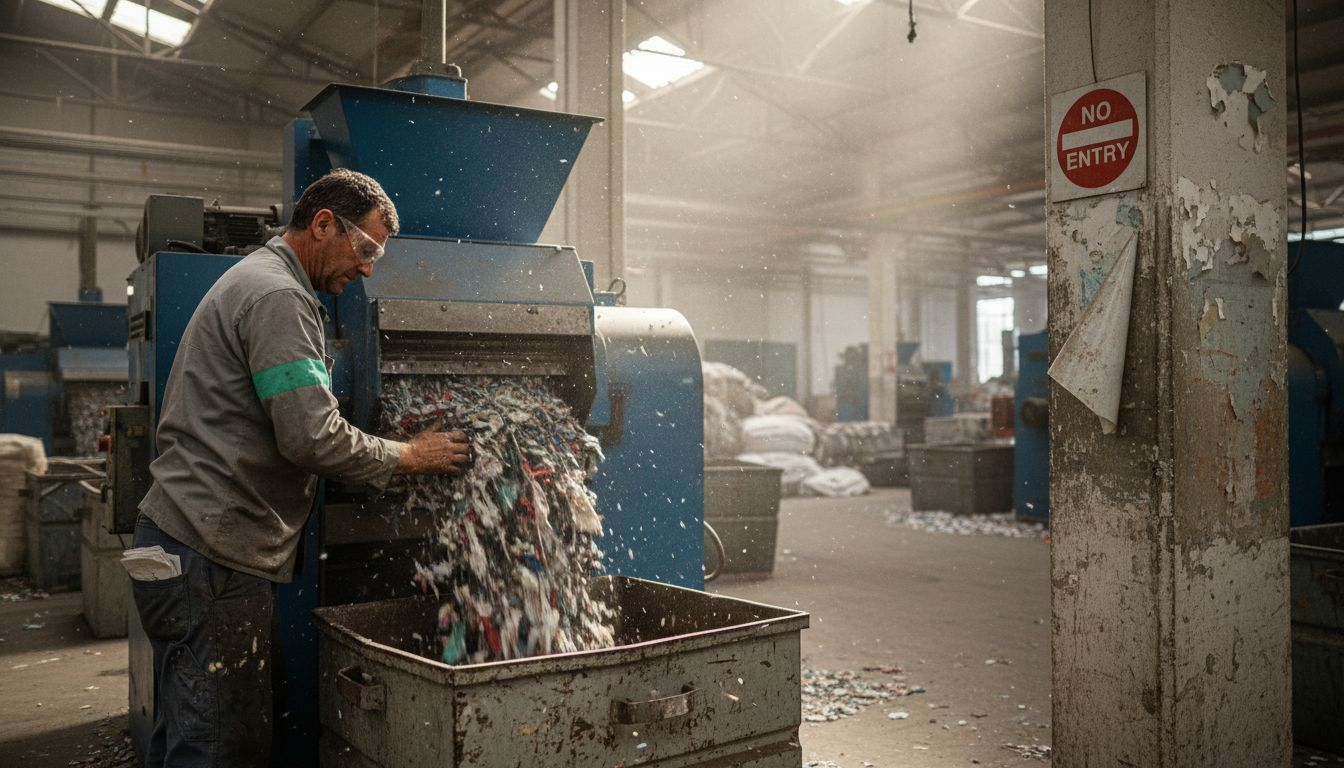
Mechanical recycling represents one primary approach, where textiles are physically shredded and re-spun into new fibers. This method works particularly well with single-material fabrics like pure cotton or polyester. In contrast, chemical recycling offers a more complex solution, chemically deconstructing fibers to their molecular level and allowing complete material purification. Circular fashion infrastructure enables these processes to become increasingly sophisticated, supporting sustainable manufacturing strategies.
The recycling process typically involves several critical stages:
Summary of recycling methods and their effects on apparel quality:
Recycling Method | Process Approach | Impact on Apparel |
Mechanical | Shredding and re-spinning | May reduce fiber strength |
Chemical | Molecular deconstruction | Allows better fiber restoration |
Hybrid | Combines mechanical & chemical | Balances quality and cost |
Collection of post-consumer and post-industrial textile waste
Sorting materials by fiber composition and quality
Mechanical or chemical breakdown of existing materials
Regeneration of fibers into new textile products
Quality testing and certification of recycled materials
Pro tip: Check garment labels for recycled content percentages and look for certifications that verify sustainable material sourcing.
Environmental and Social Benefits for 2026
The fashion industry stands on the brink of a transformative era, with sustainable fashion initiatives promising significant environmental and social breakthroughs. By 2026, recycled materials are projected to dramatically reduce the industry’s ecological footprint, addressing critical challenges like carbon emissions, water consumption, and chemical pollution through innovative circular economy strategies.
Environmental impact reduction emerges as the most compelling benefit of recycled materials. Each ton of recycled textiles can potentially save thousands of gallons of water, minimize greenhouse gas emissions, and significantly decrease virgin resource extraction. Circular fashion infrastructure is creating economic pathways that simultaneously support environmental restoration and community development.
Key environmental and social benefits anticipated by 2026 include:
Reduction of global fashion-related carbon emissions by up to 30%
Creation of sustainable jobs in textile recycling and processing
Decreased reliance on virgin resource extraction
Improved working conditions in textile-producing regions
Enhanced economic opportunities for marginalized communities
Increased transparency in global supply chains
Pro tip: Track brands committed to comprehensive sustainability reporting and prioritize those demonstrating measurable progress in recycled material usage and ethical manufacturing practices.
Potential Risks and Performance Challenges
Recycled materials in fashion face significant hurdles, with textile performance limitations presenting complex challenges for manufacturers and designers. Unlike virgin fibers, recycled materials often struggle with maintaining consistent quality, durability, and aesthetic standards that consumers have come to expect from high-end clothing.
Fiber degradation represents a primary technical challenge in recycling processes. Each recycling cycle can potentially reduce material strength, impact color retention, and compromise fabric texture. Sustainable fashion infrastructure must continually innovate to address these inherent performance risks, developing advanced processing techniques that minimize material quality loss.
Key performance challenges and potential risks include:
Reduced tensile strength after multiple recycling cycles
Inconsistent color fastness and fabric appearance
Higher processing costs compared to virgin materials
Limited recyclability for complex textile blends
Potential contamination during waste collection
Variability in material properties across different batches
Pro tip: Invest in brands demonstrating transparent research and development in recycling technologies to support continuous improvement in material performance.
Comparing Recycled With Traditional Materials
The landscape of textile production is undergoing a profound transformation, with recycled material performance challenging traditional manufacturing paradigms. While virgin materials have long dominated fashion production, recycled textiles are rapidly emerging as a competitive alternative with significant environmental advantages.
Environmental footprint represents the most striking difference between recycled and traditional materials. Traditional cotton and polyester production demands enormous water resources, chemical treatments, and fossil fuel inputs. In contrast, sustainable textile strategies enable recycled materials to dramatically reduce these environmental burdens, cutting water consumption, chemical use, and carbon emissions by substantial margins.
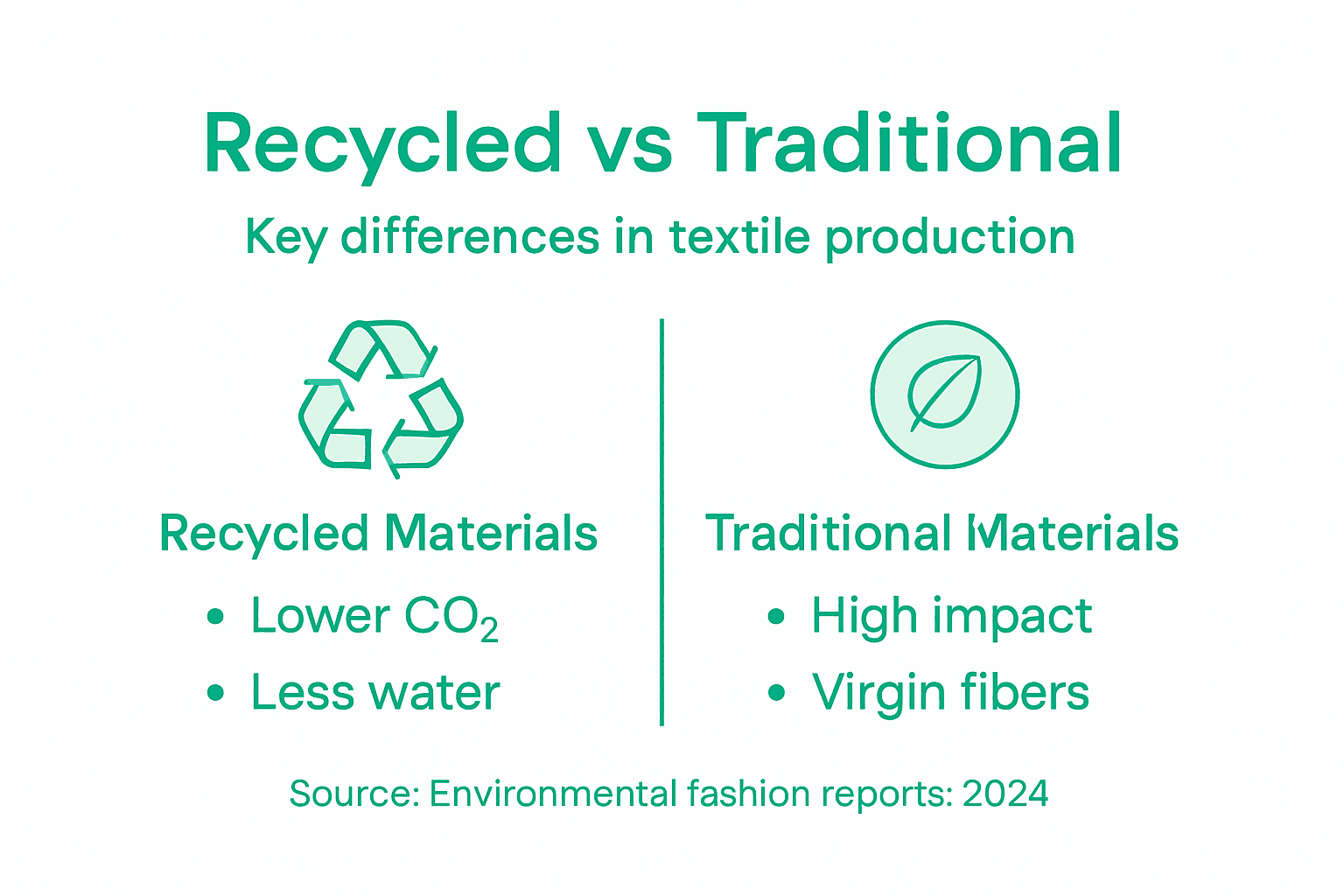
Key comparative aspects between recycled and traditional materials include:
Here’s a quick comparison of recycled materials versus traditional textile materials in the fashion industry:
Aspect | Recycled Materials | Traditional Materials |
Carbon Emissions | Significantly lower | High emissions from production |
Water Use | Reduced consumption | Intensive water usage |
Fiber Consistency | Can vary between batches | Consistent quality across batches |
Sourcing Impact | Less reliance on virgin resources | Heavy dependence on raw materials |
Carbon emissions reduction potential
Water usage efficiency
Chemical treatment requirements
Production energy consumption
Waste generation impact
Long-term material performance
Pro tip: Request transparency reports from clothing brands to understand the precise environmental metrics of their material sourcing and production processes.
Experience Sustainable Style with Tech-Driven Performance Apparel
The article highlights the important role of recycled materials in creating sustainable fashion while facing challenges like maintaining fabric quality and durability. At Labfresh, we understand these concerns and meet the goal of lasting impact by combining innovative fabric technologies with eco-conscious practices. Our collections use advanced materials engineered to provide odor-resistance, stain-resistance, and easy care without compromising style or performance.
Explore our range of LABFRESH | Shirts and LABFRESH | Performance pants that embody this fusion of sustainability and functionality.

Discover how you can elevate your wardrobe with apparel designed for active, busy lifestyles while supporting circular fashion principles. Visit https://labfresh.eu today to shop smart, sustainable pieces that deliver on durability, style, and environmental responsibility. Make your next fashion choice a lasting statement for style and sustainability.
Frequently Asked Questions
What are recycled materials in fashion?
Recycled materials in fashion are resources that have been repurposed from used clothing, industrial textile waste, and post-consumer products to create new, sustainable fabrics for clothing.
How do recycled materials impact the environment?
Using recycled materials in fashion can significantly reduce carbon emissions, save water, and decrease the need for virgin resources, leading to a lower overall environmental footprint.
What are the main recycling processes for textiles?
The main recycling processes for textiles include mechanical recycling, which shreds fabrics and re-spins them into new fibers, and chemical recycling, which deconstructs fibers at a molecular level for complete purification and restoration.
What challenges do recycled materials face in terms of performance?
Recycled materials can face challenges such as reduced fiber strength, inconsistent color fastness, and higher processing costs compared to virgin materials, affecting the overall quality and durability of apparel.
Recommended
Comments