Ultimate Guide to Stain-Resistant Apparel Care for Lasting Wear
- Leroy Hughes

- Jan 25
- 9 min read
Every stylish professional knows how quickly a spilled coffee or sudden rainstorm can threaten the look of your favorite shirt. With demanding schedules and unpredictable city living, finding apparel that stays sharp and clean is more important than ever. By mastering the art of preparing and caring for stain-resistant clothing, you can protect your investment and enjoy advanced garments that deliver performance, sustainability, and everyday confidence.
Table of Contents
Quick Summary
Key Point | Explanation |
1. Read care labels carefully | Understand specific instructions for each garment’s stain-resistant treatment before washing to protect its effectiveness. |
2. Act quickly on stains | Blot rather than rub stains to minimize damage and improve removal chances; use appropriate techniques for different stain types. |
3. Use cold water while washing | Cold or lukewarm water protects stain-resistant coatings better than hot water, ensuring longevity of your garments. |
4. Reapply stain protection regularly | Refresh the protective coating every 6 to 12 months by testing the fabric and following manufacturer instructions. |
5. Store garments properly | Ensure clothes are clean and dry, stored in cool, dry places, to maximize their lifespan and maintain protective finishes. |
Step 1: Prepare and Sort Stain-Resistant Clothing
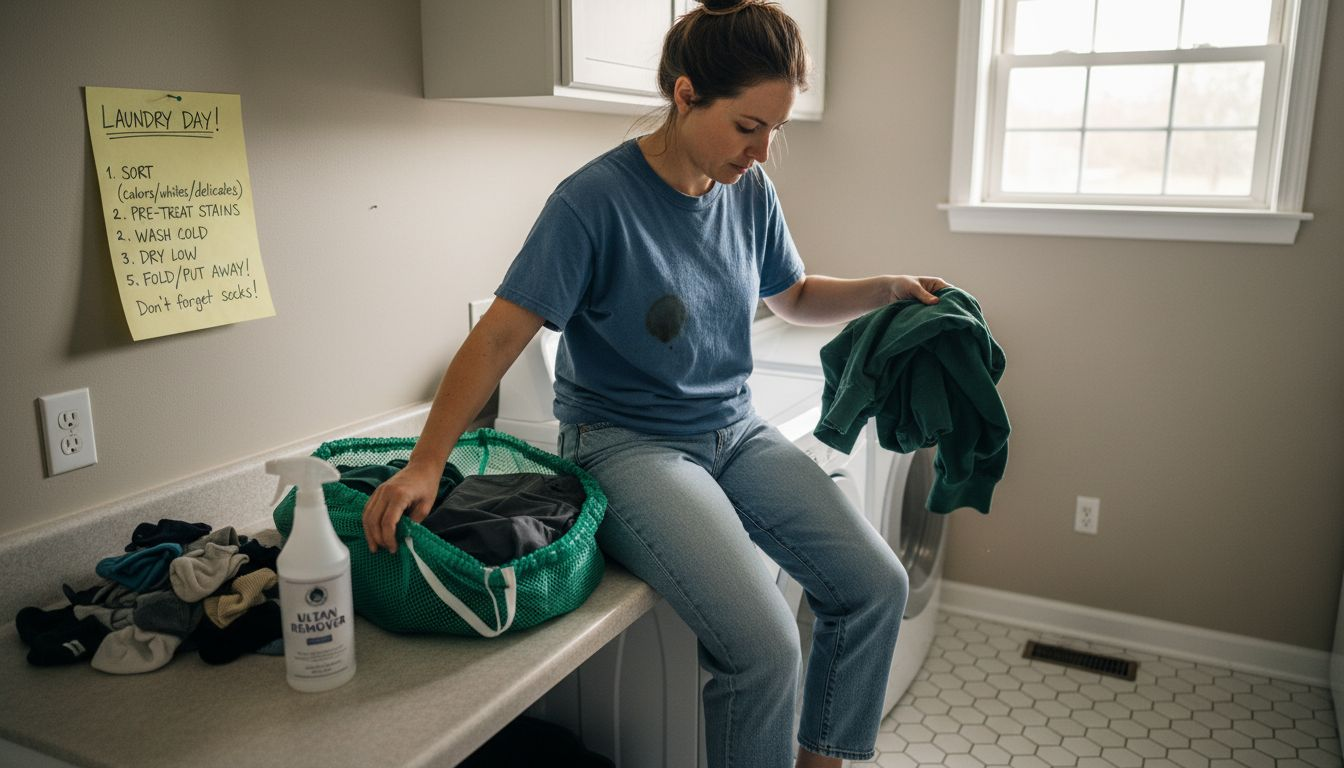
Before your first wash, take time to properly prepare your stain-resistant apparel. This simple step makes a real difference in how well your clothes maintain their stain-resisting properties and overall quality. Start by reading the manufacturer’s care label on each piece. Different stain-resistant treatments require specific care approaches, and your garment’s label will tell you exactly what you need to know.
Once you understand what you’re working with, examine each item for any existing stains or damage. Check pockets, collars, and seams where stains tend to hide. If you spot marks, treat them gently before sorting into washing loads. The key is organizing your clothing strategically. Sort by color first—darks with darks, lights with lights—to prevent color bleeding. But also group by fabric weight and care requirements since heavier items like pants need different handling than lightweight shirts. Your stain-resistant finishes work best when you respect these groupings, as washing delicate pieces with heavy items can damage the protective coating and reduce the treatment’s effectiveness.
While sorting, pay attention to the specific stain-resistant technology your garment uses. Some fabrics benefit from understanding manufacturer’s instructions for protective properties, as different treatments respond differently to temperature and detergent types. Group pieces by these requirements so you can wash batches with identical settings. This approach protects your investment and ensures your stain-resistant clothing performs exactly as designed.
Pro tip: Create a simple color-coded system using separate laundry bags for darks, lights, and delicates so you never mix incompatible items and can grab pre-sorted loads whenever laundry day arrives.
Step 2: Treat and Remove Stains with Proper Techniques
The moment you spot a stain is your window of opportunity. Acting quickly gives you the best chance of removing it completely while preserving your garment’s stain-resistant coating. Start by blotting, not rubbing. Grab a clean cloth and gently press it against the stain to absorb excess liquid. Rubbing spreads the stain deeper into the fibers and can damage the protective finish on your fabric. Think of it like this: you’re lifting the stain out, not forcing it in. Once you’ve blotted away what you can, assess what you’re dealing with. Different stains need different approaches. A grass mark requires different treatment than an oil spot or a food stain. Understanding stain chemistry and fabric finishes helps you choose the right removal strategy without compromising your garment’s performance.
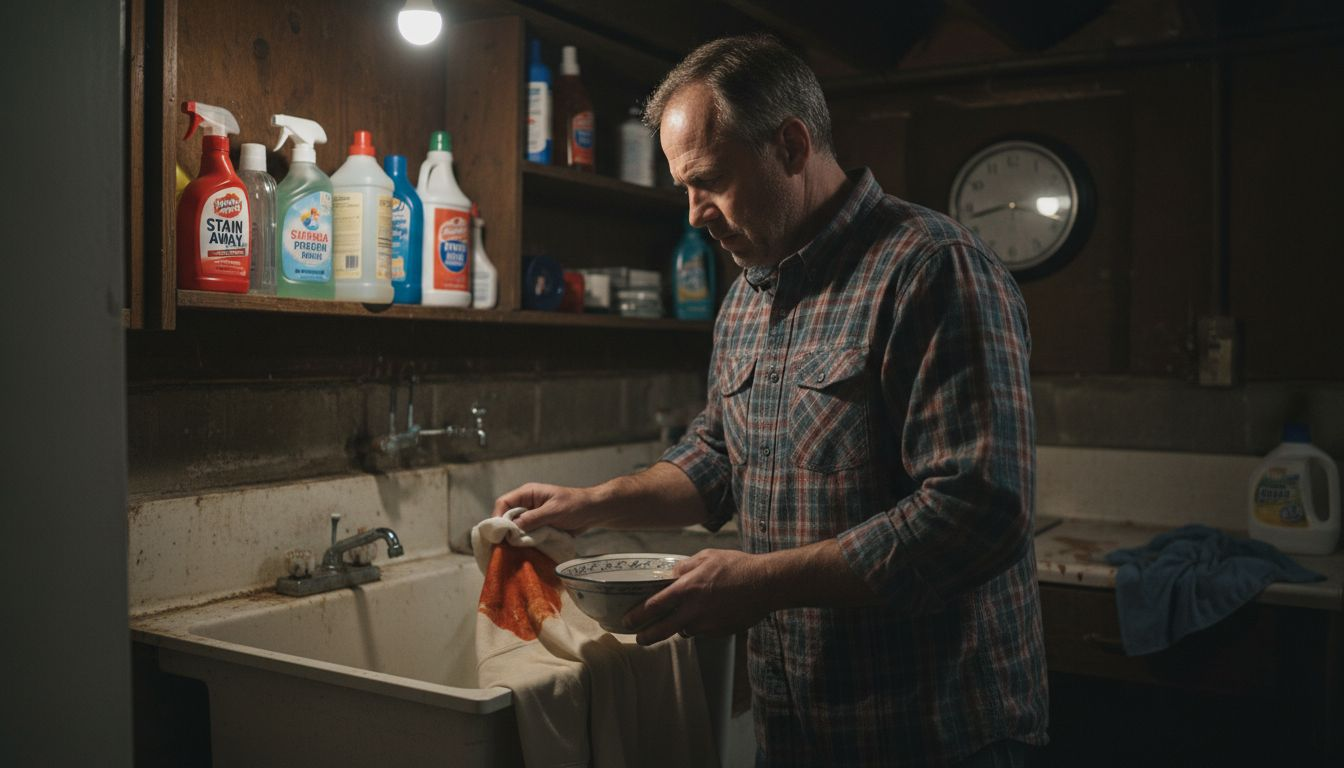
For most stains on stain-resistant apparel, cold water is your friend. Warm or hot water can set stains permanently, so resist the urge to blast it with heat. Start by rinsing the affected area with cold water from the back of the fabric, pushing the stain out rather than deeper in. Next, choose your cleaning agent wisely. Enzymatic cleaners work exceptionally well on organic stains like blood, sweat, and food. For tougher marks, selecting removers based on stain type and environmental impact ensures you get results without harsh chemicals that damage fabric coatings. Apply your chosen cleaner directly to the stain, let it sit for 10 to 15 minutes, then gently work it in using your fingers or a soft brush. Avoid aggressive scrubbing, which can weaken fibers and reduce the effectiveness of your stain-resistant treatment. Rinse thoroughly with cold water until all cleaner residue is gone.
If the stain persists after your first attempt, repeat the process rather than escalating to stronger chemicals. Patience and gentle persistence work better than one aggressive treatment. Once the stain is gone, let the garment air dry completely before wearing or storing it. This final step ensures the stain-resistant coating fully settles back into place.
Here is a quick guide to stain types and recommended treatments for stain-resistant apparel:
Stain Type | Best Initial Treatment | Cleaner Type |
Grass | Cold water blot, rinse | Enzymatic cleaner |
Oil/Grease | Blot, apply mild soap | Mild dish soap or dedicated spot cleaner |
Food/Drink | Blot, cold rinse | Enzyme-based stain remover |
Ink | Blot, dab with alcohol solution | Alcohol-based cleaner |
Sweat/Blood | Cold soak, blot | Enzymatic cleaner |
Pro tip: Keep a small container of cold water and a soft cloth with your laundry so you can treat stains immediately when they happen, dramatically increasing your success rate before fabric damage sets in.
Step 3: Wash and Dry Apparel Using Recommended Methods
Proper washing and drying are where your stain-resistant clothing truly shines, provided you follow the right approach. The goal here is to clean effectively while protecting the stain-resistant finish that makes your garments so valuable. Start with water temperature. Your instinct might say hot water cleans better, but cooler temperatures actually work harder to preserve your fabric’s protective coating. Use cold or lukewarm water, typically between 30 and 40 degrees Celsius. This temperature range minimizes wear on stain-resistant finishes while still removing dirt and odors effectively. When selecting detergent, choose a mild formula without optical brighteners or harsh enzymes that can degrade stain-resistant treatments. Less detergent is genuinely better here. Use about half the recommended amount for a standard load. Your clothes don’t need to be drowning in soap to get clean, and excess detergent leaves residue that can dull fabrics and reduce stain resistance over time.
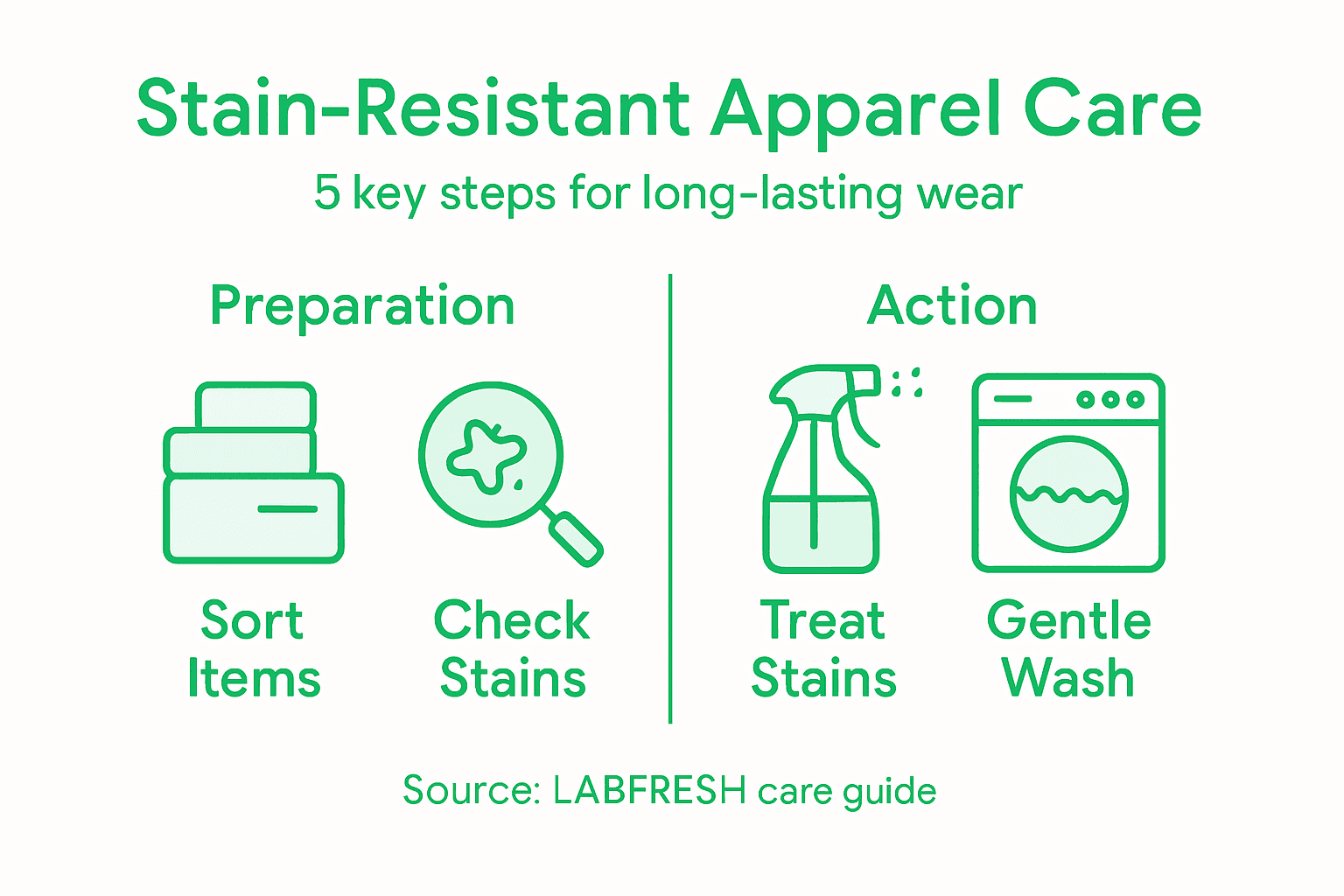
Once your cycle is set, keep the agitation gentle. Gentle mechanical agitation and controlled washing procedures help maintain fabric performance while still getting clothes clean. If your machine has a delicate or gentle cycle, use it. Avoid overloading the washer, as cramped garments don’t get clean and experience more friction than necessary. Load sizes matter significantly for both cleaning efficiency and fabric longevity. When it comes to drying, air drying is your best option whenever possible. Hanging clothes to dry naturally preserves stain-resistant coatings far better than machine heat. If you must use a dryer, choose the lowest heat setting and remove items promptly when done. Overdrying generates excessive heat and friction that can damage protective finishes. Research shows that lower temperature cycles and avoiding over-drying reduces energy consumption while preserving fabric finishes, meaning you get better results and help the environment simultaneously.
Pro tip: Wash stain-resistant items separately from heavy fabrics like jeans and towels in your first few washes to prevent pilling and excess friction that could compromise the protective coating.
The following table highlights key factors that help maintain the effectiveness of stain-resistant fabrics over time:
Factor | Impact on Longevity | Suggested Action |
Water Temperature | High heat degrades coating | Wash in cold or lukewarm water |
Detergent Choice | Harsh types can strip finish | Use mild, non-brightening detergent |
Washing Cycle | Aggressive cycles cause friction | Select gentle or delicate cycle |
Drying Method | High heat reduces protection | Air dry or use low heat |
Step 4: Inspect and Reapply Stain Protection When Needed
Your stain-resistant apparel doesn’t stay protected forever. Like any treatment, the protective coating gradually wears away with regular washing and wear. Learning to recognize when your garments need refreshing ensures they continue performing at their best. Start by doing a simple water test on items you’ve owned for several months. Drop a small amount of water on the fabric surface. If it beads up and rolls off, your stain resistance is still strong. If the water soaks in or spreads across the material, that’s your signal that protection has diminished. You’ll also notice that stains start to set more easily or that liquids absorb faster than they used to. Don’t wait until your favorite piece is completely unprotected before taking action. Periodically inspecting textiles for signs of wear or diminished protection helps you catch the right moment to reapply treatments and maintain water and stain repellency.
When it’s time to reapply protection, follow the manufacturer’s guidance carefully. Most quality stain-resistant apparel benefits from re-treatment every 6 to 12 months, depending on how frequently you wear and wash the items. You have options here. Some garments work with at-home fabric protector sprays that you apply yourself, while others require professional treatment or return to the manufacturer. Check your care label to see which method suits your pieces. If you’re applying treatment at home, ensure the garment is clean and completely dry before starting. Work in a well-ventilated area and follow product instructions precisely. Sustainable maintenance includes environmentally-friendly re-treatment with protective coatings following manufacturer guidelines to ensure consistent performance and durability over time. Allow the treated garment to cure for the recommended time before wearing or washing. This patience pays off with restored protection that lasts through many more months of regular use.
Pro tip: Mark your calendar or set a phone reminder for six months after purchasing new stain-resistant pieces so you don’t forget to test and potentially reapply protection at the optimal time.
Step 5: Store Apparel to Maximize Longevity
How you store your stain-resistant apparel between wears matters as much as how you clean it. Poor storage conditions can undo all your careful maintenance efforts and degrade the protective finishes that make these garments special. The goal is creating an environment where your clothes can rest undisturbed, preserved in optimal condition. Start by ensuring everything is completely clean and dry before storing. Any moisture left in fabric provides an ideal breeding ground for mold and mildew, which can permanently damage stain-resistant coatings and create odors that won’t wash out. Give freshly laundered pieces at least 24 hours to air dry completely, especially if you live in a humid climate. Once dry, choose your storage location carefully. Clean, dry, and temperature-controlled environments prevent degradation of fabric finishes, maximizing your garment’s longevity. Avoid basements, attics, or bathrooms where moisture fluctuates and temperatures swing dramatically. Instead, select a closet or drawer in a climate-controlled room where temperatures stay relatively stable year-round.
When it comes to organizing your pieces, folding is generally better than hanging for stain-resistant apparel because it minimizes stress on seams and elastic components. Fold garments loosely and avoid tight creasing that can stress fibers. For heavier items like outerwear, hanging on quality wooden or padded hangers prevents stretching while keeping them accessible. Store your clothes away from direct sunlight, which fades colors and can degrade protective coatings over time. Use breathable storage containers or garment bags rather than plastic, which traps moisture and prevents air circulation. Cedar blocks or lavender sachets naturally repel moths and insects without chemical odors. Storage away from moisture, pests, and contaminants in controlled environmental conditions is critical to preserve the performance of stain-resistant apparel. You can also consider rotating seasonal pieces in and out of active storage to reduce pressure on your regular items and give each piece time to rest.
Pro tip: Store a small moisture-absorbing packet in each storage container to maintain ideal humidity levels and protect your stain-resistant finishes from seasonal moisture fluctuations.
Keep Your Wardrobe Effortlessly Fresh and Stain-Resistant with LABFRESH
Caring for stain-resistant clothing can be tricky when balancing cleaning effectiveness with maintaining protective coatings. If you want apparel that adapts to your busy lifestyle without constant special treatment, LABFRESH offers advanced solutions designed to solve exactly these challenges. With innovative technologies like FreshCore™ and Seawool, LABFRESH garments resist stains and odors naturally, reducing the need for complicated care routines described in this guide.

Explore our collection of shirts and T-shirts engineered for durability and easy maintenance. Each piece is crafted for active individuals who demand long-lasting performance without sacrificing style. Take control of your wardrobe today by choosing apparel that works as hard as you do. Visit https://labfresh.eu now and experience the future of stain-resistant fashion designed for lasting wear and effortless care.
Frequently Asked Questions
How should I prepare stain-resistant clothing before washing?
To prepare stain-resistant clothing, read the manufacturer’s care label and check each item for existing stains or damage. Sort your items by color and fabric weight to ensure proper care during washing.
What is the best way to treat stains on stain-resistant apparel?
Blot the stain gently with a clean cloth instead of rubbing it, as this helps lift the stain without pushing it deeper. Use cold water to rinse the area, and apply an appropriate cleaner based on the type of stain, letting it sit for 10 to 15 minutes before rinsing again.
What water temperature should I use when washing stain-resistant clothing?
Wash stain-resistant apparel in cold or lukewarm water, typically between 30 and 40 degrees Celsius. This temperature helps preserve the stain-resistant coating while effectively cleaning your clothes.
How can I tell when to reapply stain protection on my garments?
Perform a water test by dropping a small amount of water on the fabric. If the water beads up, your stain resistance is still intact; if it soaks in, it may be time to reapply the treatment.
What are the best storage practices for stain-resistant apparel?
Store stain-resistant clothing in a clean, dry, and temperature-controlled environment to maximize longevity. Fold garments loosely to minimize stress on seams and avoid direct sunlight to prevent fading and degradation of protective coatings.
Recommended
Comments