7 Types of Sustainable Fabrics for Modern Active Lifestyles
- Leroy Hughes

- Jan 26
- 13 min read
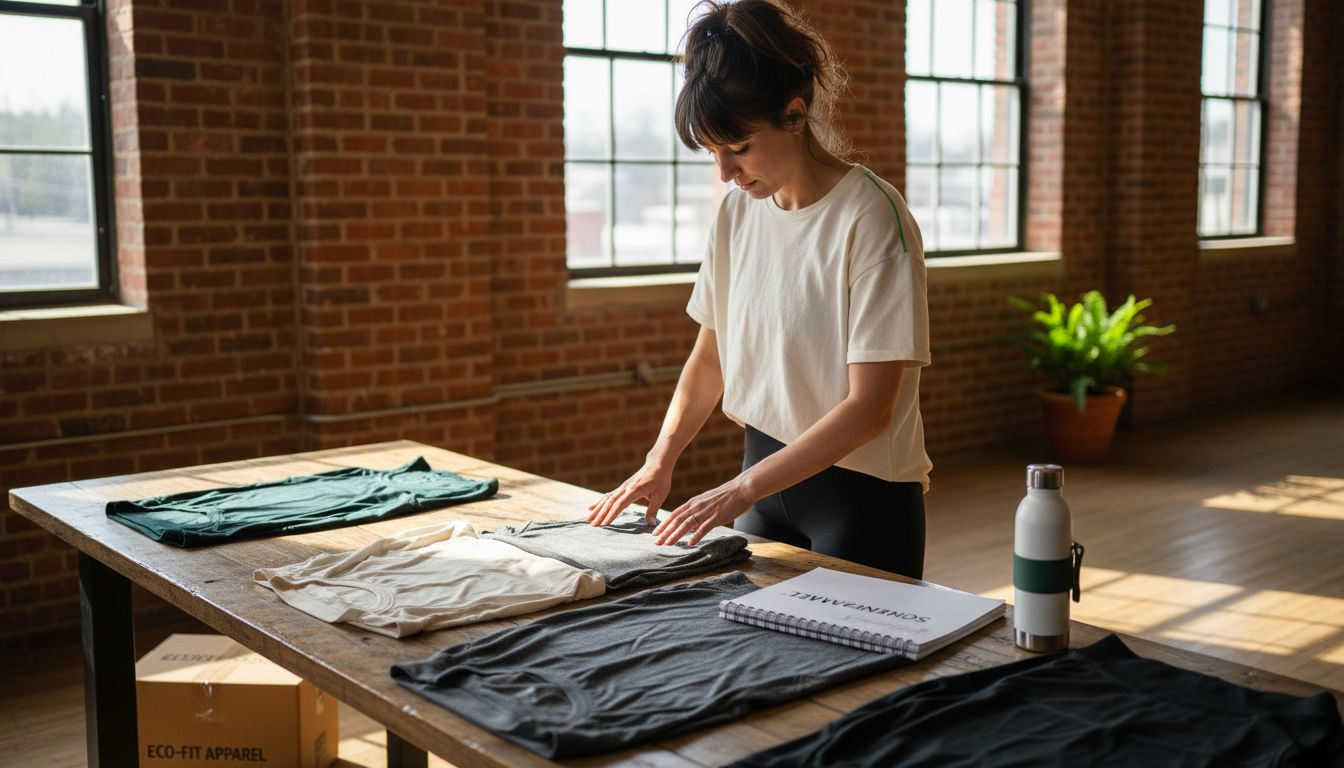
Choosing active wear that fits your fitness goals often means compromising on ethics or the environment. It can feel overwhelming to compare fabric labels, weigh benefits, and still wonder if your purchase actually makes a difference. You want clothing that keeps up with your life but also aligns with your values around sustainability and responsibility.
This guide cuts through the confusion with actionable insights into the best sustainable fabrics for active wear. Each option highlighted here offers unique strengths from moisture-wicking softness to lower water use, backed by real research on environmental impact and practical performance. Whether you care about reducing your carbon footprint, supporting renewable resources, or simply getting more life out of every garment, the following list shows you how to choose smarter for your active wardrobe.
Get ready to discover which cutting-edge materials power premium comfort and sustainability, helping you confidently shape a wardrobe that’s good for both you and the planet.
Table of Contents
Quick Summary
Key Insight | Explanation |
1. Choose Organic Cotton for Comfort and Sustainability | Organic cotton eliminates synthetic pesticides and significantly reduces environmental impact, offering comfort and style for active lifestyles. |
2. Opt for Recycled Polyester to Support Circular Economy | Recycled polyester diverts plastic waste from landfills and reduces greenhouse gas emissions, providing durability and low maintenance for active wear. |
3. Experience Tencel™ Lyocell’s Softness and Eco-Friendliness | Tencel™ Lyocell, made from sustainably sourced wood, offers exceptional softness and moisture-wicking while being biodegradable. |
4. Utilize Seawool for Innovative Performance | Seawool combines recycled materials and oyster shell powder, providing soft, insulated, and odor-resistant fabric perfect for active use. |
5. Embrace Hemp for Versatility and Minimal Impact | Hemp fabric uses minimal water, no pesticides, and strengthens soil health, making it durable and environmentally responsible for your wardrobe. |
1. Organic Cotton: Comfort and Reduced Environmental Impact
Organic cotton represents one of the most accessible sustainable fabric choices for your active wardrobe. Unlike conventional cotton, which supplies roughly a quarter of global textile fibers, organic cotton eliminates the heavy environmental burden that comes with synthetic pesticides and fertilizers. For someone like you, juggling work, fitness, and daily commitments, organic cotton offers comfort without the guilt of significant environmental compromise.
Conventional cotton production carries substantial environmental costs. The crop consumes enormous quantities of water, relies heavily on synthetic chemicals, and contributes to soil degradation and water pollution through eutrophication. Organic cotton farming flips this equation by eliminating synthetic pesticide use, reducing water consumption significantly, and promoting healthier soil ecosystems. Research on organic cotton jeans production demonstrates substantial reductions in both terrestrial and freshwater ecotoxicity compared to conventional alternatives. For your active lifestyle, this means wearing pieces that genuinely align with your values without sacrificing the durability and breathability you need for workouts, commutes, or weekend adventures. The fabric itself performs beautifully in movement intensive situations because it maintains softness through repeated washing and maintains its shape longer than you might expect.
What truly makes organic cotton practical for modern professionals is how it responds to real world care routines. The life cycle impact research shows that consumer habits like washing temperature and whether you use a dryer significantly affect overall environmental footprint. This gives you direct control over your garment’s total environmental cost. Choose cooler water temperatures and air drying when possible, and your organic cotton pieces become even more sustainable. LABFresh recognizes this approach to sustainability and incorporates tech driven fabric innovation that complements organic materials, creating pieces built for the active modern lifestyle without requiring intensive maintenance.
Pro tip: Wash your organic cotton garments in cold water and air dry them whenever you can, which reduces both environmental impact and extends fabric life by preventing heat related deterioration.
2. Recycled Polyester: Durable and Resource-Saving
Recycled polyester transforms discarded plastic bottles into high-performance fabric that powers your active wardrobe. This material represents one of the most practical sustainable choices available today because it solves two problems simultaneously: it diverts plastic waste from landfills and oceans while eliminating the need for virgin fossil resources. For someone living a fast-paced lifestyle, recycled polyester delivers the durability and low-maintenance performance you need without the environmental guilt of traditional synthetic fabrics.
The environmental advantage of recycled polyester becomes clear when you examine what happens during production. Creating recycled polyester generates significantly fewer greenhouse gas emissions compared to virgin polyester production, and it eliminates the fossil resource scarcity problem entirely by reusing existing materials. Research on recycled polyester sustainability metrics demonstrates that pre-oriented yarn delivers the most sustainable performance across life cycle assessments. This durability matters to you because it means your pieces withstand intense workouts, frequent washing, and years of active use without degrading. Unlike some sustainable fabrics that soften or lose shape quickly, recycled polyester maintains its structure and color retention through repeated wear and care cycles. The fabric also resists moisture and dries fast, making it ideal for gym sessions, commutes, and travel where you need reliable performance.
What makes recycled polyester compelling beyond the environmental story is its growing market adoption. The fashion industry increasingly embraces this material because recycled polyester reduces plastic waste while supporting supply chain inclusion, creating economic opportunities for waste collectors in global markets. This means your purchase decision contributes to a circular economy rather than perpetuating the linear take-make-dispose cycle. When you choose recycled polyester garments, you invest in technology that continues improving as manufacturers scale production and refine their processes. The quality control challenges of early recycled polyester production have substantially improved, delivering pieces that perform as well as virgin alternatives while carrying genuine sustainability credentials.
Pro tip: Look for recycled polyester items with high pre-oriented yarn content when possible, as this yarn type delivers maximum environmental benefits while maintaining the durability you need for active wear.
3. Tencel™ Lyocell: Softness From Renewable Wood Sources
Tencel™ Lyocell represents a breakthrough in sustainable fabric technology that feels luxuriously soft while coming from a renewable resource. This fiber is produced from sustainably sourced wood like eucalyptus and birch, which means it genuinely regenerates rather than depleting finite resources like petroleum-based synthetics. For professionals who demand both comfort and environmental responsibility in their active wear, Tencel™ Lyocell delivers an uncompromising balance that typical fabrics struggle to match.
What sets Tencel™ Lyocell apart from other sustainable options is its production method. The fiber comes from a closed-loop manufacturing process recovering 99% of solvents, which dramatically minimizes waste and environmental impact. This efficiency matters because it means the fabric itself leaves a much lighter ecological footprint than conventional cellulose fibers. Once you wear your Tencel™ Lyocell garments, you experience exceptional softness that rivals high-end cotton blends, coupled with natural moisture-wicking properties that keep you dry during workouts or humid commutes. The fiber also provides odor reduction and breathability, making it ideal for active lifestyles where you need performance without constantly washing pieces. Unlike some soft fabrics that lose their structure after a few washes, Tencel™ Lyocell maintains durability through extensive use while remaining gentle against your skin.
The sourcing story behind Tencel™ Lyocell adds another sustainability layer. The wood comes from FSC and PEFC certified forests, ensuring responsible forestry practices that protect ecosystems and biodiversity. When your piece eventually reaches the end of its life, Tencel™ Lyocell is fully biodegradable and compostable, unlike synthetic alternatives that persist in landfills for decades. This complete lifecycle responsibility makes Tencel™ Lyocell an intelligent choice for conscious consumers who think beyond the purchase moment. You get a fabric that feels premium, performs reliably, and genuinely dissolves back into nature without leaving toxic residue.
Pro tip: Wash Tencel™ Lyocell pieces in cool water and lay them flat to dry to preserve the fiber’s softness and maintain its shape through years of active wear.
4. Seawool: Innovative Ocean-Sourced Performance
Seawool represents a genuinely innovative approach to sustainable fabric that turns ocean waste into high-performance textiles. This technology combines oyster shell powder with recycled PET bottles to create a fiber that delivers softness, insulation, odor resistance, and moisture-wicking capabilities all in one material. For your active lifestyle, Seawool offers a rare combination of environmental innovation and practical performance that most conventional fabrics simply cannot match.
What makes Seawool particularly compelling is how it addresses multiple environmental problems simultaneously. Oyster shell powder textile technology transforms what would otherwise be agricultural waste from oyster farming into a valuable resource. Rather than allowing billions of oyster shells to accumulate in landfills or dumped at sea, this process converts them into usable fiber blended with recycled plastic bottles. This dual-waste approach means you wear a garment that eliminates plastic pollution while supporting sustainable seafood production. The resulting fabric is remarkably soft against your skin, a quality typically reserved for luxury fabrics. It also provides natural insulation properties, keeping you warm in cooler conditions while maintaining breathability during physical activity. The odor-resistant and moisture-wicking characteristics mean your pieces perform reliably through intense workouts or all-day wear without developing the stale smell that plagues conventional fabrics after sweating.
The performance advantages of Seawool extend beyond comfort into practical durability that matters for your active wardrobe. Because the fabric combines recycled materials with innovative processing, it maintains its shape and color through repeated washing and wearing. This longevity directly reduces the number of replacements you need, ultimately lowering your overall environmental footprint despite the innovative production process. When you choose Seawool pieces, you invest in a fabric technology that demonstrates how creative problem solving can transform industrial waste into wearable performance. The innovation behind Seawool shows that sustainable fashion does not require compromising on comfort, durability, or the practical benefits you need from active wear.
Pro tip: Seawool’s natural odor-resistant properties mean you can wear these pieces multiple times between washes, extending garment life while reducing water and energy consumption in your laundry routine.
5. Hemp: Versatile Strength and Minimal Water Use
Hemp fabric represents one of the most underrated sustainable options available for active wear, offering exceptional durability paired with remarkably low environmental impact. This natural fiber requires minimal water compared to cotton, demands virtually no pesticides, and actually improves soil health as it grows. For professionals building a genuinely sustainable wardrobe, hemp delivers the strength and versatility you need without the guilt associated with resource-intensive conventional fabrics.
The environmental advantages of hemp cultivation become apparent when you compare it to mainstream alternatives. Hemp cultivation requires significantly less water than cotton while eliminating the pesticide dependency that plagues conventional cotton farming. Beyond water savings, hemp farming actively contributes to soil regeneration rather than depleting it, making each harvest leave the land healthier for future crops. The fiber itself is remarkably strong, which translates directly to durability in your garments. Hemp pieces withstand intense physical activity, repeated washing, and years of wear without breaking down or losing their structural integrity. What many people do not realize is that hemp also offers natural breathability and temperature regulation, performing reliably across different climates and activity levels. The fabric becomes softer with each wash, meaning your hemp pieces actually improve over time rather than deteriorating like some high-performance synthetics.
Hemp is increasingly recognized within the textile industry as a renewable resource with genuine sustainability credentials. Industrial hemp production is expanding specifically because hemp fibers support economic, environmental, and social sustainability, creating economic opportunities while delivering environmental benefits. The fiber is fully biodegradable, meaning when your piece reaches the end of its life, it returns to nature without leaving toxic residue. Hemp also demonstrates exceptional carbon sequestration potential, absorbing significant amounts of carbon dioxide as it grows. This makes hemp apparel part of the climate solution rather than a contributor to the problem. When you choose hemp for your active lifestyle, you invest in a versatile fiber that performs where it matters while supporting regenerative agriculture and genuine environmental restoration.
Pro tip: Hemp fabric softens and becomes more comfortable with each wash, so do not hesitate to wear your pieces frequently and launder them regularly to enjoy the increasing softness and improved feel over time.
6. Bamboo: Fast-Growing and Naturally Antibacterial
Bamboo fabric offers a compelling sustainable choice that combines rapid renewability with built-in performance benefits for your active wardrobe. This fast-growing plant requires no fertilizers or pesticides to thrive, regenerating quickly without depleting soil or consuming excessive resources. What makes bamboo particularly valuable for active wear is its inherent antibacterial properties, which naturally prevent odor formation and keep your pieces fresher longer between washes.
The performance advantages of bamboo fabric become apparent during intense workouts or all-day wear. Bamboo fibers possess inherent antibacterial and mildew-resistant properties that actively work to prevent odor development and fiber degradation, meaning your pieces stay fresher naturally without relying on chemical treatments. Beyond odor control, bamboo delivers exceptional softness that rivals luxury fabrics, paired with breathability and moisture-wicking capabilities that keep you dry during physical activity. The fabric adapts well to different climates, maintaining comfort whether you’re training in warm conditions or layering in cooler weather. Unlike some synthetic alternatives that accumulate odors quickly, bamboo’s natural antibacterial nature means you can wear pieces multiple times between washes, directly reducing your laundry frequency and lowering your environmental footprint. This practical benefit translates to real time savings in your weekly routine while simultaneously reducing water and energy consumption.
The sourcing story behind bamboo fabric adds another sustainability dimension. Bamboo is a rapidly renewable plant that grows without fertilizers or pesticides, making it genuinely regenerative compared to resource-intensive conventional fibers. The plant grows exceptionally fast, reaching harvest maturity in just three to five years without requiring replanting or intensive agricultural inputs. While processing methods do involve chemicals in some cases, the overall environmental profile remains significantly lighter than conventional cotton or synthetic alternatives. For your active lifestyle, bamboo represents an intelligent choice that delivers proven performance benefits while supporting genuinely sustainable agriculture. You get softness, odor resistance, moisture management, and environmental responsibility all in a single fabric choice that truly performs where it matters most.
Pro tip: Take advantage of bamboo’s natural antibacterial properties by spacing out washes and wearing pieces multiple times between cleanings, which extends garment life while reducing your household water and energy consumption.
7. FreshCore™ Technology: Odor and Stain Resistance for Longevity
FreshCore™ represents a breakthrough in fabric technology that extends garment lifespan while actively supporting your sustainable lifestyle. This innovative treatment works at the yarn level to interrupt bacterial growth, preventing odors before they form, while simultaneously repelling sweat and stains. For busy professionals who demand performance without compromising environmental values, FreshCore™ delivers the practical benefits that make sustainable active wear genuinely wearable.
What distinguishes FreshCore™ from typical fabric treatments is its integration approach and durability. FreshCore™ technology treats fibers at the yarn level to ensure lasting performance rather than applying surface coatings that wash away after a few cycles. This foundational treatment means your pieces maintain their odor-fighting and stain-repelling properties through many wash cycles, delivering consistent performance over years of wear. The technology accomplishes this without relying on harmful chemicals, supporting both your health and environmental safety. You experience the practical benefit of wearing your pieces multiple times between washes because the fabric actively resists bacterial colonization that typically creates odors. A shirt treated with FreshCore™ stays fresh through intense workouts, multiple-day wear, and everyday activities without developing the stale smell that plagues untreated fabrics. Similarly, the stain-repelling properties mean accidental spills and perspiration marks do not permanently mark your pieces, maintaining their appearance and extending their usable life.
The sustainability impact of FreshCore™ extends far beyond individual garment performance. By reducing wash frequency, FreshCore™ equipped pieces lower your household water consumption, energy usage, and detergent impact. You wear each piece more times before laundering, directly reducing the total environmental cost across the garment’s lifetime. This aligns perfectly with genuine sustainability goals because extending garment life proves more effective than any fiber choice alone. When you invest in FreshCore™ technology pieces, you buy into a philosophy that durability and longevity matter more than novelty and replacement. The garments in your wardrobe become true workhorses that perform reliably for years, reducing the need for constant replacements and supporting a circular economy approach to fashion.
Pro tip: Maximize FreshCore™ benefits by washing your pieces less frequently in cooler water and air drying them whenever possible, which preserves the treatment’s effectiveness while dramatically reducing your environmental impact.
Below is a comprehensive table summarizing the sustainable fabric options and their respective benefits and features as discussed in the article.
Fabric Option | Key Features | Benefits |
Organic Cotton | Grown without synthetic pesticides, reduced water need, promotes soil health. | Comfortable and soft; breathable; aligns with values of environmental care. |
Recycled Polyester | Made from recycled plastic, reduces waste and dependence on petroleum-based fibers, durable. | Moisture-wicking, fast-drying, maintains structure through wear and washes, supports circular economy. |
Tencel™ Lyocell | Manufactured from renewable wood sources using closed-loop processes, soft and biodegradable. | Luxurious feel, natural moisture-wicking and odor reduction, breathability, maintains durability. |
Seawool | Combines oyster shell powder and recycled plastics; soft, insulating, odor-resistant. | Environmental innovation, natural insulation, durability, supports waste reduction. |
Hemp | Requires minimal water and no pesticides; promotes soil health and carbon sequestration. | Highly durable, breathable, natural temperature regulation, softens with use. |
Bamboo | Rapidly renewable, inherently antibacterial, grows without fertilizers or pesticides. | Naturally resists odor, soft, moisture-wicking, adaptable for various climates. |
FreshCore™ Technology | Yarn-level treatment for odor and stain resistance through lasting effectiveness, reduces wash needs. | Extends fabric life, supports environmental goals through reduced laundering, maintains aesthetics, incorporates innovative technology. |
Elevate Your Active Wardrobe with Sustainable Innovation
Finding sustainable fabrics that keep up with your busy life is a real challenge. The article highlights key pain points like balancing comfort, durability, and environmental responsibility while managing everyday wear and care. You want fabrics that resist odors and stains, maintain softness, and support low-impact washing routines. LABFRESH directly answers this with cutting-edge solutions such as FreshCore™ technology and Seawool fabric, designed to keep you fresh and ready without sacrificing planet-friendly values.
Discover how our collection of shirts, performance pants, and T-shirts integrates sustainable fibers like organic cotton, recycled polyester, and innovative materials like Seawool. Each piece is engineered for durability and easy care, using tech-driven innovation that fits perfectly with your active lifestyle set against a backdrop of sustainability. Your wardrobe can offer the highest performance while contributing to a circular fashion economy.
Ready to embrace garments that combine sustainability and advanced technology? Explore the full range now at LABFRESH and start building a smarter, greener active wardrobe today.
Frequently Asked Questions
What are sustainable fabrics suitable for active lifestyles?
Sustainable fabrics for active lifestyles include Organic Cotton, Recycled Polyester, Tencel™ Lyocell, Seawool, Hemp, Bamboo, and FreshCore™ Technology. Each fabric offers unique benefits for comfort and environmental impact. Explore these options to enhance your wardrobe sustainably.
How can I care for my sustainable activewear to extend its lifespan?
To extend the lifespan of your sustainable activewear, wash garments in cool water, and air dry whenever possible. This simple practice can significantly reduce wear and tear, potentially extending the life of your garments by several years.
How do I choose the right sustainable fabric for my workouts?
Choose a sustainable fabric based on your specific workout needs, such as breathability, moisture-wicking ability, or odor resistance. For example, if you engage in high-intensity workouts, opt for Recycled Polyester or Seawool for their durability and performance characteristics.
What environmental benefits do sustainable fabrics offer over conventional materials?
Sustainable fabrics often require fewer resources, such as water and pesticides, and have a reduced carbon footprint compared to conventional materials. By choosing sustainable options, you can help lower overall water usage by approximately 20% and support healthier ecosystems.
How does FreshCore™ Technology improve the performance of sustainable activewear?
FreshCore™ Technology prevents odor and stains by effectively interrupting bacterial growth at the yarn level, meaning your garments can stay fresh longer. Implement this technology into your activewear routine to reduce laundry frequency and extend garment life significantly.
Can sustainable fabrics be as durable as traditional fabrics for intense activities?
Yes, many sustainable fabrics, like Recycled Polyester and Hemp, are designed to withstand intense activities while maintaining durability. Invest in these fabrics to enjoy reliable performance during your workouts without compromising on sustainability.
Recommended
Comments