Step by Step Sustainable Fashion Care for Longevity
- Leroy Hughes

- Jan 24
- 11 min read
Every closet holds that favorite shirt or technical hoodie that could last years, but only if you care for it right. City living means limited time, and fast-paced routines often lead to rushed laundry habits that shorten your wardrobe’s lifespan. Understanding fabric needs and reading care labels are not just small chores—they are the foundation for preserving performance clothing, cutting replacement costs, and practicing a more sustainable wardrobe. This guide reveals practical steps that make garment care low-maintenance, effective, and environmentally conscious.
Table of Contents
Quick Summary
Key Point | Explanation |
1. Assess Fabric Needs Before Care | Identify fabric types by checking labels to determine appropriate washing and drying techniques, preventing damage to your clothing. |
2. Sort Apparel by Material Function | Group clothes based on their material and intended use to apply the correct care methods and extend garment life. |
3. Choose Eco-Friendly Cleaning Products | Opt for biodegradable detergents that are safe for fabrics and the environment, ensuring longevity and reducing pollution. |
4. Use Gentle Drying and Storage Methods | Air dry delicate items and store clothes properly to avoid shrinkage, fading, and fiber damage, preserving their quality. |
5. Regularly Monitor Clothing Condition | Conduct quarterly inspections for wear and damage, addressing issues early to prolong the lifespan of your garments. |
Step 1: Assess Fabric Needs and Read Care Labels
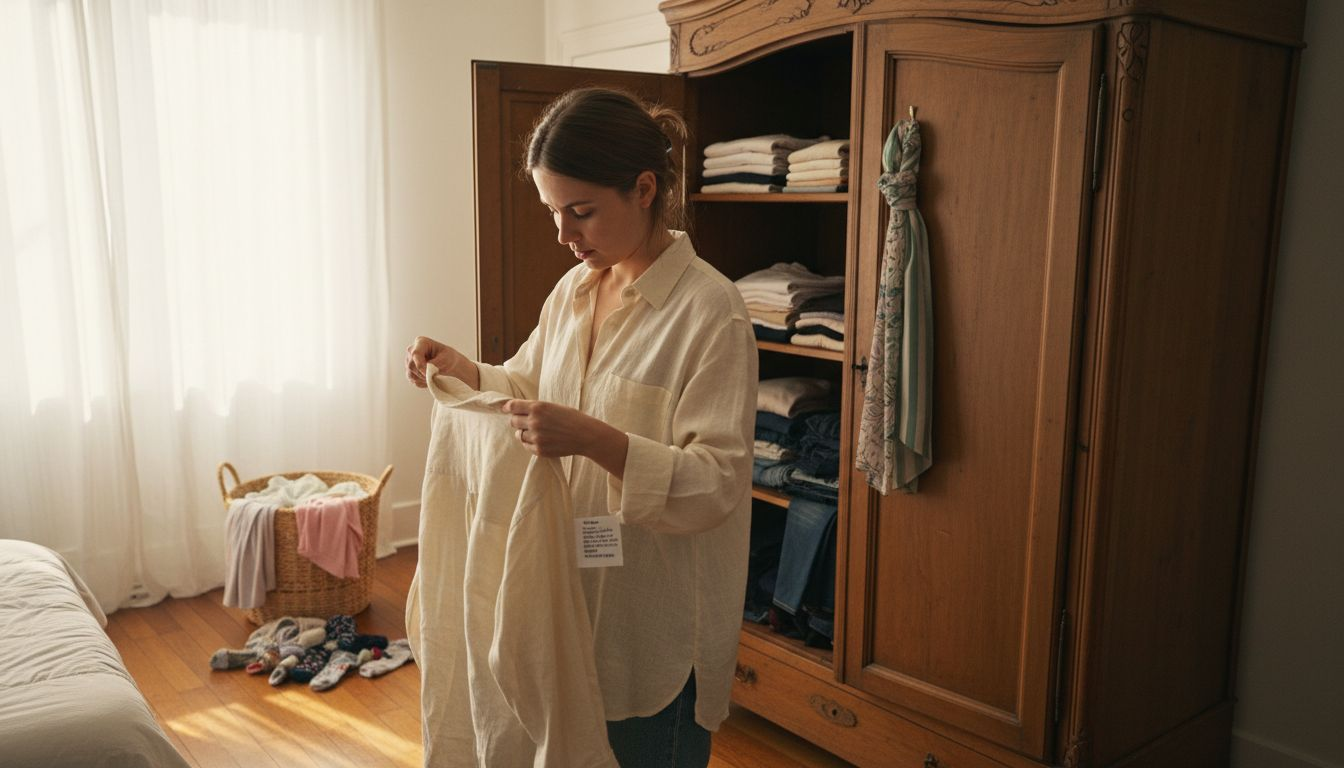
Your clothes don’t all want the same treatment. Before you wash, dry, or store anything, you need to understand what you’re actually working with. Different fabrics have wildly different needs, and ignoring those needs is one of the fastest ways to destroy your wardrobe. Taking time to assess your fabric and read care labels might seem tedious, but it’s the foundation of keeping your clothes looking good for years instead of months.
Start by identifying what your garment is made from. Peek at the tag inside your shirt or look at the product description if you’re shopping online. You’ll likely see materials like cotton, polyester, nylon, or blends combining multiple fibers. Each material behaves differently when exposed to water, heat, and friction. Understanding fabric types and their care requirements helps you make better decisions about washing and drying. Cotton breathes beautifully but can shrink if you’re careless. Polyester holds color but can melt under high heat. Specialty fabrics like Seawool or technical blends have their own quirks that you absolutely need to know about. Once you’ve identified your fabric, you’re ready to decode the care label itself.
Now comes the label reading. Those little symbols and instructions exist for a reason, and honestly, most people ignore them and wonder why their clothes fall apart. Look for the washing instructions first, which tell you maximum water temperature, whether to use cold or warm water, and any special handling requirements. Next, check the drying guidance, which might indicate air drying only, low heat, or avoiding the dryer entirely. Some labels mention specific warnings about chlorine bleach or tumble drying. Pay attention to any instructions about turning garments inside out, washing separately, or limiting spin cycles. If your fabric is delicate or a darker color, these instructions aren’t suggestions. They’re roadmaps to longevity. Consider keeping a photo of care labels on your phone for quick reference while doing laundry, or take notes on persistent problem items.
Pro tip: Group your clothes by care requirements before washing, not just by color, so you can apply the right temperature and cycle to each load without scrambling mid-wash.
Here’s a quick reference for common fabric types and their care sensitivities:
Fabric Type | Water Sensitivity | Heat Tolerance | Special Considerations |
Cotton | Prone to shrinking in hot wash | Handles low dryer heat | Color fading if over-dried |
Polyester | Resists water, dries quickly | Melts under high heat | Can hold odors if not rinsed |
Wool | Shrinks in agitation or heat | Damaged by dryer heat | Needs flat air drying |
Nylon | Mild wash only | Sensitive to high heat | Avoid bleach, gentle spin |
Blends | Varies, check care label | Low to medium heat | Follow most delicate fiber |
Step 2: Sort Apparel by Material and Function
Now that you understand what your clothes are made from, it’s time to organize them strategically. Sorting your apparel by material and function transforms how you care for everything in your wardrobe. This simple organizational step prevents damage, extends garment life, and makes laundry day infinitely less stressful because you’re treating each piece appropriately rather than guessing.
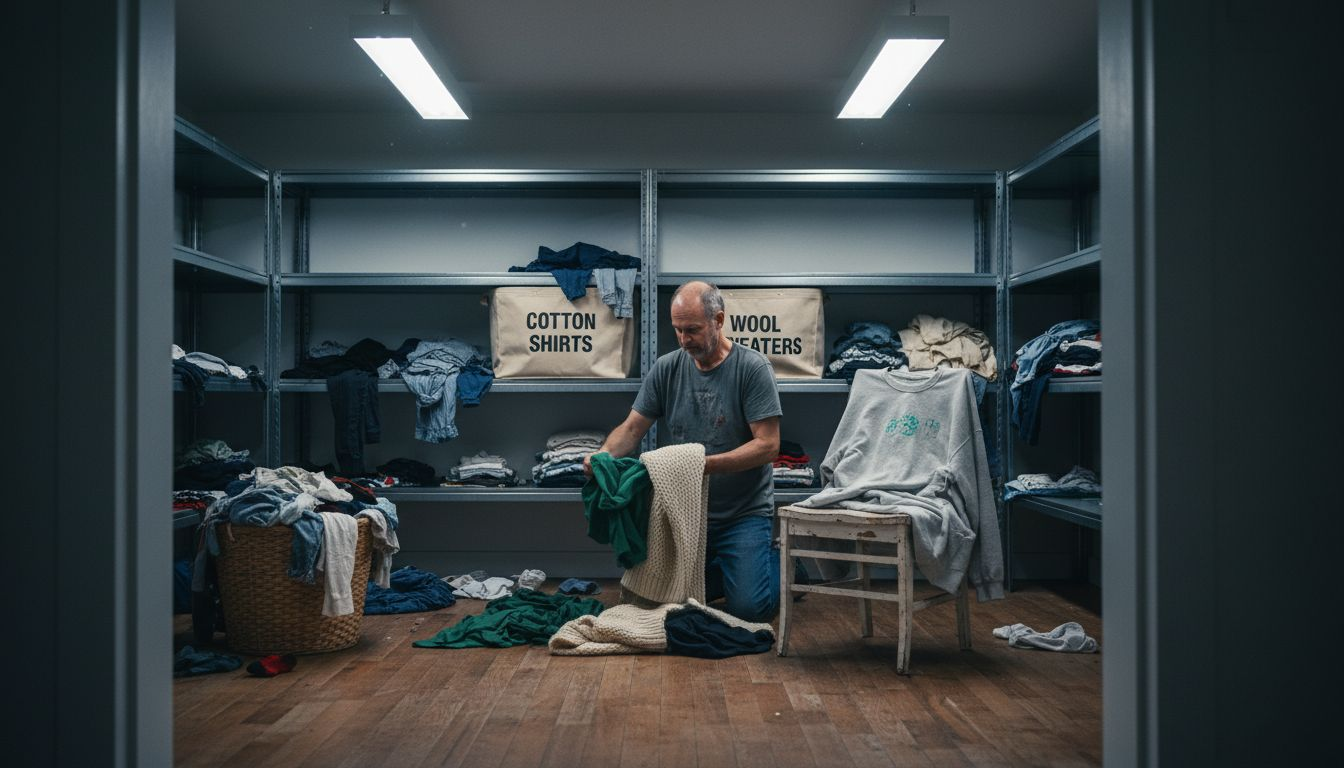
Start by grouping clothes into material categories. Pull out all your cotton items, then your polyester pieces, then anything made from specialty blends or technical fabrics. Within each material group, segregating clothing by use and function helps you apply the right care approach. Casual everyday wear handles different treatment than delicate pieces or performance clothing designed for active use. Your worn-twice formal shirt needs different handling than your gym shirt that gets washed after every workout. Cotton work clothes might tolerate hot water and regular cycles, while a cotton dress shirt demands gentler treatment. Look at how you actually use each piece. Is it something you wear for eight hours at a desk? Something you wear while moving around or exercising? Something that sees occasional use and needs preservation? Your answers determine how aggressively you can wash and dry without causing damage.
Create physical or mental categories within each material type. For example, within your cotton collection you might have everyday basics, delicate items, and workout wear. Within polyester, you might separate everyday wear from technical performance pieces. This categorization matters because it directly impacts water temperature, wash cycle intensity, and drying method. Heavy cotton basics can handle 40 minute cycles and warm water. Delicate cotton pieces need shorter cycles and cold water. Performance polyester might require specific detergents or temperature ranges you would never use on regular cotton blends. Once you have your categories established, keep them organized in your closet or storage space. This way, when laundry day arrives, you grab what you need without overthinking, and each load gets treated exactly as it should be.
Pro tip: Label drawers or shelf sections by material and function so your household members follow the same sorting system, reducing the chance someone accidentally throws delicate pieces in with heavy work clothes.
Step 3: Choose Eco-Friendly Cleaning Methods
What you wash your clothes with matters just as much as how you wash them. The detergent, soap, or cleaning agent you choose directly impacts fabric longevity, your health, and the environment. Switching to eco-friendly cleaning methods protects your wardrobe while reducing the pollution that ends up in waterways. The good news is that sustainable cleaning doesn’t require sacrifice, it just requires intentional choices.
Start by understanding what makes a cleaning product eco-friendly. Look for greener cleaning products certified under EPA programs that meet strict safety and environmental standards. These products use formulations that break down naturally without harming aquatic life or leaving toxic residue on your clothes. Beyond certifications, search for biodegradable detergents that dissolve completely in water rather than accumulating as microplastics. Read ingredient lists carefully and avoid anything containing phosphates, optical brighteners, or harsh synthetic chemicals. These ingredients don’t just damage delicate fabrics, they persist in ecosystems long after your wash water leaves your home. Many conventional detergents use concentrated formulas that require larger volumes to work effectively, which means more chemicals going down the drain. Eco-friendly alternatives often concentrate their active ingredients, so you use less product to achieve the same cleaning power. Your clothes emerge clean without chemical buildup that traps odor or degrades fibers over time.
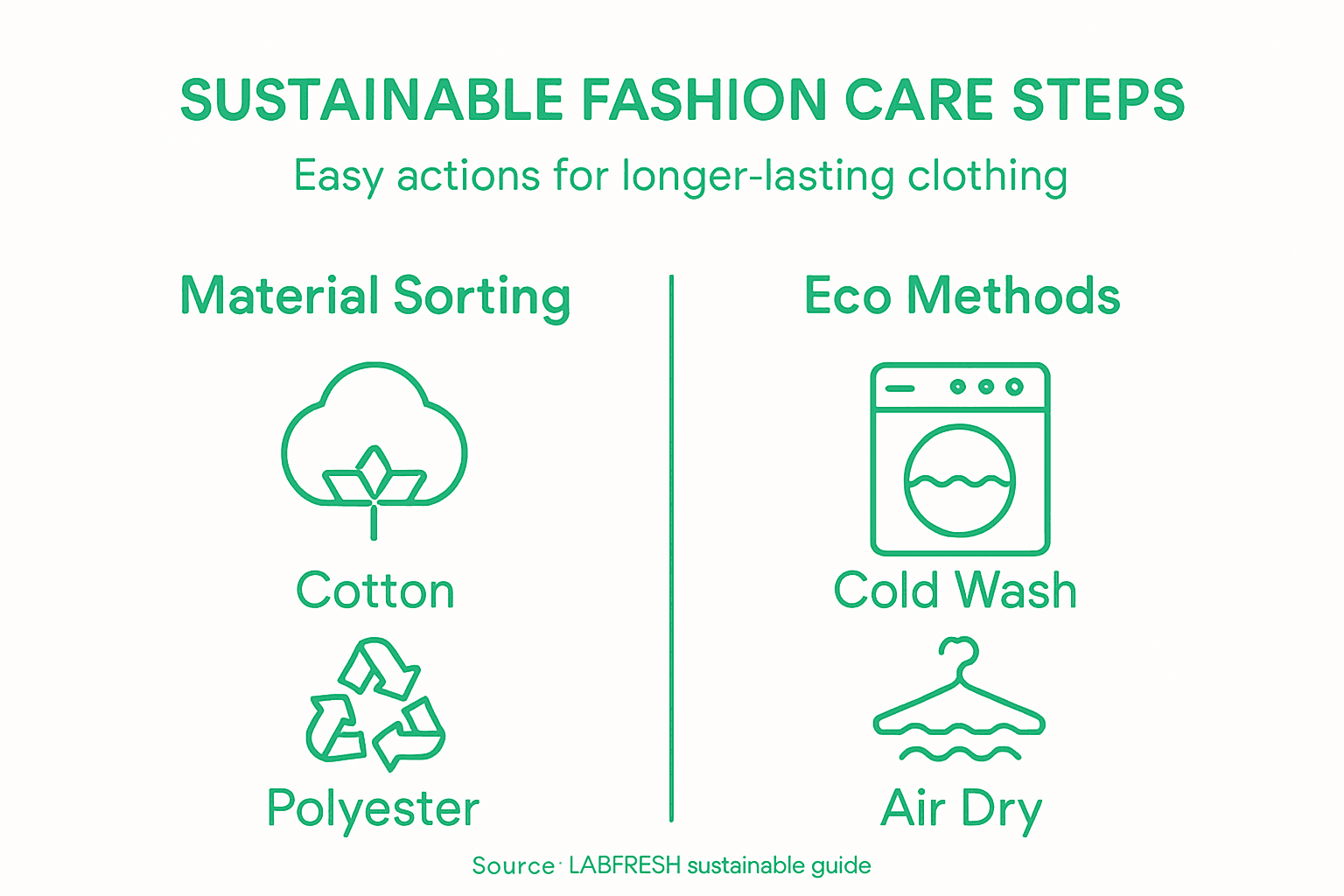
Beyond choosing the right product, adopt cleaning practices that amplify your eco-friendly approach. Wash in cold water whenever possible, which reduces energy consumption and prevents heat damage to fabrics. Use the appropriate amount of detergent rather than guessing, since excess soap actually attracts dirt and makes rinsing harder. Consider hand washing delicate or high-value pieces with mild eco-friendly soap instead of machine washing, which provides superior fabric care and dramatically extends garment life. Air drying eliminates energy use entirely while protecting fibers from heat damage. When you combine an eco-friendly product with sustainable washing practices, you’re creating a system where your clothes last longer, perform better, and your environmental impact shrinks significantly.
Pro tip: Make your own gentle detergent using castile soap, water, and a few drops of essential oil, which costs almost nothing and eliminates packaging waste while being incredibly gentle on technical fabrics.
Here’s a summary of eco-friendly laundry choices and their benefits:
Method | Benefit for Clothing | Environmental Benefit |
Cold Water Wash | Reduces fiber damage | Saves energy, lowers CO₂ |
Biodegradable Detergent | Prevents chemical buildup | Safer for aquatic ecosystems |
Air Drying | Prevents shrinkage and fading | Eliminates electricity usage |
Hand Washing Delicates | Minimizes wear on fabric | Reduces water and energy used |
Step 4: Apply Gentle Drying and Storage Techniques
How you dry and store your clothes matters as much as how you wash them. This is where many people make costly mistakes that damage fabrics irreversibly. The right drying and storage approach keeps your garments looking fresh, feeling soft, and ready to wear for years. Think of this step as the final protection for your investment in quality clothing.
Start with drying, where heat is your enemy. Air drying is the gold standard for sustainable fashion care. Hang delicate pieces, performance fabrics, or anything you want to last on a clothesline, drying rack, or hanger indoors. Gentle drying methods like air drying conserve energy while preventing the fiber damage that heat causes. Machine drying exposes fabrics to temperatures that weaken fibers, cause shrinkage, and fade colors. If you must use a dryer, choose the lowest heat setting and remove clothes while slightly damp rather than waiting for them to be completely dry. Never over-dry clothing because tumbling in heat accelerates wear and makes fibers brittle. For work clothes or everyday basics that tolerate more heat, a delicate or low-heat cycle beats high heat every time. Flat drying works wonderfully for sweaters, knits, and delicate items that might stretch when hung. Lay them on a clean, flat surface and flip occasionally to ensure even drying. Yes, it takes longer than the dryer, but your clothes will thank you by lasting seasons longer.
Storage is equally critical. Find a cool, dark, dry place away from direct sunlight because UV exposure fades colors and weakens fibers over time. Avoid damp areas where humidity promotes mildew and odor growth. Don’t overcrowd your closet or drawers because compression creases fabrics and prevents air circulation. Use hangers for items you wear frequently and folding for heavier knits that might stretch on hangers. Cedar blocks or lavender sachets deter moths naturally without the chemical smell of mothballs that can stain clothes. Rotate seasonal items so nothing sits untouched for years, which allows you to catch any damage or pest issues early.
Pro tip: Store your favorite pieces in breathable cotton garment bags rather than plastic, which allows air circulation and prevents moisture buildup while protecting from dust and light damage.
Step 5: Monitor Clothing Condition and Refresh as Needed
Your clothes aren’t static objects that last forever without attention. They need regular monitoring to catch small problems before they become irreversible damage. Checking your wardrobe periodically, refreshing pieces that need it, and addressing wear spots early is what separates a capsule wardrobe that lasts a decade from one that falls apart in two years. This step transforms you from passive wearer to active caretaker of your investment.
Start by doing a quarterly inspection of your most-worn pieces. Look for loose seams, small holes, fading, pilling, or stains that didn’t come out. Pay special attention to high-stress areas like underarms, cuffs, hems, and pocket edges where friction causes the most damage. Spot treat fresh stains immediately because they’re exponentially easier to remove than set-in ones. Small pulls in fabric can be carefully worked out or trimmed rather than left to unravel. Loose threads should be secured or trimmed, and loose buttons should be reattached before they disappear entirely. Extending garment life through repair and rewear reduces textile waste and keeps quality pieces in your rotation longer. A single loose seam fixed today prevents that shirt from becoming unwearable next month. A small hole sewn closed now means your favorite sweater survives another season of wear.
Beyond basic repairs, refresh your clothes periodically by giving them a second life through creative rewearing. If a shirt has fading, wear it as an undershirt or sleepwear instead of retiring it. Damaged or stained pieces can be layered under jackets or styled differently to extend their usefulness. Consider your garments’ full potential rather than writing them off the moment they show imperfection. When pieces truly reach the end of their wearable life, research textile recycling programs in your area or donation centers that accept worn clothing. Many brands now offer take back programs where they recycle or repurpose old garments. By monitoring condition continuously and addressing issues immediately, you’re not just preserving individual pieces, you’re building a sustainable wardrobe that works harder and lasts longer than anyone expects.
Pro tip: Keep a small sewing kit with thread, needles, and basic tools in an accessible drawer so you fix loose seams and missing buttons immediately rather than letting damage compound over weeks.
Discover Sustainable Style That Lasts Longer With LABFRESH
Caring for your wardrobe with sustainable methods takes effort and knowledge, but choosing the right clothing can make all the difference. If you are tired of constantly replacing garments due to shrinkage, fading, or wear, LABFRESH offers innovative apparel designed to withstand the challenges of daily life. Our unique fabrics like FreshCore™ and Seawool are odor-resistant and stain-resistant, meaning less frequent washing and gentle care extend your clothes’ life while keeping you fresh and comfortable.

Explore our carefully crafted collection starting with LABFRESH | Shirts and LABFRESH | Performance pants that combine style, function, and advanced fabric technology. Shop now at https://labfresh.eu to build a wardrobe that saves you time, protects the environment, and looks great—because smart care begins with smart clothing choices.
Frequently Asked Questions
What are the best practices for washing different fabric types in a sustainable way?
To wash different fabric types sustainably, assess each garment’s care label for specific instructions related to water temperature and washing methods. Sort items by material and function to apply the right techniques, and wash in cold water to save energy and extend fabric life.
How can I effectively store my clothes to maintain their longevity?
To maintain your clothes’ longevity, store them in a cool, dark place away from direct sunlight and damp areas. Avoid overcrowding to prevent compression, and use breathable storage options like cotton bags instead of plastic to protect your garments from dust and moisture.
What steps should I take to monitor the condition of my clothes?
Monitor the condition of your clothes by doing a quarterly inspection for loose seams, small holes, or stains. Address any issues immediately with basic repairs, like sewing loose buttons or spot treating stains, to prevent further damage and extend the usable life of your garments.
How do I choose an eco-friendly detergent for washing my clothes?
Choose eco-friendly detergents by looking for products certified under environmental safety programs that avoid harmful chemicals like phosphates and optical brighteners. Read ingredient lists carefully, and prefer biodegradable formulations that break down naturally in the environment to reduce harmful residue on your clothes and in waterways.
What is the best way to dry delicate fabrics?
The best way to dry delicate fabrics is to air dry them by laying them flat on a clean surface or using a drying rack. If machine drying is necessary, always select the lowest heat setting and remove clothes while slightly damp to minimize heat damage and prolong the fabric’s lifespan.
How can I refresh my wardrobe creatively instead of discarding damaged items?
To refresh your wardrobe creatively, consider rewearing damaged items in new ways, like layering them or repurposing them for different uses. Explore creative styling options rather than discarding them, helping to extend their life and keep your wardrobe interesting.
Recommended
Comments