Why fabrics matter in outdoor clothing: performance & sustainability
- Leroy Hughes

- Mar 14
- 7 min read
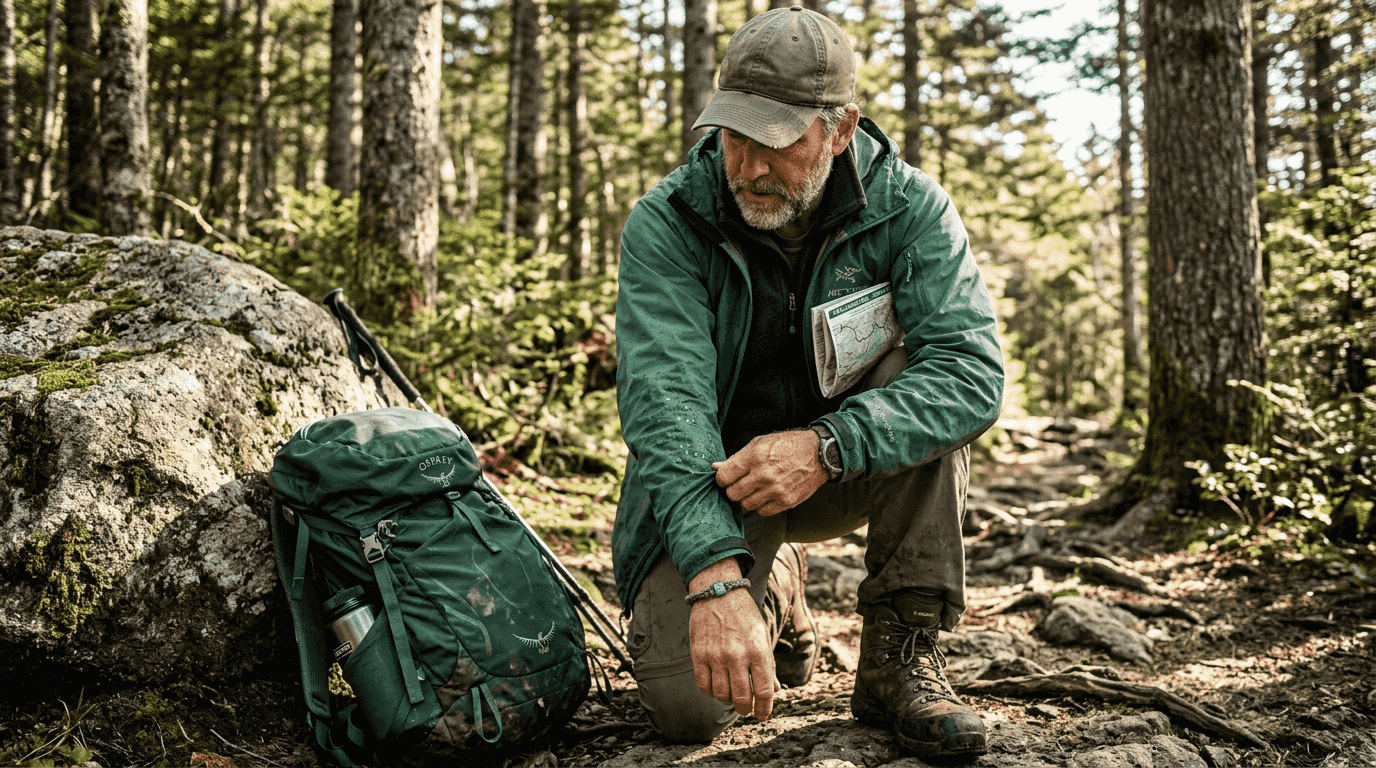
You probably assume that brand reputation or sleek design defines great outdoor clothing. In reality, fabric technology determines whether your jacket keeps you dry, your shirt stays fresh after hours of activity, or your pants last through years of wear. Most people overlook this fundamental truth: the textile itself shapes comfort, durability, and environmental impact far more than any logo ever could. Understanding fabric properties empowers you to make smarter choices that align with your active lifestyle and values.
Table of Contents
Key takeaways
Point | Details |
Fabric drives performance | Breathability, moisture management, and weather resistance depend entirely on textile choice. |
Innovation enhances convenience | Modern fabrics offer odor resistance, stain repellency, and easy care for busy lifestyles. |
Sustainability matters | Eco-friendly textiles reduce environmental footprint while maintaining durability and function. |
Proper care extends life | Following fabric-specific maintenance routines preserves performance and garment longevity. |
Style meets function | Technical fabrics now deliver fashion-forward aesthetics without sacrificing performance. |
The role of fabric in outdoor clothing performance
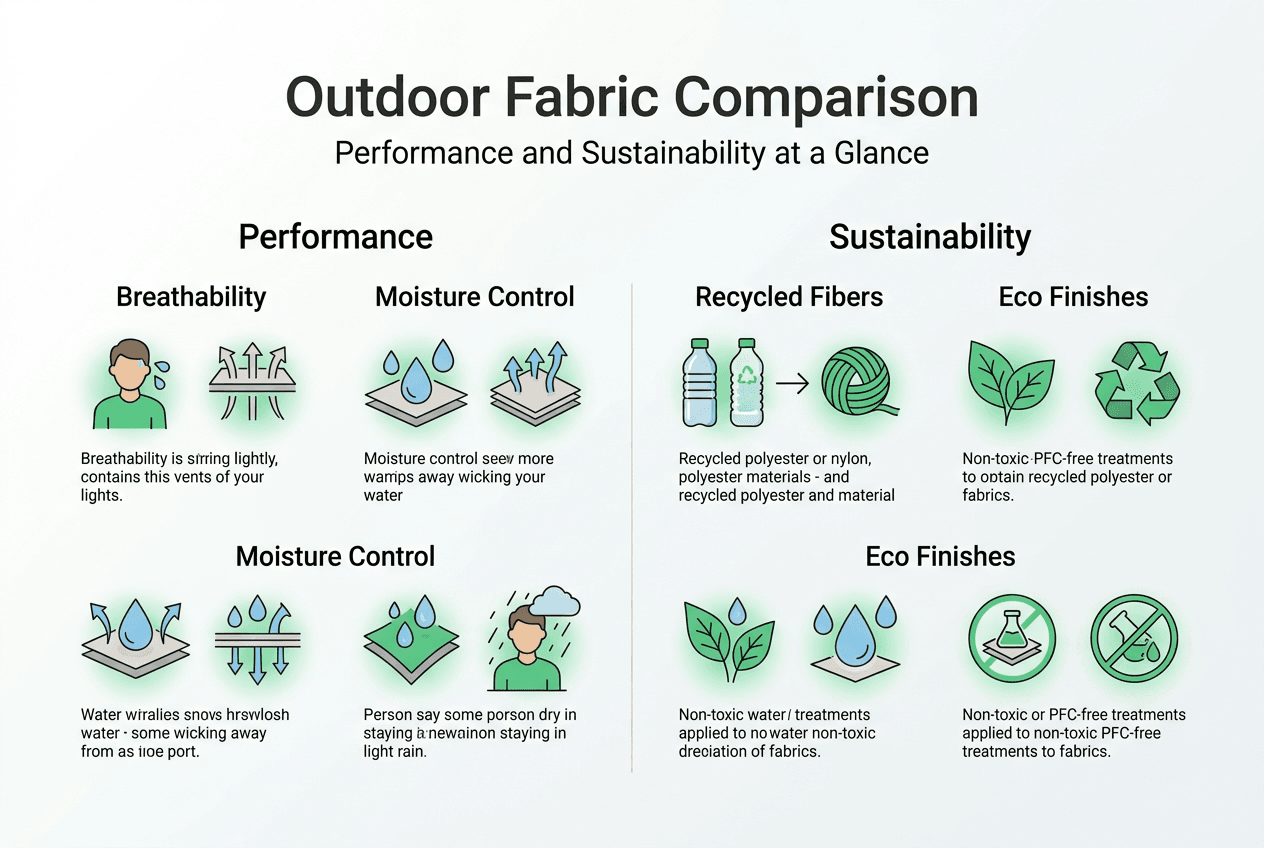
Fabric properties directly influence how well your outdoor clothing performs during physical activity. Breathability allows water vapor from sweat to escape through the textile, preventing that clammy, overheated feeling during hikes or runs. Without adequate breathability, moisture gets trapped against your skin, causing discomfort and potential chafing.
Moisture-wicking fabrics actively pull sweat away from your body to the garment’s outer surface, where it evaporates quickly. This mechanism keeps you dry and comfortable even during intense exertion. Performance pants demonstrate how breathability and moisture-wicking fabrics keep wearers dry and comfortable during physical activity, transforming your experience in challenging conditions.
Water-repellent fabrics create a protective barrier against rain and wind while maintaining breathability. This dual functionality prevents external moisture from soaking through while still allowing internal moisture to escape. The balance between weather protection and vapor permeability defines quality outdoor textiles.
Durability separates premium fabrics from cheap alternatives. High-quality textiles resist abrasion from backpack straps, tears from branches, and degradation from UV exposure. Durable fabrics maintain their performance characteristics through hundreds of wear cycles, making them cost-effective despite higher initial prices.
Pro Tip: Test fabric breathability by holding it against your mouth and breathing through it. If air passes easily, the fabric offers good breathability for active use.
Key performance factors to evaluate:
Breathability rating measured in grams per square meter per 24 hours
Moisture-wicking speed and capacity for your activity level
Water column pressure rating for weather protection needs
Abrasion resistance for durability in your specific outdoor activities
Stretch and recovery properties for freedom of movement
Innovative fabric technologies and sustainability in 2026
The textile industry has revolutionized outdoor clothing through breakthrough innovations that balance performance with environmental responsibility. Recycled polyester now matches virgin polyester in durability while diverting plastic waste from landfills. Biodegradable fabrics break down naturally at end of life, eliminating persistent microplastic pollution.
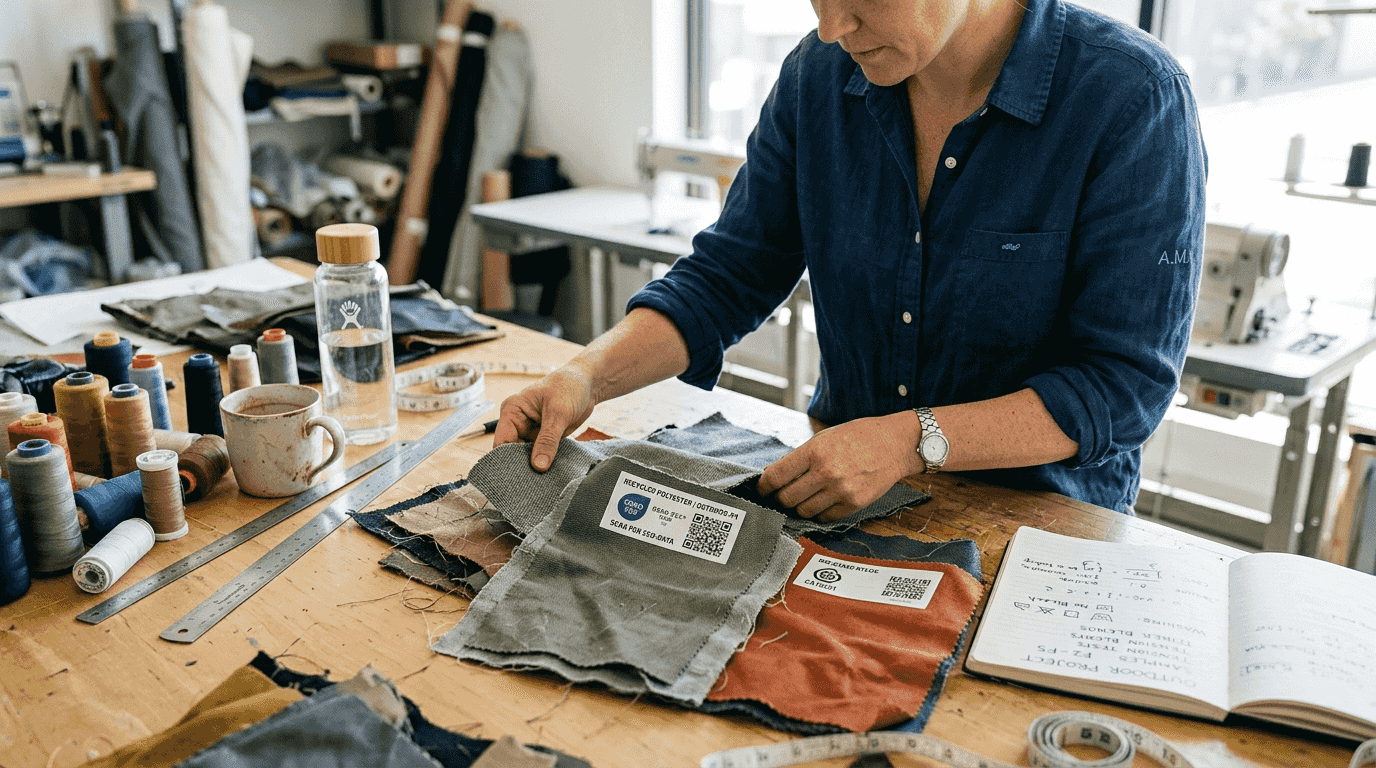
Water-repellent coatings have evolved beyond harmful perfluorinated chemicals. Modern durable water repellent treatments use plant-based or fluorine-free formulations that protect against moisture without environmental toxicity. These sustainable textiles reduce environmental footprint while maintaining high performance, proving eco-consciousness doesn’t require compromise.
Synthetic fabrics excel in moisture management and quick drying, making them ideal for high-intensity activities. Natural fibers like merino wool offer superior odor resistance and temperature regulation. Blended fabrics combine the best properties of both categories, creating versatile textiles for varied conditions.
Pro Tip: Look for certifications like bluesign or OEKO-TEX when shopping for sustainable outdoor clothing. These verify reduced chemical use and safer manufacturing processes.
Fabric innovations shaping 2026:
Bio-based polyester derived from plant sugars instead of petroleum
Mechanical recycling systems that preserve fiber quality through multiple lifecycles
Graphene-enhanced textiles for improved thermal regulation and durability
Seaweed and algae-based fibers offering natural odor resistance
Closed-loop manufacturing systems that recycle production waste
Fabric Type | Sustainability Score | Performance Strengths | Best Use Cases |
Recycled Polyester | High | Moisture-wicking, durability | Active layers, performance jackets |
Organic Cotton Blends | Medium | Breathability, comfort | Casual outdoor wear, base layers |
Merino Wool | Medium-High | Odor resistance, temperature regulation | Multi-day trips, cold weather |
Bio-based Nylon | High | Strength, abrasion resistance | Pants, high-wear areas |
Recycled Down | High | Insulation, compressibility | Performance jackets, cold weather |
Choosing and caring for technical fabrics to maximize convenience and longevity
Selecting the right fabric starts with honestly assessing your activity patterns and maintenance preferences. High-intensity activities demand fabrics with superior moisture management and quick-dry properties. Casual outdoor use prioritizes comfort and easy care over extreme performance specifications.
Proper care of technical fabrics significantly extends outdoor garment lifespan and maintains function. Each fabric type requires specific maintenance approaches to preserve its engineered properties. Ignoring care instructions degrades performance features and shortens usable life.
Follow these care steps for technical outdoor fabrics:
Check garment labels for specific temperature and detergent recommendations before first wash.
Close all zippers and fasten velcro to prevent snagging during washing cycles.
Use technical fabric detergents that clean without leaving residue or damaging treatments.
Wash in cold or warm water on gentle cycles to minimize fiber stress and energy use.
Skip fabric softeners entirely as they coat fibers and reduce breathability and moisture-wicking.
Air dry when possible or use low heat settings to preserve elastic properties and coatings.
Reapply durable water repellent treatments annually or when water no longer beads on surface.
Store clean and completely dry in cool, dark places away from direct sunlight.
Pro Tip: Wash outdoor clothing inside out to reduce exterior abrasion and preserve water-repellent coatings longer.
Fabric Category | Wash Frequency | Special Care Needs | Expected Lifespan |
Synthetic Performance | After 2-3 wears | Technical detergent, no softener | 3-5 years |
Merino Wool Blends | After 5-7 wears | Wool-specific detergent, air dry | 4-6 years |
Water-Repellent Shells | When visibly dirty | Reapply DWR treatment yearly | 5-7 years |
Insulated Layers | 1-2 times per season | Front-load washer only, low heat dry | 7-10 years |
Cotton Blends | After each wear | Standard detergent acceptable | 2-4 years |
Common mistakes that destroy fabric performance include using hot water on synthetic fabrics, which can melt fibers and set stains. Overdrying in high heat damages elastic components and shrinks garments. Storing damp clothing promotes mildew growth that permanently degrades textiles. Ignoring manufacturer guidelines voids warranties and accelerates wear.
Balancing style, performance, and sustainability in outdoor clothing
Modern outdoor clothing eliminates the false choice between looking good and performing well. Fashion-forward fabrics now incorporate technical features seamlessly into designs that work in both wilderness and urban settings. You no longer sacrifice style for function or vice versa.
Odor-resistant fabrics using silver ions or natural antimicrobial properties keep you fresh through long days without constant laundering. Stain-repellent treatments prevent spills and dirt from setting, maintaining a polished appearance with minimal effort. These convenience features reduce washing frequency, extending garment life while saving water and energy.
Innovative fabrics now combine water repellency, stretch, and odor resistance without compromising style. Four-way stretch textiles move with your body while maintaining crisp, professional aesthetics. Technical fabrics drape naturally and hold their shape, eliminating the stiff, synthetic look of early performance wear.
Sustainable choices increasingly align with both performance needs and design preferences. Recycled fabrics now match virgin materials in hand feel and appearance while reducing environmental impact. Plant-based textiles offer unique textures and colors that stand out from conventional options.
Considerations when selecting stylish, sustainable outdoor clothing:
Versatility across activities and settings maximizes wear frequency and value
Neutral colors and classic cuts extend style longevity beyond seasonal trends
Multi-functional features reduce total garment count needed in your wardrobe
Transparent supply chains verify sustainability claims beyond marketing language
Repair programs and warranties indicate manufacturer commitment to longevity
Timeless designs ensure you’ll actually wear the garment for years
The intersection of style, performance, and sustainability represents outdoor clothing’s future. Brands investing in fabric innovation deliver garments that perform technically while looking sharp and minimizing environmental harm. Your purchasing decisions drive industry evolution toward better textiles and practices.
Explore labfresh’s innovative fabric collections
Now that you understand why fabric choice matters, explore clothing that embodies these principles. LABFRESH specializes in innovative textiles that deliver real-world performance for active, style-conscious individuals. The brand’s shirts feature odor-resistant, stain-repellent fabrics that stay fresh and clean through demanding days.
The performance pants collection combines four-way stretch with water repellency and breathability, adapting seamlessly from outdoor adventures to professional settings. Technical outerwear like the performance jacket balances weather protection with sustainability, using eco-friendly materials without sacrificing function. Every garment reflects LABFRESH’s commitment to fabric technology that simplifies your busy lifestyle while reducing environmental impact.
Frequently asked questions
What fabrics are best for outdoor activities?
Breathable synthetics like polyester blends excel in moisture management, pulling sweat away from skin and drying quickly during high-intensity activities. Water-repellent fabrics protect against rain and wind while maintaining vapor permeability, keeping you dry from both external weather and internal perspiration. Sustainable options include recycled polyester and organic cotton blends that match conventional fabric performance while reducing environmental footprint. Choose fabrics based on your specific activity intensity, weather conditions, and personal values around sustainability.
How do I care for technical outdoor fabrics?
Use gentle wash cycles with cold or warm water and technical fabric detergents that clean without leaving residue. Avoid fabric softeners entirely as they coat fibers and destroy moisture-wicking and breathability properties. Air dry when possible or use low heat settings to preserve elastic components and protective treatments. Follow garment label instructions carefully, as different fabric technologies require specific care approaches to maintain their engineered performance features.
Are sustainable fabrics as durable as traditional ones?
Modern sustainable fabrics match or exceed traditional fabric durability through advanced manufacturing processes and quality materials. Innovations in recycling technology now preserve fiber strength through multiple lifecycles without degradation. Choosing eco-friendly options supports continued fabric advances and industry evolution toward better environmental practices. Many sustainable fabrics actually outlast conventional alternatives because manufacturers focus on longevity to maximize environmental benefits over the garment’s lifetime.
How often should I wash outdoor clothing?
Wash frequency depends on fabric type and activity intensity, but overwashing degrades performance faster than underwashing. Synthetic performance fabrics typically need washing after two to three wears, while merino wool’s natural odor resistance allows five to seven wears between washes. Spot clean minor dirt rather than washing entire garments unnecessarily. Air out clothing after each use to refresh without water, extending time between full wash cycles and preserving fabric treatments.
What makes a fabric truly sustainable?
True sustainability encompasses the entire lifecycle from raw material sourcing through manufacturing, use, and end-of-life disposal. Look for fabrics made from recycled content, renewable resources, or biodegradable materials with third-party certifications verifying claims. Consider water and energy use during production, chemical treatments applied, and whether the manufacturer takes back worn garments for recycling. Durability matters most because the longest-lasting garment always has the lowest environmental impact per wear, regardless of material origin.
Recommended
Comments