What Is Performance Wear and Why It Matters
- Leroy Hughes

- Feb 12
- 7 min read

Balancing a demanding work schedule with spontaneous gym sessions or weekend adventures is a reality for many European professionals. The search for performance wear often leads to confusion, as myths persist about its exclusivity and purpose. This article uncovers what defines truly sophisticated performance wear, debunks common misconceptions, and reveals how fabric innovations deliver comfort and sustainability without sacrificing style or easy care.
Table of Contents
Key Takeaways
Point | Details |
Performance Wear Benefits | Performance wear enhances physical performance through advanced fabric technologies that manage moisture, regulate temperature, and support muscle recovery. |
Broad Applicability | Performance wear is designed for not only athletes but also urban professionals and outdoor enthusiasts, making it versatile for various lifestyles. |
Innovative Fabric Technologies | Key innovations include nano-fiber textiles and thermoregulating fabrics that improve durability and comfort while enabling dynamic responses to environmental changes. |
Sustainability Focus | Emphasis on sustainable materials and practices in performance wear manufacturing is crucial for reducing environmental impact and promoting eco-friendly consumption. |
Defining Performance Wear and Common Myths
Performance wear represents a sophisticated category of apparel designed to optimize human physical performance across multiple environments and activities. Unlike traditional clothing, these garments are engineered with advanced fabric technologies that respond dynamically to body movements, temperature changes, and physiological demands.
Sportswear, scientifically defined as performance wear, goes far beyond simple athletic clothing. It encompasses a comprehensive approach to functional design that addresses specific physiological requirements for active users. The core objectives of performance wear include:
Moisture management through advanced fabric technologies
Temperature regulation and thermal comfort
Enhanced mobility and reduced muscle fatigue
Improved breathability and sweat-wicking capabilities
Durability under intense physical conditions
Contrary to popular misconceptions, performance wear is not exclusively reserved for professional athletes. Modern performance clothing has evolved to serve diverse demographics, from urban professionals managing active lifestyles to outdoor enthusiasts seeking reliable, adaptable apparel. Critical examinations of performance wear myths reveal that consumer attitudes often misunderstand the practical benefits and technological innovations behind these garments.
Key myths surrounding performance wear include the belief that such clothing is prohibitively expensive, only useful for extreme sports, or purely cosmetic. In reality, performance wear represents a sophisticated intersection of materials science, ergonomic design, and practical functionality. The technologies embedded in these garments can provide tangible benefits like reduced muscle strain, improved thermal regulation, and enhanced overall comfort.
Pro tip: When selecting performance wear, prioritize fabric technology and fit over brand name or aesthetic appeal, focusing on garments that genuinely address your specific physical activities and environmental needs.
Key Fabric Technologies and Innovations
The world of performance wear has undergone a remarkable transformation, driven by groundbreaking fabric technologies that push the boundaries of what clothing can achieve. Modern textiles are no longer passive layers but active systems designed to enhance human performance, comfort, and environmental adaptability.
Recent developments in sports textiles have revolutionized how we think about clothing, focusing on advanced materials that interact dynamically with the human body. Key innovations include:
Moisture-wicking nanotechnologies
Thermoregulating fabric architectures
Embedded sensor technologies
Sustainable and biodegradable fiber compositions
Adaptive compression materials
Smart fabric technologies represent a significant leap forward in performance wear. Cutting-edge fabric advancements now incorporate sophisticated features like temperature-responsive sensors, nano-fiber structures, and eco-friendly manufacturing processes. These innovations enable garments to actively respond to physiological changes, providing unprecedented levels of comfort and performance optimization.
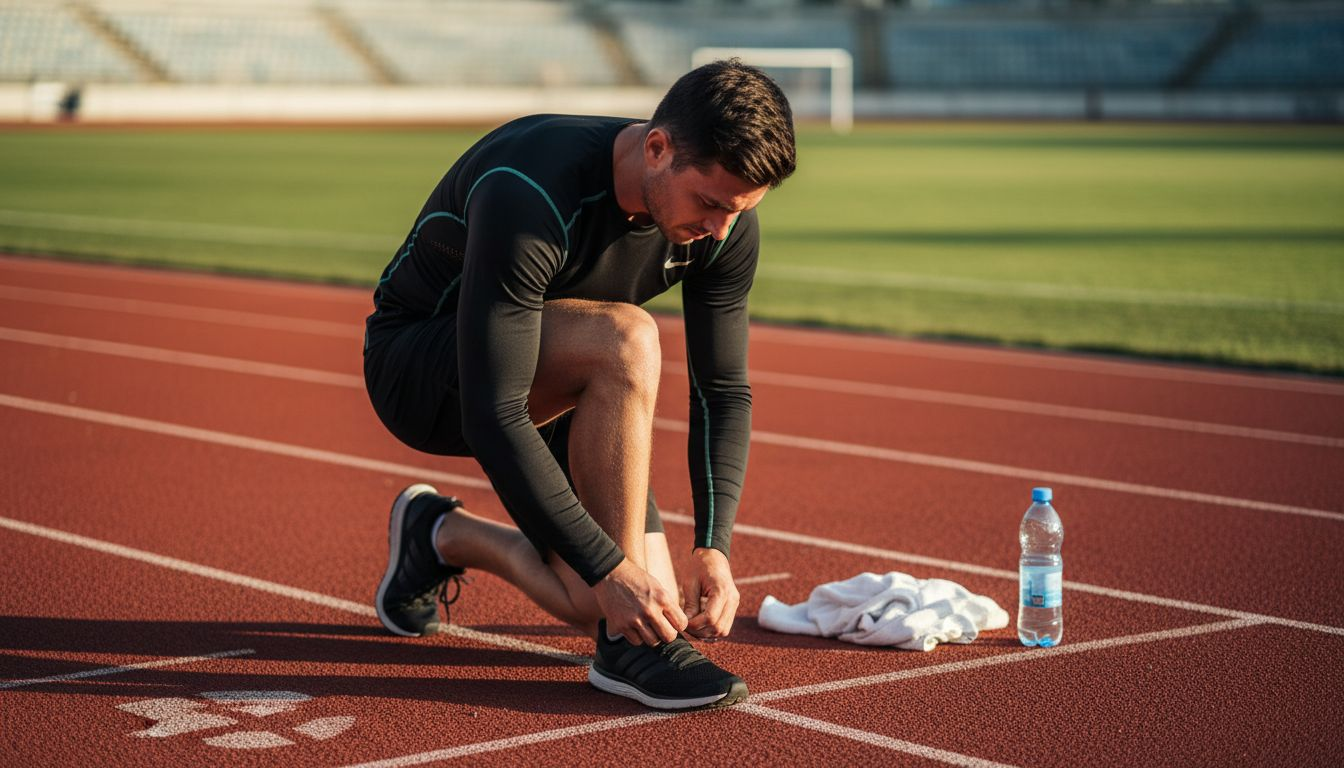
The emergence of nano-fiber textiles has particularly transformed performance wear. These microscopic fibers offer extraordinary capabilities: enhanced durability, superior water resistance, improved flexibility, and unprecedented lightweight construction. By manipulating fabric at the molecular level, manufacturers can now create garments that provide targeted support, regulate body temperature, and adapt to various environmental conditions with remarkable precision.
Here is a summary comparing the main fabric technologies used in performance wear:
Technology Type | Primary Function | Business Impact |
Nano-fiber Textiles | Lightweight, durable support | Enables high-performance gear |
Thermoregulating Fabrics | Active temperature management | Boosts comfort in changing climates |
Sustainable Fibers | Eco-friendly, biodegradable | Enhances brand sustainability |
Embedded Sensors | Biometric tracking, feedback | Creates wearable smart products |
Pro tip: When evaluating performance wear, examine the specific fabric technologies used rather than focusing solely on brand reputation or aesthetic design.
Main Types and Everyday Applications
Performance wear has evolved far beyond traditional athletic clothing, transforming into a versatile category of apparel that serves multiple lifestyle needs. Sports textiles now encompass a comprehensive range of products designed to meet diverse physiological and environmental demands across various activities.
The primary types of performance wear include:
Athletic Performance Gear
Running and cycling jerseys
High-intensity training shorts
Marathon and endurance competition wear
Compression Sportswear
Muscle support clothing
Recovery garments
Joint stabilization apparel
Outdoor and Adventure Wear
Hiking and trekking layers
Water-resistant jackets
Thermal insulation clothing
Professional and Urban Performance Wear
Business casual technical shirts
Wrinkle-resistant travel clothing
Temperature-regulating office wear
Compression sportswear has become particularly prominent in both athletic and everyday contexts. These specialized garments provide targeted muscle support, enhance blood circulation, and accelerate recovery processes. Originally developed for professional athletes, compression wear has now transitioned into mainstream fashion and lifestyle applications.
Modern performance wear bridges the gap between functionality and style, offering urban professionals and active individuals clothing that adapts to dynamic environments. Whether you’re commuting to work, attending a fitness class, or exploring outdoor trails, performance wear provides technological solutions that enhance comfort, mobility, and overall physical performance.
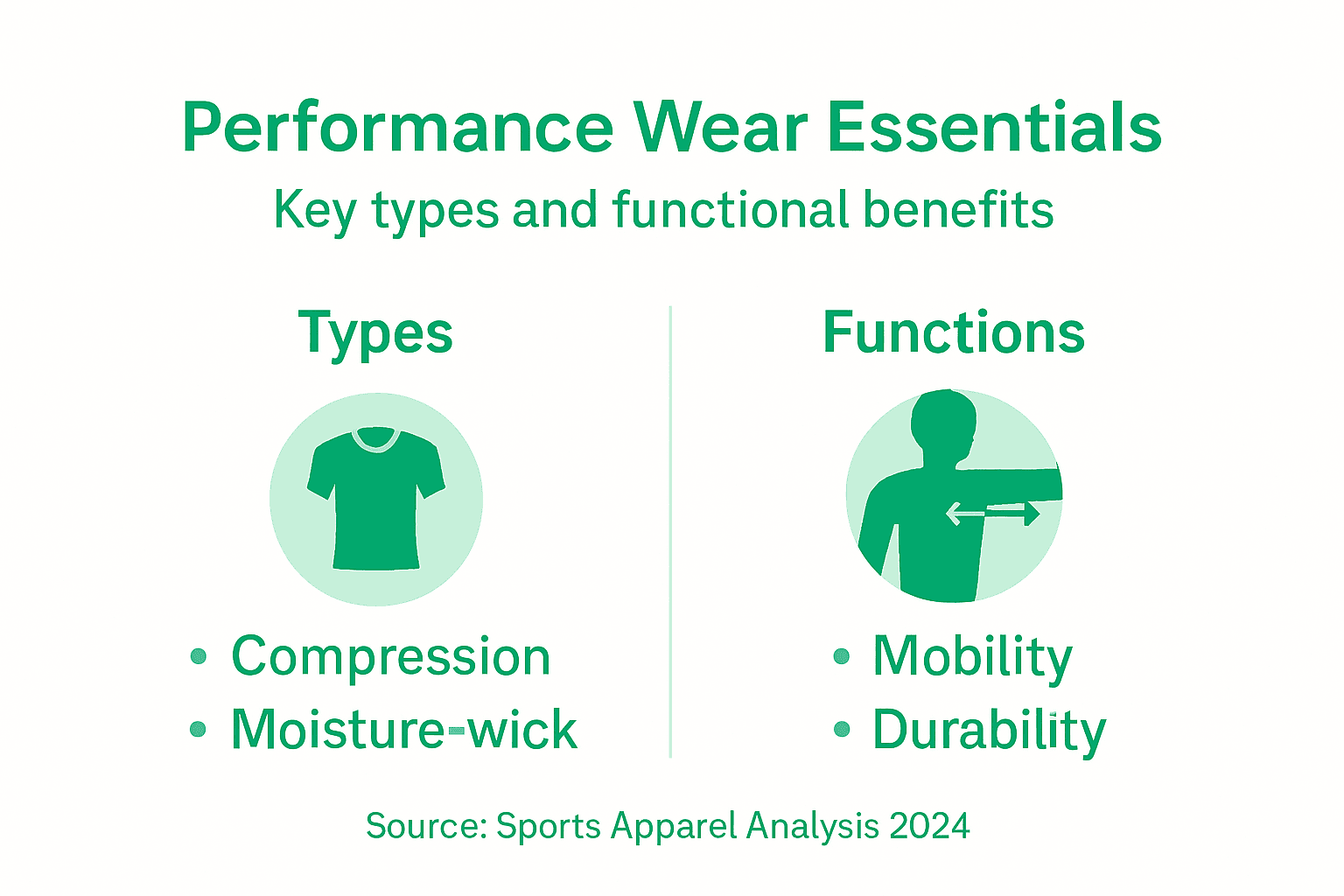
This comparison highlights performance wear applications across lifestyle categories:
Lifestyle Segment | Typical Uses | Desired Outcomes |
Athletics | Running, cycling, competition | Improved muscle efficiency |
Urban Professionals | Office, travel, commuting | Comfort, climate adaptability |
Outdoor Enthusiasts | Hiking, trekking, adventure | Protection, durability |
Everyday Consumers | Casual wear, recovery, errands | Convenience, versatile wardrobe |
Pro tip: Invest in versatile performance wear pieces that can transition seamlessly between different activities, maximizing both functionality and wardrobe efficiency.
Benefits for Active, Modern Lifestyles
Performance wear has emerged as a critical solution for modern professionals navigating complex, high-performance environments. Performance wear enhances thermoregulation and exercise performance through innovative fabric technologies that adapt to dynamic physiological demands and environmental challenges.
The key benefits for active lifestyles include:
Physical Performance Optimization
Improved muscle support and recovery
Enhanced range of motion
Reduced physical fatigue
Physiological Comfort
Advanced moisture management
Temperature regulation
Breathable microclimate control
Lifestyle Adaptability
Seamless transition between activities
Versatile wardrobe functionality
Minimalist, multi-purpose design
Health and Wellness Tracking
Biometric monitoring capabilities
Real-time performance insights
Personalized fitness data
Wearable technologies integrated into performance wear provide unprecedented insights into personal health and fitness. These smart garments enable users to track biometric data, optimize training routines, and make informed decisions about physical performance and recovery strategies.
Modern performance wear transcends traditional clothing boundaries, offering urban professionals a sophisticated approach to managing physical demands. By combining cutting-edge fabric technologies with intelligent design, these garments support individuals in maintaining peak performance across professional, athletic, and personal domains.
Pro tip: Select performance wear that offers multi-functional benefits, prioritizing adaptability and technological integration to maximize your lifestyle efficiency.
Sustainability, Durability, and Maintenance
Sustainability in performance wear represents a complex ecosystem of design, material selection, and user interaction. Performance swimwear sustainability challenges highlight critical environmental considerations inherent in modern textile production, emphasizing the need for innovative approaches to reduce ecological impact.
Key strategies for sustainable performance wear include:
Material Selection
Recycled synthetic fibers
Biodegradable fabric technologies
Low-impact manufacturing processes
Extended Product Lifecycle
Modular design for easy repairs
Multi-functional garment capabilities
Adaptable clothing construction
Waste Reduction Techniques
Upcycling programs
Repair and restoration services
Circular economy design principles
Consumer Education
Proper garment care instructions
Maintenance and cleaning guidance
Long-term wear preservation techniques
Garment durability plays a crucial role in sustainability efforts, transforming clothing from disposable products to long-lasting investments. By emphasizing emotional durability, manufacturers can create performance wear that maintains aesthetic and functional qualities over extended periods, ultimately reducing waste and environmental strain.
Modern performance wear brands are increasingly adopting holistic sustainability approaches that integrate environmental consciousness with technological innovation. These strategies encompass not just material selection, but also production processes, consumer education, and end-of-life product management, creating a comprehensive framework for responsible clothing design.
Pro tip: Invest in performance wear from brands demonstrating transparent sustainability practices, prioritizing garments designed for longevity and minimal environmental impact.
Discover Performance Wear That Works as Hard as You Do
Understanding the true purpose of performance wear means finding clothing designed to optimize your comfort, mobility, and durability throughout your active day. This article highlights important fabric technologies and practical benefits that match your need for adaptable, low-maintenance apparel capable of managing moisture, temperature, and muscle support. If you want functional clothing that fits your dynamic lifestyle without compromise on style or sustainability explore The Perfect Performance Shirts | LABFRESH and The Smartest T-shirts | LABFRESH.
Take the next step toward elevating your wardrobe with clothing engineered to reduce odor and stains while promoting lasting freshness. Visit LABFRESH today to experience innovative fabric technologies like FreshCore™ and Seawool that make performance wear practical and stylish for modern life. Choose apparel designed for performance, sustainability, and effortless care now.
Frequently Asked Questions
What defines performance wear?
Performance wear is specialized apparel designed to enhance physical performance through advanced fabric technologies. It focuses on moisture management, temperature regulation, breathability, and overall comfort for various activities.
Is performance wear only for professional athletes?
No, performance wear is suitable for a wide range of individuals, including urban professionals and outdoor enthusiasts, not just professional athletes. It caters to anyone with an active lifestyle.
What are the main benefits of wearing performance wear?
Key benefits of performance wear include improved muscle support, reduced fatigue, enhanced mobility, advanced moisture management, and temperature regulation, making it ideal for both athletic and everyday use.
What types of activities can performance wear be used for?
Performance wear is versatile and can be used for various activities, including running, cycling, hiking, high-intensity training, office wear, and casual outings, adapting to different lifestyles and environments.
Recommended
Comments