What is moisture-wicking? 30% drier comfort for pros in 2026
- Leroy Hughes

- Mar 5
- 11 min read

You’re rushing between meetings, your shirt feels damp, and you’re wondering why your supposedly high-tech fabric isn’t performing. Here’s the reality: moisture-wicking fabrics reduce skin moisture by up to 30% compared to cotton, but only when you understand how they work and choose the right technology. This guide explains the science behind moisture-wicking apparel, clarifies common misconceptions, and shows you how to select sustainable, durable clothing that keeps you comfortable and confident throughout your demanding professional day.
Table of Contents
Key takeaways
Point | Details |
Capillary action speeds drying | Wicking fabrics dry moisture about 4 times faster than cotton due to microfiber structure spreading moisture across larger surface areas. |
Comfort through moisture reduction | 30% reduction in skin moisture enhances comfort, reduces irritation, and supports odor control for busy professionals. |
Sustainability meets performance | Recycled polyester reduces energy use by 20-30% and tech fabrics cut washing frequency by 25%. |
Performance has limits | Effectiveness can drop 40% in high humidity and heavy sweating conditions. |
Durability outperforms cotton | Synthetic wicking fabrics maintain integrity after 50 wash cycles versus cotton showing wear after 20 washes. |
Understanding moisture-wicking technology: how it works
Moisture-wicking isn’t magic. It’s physics applied to fabric engineering. The technology relies on capillary action, the same principle that allows water to climb up a paper towel.
Synthetic microfibers in wicking fabrics create thousands of tiny channels between fibers. When sweat contacts your skin, these channels pull moisture away through capillary action, moving it from areas of high concentration (your skin) to low concentration (the fabric’s outer surface). Think of it like a highway system for sweat, each microfiber acting as a lane directing moisture outward.
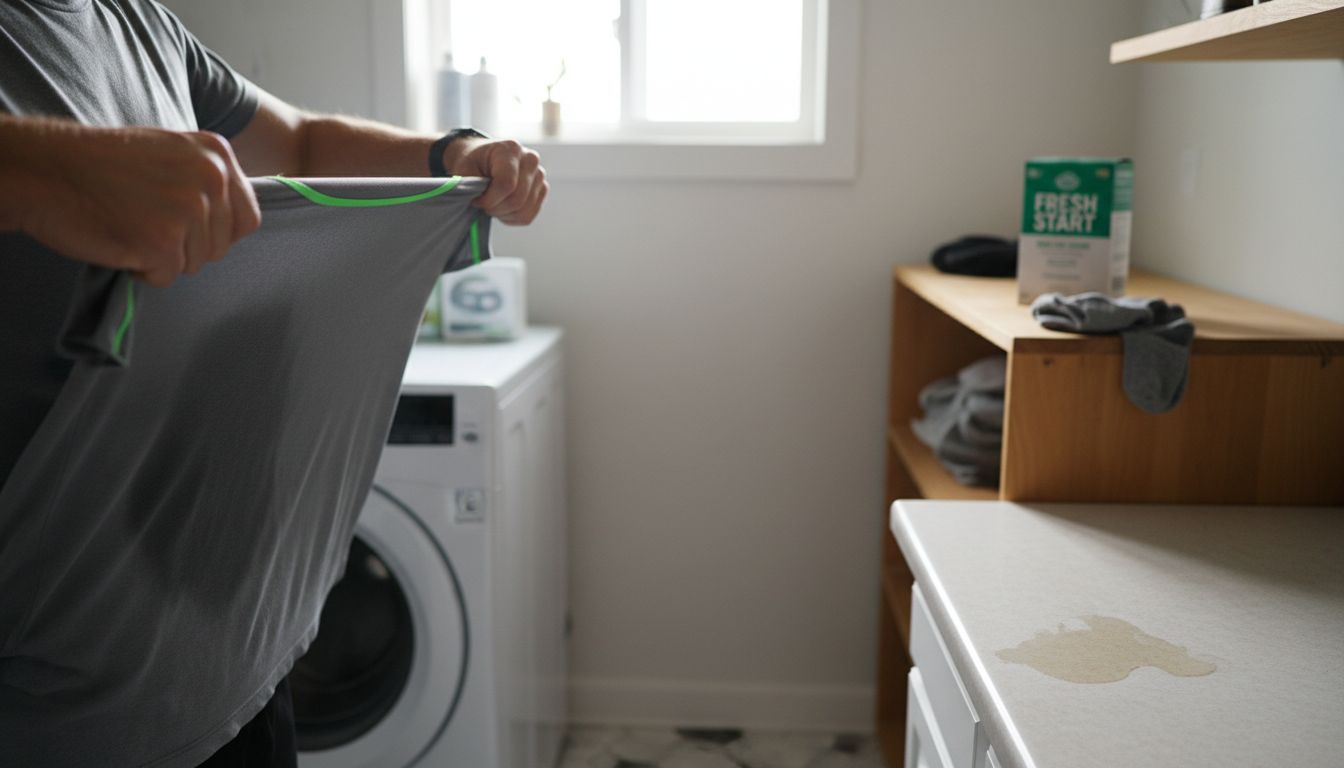
Once moisture reaches the fabric’s outer surface, the real advantage appears. The fabric spreads sweat across a dramatically larger surface area compared to cotton. This increased surface exposure accelerates evaporation. Research on moisture-wicking fabric performance confirms that wicking fabrics dry moisture about 4 times faster than cotton due to this combined microfiber structure and expanded evaporation surface.
The fabric construction matters enormously. Manufacturers engineer specific fiber types and weaving patterns to optimize wicking:
Synthetic microfibers: Polyester and nylon fibers with diameters thinner than human hair create more capillary channels per square inch.
Hydrophobic cores: Fiber centers repel water, pushing moisture outward rather than absorbing it.
Hydrophilic surfaces: Outer fiber surfaces attract moisture, pulling sweat through the capillary system.
Engineered weaves: Specific knit or weave patterns create directional moisture pathways from skin to air.
Cotton operates differently. It absorbs moisture into the fiber itself, holding water like a sponge. This keeps fabric heavy and damp against your skin. Synthetic wicking fabrics transport moisture instead of storing it, which explains why your cotton dress shirt feels soaked while a performance fabric stays noticeably drier.
Pro Tip: Check fabric labels for polyester or nylon content above 80%. Blends with significant cotton content compromise wicking performance because cotton’s absorption works against synthetic transportation.
Benefits of moisture-wicking apparel for busy professionals
Your morning presentation runs long, lunch involves a quick walk across town, and afternoon meetings stretch into evening. Moisture-wicking apparel adapts to these demands in ways cotton simply can’t match.
The comfort difference starts at skin level. By moving sweat away from your body, wicking fabrics reduce skin moisture by up to 30%. This reduction minimizes the clammy feeling that distracts you during important conversations. Lower skin moisture also decreases friction and irritation, preventing the chafing that can occur during active days.
Appearance matters in professional settings. Cotton shirts show visible sweat marks within minutes of moisture contact. Moisture-wicking fabrics spread perspiration so thinly across the surface that evaporation occurs before visible marks form. You maintain a crisp, polished look from your morning coffee through evening networking events.
Odor control connects directly to moisture management. Bacteria thrive in moist environments, and their metabolic processes create the compounds we recognize as body odor. By keeping your skin and clothing drier, wicking fabrics reduce bacterial growth environments. When combined with antimicrobial treatments, moisture-wicking apparel can keep you fresher between washes.
Consider these practical advantages for busy professionals:
Temperature regulation: Drier skin feels cooler because evaporation creates a cooling effect directly on fabric surfaces rather than your body.
Reduced washing frequency: Less moisture retention means less bacterial growth, extending time between necessary washes.
Travel convenience: Quick-drying properties mean you can hand wash garments in hotel sinks and have them ready by morning.
Multi-climate performance: From heated offices to air-conditioned conference rooms, wicking fabrics adapt faster than cotton to temperature changes.
Pro Tip: Layer moisture-wicking base layers under dress shirts for maximum comfort. The base layer handles sweat transport while your outer shirt maintains professional appearance.
Sustainability in moisture-wicking fabrics
Performance and environmental responsibility aren’t mutually exclusive. Modern moisture-wicking fabrics increasingly incorporate sustainable materials and production methods without sacrificing functionality.
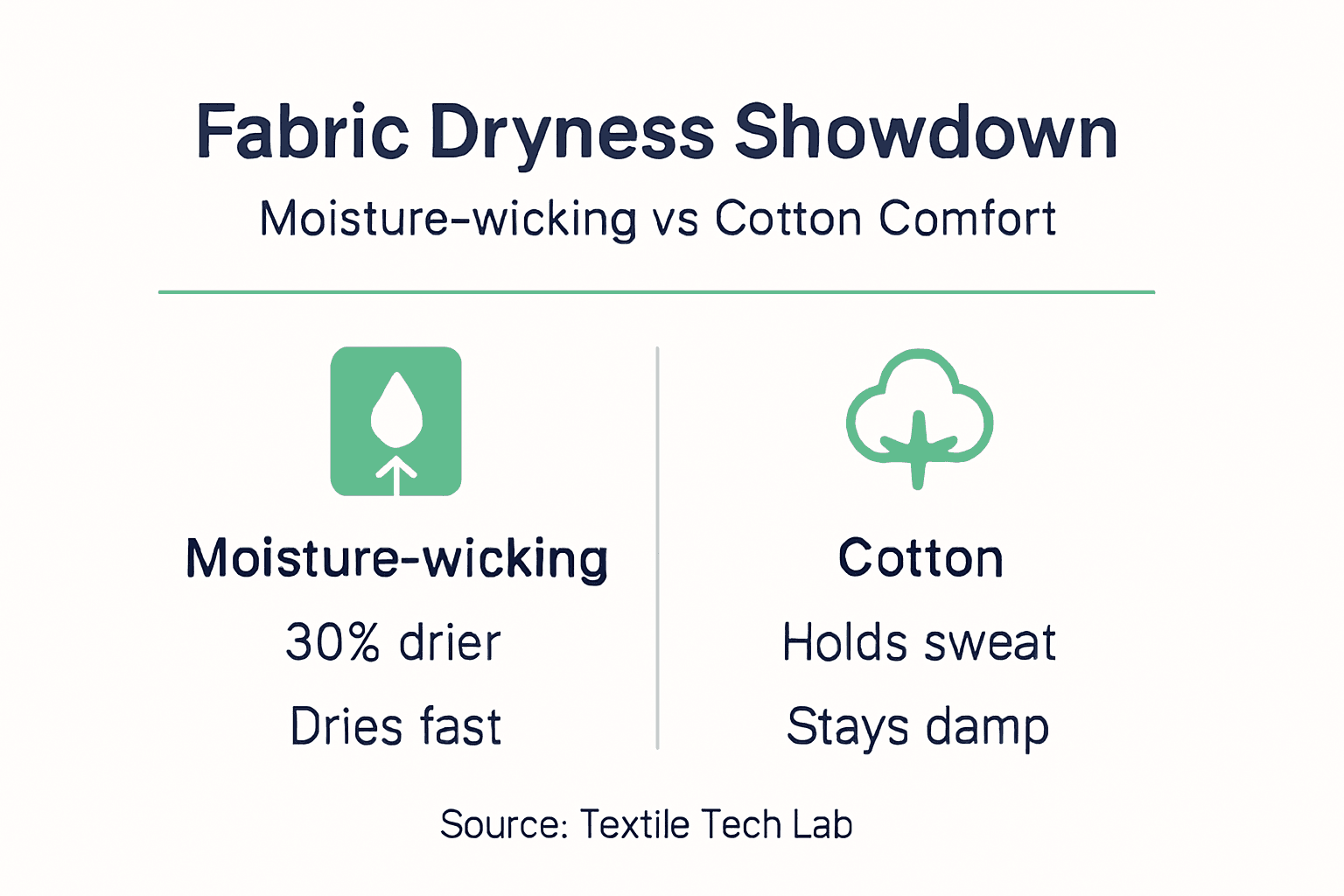
Recycled polyester leads sustainable innovations in wicking fabrics. Manufacturers convert post-consumer plastic bottles into polyester fibers with identical moisture-wicking properties to virgin materials. Recycled polyester reduces energy use by 20-30% compared to virgin polyester production. This energy savings translates to lower carbon emissions and reduced dependence on petroleum-based raw materials.
The sustainability benefits extend beyond initial production. Moisture-wicking fabrics with odor and stain-resistant treatments require less frequent washing. Industry data shows tech fabrics reduce washing frequency by 25% compared to cotton equivalents. Each avoided wash cycle saves water, energy, and detergent while reducing microfiber release into water systems.
Durability amplifies environmental benefits over garment lifecycles. A shirt that lasts three years instead of one effectively triples your cost per wear investment while cutting replacement waste by 66%. Quality moisture-wicking fabrics resist the degradation that makes cotton garments look worn after moderate use.
Key sustainability features to prioritize:
Certified recycled content: Look for Global Recycled Standard or similar certifications verifying recycled material claims.
Oeko-Tex certification: Ensures fabrics meet strict standards for harmful substances, protecting both you and production workers.
Durability engineering: Reinforced seams, colorfast dyes, and abrasion-resistant fibers extend usable life.
Care efficiency: Fabrics performing well at lower wash temperatures save energy with every laundry cycle.
Statistic spotlight: A single moisture-wicking shirt with odor resistance that you wear twice between washes saves approximately 26 wash cycles per year compared to daily-wash cotton alternatives, conserving roughly 520 gallons of water annually per garment.
Sustainable moisture-wicking represents a practical intersection of personal comfort and environmental stewardship. You’re not compromising performance for principles. You’re choosing fabrics engineered to deliver both.
Common misconceptions about moisture-wicking fabrics
Marketing claims and incomplete information create persistent myths about moisture-wicking apparel. Let’s correct the record so you can set realistic expectations.
Cotton is moisture-wicking because it absorbs sweat: Cotton absorbs moisture into fibers where it stays trapped against your skin. True wicking transports moisture away from skin to fabric surfaces for evaporation. Cotton’s absorption works opposite to wicking principles, which explains why cotton workout clothes feel heavy and damp while synthetics dry quickly.
All moisture-wicking fabrics work equally well in any conditions: Moisture-wicking fabrics’ effectiveness can drop as much as 40% in high humidity and heavy sweating. When ambient air already contains high moisture content, evaporation slows dramatically regardless of how efficiently fabric transports sweat. In extremely hot, humid conditions or during intense physical activity, even the best wicking fabrics struggle to keep pace with perspiration rates.
Moisture-wicking automatically means odor-resistant: Wicking reduces moisture that bacteria need, but it doesn’t eliminate bacterial growth entirely. Odor resistance requires separate antimicrobial treatments using silver ions, zinc compounds, or other technologies. Many basic wicking fabrics lack these treatments, meaning they’ll still develop odors faster than treated alternatives.
Synthetic wicking fabrics trap heat and feel uncomfortable: Quality wicking synthetics actually help regulate temperature by moving moisture away from skin, where evaporation creates cooling effects. The trapped heat reputation comes from poorly designed early synthetic fabrics with inadequate breathability. Modern engineered fabrics balance moisture transport with air permeability.
Wicking performance lasts forever: Fabric softeners, harsh detergents, and high heat can degrade wicking treatments over time. The microfiber structure remains, but surface treatments that enhance moisture transport may diminish with improper care. Following manufacturer care instructions maintains performance across hundreds of wear cycles.
Understanding these limitations helps you choose appropriate fabrics for specific situations and care for them properly. Moisture-wicking technology offers genuine advantages, but it’s not a universal solution for every scenario.
Combining moisture-wicking with odor and stain resistance
Moisture management alone addresses only part of the professional wardrobe equation. Combining wicking with odor and stain resistance creates truly low-maintenance, high-performance apparel.
FreshCore™ technology exemplifies this integration. The system combines moisture-wicking fibers with antimicrobial treatments that inhibit bacterial growth. Laboratory testing shows FreshCore™ provides 3x longer odor resistance compared to standard synthetic fabrics. You can wear shirts multiple times between washes without odor concerns, reducing laundry frequency and extending garment life.
Antimicrobial treatments work by disrupting bacterial cell functions. Silver ion technologies, for example, reduce bacteria growth by up to 90% on treated fabric surfaces. Fewer bacteria mean less odor production, even when fabrics retain small amounts of moisture. This protection remains effective through dozens of wash cycles when properly maintained.
Stain resistance complements moisture-wicking through different mechanisms. Fluoropolymer treatments or other technologies create barriers preventing liquids from penetrating fibers. Coffee spills, food splashes, and other common stains bead on fabric surfaces where you can blot them away before absorption occurs. Combined with moisture-wicking, this creates apparel that handles both perspiration and environmental challenges.
Consider how these technologies work together in real scenarios:
Situation | Moisture-Wicking Alone | Combined Technologies |
Morning commute sweat | Fabric dries quickly | Fabric dries quickly without developing odor |
Coffee spill at desk | Moisture spreads and dries | Liquid beads on surface for easy cleanup |
Full day wear | Comfortable but may smell by evening | Comfortable and fresh through extended wear |
Three-day business trip | Requires daily washing | Can wear twice, pack less |
The LABFRESH moisture-wicking shirts combine these technologies in garments designed specifically for demanding professional schedules. Their 4-way stretch shirt adds movement flexibility to moisture management and odor resistance.
Pro Tip: Test stain resistance when you first receive a garment by placing a water droplet on the fabric. It should bead up rather than absorb immediately, confirming the treatment is active.
Durability and care of moisture-wicking clothing
Your investment in quality moisture-wicking apparel pays dividends only if you maintain it properly and the fabric withstands regular use.
Synthetic moisture-wicking fabrics maintain color and structural integrity after 50 wash cycles, outperforming cotton that shows wear after 20 washes. This durability advantage stems from synthetic fibers’ resistance to dye bleeding, fiber breakdown, and shape distortion. Your moisture-wicking shirts look professional longer, reducing replacement frequency and overall wardrobe costs.
Proper care maximizes this durability potential. Follow these essential practices:
Skip fabric softener completely: Softeners coat fibers with waxy residues that block capillary channels, destroying wicking performance within a few washes.
Use mild detergent in appropriate amounts: Excess detergent leaves residue that similarly impairs moisture transport. Measure carefully rather than estimating.
Wash in cool or warm water: High temperatures can degrade antimicrobial and stain-resistant treatments faster than advertised.
Air dry when possible: Heat from dryers won’t destroy synthetic fibers but may accelerate treatment degradation over hundreds of cycles.
Avoid chlorine bleach: It breaks down synthetic fibers and treatments. Use oxygen-based alternatives for stain removal.
Storage matters too. Moisture-wicking garments resist mildew better than cotton, but storing damp clothing still creates problems. Ensure garments dry completely before hanging in closets. The quick-dry properties of wicking fabrics make this easy compared to cotton’s extended drying times.
When properly maintained, quality moisture-wicking apparel delivers years of reliable performance. A professional wardrobe of five moisture-wicking shirts rotating through your weekly schedule can outlast a dozen cotton alternatives while requiring less total washing, saving time, money, and environmental resources.
Choosing the right moisture-wicking apparel for your lifestyle
Not all moisture-wicking fabrics suit every situation. Your selection should align with your specific professional demands, climate, and values.
Start with fiber composition. Check labels for polyester or nylon content above 80% for serious moisture-wicking performance. Small amounts of elastane (typically 2-5%) add stretch and comfort without compromising moisture transport. Be cautious with cotton blends marketed as moisture-wicking. Once cotton content exceeds 30%, absorption begins dominating over transportation, reducing effectiveness.
Recycled content matters for sustainability-conscious professionals. Garments using recycled polyester deliver identical performance to virgin materials while supporting circular economy principles. Certifications like Global Recycled Standard verify recycled content claims, preventing greenwashing.
Patented technologies separate premium from basic moisture-wicking apparel. Look for specific antimicrobial and stain-resistant treatments rather than vague marketing language. FreshCore™, Polygiene, and similar named technologies indicate investment in verified performance rather than basic wicking fibers alone.
Fit affects both comfort and professional appearance. Moisture-wicking fabrics often include stretch, allowing closer fits without restriction. However, extremely tight fits can compress fabric against skin, reducing air gaps needed for optimal evaporation. Seek fits described as tailored or athletic rather than compression unless you specifically want the latter.
Consider these selection criteria:
Climate appropriateness: Lighter-weight wicking fabrics for warm climates, mid-weight for temperate regions, layering options for variable conditions.
Activity intensity: Higher-intensity professional activities (lots of walking, active presentations) benefit from maximum wicking performance, while desk-focused roles may prioritize appearance over extreme performance.
Care convenience: If you travel frequently, prioritize quick-dry fabrics and wrinkle resistance alongside moisture-wicking.
Longevity indicators: Reinforced seams, quality buttons, and substantial fabric weight suggest garments engineered for extended use.
Your wardrobe likely needs a range of options. Core professional pieces with maximum technology integration for demanding days, plus versatile basics for routine office work. Building gradually allows you to test performance in your specific circumstances before committing to complete wardrobe replacement.
Discover high-performance moisture-wicking apparel at LABFRESH
Now that you understand moisture-wicking technology, sustainability, and selection criteria, you can explore apparel engineered specifically for professionals who demand performance and style.
LABFRESH designs shirts and pants using recycled moisture-wicking fabrics enhanced with FreshCore™ technology for odor and stain resistance. Their garments handle the moisture management challenges of long professional days while maintaining the polished appearance your career demands. Each piece combines sustainable materials with durability engineering, creating apparel that performs reliably through years of regular use. Explore their shirts collection for moisture-wicking dress shirts and casual options, or check their performance pants for complete moisture-managing professional outfits. Experience how tech-driven sustainable apparel keeps you comfortable, confident, and fresh regardless of your schedule’s demands.
Frequently asked questions
What is the difference between moisture-wicking and breathable fabrics?
Moisture-wicking actively transports sweat away from your skin to fabric surfaces through capillary action in microfibers, where it evaporates quickly. Breathable fabrics simply allow air circulation through the weave, which helps with comfort but doesn’t actively move moisture. A fabric can be breathable without wicking, or vice versa, though the best performance apparel combines both properties for maximum comfort.
Can moisture-wicking fabrics be effective in very hot or humid European summers?
Performance drops in extreme humidity because evaporation slows when air already contains high moisture content. Effectiveness can decrease by up to 40% in very hot, humid conditions compared to moderate climates. Moisture-wicking fabrics still outperform cotton in these situations, but manage expectations during peak summer humidity or intense physical activity.
How should I care for moisture-wicking clothing to maintain performance?
Wash with mild detergent in cool or warm water, avoiding fabric softeners entirely as they coat fibers and destroy wicking capability. Follow garment care labels regarding temperature and drying methods. Air drying preserves antimicrobial and stain-resistant treatments longest, though tumble drying on low heat won’t damage the basic wicking structure if you’re short on time.
Are all moisture-wicking fabrics eco-friendly?
No, basic synthetic wicking fabrics made from virgin polyester carry environmental costs similar to other petroleum-based products. Look for recycled polyester content, which reduces energy consumption by 20-30%, plus certifications like Global Recycled Standard or Oeko-Tex verifying sustainable practices. Durability and reduced washing frequency also contribute to overall environmental impact, so consider the complete lifecycle when evaluating eco-friendliness.
Recommended
Comments