What is eco-friendly apparel? A complete guide for 2026


Eco-friendly apparel goes far beyond organic cotton t-shirts and recycled polyester jackets. True sustainability in fashion encompasses a complex web of environmental, social, and economic considerations spanning raw material sourcing, production methods, labor practices, and end-of-life disposal. While many brands tout green credentials, understanding what makes clothing genuinely sustainable requires navigating certifications, lifecycle assessments, and design principles that prioritize durability over disposability. This guide cuts through the noise to help you make informed choices about functional, stylish clothing that aligns with your values and active lifestyle.
Table of Contents
Key Takeaways
Point | Details |
Circular fashion design | Design garments for extended use, easy repair, and eventual recycling to keep materials in use and reduce waste. |
Durability over disposability | Prioritize sturdier construction and repairability to counter fast fashion and extend garment lifetimes. |
Supply chain transparency | Use traceability from fiber to finished garment to verify ethical labor, environmental practices, and material sourcing. |
Material tradeoffs | Understand the pros and cons of organic cotton, recycled polyester, and regenerative fibers to align with your values and needs. |
Understanding eco-friendly apparel: definitions and practices
Eco-friendly apparel refers to clothing produced using sustainable practices across the lifecycle, minimizing environmental harm, ensuring social equity, and maintaining economic viability. This definition extends far beyond selecting organic fabrics. It encompasses ethical labor conditions, low-impact production processes, reduced water and energy consumption, and circular design thinking that considers what happens to garments after you’re done wearing them.
The fashion industry contributes up to 10% of global greenhouse gas emissions, making sustainability urgent. Traditional apparel production relies heavily on fossil fuels, synthetic dyes, pesticide-intensive cotton farming, and exploitative labor practices. Eco-friendly approaches challenge this model by prioritizing renewable materials, clean energy, fair wages, and transparent supply chains.
Sustainability in fashion rests on three interconnected pillars. Environmental sustainability addresses pollution, resource depletion, and climate impact. Social equity ensures safe working conditions, living wages, and community wellbeing throughout the supply chain. Economic viability creates business models that support long-term environmental and social goals rather than sacrificing them for short-term profit. LABFRESH’s sustainability approaches in apparel demonstrate how brands can balance these priorities.
Circularity represents a fundamental shift from the linear take-make-dispose model. Circular fashion designs garments for extended use, easy repair, and eventual recycling or biodegradation. This approach reduces waste by keeping materials in use longer and designing out pollution from the start. Durability becomes a core feature rather than an afterthought, directly opposing fast fashion’s planned obsolescence.
“True sustainability requires systemic change addressing environmental impact, worker rights, and economic models that value longevity over volume.”
Key sustainable production practices include:
Using renewable energy in manufacturing facilities to reduce carbon emissions
Implementing closed-loop water systems that recycle and purify wastewater
Selecting low-impact dyes and finishing processes that avoid toxic chemicals
Sourcing materials from regenerative agriculture that rebuilds soil health
Ensuring traceability from fiber to finished garment through blockchain or similar technologies
Designing zero-waste patterns that eliminate fabric scraps during cutting
Materials and certifications powering eco-friendly clothing
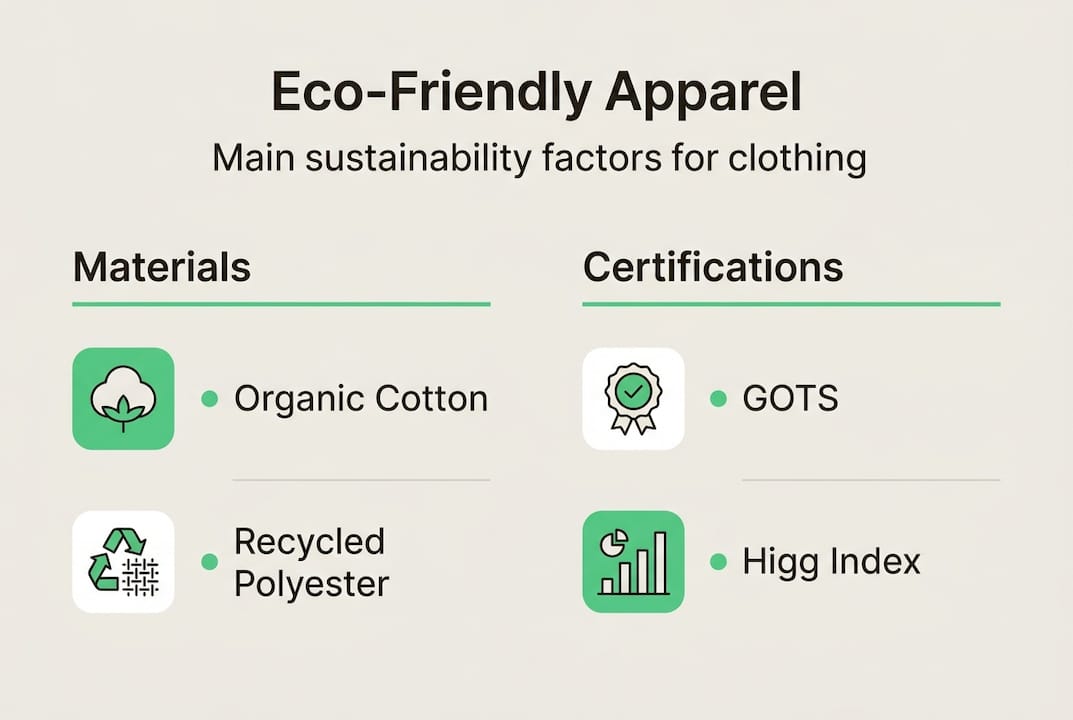
Organic cotton reduces pesticide use and water consumption compared to conventional cotton, while recycled polyester lowers fossil fuel dependence. Understanding material tradeoffs helps you choose garments aligned with your priorities.

Material | Environmental Pros | Environmental Cons | Best Use Cases |
Organic Cotton | No synthetic pesticides, healthier soil, biodegradable | High water use, land intensive | Comfort layers, casual wear |
Recycled Polyester | Diverts plastic waste, reduces fossil fuel extraction | Sheds microplastics, non-biodegradable | Activewear, outerwear, performance fabrics |
Regenerative Fibers | Rebuilds soil carbon, supports biodiversity | Limited availability, higher cost | Premium basics, investment pieces |
Lyocell/Tencel | Closed-loop production, low water use, biodegradable | Requires sustainably managed forests | Versatile everyday garments |
Recycled polyester transforms post-consumer plastic bottles and textile waste into new fibers, keeping materials out of landfills. However, synthetic fabrics release microplastics during washing, contributing to ocean pollution. Choosing garments with tighter weaves and using washing bags can mitigate this issue.
Regenerative fibers come from farming systems that actively improve ecosystems. Unlike organic agriculture, which maintains soil health, regenerative practices sequester carbon, increase biodiversity, and restore degraded land. These materials represent the cutting edge of sustainable textiles but remain less widely available.
Pro Tip: Look for certifications covering both raw materials and social criteria to ensure comprehensive sustainability and avoid greenwashing.
Certifications such as GOTS, Textile Exchange standards, and Materials Matter Standard provide verified claims on environmental and social sustainability. Each certification addresses different aspects of the production chain.
Key certifications to recognize:
Global Organic Textile Standard (GOTS) verifies organic fiber content and prohibits toxic chemicals while requiring fair labor practices
Recycled Claim Standard (RCS) tracks recycled materials through the supply chain
Global Recycled Standard (GRS) adds environmental and social criteria to recycled content verification
Materials Matter Standard evaluates material sustainability across multiple impact categories
Bluesign certifies chemical safety and resource efficiency in textile production
Natural fibers offer biodegradability advantages but face challenges. Cotton production consumes massive water volumes, and hemp requires extensive processing. Even organic materials may not decompose quickly in oxygen-poor landfills. Browse organic and recycled clothing examples to see how brands combine sustainable materials with modern design.
Synthetic fibers provide durability and performance benefits crucial for active lifestyles. Their longevity means fewer replacements, potentially offsetting their non-biodegradable nature. The key lies in choosing high-quality synthetics designed for extended wear rather than disposable fast fashion. Explore sustainability benchmarking methods to understand how brands measure and communicate impact.
Ecodesign and sustainability benchmarking for durable, functional apparel
Life cycle assessment (LCA), ecodesign integrating durability, repairability, and recyclability, plus sustainability indexes like A-E labels are key methodologies in sustainable apparel. LCA evaluates environmental impact from raw material extraction through manufacturing, use, and disposal, revealing hotspots for improvement.
Five essential ecodesign principles transform apparel sustainability:
Durability: Select robust materials and construction techniques that withstand repeated wear and washing without degradation
Repairability: Design garments with accessible seams, replaceable components, and clear repair instructions
Recyclability: Choose mono-materials or easily separable blends that facilitate end-of-life processing
Zero-waste patterns: Engineer cutting layouts that eliminate fabric scraps during manufacturing
Traceability: Implement transparent supply chains allowing consumers to verify sustainability claims
Sustainability benchmarking quantifies garment impact across multiple dimensions:
Impact Category | Score Range | Measurement Focus |
Environmental Footprint | A (lowest) to E (highest) | Carbon emissions, water use, chemical pollution |
Social KPI | 1 (best) to 5 (worst) | Labor conditions, fair wages, community impact |
Durability Index | 0-100 scale | Expected lifespan, repair potential, material quality |
The EU Ecodesign for Sustainable Products Regulation (ESPR) mandates minimum durability standards and recycled content thresholds for apparel sold in European markets starting in 2026. This regulatory push accelerates industry adoption of circular design principles and creates clearer sustainability benchmarks for consumers.
Pro Tip: Choose garments designed with repairability features like reinforced stress points and accessible seams for extended use and lower environmental footprint.
Sustainability indexes translate complex data into accessible ratings. The Higg Index, widely used in the apparel industry, measures environmental and social performance across facilities and products. However, critics note that voluntary self-reporting can lack rigor. Third-party verified certifications offer more reliable assurance.
Durability directly impacts sustainability by reducing replacement frequency. A garment worn 200 times instead of 50 delivers four times the value per unit of environmental impact. This principle makes longevity the single most powerful lever for reducing fashion’s footprint. Visit sustainability indexes and ecodesign resources to see how leading brands implement these principles.
Navigating nuances and debates: natural vs synthetic fibers and greenwashing risks
Natural fibers like cotton may not biodegrade promptly in landfills where oxygen-poor conditions slow decomposition. This challenges the common assumption that natural automatically means environmentally superior. Meanwhile, synthetic fibers shed microplastics but offer durability that extends garment life.
Natural fiber considerations:
Require significant land and water resources, competing with food production
Biodegradability depends on disposal conditions, not just material composition
Organic certification addresses pesticide use but not water consumption
Processing natural fibers often involves energy-intensive steps and chemical treatments
Synthetic fiber realities:
Microplastic pollution affects marine ecosystems and potentially human health
Fossil fuel dependence contributes to climate change and resource depletion
Superior durability and performance suit active lifestyles and reduce replacement needs
Recycled synthetics offer partial solutions but still shed microfibers
Greenwashing poses a serious challenge for conscious consumers. Forty-two percent of green claims in apparel are exaggerated, and certifications like B Corp don’t verify full sustainability lifecycle. Brands exploit vague terms like eco-friendly, natural, and conscious without substantive backing.
“Many sustainability claims lack third-party verification, allowing brands to cherry-pick favorable metrics while ignoring significant impacts elsewhere in their supply chains.”
Red flags indicating potential greenwashing:
Highlighting one sustainable material while ignoring overall production impact
Using nature imagery and green color schemes without concrete environmental commitments
Making broad sustainability claims without specific, measurable goals
Lacking transparent supply chain information or third-party certifications
Focusing on future commitments rather than current verified achievements
To avoid greenwashing, prioritize brands offering transparent, holistic sustainability reporting verified by credible third parties. Look for certifications covering multiple criteria rather than single-issue claims. Question marketing language that sounds impressive but lacks specific, measurable substance. Check fiber impact comparisons to understand real tradeoffs between material choices.
The natural versus synthetic debate lacks simple answers. Context matters enormously. A durable recycled polyester jacket worn for years may outperform an organic cotton garment discarded after a season. Blends combining natural comfort with synthetic performance often deliver optimal sustainability when designed for longevity.
How to choose and style eco-friendly apparel for active lifestyles
Blends balancing durability and comfort, zero-waste patterns, and traceable supply chains promote style and sustainability for active consumers. Selecting eco-friendly apparel requires evaluating multiple factors beyond surface-level green claims.
Step-by-step selection guide:
Verify certifications: Check for GOTS, GRS, or similar third-party verified standards covering environmental and social criteria
Assess material composition: Look for high-quality organic, recycled, or regenerative fibers designed for durability
Evaluate design features: Prioritize reinforced seams, timeless styles, and versatile colors that extend wearability
Research brand transparency: Investigate supply chain disclosure, sustainability reporting, and verified impact metrics
Calculate cost per wear: Invest in higher-quality pieces that deliver value through extended use rather than cheap disposables
Consider care requirements: Choose garments with low-maintenance care to reduce water and energy use during ownership
Longevity trumps material choice in sustainability impact. Buying fewer, better-quality garments and wearing them extensively delivers greater environmental benefit than accumulating closets full of organic cotton items worn once. This principle aligns perfectly with active lifestyles requiring reliable, functional clothing.
Styling sustainable apparel for modern, active lives combines performance with aesthetics. Technical fabrics offering moisture wicking, stretch, and odor resistance need not sacrifice style. Look for clean lines, versatile neutral palettes, and thoughtful details that transition from workout to workplace.
Pro Tip: Proper care and timely repairs extend garment life significantly, aligning with circular economy principles and maximizing your sustainability impact.
Care practices that enhance sustainability:
Wash less frequently, spot clean when possible, and air dry to reduce energy consumption
Use cold water and eco-friendly detergents to minimize chemical pollution
Repair minor damage promptly before it worsens and requires replacement
Store garments properly to prevent unnecessary wear from moths, moisture, or sunlight
Donate or recycle items you no longer wear rather than discarding to landfills
Zero-waste production eliminates fabric scraps through innovative pattern engineering. Brands using this approach create garments with minimal material waste, reducing environmental impact from the manufacturing stage. Transparent supply chains allow you to verify ethical labor practices and environmental standards throughout production.
Explore durable eco-friendly performance apparel designed specifically for active lifestyles. Modern sustainable fashion balances technical performance with environmental responsibility, proving you don’t have to choose between functionality and values. Discover functional eco-friendly shirts that combine stretch, breathability, and sustainable materials for versatile everyday wear.
Explore sustainable performance apparel at LABFRESH
Now that you understand eco-friendly apparel principles, discover how LABFRESH translates these concepts into functional, stylish clothing for active lifestyles. Our collections combine innovative fabric technologies with sustainability commitments, delivering garments designed for durability, performance, and minimal environmental impact.
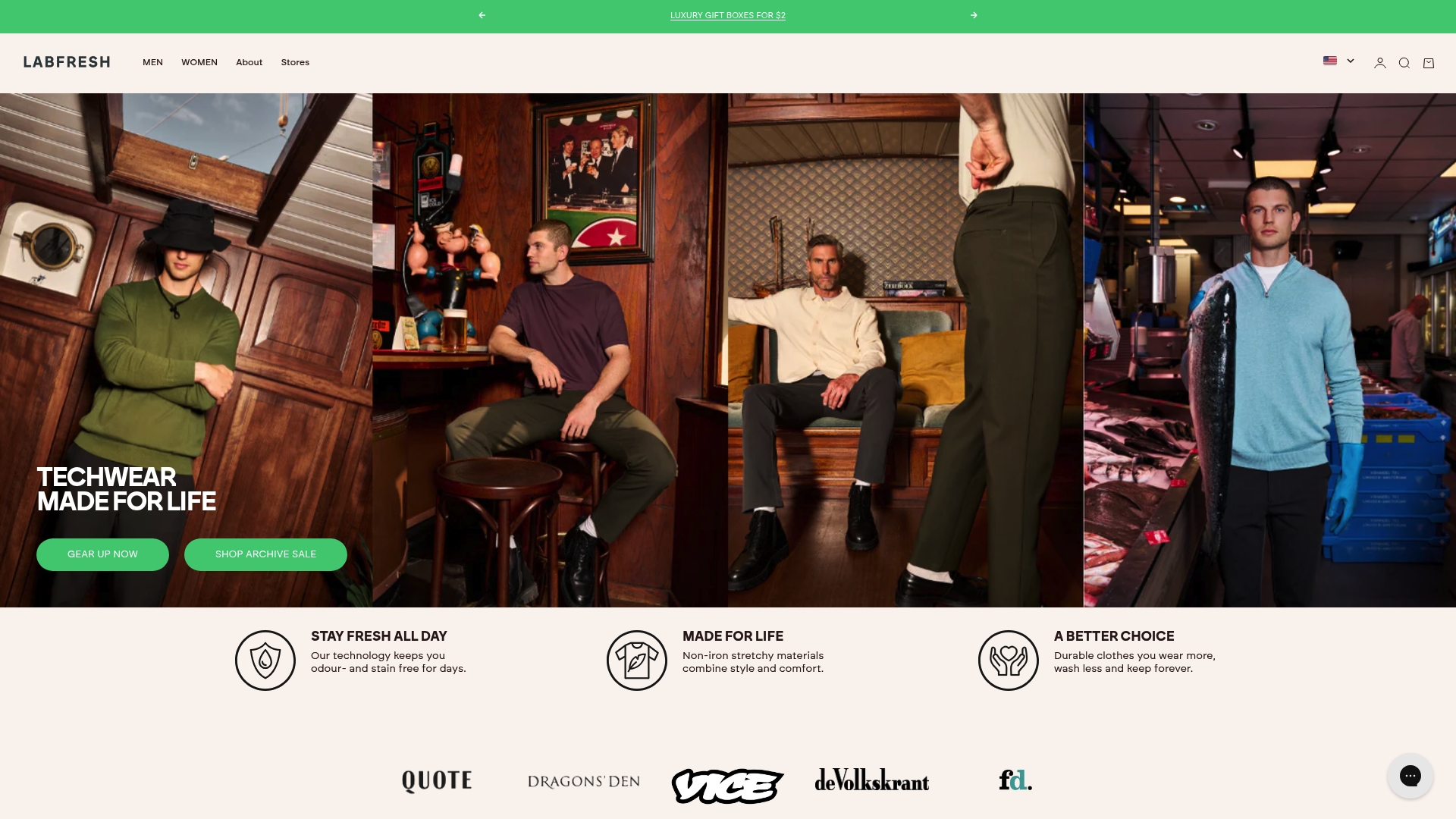
Our performance pants collection features technical fabrics offering stretch, stain resistance, and longevity that reduces replacement frequency. These garments exemplify ecodesign principles through durable construction and versatile styling suitable for multiple contexts. The non-iron stretch shirts combine low-maintenance care with comfortable, breathable materials that withstand active wear. For base layers, browse eco-friendly undershirts engineered for odor control and extended use between washes, reducing water and energy consumption during ownership. Each piece reflects our commitment to creating apparel that serves your lifestyle while respecting environmental limits.
Frequently asked questions about eco-friendly apparel
What makes apparel truly eco-friendly beyond organic materials?
Genuine eco-friendly apparel addresses the entire lifecycle, including ethical labor practices, low-impact production processes, durable design for extended use, and end-of-life recyclability or biodegradation. Material choice represents just one component of comprehensive sustainability.
How do certifications protect consumers from greenwashing?
Third-party verified certifications like GOTS, GRS, and Materials Matter Standard require independent audits of environmental and social claims, preventing brands from self-reporting unsubstantiated sustainability achievements. Look for certifications covering multiple criteria rather than single-issue claims.
Are synthetic fibers always worse for the environment?
Not necessarily. While synthetics shed microplastics and rely on fossil fuels, their superior durability can offset these impacts when garments are worn extensively. Recycled synthetics reduce virgin material extraction, and proper care like washing bags mitigates microplastic release.
How can I care for eco-friendly clothes to extend their life?
Wash less frequently using cold water and eco-friendly detergents, air dry when possible, repair minor damage promptly, and store properly to prevent unnecessary wear. These practices reduce energy consumption and maximize the sustainability benefit of durable garments.
What style options exist for sustainable activewear?
Modern sustainable activewear combines technical performance fabrics with thoughtful design, offering moisture wicking, stretch, odor resistance, and versatile aesthetics. Brands now deliver functional apparel for active lifestyles without compromising environmental values or contemporary style.
Recommended
Comments