Water-Repellent Clothing: A Game-Changer for Busy Lives
- Leroy Hughes

- Feb 6
- 8 min read
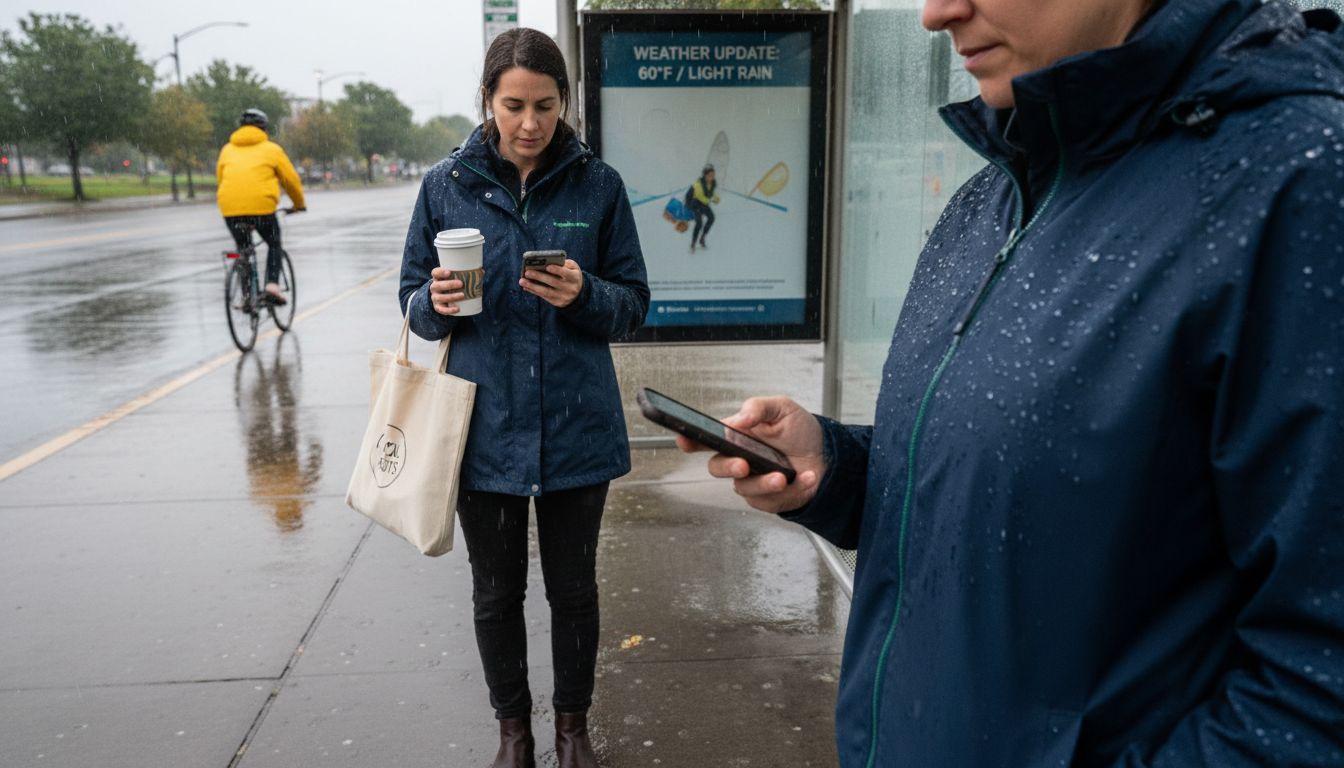
Sudden rain showers can disrupt even the best-planned days in cities across Europe. For professionals balancing work, social events, and outdoor activities, reliable clothing that offers protection without sacrificing style or comfort is a must. Choosing the right water-repellent clothing means understanding key differences from waterproof or water-resistant gear, unlocking smarter ways to stay dry, breathable, and polished in every situation.
Table of Contents
Key Takeaways
Point | Details |
Understanding Definitions | Water-repellent clothing offers moisture protection without total impermeability, differing from waterproof garments. |
Technology Types | Key types include DWR Coatings, Membrane Technologies, and Nano-Enhanced Treatments, each serving unique moisture management needs. |
Sustainability Consideration | Consumers should consider the environmental impact of the fabrics and choose sustainably manufactured options. |
Maintenance Matters | Regular care and reapplication of treatments can extend the longevity and performance of water-repellent clothing. |
Core Definition and Common Misconceptions
Water-repellent clothing represents a sophisticated textile technology designed to provide practical protection against moisture while maintaining breathability and comfort. Unlike traditional waterproof garments, these innovative fabrics create a unique barrier that causes water to bead and slide off the surface, offering targeted defense in light to moderate environmental conditions.
The core distinction lies in understanding the performance spectrum of moisture-resistant fabrics. Waterproof and water-repellent textiles are not interchangeable terms, despite common misconceptions. Water-repellent clothing specifically:
Prevents immediate water absorption
Allows fabric to remain breathable
Provides temporary protection against light moisture
Maintains garment flexibility and comfort
Consumers frequently misunderstand the fundamental differences between water-resistant, water-repellent, and waterproof technologies. Fabric performance varies significantly based on the specific treatment and manufacturing process. Water-repellent clothing does not guarantee complete impermeability but instead offers a strategic middle ground between standard textiles and fully waterproof garments.
The science behind water-repellent clothing involves specialized surface treatments that modify fabric molecular structures. These treatments create microscopic barriers that cause water droplets to bead and roll off, rather than penetrating the fabric. This approach preserves the material’s inherent breathability while providing enhanced moisture protection.
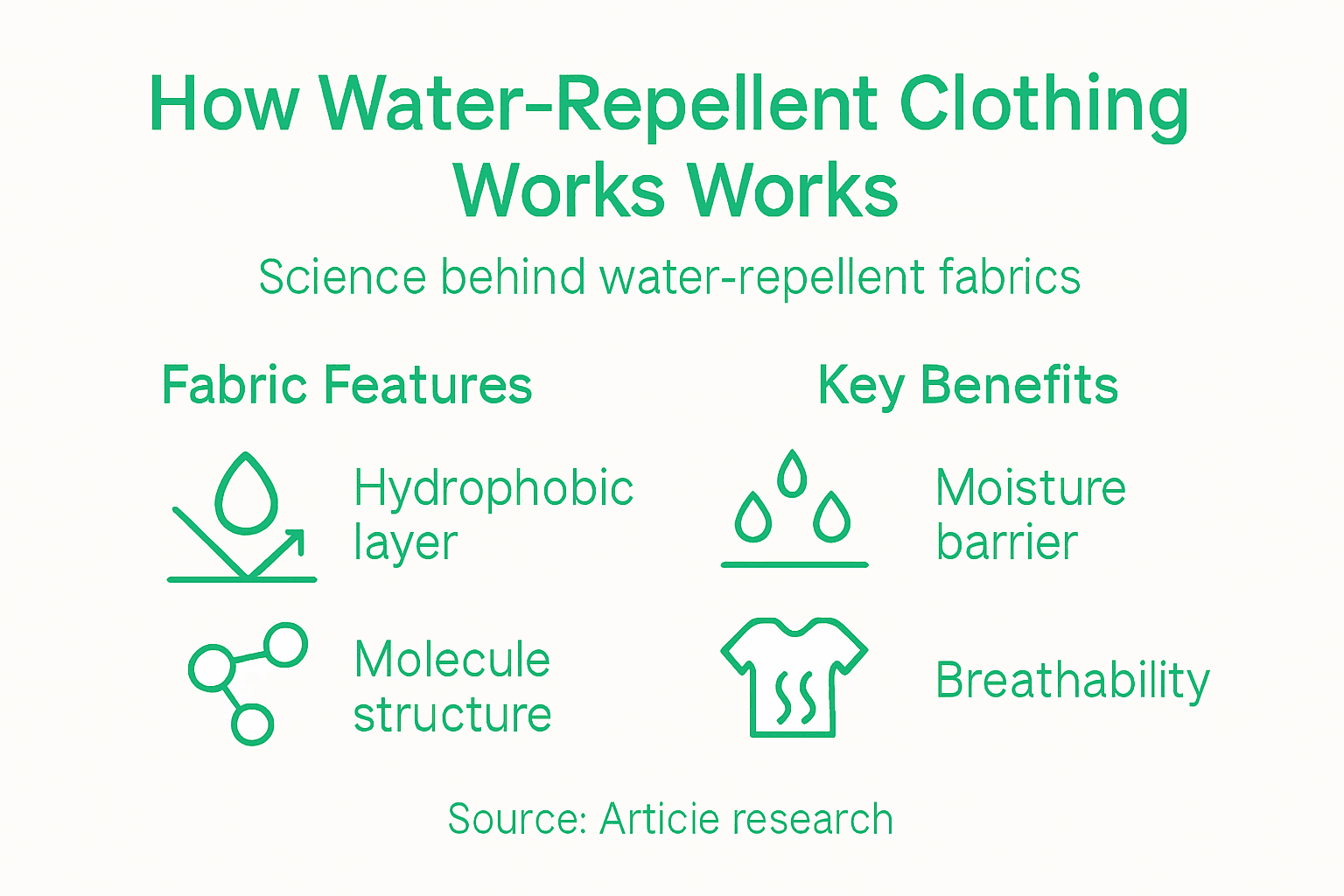
Here’s a quick comparison of water-resistant, water-repellent, and waterproof clothing technologies:
Technology Type | Level of Moisture Protection | Breathability | Typical Use Cases |
Water-Resistant | Basic splash defense | High | Casual wear, light rain |
Water-Repellent | Deflects moderate wetting | Moderate | Urban commuting, activewear |
Waterproof | Complete water barrier | Low to moderate | Outdoor sports, extreme weather |
Pro tip: Before purchasing water-repellent clothing, always check the specific moisture protection rating and intended environmental usage to ensure it matches your personal needs.
Main Types and Key Technologies
Water-repellent clothing technologies have evolved dramatically, offering urban professionals increasingly sophisticated solutions for managing moisture and maintaining style. Advanced textile engineering now provides multiple approaches to creating garments that effectively resist water while preserving comfort and performance.
The primary technologies in water-repellent clothing can be categorized into three main types:
Durable Water Repellent (DWR) Coatings: Chemical treatments applied directly to fabric surfaces
Membrane Technologies: Specialized layers that block water while allowing breathability
Nano-Enhanced Treatments: Cutting-edge molecular modifications creating hydrophobic surfaces
Membrane technologies represent a particularly innovative approach. These sophisticated systems, such as Gore-Tex, integrate microscopic pores that block water droplets while allowing water vapor to escape, creating a breathable yet protective barrier. Polymer and nanomaterial coatings have revolutionized how fabrics interact with moisture, enabling clothing that adapts to varying environmental conditions.
The environmental impact of water-repellent technologies is an emerging consideration for conscious consumers. Modern innovations increasingly focus on developing bio-based and sustainable alternatives to traditional chemical treatments, reducing the ecological footprint while maintaining high-performance standards.
For easy reference, here’s a summary of innovative water-repellent technologies and their sustainability focus:
Technology | Key Feature | Sustainability Trend |
DWR Coating | Surface-treated fabrics | Shift toward PFAS-free formulations |
Membranes | Microporous waterproof layers | Use of eco-friendly polymers |
Nano Treatments | Hydrophobic molecular design | Emerging bio-based additives |
Pro tip: When selecting water-repellent clothing, prioritize technologies that balance performance, comfort, and environmental sustainability.
How Water-Repellent Clothing Works
Advanced fabric technologies transform traditional textiles into intelligent protective layers that dynamically interact with moisture. The fundamental principle behind water-repellent clothing involves creating surfaces that chemically and physically resist water penetration while maintaining breathability.
The core mechanisms of water-repellent clothing include:
Chemical Surface Treatments: Applying hydrophobic molecular compounds
Microporous Membrane Design: Creating microscopic barriers that block liquid water
Molecular Surface Engineering: Modifying fabric structures at nanoscale levels
Low Surface Energy Modifications: Preventing water molecule adhesion
Durable Water Repellent (DWR) coatings play a critical role in this technology. These specialized treatments modify fabric surfaces to create an invisible shield that causes water droplets to bead and roll off instantly. Fabric waterproofing techniques rely on creating low surface energy environments where water cannot easily penetrate or spread across the material.
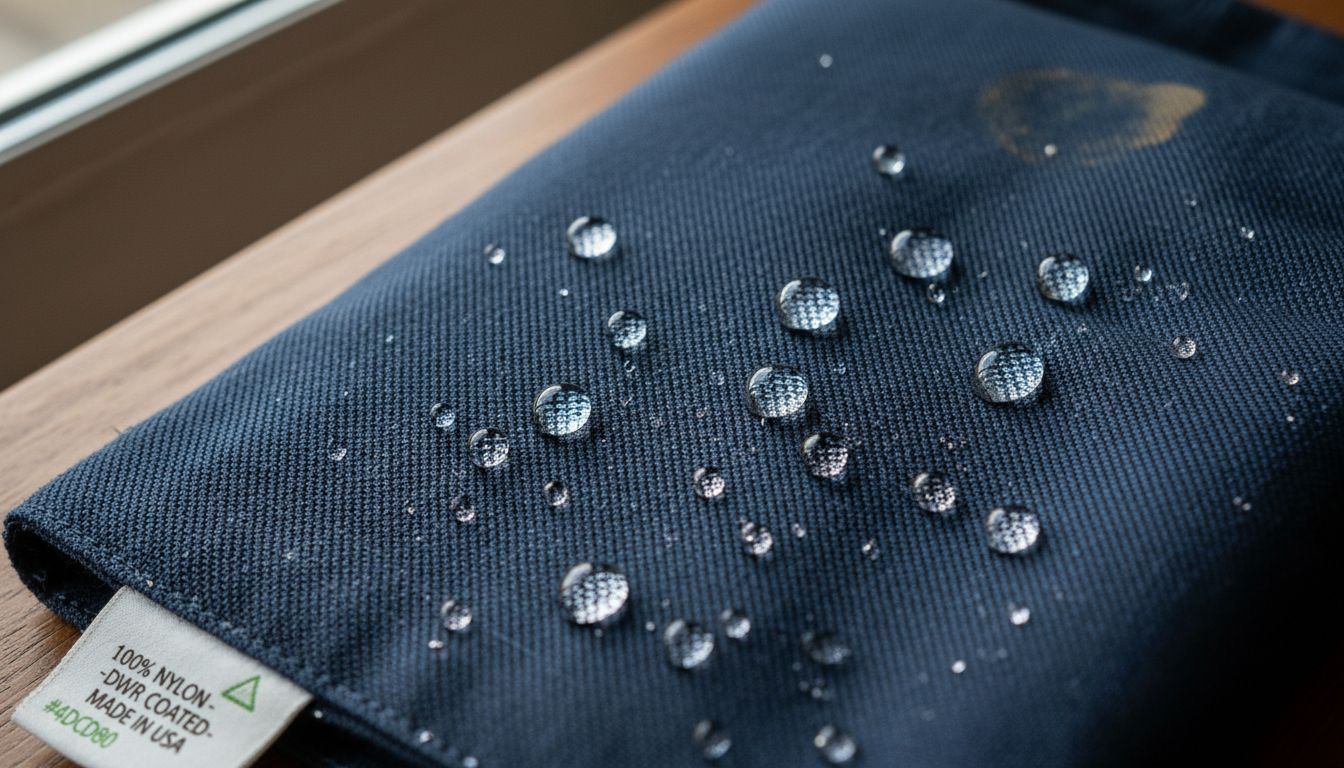
The scientific magic happens through precise molecular interactions. When water contacts the treated fabric, the hydrophobic surface causes droplets to form near-perfect spheres that quickly slide away, preventing absorption. This ingenious design ensures that clothing remains dry while allowing internal moisture and heat to escape, maintaining wearer comfort across diverse environmental conditions.
Pro tip: Periodically reapply water-repellent treatments to maintain your clothing’s protective capabilities and extend its functional lifespan.
Benefits for Active and Urban Lifestyles
Water-repellent clothing technologies transform urban professionals’ daily experiences by providing intelligent protection against unpredictable environmental challenges. These advanced garments deliver far more than simple moisture resistance, offering a comprehensive solution for individuals navigating complex urban environments.
Key benefits for active urban lifestyles include:
Instant Weather Protection: Immediate defense against unexpected rain or spills
Enhanced Mobility: Lightweight fabrics that move with the wearer
Reduced Maintenance: Less frequent washing and faster drying times
Style Preservation: Maintaining clothing appearance under challenging conditions
Versatile Performance: Seamless transition between indoor and outdoor settings
Urban performance fabrics excel in managing moisture while supporting dynamic lifestyles. The breathable nature of these garments ensures comfort during commutes, outdoor meetings, or spontaneous after-work activities, eliminating the traditional trade-off between protection and comfort. Moisture management becomes an effortless background feature, allowing professionals to focus on their daily objectives without wardrobe interruptions.
Beyond practical protection, water-repellent clothing represents a strategic investment in personal efficiency. By repelling water, stains, and dirt, these garments maintain their aesthetic quality longer, reduce cleaning frequency, and provide a consistent, polished appearance across various professional and personal contexts. The technology adapts to the wearer’s lifestyle, not the other way around.
Pro tip: Invest in versatile water-repellent pieces that can transition seamlessly between professional and recreational environments to maximize your wardrobe’s functional range.
Risks, Longevity, and Environmental Impact
Water-repellent clothing technologies face significant challenges in balancing performance, durability, and environmental responsibility. The complex landscape of fabric treatments involves navigating potential risks to both product longevity and ecological sustainability.
Key considerations for water-repellent clothing include:
Chemical Composition: Potential toxicity of traditional treatments
Performance Degradation: Coating effectiveness reduction over time
Ecological Footprint: Environmental impact of manufacturing processes
Material Lifecycle: Long-term sustainability of fabric technologies
Consumer Maintenance: Required care to preserve water-repellent properties
Green chemistry advances are transforming the industry’s approach to water-repellent technologies. Sustainable polymers are replacing traditional PFAS chemicals, offering more environmentally friendly alternatives that minimize ecological risks while maintaining high-performance standards. The shift focuses on developing hydrophobic treatments that balance durability, performance, and environmental consciousness.
The longevity of water-repellent clothing depends on multiple factors, including fabric quality, treatment method, and user maintenance. Proper care can significantly extend a garment’s functional lifespan, reducing overall environmental impact through decreased textile waste and more sustainable consumption patterns. Consumers play a crucial role in this ecosystem by choosing responsible brands and maintaining their clothing effectively.
Pro tip: Invest in high-quality water-repellent garments from brands committed to sustainable manufacturing and follow recommended care instructions to maximize both performance and environmental responsibility.
Comparing Alternatives and Making Smart Choices
Water-repellent clothing technologies offer urban professionals a sophisticated range of options for managing moisture and maintaining style. Understanding the nuanced differences between various protective fabric treatments enables more informed purchasing decisions that align with individual lifestyle needs.
Key comparison criteria for selecting water-repellent clothing include:
Performance Level: Water resistance ratings and protection capabilities
Breathability: Fabric’s ability to manage internal moisture
Durability: Longevity of water-repellent treatments
Environmental Impact: Sustainability of manufacturing processes
Maintenance Requirements: Care instructions and re-treatment potential
Fabric performance alternatives range from mechanically treated textiles to advanced membrane technologies. Waterproof versus water-repellent distinctions are critical; waterproof garments provide complete moisture barrier, while water-repellent options offer strategic protection with enhanced breathability. Professionals should evaluate their specific environmental demands and activity levels when making selections.
Consumers can make smart choices by prioritizing versatile garments that balance protection, comfort, and sustainability. This means looking beyond immediate water resistance and considering long-term performance, fabric technology, and environmental implications. Understanding the subtle differences between water-resistant, water-repellent, and waterproof technologies empowers individuals to select clothing that genuinely meets their dynamic lifestyle requirements.
Pro tip: Always check the specific moisture protection rating and intended use range before purchasing water-repellent clothing to ensure optimal performance for your individual needs.
Stay Dry and Comfortable with Advanced Water-Repellent Apparel for Busy Lives
The challenge of finding clothing that keeps you protected from unexpected moisture while staying breathable and stylish is real. The article highlights how water-repellent technologies offer a balance between comfort and moisture defense, but also points out the need for durability and easy maintenance in fast-paced, urban lifestyles. If you want clothing that adapts to your active routine—resisting stains, odors, and moisture without sacrificing breathability—you need solutions designed for modern demands.
At Labfresh, we specialize in innovative apparel powered by cutting-edge fabrics like FreshCore™ and Seawool that provide odor and stain resistance alongside water-repellent benefits. Our garments keep you dry and fresh throughout your day, minimizing the hassle of frequent washing and maximizing comfort. Experience lightweight, stylish pieces that move with you and maintain their performance after repeated wear.
Elevate your wardrobe with clothing engineered to meet the same challenges discussed in the article. Check out our full collection at Labfresh, explore our outerwear and technical apparel crafted for moisture management and longevity, and invest in apparel that truly supports your lifestyle.
Discover intelligent water-repellent clothing that works as hard as you do. Visit Labfresh today and transform how you dress for any weather and every activity.
Frequently Asked Questions
What is water-repellent clothing?
Water-repellent clothing is made from advanced textiles designed to prevent immediate water absorption while maintaining breathability and comfort. It offers protection against light to moderate moisture conditions, unlike traditional waterproof garments.
How does water-repellent clothing work?
Water-repellent clothing utilizes specialized surface treatments that modify the fabric’s molecular structure, creating a barrier that causes water to bead and slide off rather than penetrating the fabric. This retains breathability while providing moisture protection.
What is the difference between water-repellent, water-resistant, and waterproof clothing?
Water-repellent clothing deflects moderate wetting and allows for breathability, while water-resistant clothing provides basic splash defense with high breathability. Waterproof clothing offers a complete water barrier but usually sacrifices breathability.
How can I maintain my water-repellent clothing?
To maintain water-repellent clothing, follow the care instructions provided by the manufacturer and periodically reapply water-repellent treatments to preserve its protective capabilities and extend its lifespan.
Recommended
Comments