Trends in Technical Fashion 2026: Urban Style Impact
- Leroy Hughes

- Feb 16
- 6 min read

Bold design choices and daily demands make finding the right apparel a challenge for many European professionals. Style and functionality have become inseparable as technical fashion brings digital tools, smart fabrics, and sustainability into every layer of clothing. Whether you want adaptive performance, digital interaction, or eco-conscious materials, this guide highlights key concepts shaping how cutting-edge garments redefine urban professional wardrobes in 2026.
Table of Contents
Key Takeaways
Point | Details |
Emergence of Technical Fashion | Technical fashion is merging digital technology and apparel design, enhancing consumer experiences and interactions with clothing. |
Role of Smart Fabrics | Smart fabrics are transforming fashion by incorporating sensors and adaptive technologies, making garments responsive to user needs and environments. |
Sustainability in Materials | Sustainable materials are essential for responsible fashion, emphasizing eco-friendly production and transparency in supply chains. |
Challenges in Adoption | High production costs and consumer awareness are key barriers to the widespread integration of technical fashion technologies in the market. |
Defining Technical Fashion in 2026
Technical fashion represents a revolutionary convergence of digital technology and apparel design, transforming how we conceptualize, create, and experience clothing. By 2026, this emerging domain will transcend traditional manufacturing boundaries, integrating advanced digital tools and immersive technologies that redefine fashion’s fundamental landscape.
The evolution of technical fashion is driven by several key technological innovations. Digital fashion technologies are no longer confined to design processes but now create entire virtual garment experiences. This shift means consumers can now interact with fashion in entirely new ways, including:
Virtual clothing trials in augmented reality environments
Personalized digital wardrobe simulations
AI-generated design iterations
Real-time fabric performance modeling
Technological Integration is becoming the cornerstone of modern fashion development. Advanced digital tools now enable designers to craft clothing that responds dynamically to individual user needs, blending sustainability, operational efficiency, and unprecedented personalization.
The future of technical fashion extends beyond aesthetics, representing a holistic approach to clothing that prioritizes functionality, digital interaction, and adaptive design. Brands are increasingly viewing garments as interactive platforms that can communicate, transform, and respond to user environments and preferences.
Pro tip: Stay ahead of technical fashion trends by following emerging digital design platforms and understanding how AI and virtual reality are reshaping clothing conceptualization.
Smart Fabrics and Tech Integration
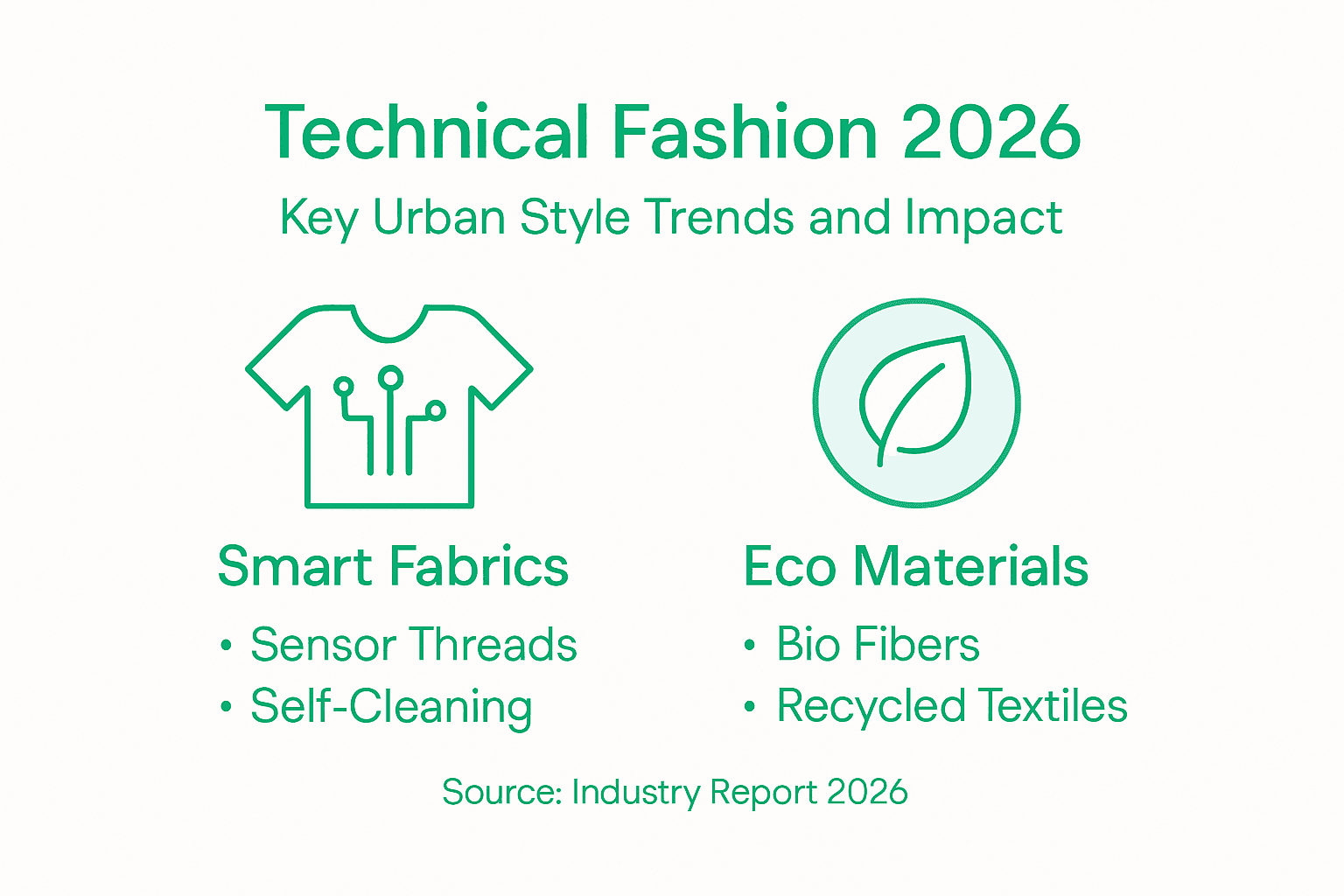
Smart fabrics represent the cutting edge of technological innovation in fashion, transforming traditional textiles into dynamic, responsive platforms that interact with users and their environments. These advanced materials go far beyond conventional clothing, integrating sophisticated sensors, adaptive technologies, and intelligent design principles that redefine the fundamental purpose of apparel.
Smart textile technologies are revolutionizing clothing through unprecedented functional capabilities. The most advanced smart fabrics now incorporate:
Embedded health monitoring sensors
Thermo-regulating nanotechnology
Photovoltaic energy-generating surfaces
Antimicrobial nano-coatings
Self-cleaning and stain-resistant properties
Technological Integration represents a profound shift in textile engineering. Innovative fabric technologies now enable garments to actively respond to environmental conditions, track physiological metrics, and even communicate with digital devices, blurring the boundaries between clothing and sophisticated technological interfaces.
The convergence of artificial intelligence, material science, and fashion design is creating garments that are not just worn, but actively participate in the user’s experience. These smart fabrics can adjust temperature, monitor health indicators, generate electrical power, and provide unprecedented levels of personalized performance and comfort.
Here’s how smart fabrics differ from traditional textiles in 2026:
Attribute | Traditional Textile | Smart Fabric |
Functionality | Basic protection | Adaptive, responsive platform |
Environmental Interaction | Passive | Interacts with surroundings |
Health Integration | None | Monitors physiological metrics |
Digital Connectivity | Absent | Communicates with devices |
Smart fabrics are transforming clothing from passive protective layers into active, intelligent systems that enhance human capabilities and interaction with technology.
Pro tip: Invest in multifunctional smart clothing pieces that offer technological integration and adaptable performance for maximum versatility in your wardrobe.
Sustainable Materials and Eco Innovations
Sustainable fashion in 2026 represents a profound transformation of textile production, moving beyond traditional manufacturing approaches to create environmentally conscious, regenerative materials that minimize ecological impact. The fashion industry is embracing a holistic approach to sustainability that integrates innovative design, advanced material science, and ecological responsibility.
Eco-friendly textile innovations are revolutionizing material development through groundbreaking approaches. The most exciting sustainable materials include:
Bio-based fibers like lyocell and mycelium
Plant-based elastic alternatives
Recycled polyester with closed-loop production
Carbon-neutral textile manufacturing processes
Regenerative agricultural fiber systems
Traceability Technologies are becoming critical in sustainable fashion. Emerging sustainable textiles now come with digital product passports that provide comprehensive information about their ecological footprint, enabling consumers to make more informed and environmentally responsible purchasing decisions.

The integration of cutting-edge biotechnology and material science is creating textiles that are not just less harmful, but actively beneficial to the environment. These innovative materials can sequester carbon, support regenerative agricultural practices, and provide transparent lifecycle assessments that empower consumers to understand the true environmental impact of their clothing choices.
Here’s a comparison of major sustainable materials in 2026:
Material Type | Ecological Impact | Key Benefit |
Lyocell Fiber | Low waste | Biodegradable and strong |
Recycled Polyester | Closed-loop | Reduces plastic pollution |
Mycelium-based | Carbon neutral | Renewable and lightweight |
Plant-Based Elastics | Sustainable | Flexible and non-toxic |
Sustainable materials are no longer a niche market, but a fundamental requirement for responsible fashion production in the 21st century.
Pro tip: Prioritize clothing brands that offer transparent supply chain information and use verified sustainable materials in their production process.
Urban Professional Needs and Apparel Performance
The urban professional landscape of 2026 demands clothing that transcends traditional boundaries, seamlessly blending sophisticated style with advanced technological performance. Modern professionals require garments that adapt dynamically to complex work environments, offering unparalleled flexibility and functionality across multiple settings.
Urban professional apparel trends are revolutionizing workplace clothing through innovative design strategies. Key performance features now include:
Temperature regulation capabilities
Wrinkle-resistant and quick-drying fabrics
Seamless transitions between professional and casual environments
Integrated tech-friendly design elements
Ergonomic construction supporting extended mobility
Performance Clothing represents a critical evolution in professional attire. Versatile work clothing technologies now address the complex mobility requirements of urban professionals, integrating data-driven insights to optimize comfort, durability, and aesthetic appeal.
The intersection of artificial intelligence, advanced material science, and design innovation is creating apparel that actively responds to professional needs. These garments are not just clothing, but intelligent systems that enhance productivity, comfort, and personal expression in increasingly dynamic work environments.
Professional clothing in 2026 is no longer about appearance, but about creating a responsive, adaptive personal infrastructure.
Pro tip: Invest in multipurpose garments that offer technological integration and can smoothly transition across different professional scenarios.
Common Pitfalls and Adoption Barriers
Navigating the complex landscape of technical fashion requires understanding the significant challenges that impede widespread technological integration. Despite revolutionary innovations, multiple barriers continue to obstruct the seamless adoption of advanced apparel technologies in the mainstream market.
Technical fashion adoption challenges reveal critical obstacles that manufacturers and consumers must address. The primary barriers include:
Prohibitively high production costs
Limited consumer technology awareness
Complex manufacturing integration processes
Data privacy concerns with smart textiles
Regulatory standardization challenges
Market Resistance emerges from multiple interconnected factors. Technology integration complexities highlight the reluctance of both brands and consumers to fully embrace digital transformation, stemming from uncertainties about usability, trust, and perceived inconvenience.
The transition to technical fashion demands coordinated efforts across design, manufacturing, regulatory, and consumer education domains. Successful implementation requires transparent communication about technological benefits, robust privacy protections, and demonstrable value propositions that overcome inherent market skepticism.
Technological innovation in fashion is not just about creating advanced products, but about building trust and demonstrating tangible user benefits.
Pro tip: Conduct thorough user research and create clear, compelling narratives that illustrate the practical advantages of technical fashion technologies.
Experience Urban Tech-Driven Fashion with LABFRESH
The article highlights the challenges urban professionals face in finding apparel that balances advanced functionality with sophisticated style. If you demand garments that adapt to a dynamic work and lifestyle environment featuring wrinkle resistance, temperature regulation, and tech-friendly design, the perfect solution is within reach. LABFRESH offers innovative collections like The Perfect Performance Shirts | LABFRESH and The Smartest T-shirts | LABFRESH that combine high-tech fabrics such as FreshCore™ and Seawool with sustainable, easy-care materials.
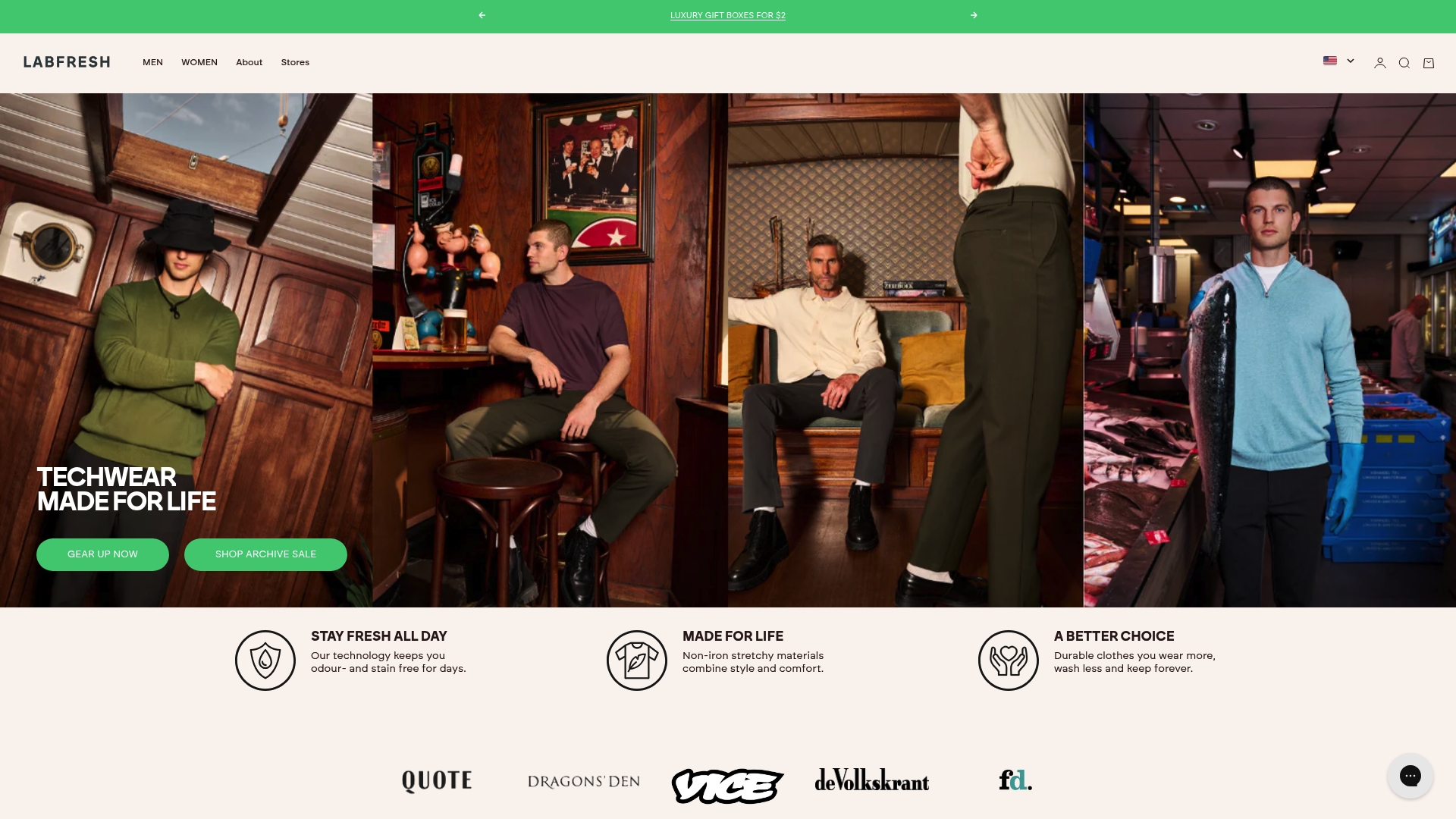
Upgrade your wardrobe today with clothing designed for the modern urban professional who refuses to compromise style, comfort, or performance. Explore our full range at https://labfresh.eu and discover how technology and thoughtful design come together for an active, busy lifestyle. Don’t wait to experience apparel that works as hard as you do.
Frequently Asked Questions
What is technical fashion?
Technical fashion involves the integration of digital technology and advanced materials within apparel design, enhancing functionality and user experience, while also focusing on sustainability.
How do smart fabrics enhance clothing performance?
Smart fabrics incorporate technologies like embedded sensors and temperature regulation, allowing garments to respond dynamically to environmental conditions and user needs, improving comfort and functionality.
What are some sustainable materials being used in technical fashion?
Sustainable materials include bio-based fibers like lyocell, mycelium, and recycled polyester. These materials aim to minimize ecological impact while maintaining performance standards in clothing.
What considerations should urban professionals have when choosing clothing in 2026?
Urban professionals should look for clothing that offers temperature regulation, versatility for transitioning between settings, ergonomic design for mobility, and integration of technology to enhance performance.
Recommended
Comments