6 Key Sustainable Fashion Trends for 2026: Tech Meets Style
- Leroy Hughes

- Feb 26
- 12 min read

Every time you update your wardrobe, the choices you make ripple through the environment and your daily life. Sustainable fashion is no longer just a trend—it’s about smarter decisions that help your clothes last longer, reduce waste, and support meaningful change. If you’ve wondered how to find clothing that truly balances style, comfort, and responsibility, you’re not alone.
In 2026, innovation is reshaping everything from the materials in your favorite pieces to the way brands communicate about eco-friendly practices. This list delivers actionable strategies that make sustainable shopping easier and more rewarding. Get ready to discover practical ways to choose garments with advanced fabric technologies, boost the lifespan of what you wear, and invest in a wardrobe that truly reflects your values.
Table of Contents
Quick Summary
Takeaway | Explanation |
1. Choose innovative fabric technologies | Opt for garments made with advanced materials that enhance performance and sustainability while reducing water and chemical usage. |
2. Prioritize durable clothing | Invest in long-lasting pieces that minimize waste and save money over time by reducing replacements. |
3. Select odor and stain-resistant basics | These garments help you wear clothes longer between washes, saving water and reducing environmental impact. |
4. Build a seasonal capsule wardrobe | Curate a focused collection of versatile items to prevent impulse buying and waste in your wardrobe. |
5. Support transparent eco-friendly brands | Choose companies that openly share their sourcing, production, and sustainability practices to ensure ethical purchases. |
1. Choose Apparel Made with Innovative Fabric Technologies
Fabric technology is transforming sustainable fashion from a promise into a tangible reality. In 2026, the clothes you buy aren’t just stylish—they’re engineered solutions designed to last longer, perform better, and harm the planet less.
Why does this matter? Your wardrobe choices directly impact water usage, chemical pollution, and textile waste. When you select garments made with innovative fabric technologies, you’re voting for a future where fashion and sustainability coexist.
Bio-based materials are scaling faster than ever before. Bio-cellulosic fibers like Lyocell and Modal are now produced in closed-loop manufacturing systems that drastically reduce water consumption and chemical discharge. These materials feel soft and breathe naturally while supporting circular design principles.
Here’s what’s happening in 2026 textile innovation:
Lab-grown fibers and mycelium-based materials are moving from experimental to commercial production
Smart textiles with embedded sensors and thermo-regulating properties adjust to your body’s temperature
Nano-coatings eliminate odors and repel stains without harsh chemicals
Plant-based elastics replace synthetic elastane, improving biodegradability
Digital product passports track your garment’s entire supply chain
These technologies mean you can buy clothing that actually performs better than conventional alternatives. A shirt with odor-resistant FreshCore™ technology or stain-repellent treatment requires fewer washes, extending its lifespan by years. Less washing equals less water waste and lower carbon emissions from your laundry routine.
The convergence of designers and fiber engineers signals a fundamental shift in fashion. They’re collaborating to solve real problems: how do you create durable, beautiful clothing that respects environmental limits? The answer lies in treating fabric technology as the core design element, not an afterthought.
When shopping, look for transparent information about fabric composition and manufacturing processes. Brands that invest in innovative technologies typically highlight these details because they represent genuine sustainability efforts. A garment with certified sustainable fibers and advanced finishing technologies costs more upfront—but lasts significantly longer, making it the better investment.
Smart fabrics with closed-loop production reduce environmental impact while delivering superior performance and longevity in your everyday wardrobe.
Pro tip: Check fabric care labels closely—garments treated with advanced nano-coatings or odor-resistant technology often require fewer washes, which saves water, energy, and extends the garment’s life by 30-50% compared to conventional textiles.
2. Embrace Durable, Long-Lasting Clothing for Fewer Replacements
Durability is the opposite of fast fashion. When you invest in clothes built to last, you’re making a statement about quality, value, and environmental responsibility.
Here’s the math: buying one shirt that lasts five years beats buying five shirts in five years, every single time. You save money, reduce waste, and cut your personal fashion footprint dramatically.
Why durability matters for sustainability goes beyond just avoiding the trash bin. Extending garment lifespan significantly reduces environmental impacts by lowering resource extraction, pollution, and energy use across the entire product lifecycle. A durable piece manufactured responsibly delivers value that compounds over time.
Durable clothing offers real advantages:
Materials stay intact after repeated washing and wearing without pilling or fading
Seams hold strong through years of movement and stress
Fits consistently without stretching out or shrinking unpredictably
Colors and textures resist degradation from sunlight and detergent
Fewer replacements mean lower total cost per wear
When evaluating durability, look for robust construction details like reinforced seams, quality stitching patterns, and materials engineered for longevity. Brands that stand behind their products often provide warranties or guarantees, signaling confidence in durability.
Consider how garment design influences lifespan. Timeless styles outlast trend-driven pieces because you’ll actually keep wearing them. A well-made blazer or classic button-down shirt remains relevant for years, while fast fashion pieces become dated within seasons.
Your conscious buying shift toward durable apparel directly supports meaningful reduction in the fashion industry’s environmental footprint. Every durable purchase you make instead of replacing worn-out clothes is a vote against the fast fashion cycle.
Care and repair also extend durability. Garments designed with easy maintenance and replaceable components like zippers or buttons last longer. Some brands offer repair services or design pieces specifically to support this longevity approach.
Durable clothing backed by timeless design and quality craftsmanship dramatically reduces how often you need replacements, protecting both your budget and the planet.
Understanding a brand’s commitment to sustainability helps you identify which companies prioritize durability as a core principle. Brands focused on sustainable practices typically engineer clothing for longevity rather than disposal.
Pro tip: When shopping, calculate the cost per wear by dividing the garment’s price by how many times you’ll realistically wear it over its lifespan; a expensive durable shirt worn 200 times costs less per wear than a cheap shirt worn 50 times.
3. Opt for Odor and Stain-Resistant Wardrobe Staples
Odor and stain resistance transforms how you wear clothes. Instead of worrying about freshness or accidents, you gain freedom to wear your favorite pieces longer between washes.
This isn’t about masking problems with chemicals. Modern odor-resistant technology actually disrupts the microbes that create odors in the first place.
How odor resistance works relies on two approaches. Antimicrobial finishes using silver, copper, or zinc prevent bacteria from colonizing fabric fibers. Alternatively, natural fibers like merino wool naturally resist odor-causing microbes while wicking moisture away from your skin.
Stain resistance operates through nanotechnology innovation. Nanoscale coatings mimic the lotus leaf effect, creating surfaces that repel liquids before they can penetrate fabric. When spills hit these treated garments, liquid simply rolls off instead of absorbing.
The sustainability benefit is massive:
Fewer washes mean less water consumption per garment per year
Reduced detergent use decreases chemical pollution from your laundry
Less frequent washing extends garment lifespan significantly
Microfiber shedding from washing decreases, protecting aquatic ecosystems
Lower energy use from reduced washing cycles
For your daily life, odor-resistant clothing means wearing that button-up shirt three times before washing instead of once. A pair of pants stays fresh for multiple wears. Sports and workout gear performs better without developing stubborn odors.
Stain-resistant benefits work differently. You can wear lighter colors with confidence. Accidental coffee spills don’t instantly ruin garments. Professional pieces like blazers or dress pants maintain pristine appearance longer, supporting their durability.
Combining both technologies creates intelligent wardrobe staples. A shirt with odor resistance and stain protection becomes genuinely low-maintenance. You spend less time on laundry, less money on detergent, and less guilt about your environmental impact.
Odor and stain-resistant fabrics with advanced antimicrobial finishes dramatically reduce washing frequency, cutting water use and extending garment life simultaneously.
Look for garments specifically engineered with these technologies. Quality brands transparently communicate their treatment methods and durability guarantees. These pieces cost slightly more upfront but deliver savings through longevity and reduced laundry expenses.
Pro tip: Pair odor-resistant basics like socks and undershirts with your regular wardrobe to maximize the impact on laundry frequency; treating undergarments with these technologies reduces your total washing loads by 20-30% weekly.
4. Shop Seasonal Capsule Collections to Minimize Waste
A capsule wardrobe is intentional shopping that stops the cycle of endless purchasing. Instead of buying scattered pieces, you curate a focused collection of versatile items that work together.
Think of it as quality over quantity. A well-planned seasonal capsule contains 30 to 40 pieces designed to mix and match across multiple occasions and seasons.
Why capsule wardrobes reduce waste starts with mindfulness. When you commit to a specific collection, you stop impulse purchases that end up unworn in closets. Every piece must justify its place by serving multiple outfits.
A seasonal capsule wardrobe emphasizing sustainable materials and timeless design dramatically reduces textile waste while supporting ethical production. This approach encourages you to invest in fewer, better-quality pieces rather than following fleeting trends.
How to build your seasonal capsule:
Start with neutral base colors (black, white, gray, navy, beige)
Add 3 to 5 accent colors that complement your skin tone
Choose versatile basics like plain T-shirts, button-ups, and neutral pants
Include layering pieces like cardigans or lightweight jackets
Select shoes in neutral tones that match multiple outfits
Add 2 to 3 statement pieces that express your personal style
Practically, seasonal capsules mean you refresh your wardrobe thoughtfully twice yearly instead of constantly chasing sales. Spring and fall transitions give you natural moments to assess what you actually wear and plan purchases strategically.
Multifunctional pieces become your best friends. A blazer works for professional meetings, casual outings, and evening events. Quality neutral pants pair with countless tops. This versatility maximizes outfit combinations while minimizing total pieces owned.
The financial benefit matters too. Buying 40 quality pieces per season costs less than buying 100 cheap pieces that fall apart. Cost per wear drops significantly when clothes last years instead of months.
Capsule wardrobes counter fast fashion’s disposability by encouraging thoughtful consumption of multifunctional, sustainable pieces that evolve gradually rather than following trends.
Your wardrobe becomes manageable, cohesive, and sustainable. Every morning feels easier because everything coordinates. Laundry days require less sorting because you own fewer total pieces.
Pro tip: Photograph your capsule collection pieces and create a digital mood board or outfit combinations guide so you never forget how items work together, maximizing the versatility of your limited wardrobe.
5. Support Brands with Transparent Eco-Friendly Practices
Transparency is the foundation of trust in sustainable fashion. When brands openly share how they source materials, manufacture products, and measure impact, you gain the information needed to support genuinely responsible companies.
Opaque supply chains hide problems. Transparent brands invite scrutiny because they have nothing to hide.
What transparency looks like in 2026 goes beyond vague claims. Brands now map raw materials to ensure deforestation-free sourcing and implement full traceability systems that track products from fiber to finished garment. This regulatory shift means legitimate brands publish environmental impact data and sustainability outcomes openly.
Look for these transparency markers:
Certified standards like GOTS, Fairtrade, and OEKO-TEX that signal genuine eco-friendly production
Digital product passports providing complete lifecycle information
Published environmental and social impact reports
Clear supply chain mapping showing where materials originate
Measurable sustainability goals with progress updates
Information about labor practices and factory conditions
Blockchain and digital product passports represent 2026’s transparency frontier. These technologies let you scan a garment and access its complete journey, from raw materials through manufacturing to delivery. You’ll know exactly where cotton came from, which facilities processed it, and what environmental standards were met.
Sustainable fashion brands distinguish themselves through transparent practices encompassing ethical labor and environmental responsibility, enabling you to make informed decisions aligned with your values.
Why this matters for you personally. Transparency builds accountability. When brands know customers can verify their claims, they’re incentivized to actually maintain sustainable practices rather than greenwashing. Your purchasing power drives real systemic change.
Practically, this means spending time on brand websites before buying. Read their sustainability pages. Look for specific numbers and dates, not vague statements like “we care about the planet.” Real commitment shows measurable data and third-party verification.
Transparent brands that communicate environmental and social impact openly enable consumers to align purchases with authentic values, not marketing fiction.
Your skepticism is healthy. Companies making genuine progress document it comprehensively. Those lacking detailed information often haven’t done the work.
Pro tip: Before purchasing from a new brand, check if they’re certified by recognized standards organizations or publish their supply chain transparency report; this 5-minute research saves you from supporting greenwashers.
6. Explore Functional Fashion That Enhances Active Lifestyles
Functional fashion is no longer relegated to the gym. By 2026, clothing that performs is clothing you actually wear everywhere, blending comfort, style, and utility seamlessly.
This shift reflects how modern life works. You move between work meetings, social events, and fitness activities without changing clothes completely. Your wardrobe needs to keep up.
Functional apparel integrates performance fabrics with stretch, breathability, and wrinkle resistance designed for real-world demands. Unlike traditional clothing that requires constant adjustment or ironing, functional pieces work harder so you don’t.
The sustainability angle matters here. Activewear in 2026 prioritizes high-performance fabrics like recycled polyester and organic cotton blends with water-saving dyeing techniques, proving that performance and environmental responsibility go hand-in-hand.
Practical features that enhance your active lifestyle include:
Seamless construction preventing chafing and discomfort during movement
Breathable panels positioned where you sweat most
Four-way stretch allowing full range of motion
Quick-dry technology for post-workout comfort
Wrinkle-resistant finishes eliminating ironing time
Adjustable details like drawstrings and hems accommodating different body types
Athleisure has become permanent wardrobe staple. Functional clothing blending comfort, style, and performance now transitions seamlessly between work, social, and fitness activities, responding to health-conscious consumers valuing multifunctionality alongside sustainability.
Think practically about your week. A pair of stretch pants that look professional in meetings also works for weekend hiking. A breathable shirt transitions from office to dinner to workout without looking out of place. This versatility means owning fewer total pieces while staying functional.
Minimalist design strengthens functional fashion’s appeal. Seasonless aesthetics supporting various activities eliminate the need for separate wardrobes. You’re building pieces that truly work for your life, not following trends that require constant replacement.
Functional fashion with sustainable performance fabrics eliminates the false choice between looking good and feeling comfortable during your active day.
Your body will thank you. Clothes that move with you instead of restricting movement reduce fatigue and increase daily comfort. Better comfort means you actually wear what you own.
Pro tip: When shopping functional pieces, prioritize garments with seamless construction and strategically placed breathable panels over flashy designs; these technical details determine real performance during actual activity.
Below is a comprehensive table summarizing the article’s strategies and insights for fostering sustainable fashion practices, particularly focusing on innovative fabric technologies, durable clothing, and transparent practices.
Topic | Overview | Benefits |
Innovative Fabric Technologies | Adoption of advanced textiles such as bio-cellulosic fibers and smart materials. | Reduced environmental impact through water saving, chemical reduction, and increased garment performance. |
Emphasis on Durability | Focus on constructing clothing to withstand wear and last longer. | Lower replacement frequency, reduced resource use, and better value per wear. |
Odor and Stain Resistance | Utilizing antimicrobial and nanotechnology treatments for fabric. | Extended garment freshness and reduced washing needs, saving water and energy. |
Seasonal Capsule Wardrobes | Strategic curation of versatile, timeless clothing collections. | Minimized textile waste and enhanced garment usability. |
Transparent Brand Practices | Encouraging brands to provide clear information on sustainability efforts and supply chains. | Enables informed consumer choices and accountability within fashion industry. |
Functional Fashion | Integrating practicality and performance fabrics suitable for active lifestyles. | Improved comfort and garment longevity, reducing overall consumption. |
Experience the Future of Sustainable Fashion with Labfresh
The 2026 sustainable fashion trends highlight challenges like balancing high performance with eco-friendly longevity and transparent production. You want durable clothing that resists odors and stains while cutting down laundry and waste. Choosing functional apparel made with innovative fabric technologies like FreshCore™ is key for reducing water use and extending garment life. Labfresh understands these goals by integrating advanced odor- and stain-resistant fabrics perfectly designed for active, busy lifestyles that demand both style and sustainability.
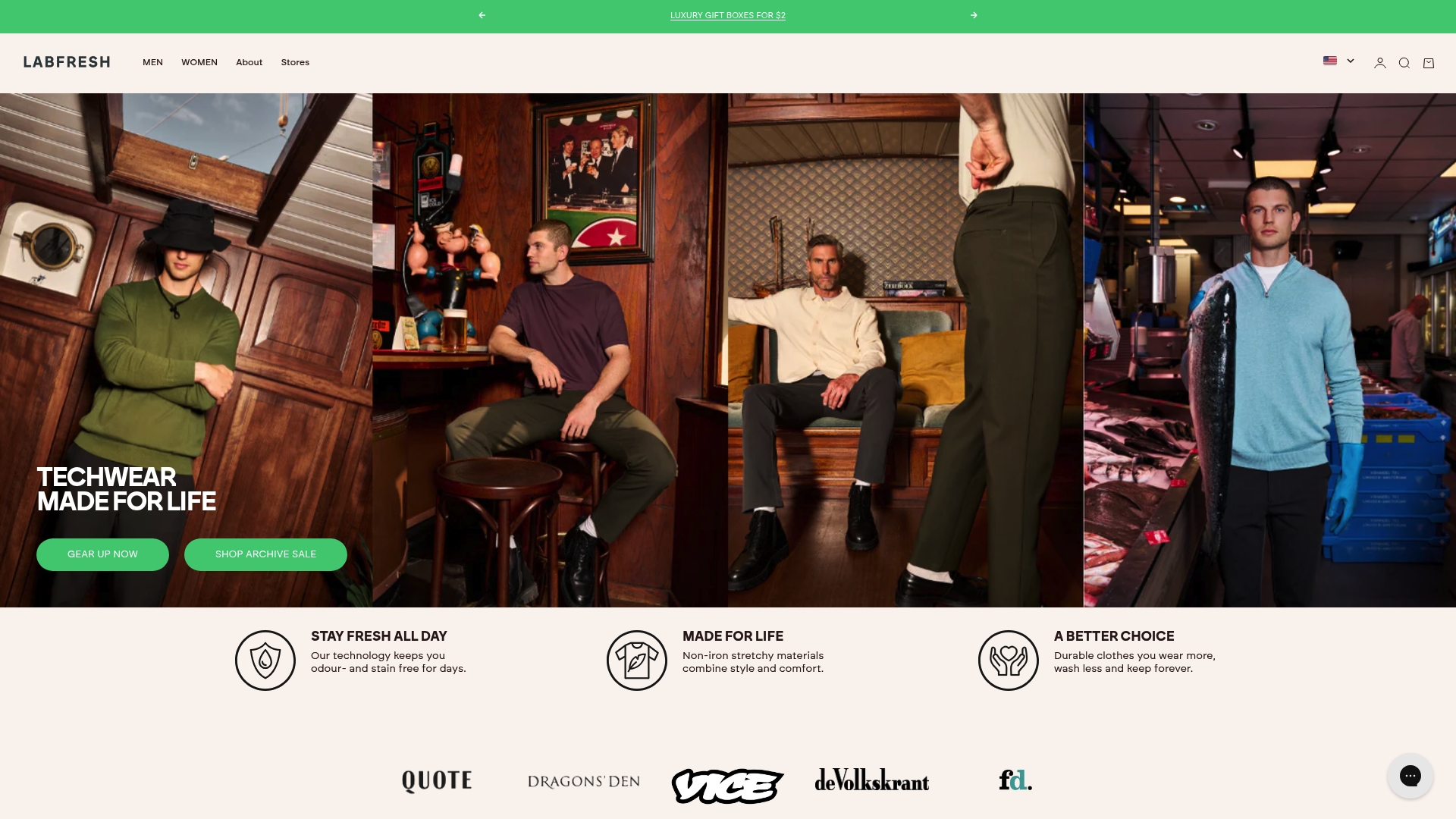
Explore Labfresh’s unique collections featuring tech-driven apparel built to last and support your commitment to mindful consumption. Don’t wait to upgrade your wardrobe with pieces that save time, water, and energy while keeping you effortlessly fresh. Visit Labfresh now to discover shirts, polos, pants, and outerwear crafted with durability and eco-conscious innovation at their core. Embrace premium, functional fashion designed for your sustainable future today.
Frequently Asked Questions
What are innovative fabric technologies in sustainable fashion for 2026?
Innovative fabric technologies refer to advanced materials designed for better performance and environmental sustainability. To explore these options, look for garments made with bio-based materials like Lyocell or Modal that minimize water consumption and chemical use in their production.
How does investing in durable clothing benefit the environment?
Investing in durable clothing significantly reduces textile waste by extending garment lifespan, which in turn lowers resource extraction and pollution from manufacturing. Aim to buy pieces that last five years or more to see noticeable decreases in your overall fashion footprint.
What are the advantages of odor and stain-resistant clothing?
Odor and stain-resistant clothing allows you to wear items longer between washes, decreasing water and detergent use. Choose garments with these features to extend wear time by 20-30%, thereby enhancing garment longevity and minimizing your environmental impact.
How can I create a seasonal capsule wardrobe?
To create a seasonal capsule wardrobe, focus on curating 30 to 40 versatile pieces that mix and match easily and reflect timeless styles. Start by selecting neutral base colors and complement them with a few accent pieces, aiming for a balanced combination that simplifies your wardrobe.
Why is supporting brands with transparent eco-friendly practices important?
Supporting brands with transparent eco-friendly practices ensures that your purchases contribute to genuine sustainability efforts. Look for brands that provide clear information about their supply chain and environmental impact to make informed decisions and promote accountability in the fashion industry.
What features should I look for in functional fashion?
When selecting functional fashion, look for features like breathable, stretchable fabrics, and practical details designed for comfort and movement. Prioritize items with seamless construction and strategically placed breathable panels to enhance your performance during daily activities.
Recommended
Comments