Step by Step Sustainable Clothing Care for Longevity
- Leroy Hughes

- Feb 1
- 6 min read
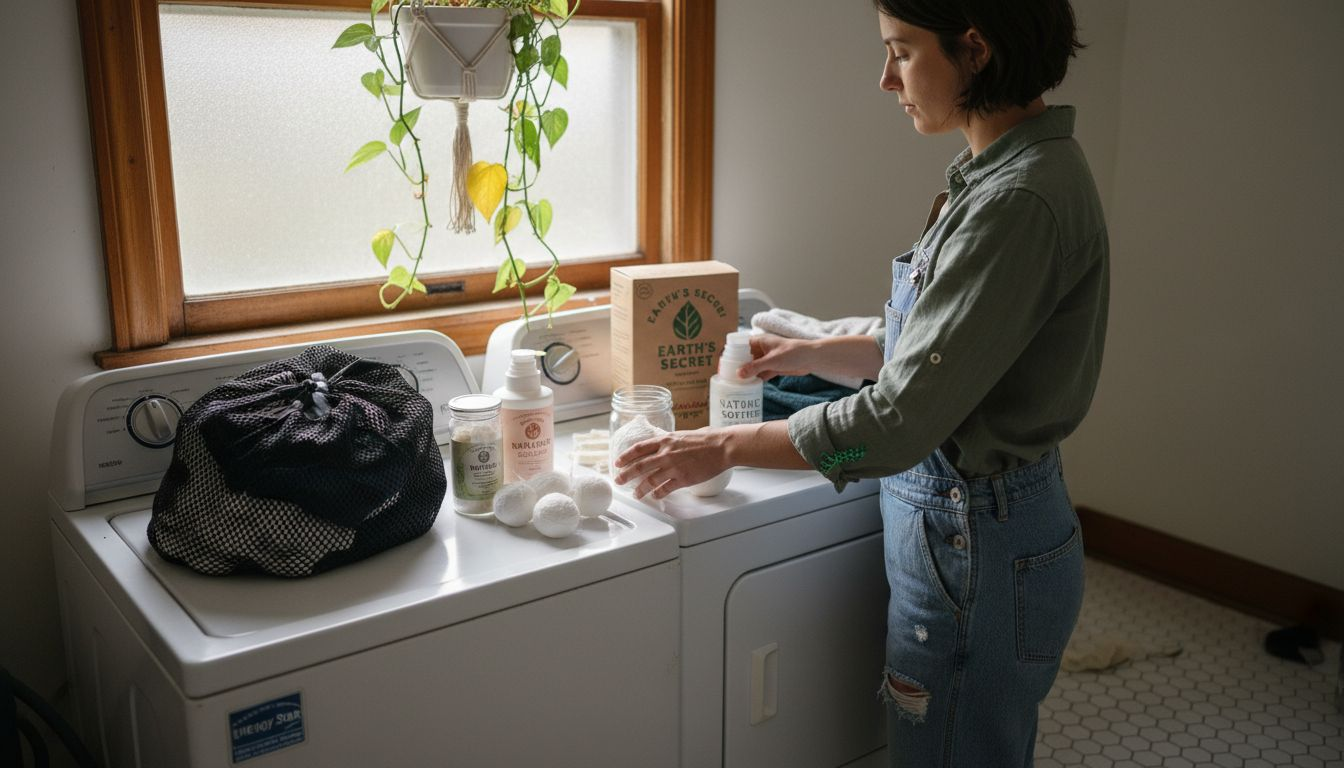
Handling laundry as a busy European professional often feels like just another task competing for your attention. Yet, the choices you make in caring for your wardrobe have a lasting effect on both the environment and your lifestyle. By choosing equipment that is ENERGY STAR certified and adopting cold water washing, you embrace sustainable clothing care that saves valuable resources and keeps your garments looking sharp. Discover how simple steps lead to low-impact, long-lasting results for you and the planet.
Table of Contents
Quick Summary
Key Takeaway | Explanation |
1. Choose Energy-Efficient Machines | Use a front-loading washing machine that is ENERGY STAR certified to save on water and electricity. |
2. Wash in Cold Water | Washing clothes in cold water minimizes energy use and protects garment integrity from shrinking and fading. |
3. Air-Dry Whenever Possible | Utilize air-drying techniques to eliminate energy consumption and preserve fabric quality. |
4. Sort Tech Clothing Carefully | Distinguish tech-enhanced garments based on their fabric types for proper care and maintenance. |
5. Regularly Inspect and Repair Clothing | Monthly inspections help catch wear and tear early, extending the life of your clothing. |
Step 1: Prepare Eco-Friendly Laundry Setup
Creating an eco-friendly laundry setup transforms your clothing care routine into a sustainable practice. Your goal is to minimize water usage, reduce energy consumption, and protect delicate fabrics while maintaining your wardrobe’s longevity.
Begin by selecting the right equipment and supplies for a green laundry experience. Focus on these key components:
Front-loading washing machine with high energy efficiency ratings
Cold water washing techniques for reduced energy consumption
Natural, biodegradable detergents free from harsh chemicals
Reusable microfiber-catching laundry bags
Compact drying rack or clothesline for air-drying
When choosing a washing machine, prioritize ENERGY STAR certified models that consume less water and electricity. These machines typically use 25% less energy and 33% less water compared to standard models. Opt for front-loading machines, which are significantly more water-efficient and gentler on clothing.
Here’s a summary comparing eco-friendly laundry methods and their impact:
Method | Environmental Benefit | Clothing Longevity Impact | Cost Consideration |
Energy-efficient wash | Reduces water and power usage | Gentler on fabrics, less wear | Higher initial investment |
Cold water washing | Lowers carbon footprint | Prevents shrinkage and fading | Saves on heating expenses |
Biodegradable detergents | Less water pollution | Gentle on technical textiles | Slightly higher per wash cost |
Air-drying | No energy consumption | Preserves fabric elasticity | Minimal equipment required |
Sustainable laundry starts with conscious equipment and method selection.
Pro tip: Invest in a mesh laundry bag to catch microfibers and prevent them from entering waterways during wash cycles.
Step 2: Sort and Treat Tech-Enhanced Garments
Sorting and treating tech-enhanced clothing requires a strategic approach to maintain their advanced fabric technologies and performance characteristics. Understanding the unique properties of your specialized garments ensures their longevity and continued functionality.
Start by carefully categorizing your tech-enhanced clothing based on their specific fabric technologies and care requirements. Advanced textile sorting techniques have revolutionized how we manage specialized garments, enabling more precise care methods. Organize your clothing into these key groups:
Performance fabrics with moisture-wicking properties
Odor-resistant and antimicrobial garments
Stain-resistant clothing with specialized coatings
Temperature-regulating textiles
Garments with integrated smart technologies
Each category demands unique handling to preserve its distinctive technological features. Pay special attention to washing temperatures, detergent selections, and drying methods that align with the fabric’s specific engineering. Avoid harsh chemicals that might degrade the advanced textile treatments, and always check the manufacturer’s care instructions for precise guidance.
Use this quick reference to identify care recommendations for tech-enhanced garments:
Garment Type | Essential Care Action | Damaging Practices to Avoid | Maintenance Frequency |
Moisture-wicking fabric | Cold wash, mild detergent | High-heat drying | Every wear |
Antimicrobial clothing | Gentle cycle, no bleach | Strong chemicals | Weekly |
Stain-resistant textiles | Low-temp drying, spot clean | Abrasive scrubbing | As needed |
Smart textile pieces | Delicate bag, no wringing | Tumble drying | Monthly check |
Tech-enhanced clothing requires intelligent, targeted care to maintain its advanced performance characteristics.
Pro tip: Invest in specialized delicate wash bags to protect intricate tech-fabric treatments during machine washing.
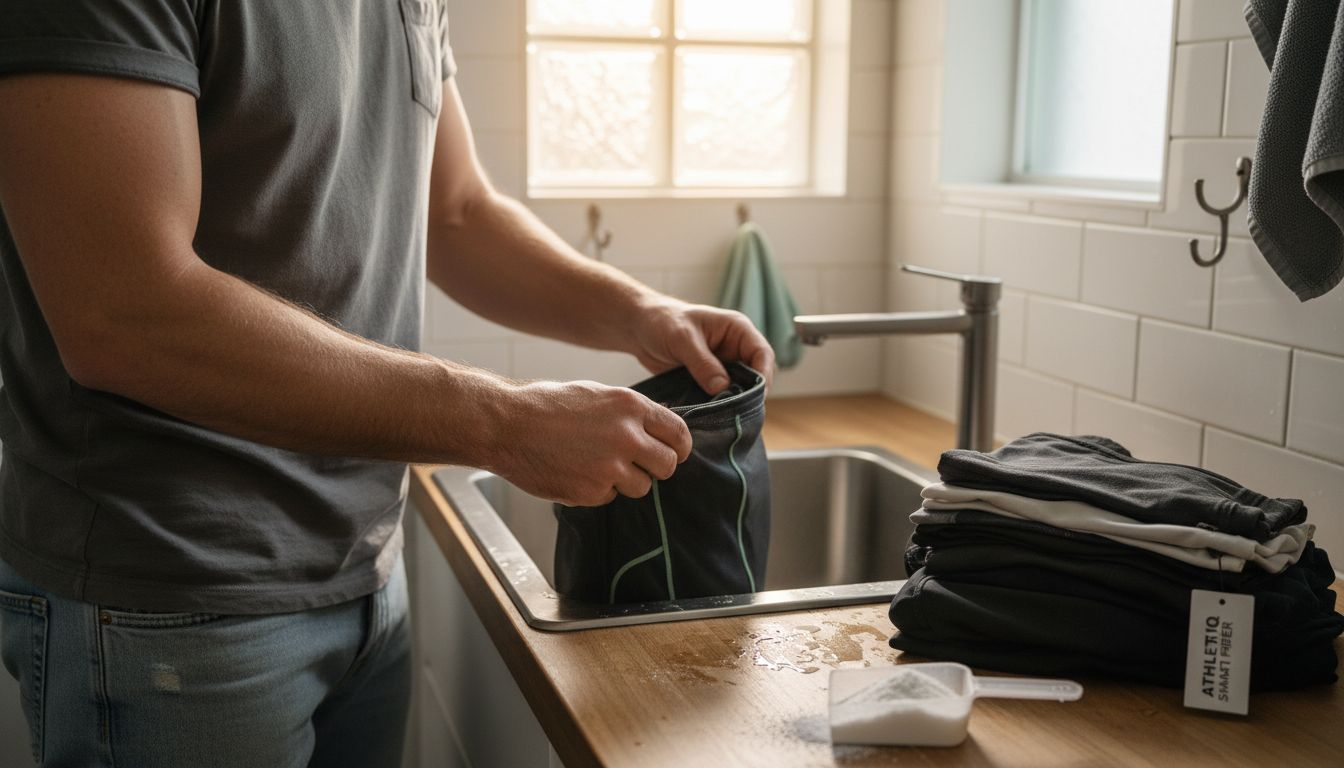
Step 3: Wash Using Low-Impact Practices
Reducing your laundry’s environmental footprint starts with mindful washing techniques that protect both your clothing and the planet. Cold water washing strategies can dramatically minimize your ecological impact while extending the life of your garments.
Implement these low-impact washing practices to create a more sustainable laundry routine:
Wash in cold water whenever possible
Use high-efficiency (HE) detergents
Select shorter, gentler wash cycles
Minimize laundry frequency
Group similar fabric types together
Cold water washing offers multiple benefits beyond environmental conservation. Approximately 90% of laundry energy goes toward heating water, so switching to cold temperatures can significantly reduce your carbon footprint. Natural and synthetic fabrics alike often perform better in lower temperatures, preventing shrinkage, color fading, and unnecessary fiber stress.
Sustainable clothing care begins with conscious washing decisions that protect both your wardrobe and the environment.
Pro tip: Invest in a microfiber-catching laundry bag to prevent microscopic plastic particles from entering water systems during each wash cycle.
Step 4: Dry with Energy-Saving Techniques
Transforming your drying routine into an eco-friendly process can significantly reduce energy consumption and protect your clothing. Energy-efficient drying strategies offer innovative ways to minimize environmental impact while maintaining garment quality.
Adopt these sustainable drying techniques to optimize your laundry workflow:
Air-dry clothing whenever possible
Use moisture-sensing dryer settings
Clean lint filters before each cycle
Select lower heat settings
Group similar fabric weights together
Avoid overdrying clothes
Heat pump dryers represent a breakthrough in energy-efficient technology, consuming 20-60% less energy than conventional models. By understanding and implementing smart drying practices, you can dramatically reduce your household’s energy consumption and extend the lifespan of your garments. Strategic drying techniques not only conserve resources but also help maintain the integrity of your tech-enhanced and delicate clothing.
Intelligent drying is the cornerstone of sustainable clothing care and energy conservation.
Pro tip: Invest in a collapsible drying rack that can be easily stored and positioned near a sunny window to maximize natural drying potential.
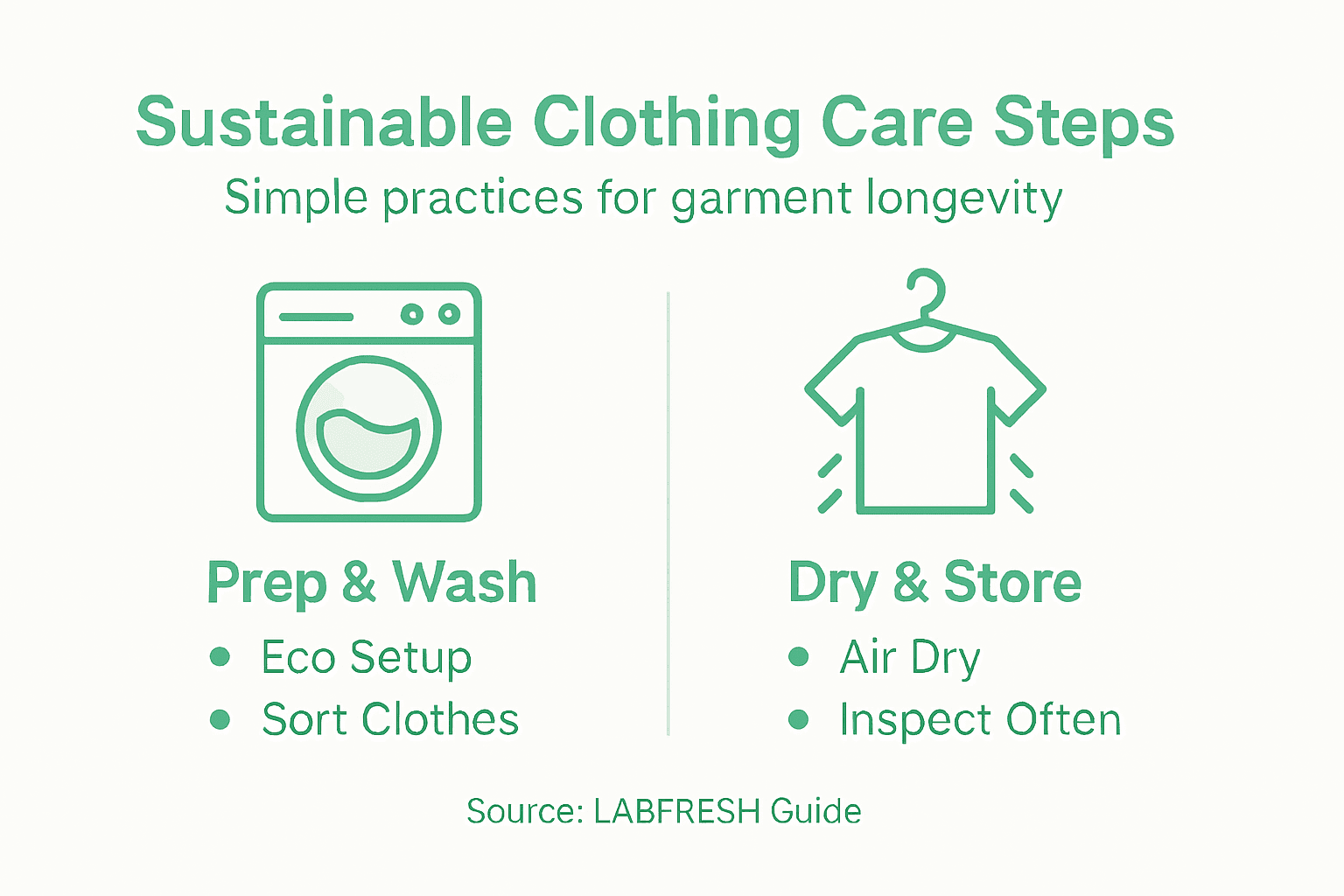
Step 5: Store and Inspect for Ongoing Durability
Maintaining your garments’ longevity requires strategic storage and consistent inspection techniques. Sustainable garment preservation strategies are critical for extending the life of your clothing and minimizing waste.
Implement these comprehensive storage and inspection practices:
Hang delicate garments on padded hangers
Store in cool, dry environments
Use breathable garment bags for special pieces
Rotate clothing to prevent excessive wear
Inspect clothes monthly for potential damage
Repair small issues immediately
Systematic clothing maintenance involves more than just storage. Each inspection is an opportunity to catch potential problems early, preventing minor wear from becoming major damage. Pay special attention to high-stress areas like elbows, knees, and seams, where fabric weakening typically occurs first. By developing a consistent care routine, you transform clothing maintenance from a chore into a proactive preservation strategy.
Thoughtful storage and regular inspection are the foundation of sustainable wardrobe management.
Pro tip: Create a simple digital or physical log to track repairs and maintenance for each garment, helping you anticipate and prevent future wear.
Elevate Your Sustainable Clothing Care with LABFRESH Innovation
Taking control of your wardrobe’s longevity means choosing apparel designed for durability and easy care. This article highlights the challenge of preserving tech-enhanced garments while reducing environmental impact through mindful washing and drying. LABFRESH products feature cutting-edge fabric technologies like FreshCore™ that resist odors and stains naturally. Our collections are tailored for those who want performance fabrics that simplify maintenance and promote sustainability.
Explore our range starting with LABFRESH | Shirts and T-shirts - LABFRESH designed for active lifestyles without sacrificing style or longevity.
Ready to upgrade your wardrobe with tech-driven apparel that stands up to frequent wear and low-impact washing? Visit LABFRESH now and discover how to combine innovative performance with sustainable clothing care. Experience the confidence of clothes that look fresh longer and support your eco-friendly routine. Start your journey toward effortless, sustainable style today.
Frequently Asked Questions
How can I create an eco-friendly laundry setup?
To create an eco-friendly laundry setup, focus on selecting an ENERGY STAR certified front-loading washing machine, using natural biodegradable detergents, and air-drying your clothes. Consider investing in a drying rack to significantly reduce energy use while prolonging the life of your garments.
What is the best way to care for tech-enhanced garments?
Caring for tech-enhanced garments involves sorting them by fabric type, following specific washing instructions, and using gentle cycles without harsh chemicals. Always check the care label for guidance; maintain these practices to ensure their performance and longevity.
How can I wash my clothes with low environmental impact?
Wash your clothes in cold water, use high-efficiency detergents, and opt for shorter wash cycles to reduce your environmental footprint. Reducing laundry frequency and grouping similar fabrics will also help save energy and resources.
What are some energy-saving techniques for drying clothes?
Air-drying clothes whenever possible is the best energy-saving technique; additionally, use moisture-sensing dryer settings and lower heat settings when tumble drying. By avoiding overdrying, you can save energy and extend the lifespan of your clothing by approximately 20-60%.
How should I store my clothes to ensure they last longer?
Store your clothes in a cool, dry place using padded hangers for delicate items and breathable garment bags for special pieces. Regularly inspect your clothing for wear and repair any damage promptly to maintain their longevity.
Recommended
Comments