Stain removal guide for professionals: 90% effective eco methods 2026
- Leroy Hughes

- Mar 4
- 11 min read
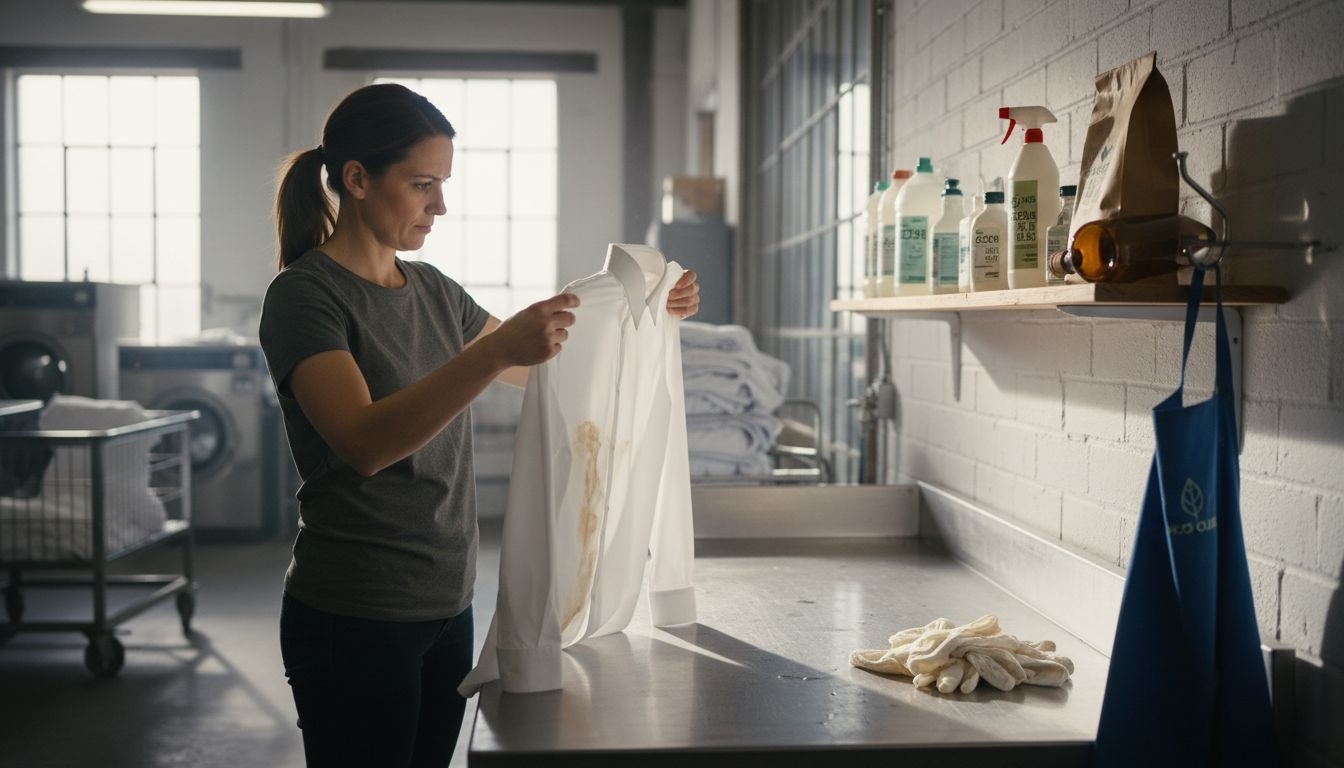
Premium apparel with tech-integrated fabrics presents unique stain removal challenges that demand precision, sustainability, and specialized knowledge. Over 30% of professional cleaning failures stem from misapplied temperature or solvent choices, resulting in permanent fabric damage or incomplete stain removal. This guide teaches professionals effective eco-friendly stain removal methods that preserve innovative fabric technologies while achieving removal rates exceeding 90%, balancing cleaning efficacy with environmental responsibility and fabric integrity.
Table of Contents
Key takeaways
Point | Details |
Targeted treatments vary by stain type | Enzyme-based methods excel for protein stains, surfactants for oils, achieving over 85% success rates. |
Pre-treatment boosts removal success | Proper pre-treatment increases final efficacy by over 25% in professional apparel care. |
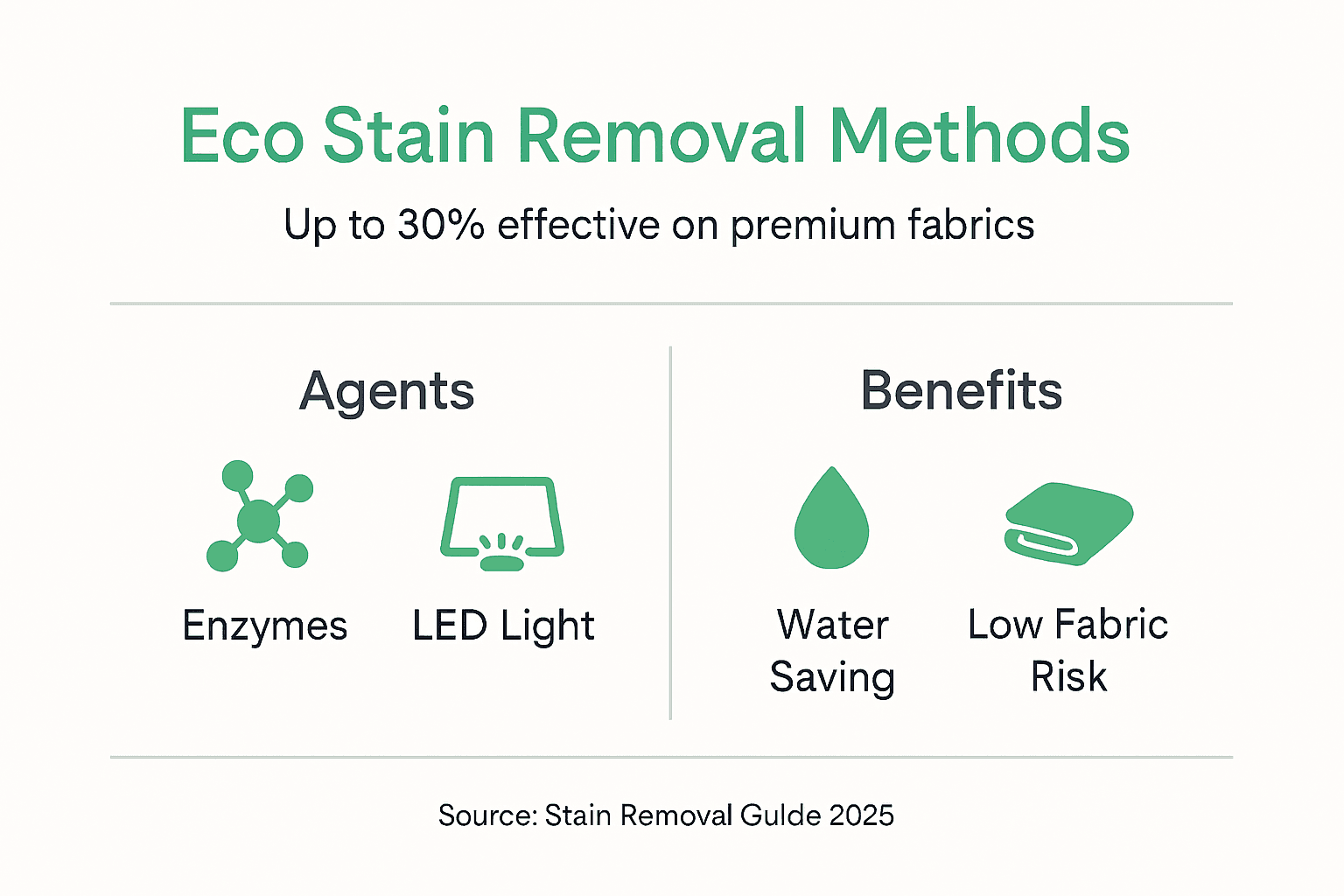
Eco-friendly methods reduce environmental impact | Enzymatic removers cut water use by 20-30% and energy by 15-25% versus traditional chemicals. |
Common mistakes cause failures | Wrong temperature or solvent selection contributes to over 30% of professional cleaning failures. |
Professional methods preserve fabric integrity | Specialized techniques achieve 90%+ removal rates with significantly less damage than home treatments. |
Introduction to stain removal for premium apparel
Premium and tech-integrated apparel demands specialized stain removal approaches that standard laundry methods cannot deliver. These garments often feature delicate constructions, moisture-wicking technologies, odor-resistant treatments, or innovative fabric blends that react unpredictably to conventional cleaning agents. Stain chemistry interacts differently with tech-integrated shirt fabrics compared to standard cotton or polyester, requiring professionals to understand both the stain composition and fabric technology.
Sustainability adds another critical dimension to professional stain removal. Eco-friendly methods prevent fabric degradation while reducing water consumption, chemical waste, and energy use. Professionals must balance aggressive stain removal with preserving fabric longevity and meeting increasingly stringent environmental standards. Clients expect their premium garments to maintain performance features like stain resistance, breathability, and structural integrity after treatment.
Professional setups achieve stain removal rates exceeding 90% with less fabric damage compared to home treatments. This success stems from:
Precise identification of stain type and fabric composition before treatment
Controlled application of targeted cleaning agents at optimal temperatures
Calibrated dwell times allowing chemical action without over-processing
Sequential treatment protocols addressing multiple stain components
Quality verification steps ensuring complete removal and fabric integrity
Mastering these elements separates professional services from amateur attempts. The following sections provide actionable protocols for achieving consistently high removal rates while protecting premium apparel investments.
Prerequisites and preparation for effective stain removal
Successful stain removal begins long before applying any cleaning agent. Accurate identification of both stain type and fabric composition determines which methods will work and which will cause permanent damage. Stains fall into five primary categories: protein-based (blood, sweat), oil-based (grease, cosmetics), tannin-based (coffee, wine), dye-based (ink, food coloring), and particulate matter (dirt, mud). Each requires different chemical approaches and temperature ranges.
Fabric identification matters equally. Natural fibers like cotton and wool tolerate different treatments than synthetics like polyester or nylon. Tech-integrated fabrics with premium apparel identification tips such as moisture-wicking coatings or odor-resistant treatments can degrade under harsh chemicals or high heat. Document fabric content, construction method, and any special finishes before proceeding.
Gather essential tools and agents before starting treatment:
Enzyme-based pre-treatment sprays containing protease, lipase, or amylase
Surfactant solutions compatible with delicate fabrics
pH-adjusted agents for tannin and dye management
Precision dosing tools for accurate agent concentration
Soft-bristle brushes or agitation pads for mechanical action
Temperature-controlled water sources
Documentation system for tracking stain details and treatment history
Proper pre-treatment can increase final stain removal efficacy by over 25% in professional apparel care. This preparation stage allows cleaning agents to penetrate stain molecules and begin breaking chemical bonds before the main wash cycle. Skip this step and you significantly reduce success probability.
Pro Tip: Create a quick-reference chart matching common stain types to optimal enzyme formulations and temperature ranges. Keep it posted in your work area for instant consultation during busy periods.
Stain Category | Optimal Agent | Temperature Range | Typical Dwell Time |
Protein-based | Protease enzymes | Cold (15-25°C) | 15-30 minutes |
Oil-based | Lipase/surfactants | Warm (30-40°C) | 20-40 minutes |
Tannin-based | pH-adjusted detergent | Cool to warm (20-35°C) | 10-25 minutes |
Dye-based | Oxygen bleach alternative | Cool (15-25°C) | 30-60 minutes |
Particulate | Mechanical agitation | Any suitable | 5-15 minutes |
Understanding fabric care guidelines specific to premium apparel prevents accidental damage during aggressive stain treatment. Always test new agents on inconspicuous areas first.
Core stain removal techniques by stain type
Different stain chemistries require tailored removal approaches to maximize efficacy while protecting fabric integrity. Following proven protocols organized by stain category ensures consistent professional results.
For protein-based stains (blood, sweat, dairy):
Rinse immediately with cold water to prevent coagulation
Apply protease enzyme solution directly to stain
Allow 15-30 minute dwell time at temperatures below 25°C
Gently agitate with soft brush to work enzyme through fabric
Rinse thoroughly before proceeding to main wash
Never apply heat to protein stains before enzyme treatment. Enzyme-based detergents excel at removing protein-based stains with success rates over 85% without damaging fabrics. Hot water causes proteins to denature and bond permanently to fibers, creating irreversible discoloration.
For oil-based stains (grease, cosmetics, cooking oil):
Blot excess oil without spreading the stain
Apply lipase enzyme or surfactant-based solution
Use warm water (30-40°C) to help dissolve oil molecules
Allow 20-40 minute dwell time with periodic gentle agitation
Rinse with warm water to carry dissolved oils away
Surfactant formulations achieve above 80% stain removal efficiency for oil-based stains in professional settings. The surfactant molecules surround oil droplets and allow them to suspend in water for removal.
For tannin and dye stains (coffee, wine, tea, ink):
Identify whether stain is acidic or alkaline
Apply pH-adjusted treatment solution
Maintain cool to moderate temperatures (20-35°C)
Monitor color change indicating stain breakdown
Rinse thoroughly to prevent re-deposition
Using water temperature tailored to stain type improves removal success rates by 20-30%. Temperature affects chemical reaction speed and fiber swelling, both critical for allowing cleaning agents to reach embedded stain molecules.
Pro Tip: Keep detailed notes on which agent combinations work best for specific stain and fabric pairings. Build your personal reference library over time to speed decision-making and improve outcomes.
When treating fabric-specific stain removal challenges, always verify compatibility between cleaning agents and any special fabric treatments or coatings. Tech-integrated fabrics may require modified protocols to preserve their performance characteristics.
Innovative and sustainable stain removal technologies
Emerging technologies are transforming professional stain removal by combining superior efficacy with reduced environmental impact. These innovations allow professionals to meet sustainability goals without compromising cleaning performance.
Blue LED photobleaching represents a chemical-free breakthrough for yellow stains on delicate fabrics. Blue LED photobleaching removes yellow stains effectively and sustainably without damaging delicate fabrics. The technology uses specific light wavelengths to break down chromophore molecules responsible for yellowing, eliminating the need for harsh bleaching agents that can weaken fibers or strip fabric treatments.
Artificial intelligence is revolutionizing commercial washing equipment. AI-driven washing machines improve stain removal rates by up to 15% and reduce water and detergent use by 10-20%. Smart sensors detect stain types, fabric composition, and load characteristics, then automatically adjust temperature, agitation intensity, chemical dosing, and cycle duration for optimal results. This precision reduces trial-and-error waste while protecting garments from over-processing.
Enzyme and microbial-based removers offer compelling sustainability advantages. Enzyme- and microbial-based stain removers reduce water use by 20-30% and energy consumption by 15-25% compared to conventional synthetic detergents. These biological catalysts work at lower temperatures and require less mechanical agitation, extending fabric life while cutting operational costs.
Key advantages of sustainable stain removal technologies:
Lower water consumption through precise dosing and shorter rinse cycles
Reduced energy use via cold-water enzyme treatments
Minimal toxic residue compared to traditional solvents
Enhanced fabric longevity through gentler chemical action
Improved worker safety from reduced hazardous chemical exposure
Technology | Removal Efficacy | Water Reduction | Energy Savings | Fabric Impact |
Traditional chemical | 75-85% | Baseline | Baseline | Moderate wear |
Enzymatic treatment | 85-92% | 20-30% reduction | 15-25% reduction | Minimal wear |
AI-optimized washing | 88-95% | 10-20% reduction | 12-18% reduction | Low wear |
LED photobleaching | 80-90% (yellowing) | 40-50% reduction | 30-40% reduction | Negligible wear |
Adopting these technologies positions your service as both performance-focused and environmentally responsible. Clients increasingly value sustainable practices, especially when caring for tech apparel care designed for longevity and repeated wear.
Common mistakes and troubleshooting in professional stain removal
Even experienced professionals encounter stain removal challenges. Understanding frequent errors and their corrections prevents costly garment damage and customer dissatisfaction.
Misapplication of temperature and cleaning agent type contributes to over 30% of professional cleaning failures in premium apparel. Hot water permanently sets protein stains by causing coagulation. Oil stains treated with cold water fail to dissolve properly. Alkaline detergents on acid-sensitive dyes cause color bleeding.
Critical mistakes to avoid:
Applying heat before completing enzyme pre-treatment on protein stains
Using acidic solutions on alkaline-sensitive fabrics or vice versa
Insufficient dwell time preventing complete chemical reaction
Excessive mechanical agitation damaging delicate fiber structures
Mixing incompatible cleaning agents creating ineffective or harmful compounds
Skipping fabric compatibility testing on tech-integrated materials
Re-washing without adjusting treatment approach after initial failure
When initial removal attempts fail, resist the urge to simply repeat the same process with more aggressive parameters. Analyze what went wrong first. Did the agent match the stain chemistry? Was temperature appropriate? Did you allow sufficient reaction time? Repeated failed attempts can permanently embed stains or damage fabric beyond repair.
Pro Tip: Photograph garments before treatment, during pre-treatment, and after final processing. This documentation protects you if disputes arise and helps identify patterns in your success rates across different stain and fabric combinations.
Recognize early warning signs of fabric damage:
Color fading or bleeding beyond the stain area
Fiber pilling or roughness where smoothness existed before
Loss of stretch or shape retention in elastic fabrics
Weakened areas showing thinning or transparency
Texture changes indicating coating or finish removal
If you notice these signs, stop treatment immediately. Further processing will only worsen damage. Consult with the client about realistic expectations before proceeding. Sometimes partial stain removal that preserves fabric integrity beats complete removal that destroys the garment.
“Understanding fabric limitations matters as much as mastering stain chemistry. The best stain removal technicians know when to stop pushing and accept 95% removal over risking total garment loss.”
For fabric damage prevention on premium apparel, always err on the side of gentler initial treatments. You can escalate intensity if needed, but you cannot reverse fiber damage.
Expected outcomes, timelines, and success metrics
Setting accurate expectations with clients requires understanding realistic success rates, treatment durations, and quality indicators for professional stain removal services.
Professional setups achieve stain removal rates exceeding 90% with significantly less fabric damage than home treatments. However, success varies by stain age, fabric type, and whether previous amateur removal attempts occurred. Fresh stains respond better than set stains. Natural fibers generally tolerate more aggressive treatments than delicate synthetics.
Typical treatment timelines:
Fresh, simple stains: 30-60 minutes including pre-treatment and main wash
Set or complex stains: 2-4 hours with multiple treatment cycles
Stubborn stains requiring specialized agents: 4-8 hours with rest periods between treatments
Delicate fabric treatments: Add 30-50% more time for reduced agitation and temperature
Multiple treatment cycles may be necessary for optimal results. Between cycles, allow fabric to rest so you can accurately assess removal progress. Rushing treatments by combining aggressive chemicals or high temperatures risks permanent damage.
Success metrics beyond simple stain visibility:
Color vibrancy maintained in surrounding fabric areas
Fabric hand (texture and feel) unchanged from original condition
Structural integrity preserved with no thinning or weakening
Special treatments (water resistance, odor control) remain functional
No chemical residue odor or skin irritation potential
Stain Category | Expected Success Rate | Average Treatment Time | Fabric Risk Level |
Fresh protein | 92-98% | 45-75 minutes | Low |
Set protein | 75-85% | 2-4 hours | Moderate |
Fresh oil | 88-95% | 60-90 minutes | Low |
Set oil | 70-82% | 3-5 hours | Moderate |
Tannin/dye | 85-92% | 90-150 minutes | Moderate |
Combination stains | 70-85% | 3-6 hours | Moderate to high |
Eco-friendly enzymatic methods maintain these success rates while reducing environmental impact. Water use decreases by 20-30% and energy consumption drops by 15-25% compared to traditional chemical approaches. Clients receive superior results with lower ecological footprint.
For assessing fabric integrity throughout treatment, conduct visual and tactile inspections between cycles. Compare treated areas to untreated fabric sections to detect subtle changes early.
Conclusion and best practices summary
Mastering professional stain removal for premium apparel requires integrating precise identification skills, targeted eco-friendly treatments, and continuous technology adoption. Success stems from understanding stain chemistry, respecting fabric limitations, and following proven protocols that balance efficacy with sustainability.
Essential principles for consistent results:
Always identify both stain type and fabric composition before selecting treatment methods
Match enzyme or surfactant formulations to specific stain chemistry for optimal breakdown
Use temperature ranges appropriate to stain category, avoiding heat on protein stains
Allow sufficient dwell time for chemical reactions without over-processing delicate fabrics
Implement eco-friendly technologies that reduce environmental impact while maintaining high success rates
Avoid common mistakes like temperature misapplication that cause 30%+ of failures
Document treatment details to build expertise and protect against disputes
Set realistic client expectations based on stain age, fabric type, and treatment complexity
The professional stain removal landscape continues evolving with innovations like blue LED photobleaching, AI-optimized washing systems, and advanced enzymatic formulations. Staying current with these technologies positions your service for superior outcomes and sustainability leadership. Commit to ongoing learning through industry publications, equipment demonstrations, and peer knowledge sharing.
By combining foundational stain removal science with cutting-edge sustainable methods, professionals achieve removal rates exceeding 90% while protecting premium fabric technologies and minimizing environmental impact. This expertise differentiates professional services and builds lasting client relationships based on consistently excellent results.
Explore Labfresh innovative apparel for professional stain challenges
While mastering stain removal techniques protects your clients’ investments, choosing apparel designed for stain resistance and easy care reduces treatment frequency from the start. Labfresh specializes in innovative, tech-integrated garments that complement professional cleaning services through built-in protective features.
Their performance pants collection incorporates fabric technologies that resist common stains before they set. Premium stain-resistant shirts feature treatments that repel liquids and oils, extending time before professional cleaning becomes necessary. For foundational wardrobe pieces, undershirts designed for stain resistance protect outer layers from sweat and body oils that cause persistent yellowing.
These innovations align with the eco-friendly stain removal principles covered in this guide. Garments requiring less frequent aggressive cleaning last longer and reduce overall environmental impact. Explore Labfresh collections to discover how advanced fabric technology supports both professional care standards and sustainability goals.
FAQ
How do enzyme-based stain removers protect delicate tech fabrics?
Enzymes target specific stain molecules through biological catalysis without harsh chemical action that damages fibers. They function effectively at low temperatures suitable for delicate textiles, preserving moisture-wicking treatments and structural integrity. This specificity allows complete stain breakdown while maintaining fabric performance characteristics.
What common errors should professionals avoid during stain removal?
Never apply hot water to protein-based stains before enzyme treatment, as heat permanently sets proteins. Always match cleaning agent chemistry to stain type rather than using generic detergents. Ensure sufficient dwell time for chemical reactions instead of rushing to mechanical washing.
How long does it typically take to remove tough stains from premium apparel?
Initial treatment requires 30-60 minutes for fresh stains but extends to 2-4 hours for set stains requiring multiple cycles. Complex or combination stains may need 4-8 hours with rest periods between treatments. Treatment duration varies significantly based on stain age, fabric sensitivity, and whether previous amateur removal attempts occurred.
Are eco-friendly stain removers as effective as traditional chemicals?
Enzymatic and microbial-based removers frequently match or exceed traditional chemical performance, achieving 85-92% success rates on most stain categories. They simultaneously reduce water consumption by 20-30% and energy use by 15-25%, delivering superior sustainability without compromising cleaning efficacy. Professional adoption of these technologies continues accelerating due to combined performance and environmental benefits.
Recommended
Comments