Role of Fabric Technology – Impact on Modern Apparel
- Leroy Hughes

- Feb 21
- 9 min read

Navigating the demands of city life often means choosing clothes that work as hard as you do. European professionals need stylish apparel that resists odors, shrugs off stains, and keeps maintenance to a minimum. Modern fabric technology integrates scientific breakthroughs with sustainable manufacturing, offering wardrobe solutions that last longer, feel better, and help cut down environmental impact. Discover how next-generation materials keep your style sharp while making daily life simpler and greener.
Table of Contents
Key Takeaways
Point | Details |
Fabric technology enhances clothing performance | Advanced textiles reduce the need for frequent washing, increase durability, and maintain appearance longer. |
Sustainability is integral to fabric innovations | Modern fabric technologies prioritize eco-friendly manufacturing, significantly lowering water and chemical usage. |
Smart textiles offer health-monitoring features | Wearable fabrics can track fitness metrics seamlessly, enhancing convenience for active professionals. |
Advanced fabrics simplify urban lifestyles | High-performance materials adapt to varying climates and reduce maintenance, making them ideal for busy schedules. |
Defining Fabric Technology in Apparel
Fabric technology transforms how modern clothing is created and performs. At its core, it combines scientific innovation with manufacturing precision to solve real problems—durability, functionality, and environmental responsibility working together.
What Fabric Technology Actually Is
Advanced textile processing methods go far beyond traditional weaving and knitting. Modern fabric technology integrates scientific research with industrial production to develop materials that last longer, perform better, and demand less maintenance.
It’s not just about the fabric itself. The approach encompasses everything from how fibers are processed to which chemicals are used during manufacturing. Think of it as the intersection of chemistry, engineering, and design working simultaneously.
Key components include:
Advanced manufacturing processes like weaving, knitting, and nonwoven fabrication
Eco-friendly chemical treatments that enhance performance without harming the environment
Energy-efficient production methods that reduce industrial waste
Material innovations that balance durability with sustainability
The Science Behind Modern Fabrics
When you wear clothing, you’re relying on years of research and development. Cutting-edge advancements in textile processing now include nanotechnology integration, biochemical treatments, and smart fiber development.
For European professionals, this matters because fabric technology directly affects your wardrobe efficiency. A shirt engineered with advanced fiber treatment resists odors naturally, reducing wash frequency by 40-60%. Less washing means less energy consumption, lower utility bills, and clothing that lasts longer.
The technology also addresses stain resistance through molecular-level treatments rather than heavy chemical coatings. This keeps your clothes looking fresh while remaining genuinely washable and sustainable.
How It Impacts Your Daily Life
You benefit from fabric technology every time you put on high-performance clothing. Advanced fabrics:
Reduce the number of washes needed between wears
Maintain shape and color longer than traditional fabrics
Perform in varying climate conditions without deterioration
Require minimal special care or maintenance
For busy professionals balancing work, fitness, and social commitments, this simplicity transforms your closet. Quality engineered fabrics mean fewer laundry sessions, less time spent on garment care, and clothing that actually keeps up with your lifestyle.
Modern fabric technology exists at the intersection of performance and sustainability. These aren’t separate goals—they’re interconnected. Durable fabrics that last years, not months, inherently reduce waste and environmental impact.
Pro tip: When shopping for apparel, check product descriptions for specific fabric technologies like odor-resistance and stain-resistance treatments—these practical features save you time, money, and maintenance headaches throughout the year.
Major Types and Innovations Explained
Fabric technology spans multiple categories, each solving different performance challenges. Understanding these types helps you choose clothing that genuinely matches your lifestyle and values.
Smart Textiles and Embedded Technology
Smart textiles with embedded sensors represent the cutting edge of wearable innovation. These fabrics monitor body temperature, heart rate, and movement patterns in real time.

For European professionals, this means workout gear that tracks performance without bulky devices. A shirt with integrated sensors provides fitness data while looking and feeling completely normal. The technology weaves seamlessly into the fabric structure itself.
High-Performance Fiber Innovations
Modern fibers go far beyond traditional cotton and polyester. Today’s options include:
Polymer-based fibers engineered for durability and elasticity
Nanofibers that create ultra-fine, breathable structures
Bioengineered textiles derived from sustainable sources
Self-healing fabrics that repair micro-tears automatically
These innovations directly address your everyday frustrations. A shirt with self-healing technology resists pilling and wear patterns. Nanofiber construction provides superior breathability without excess fabric weight.
Sustainable Manufacturing Breakthroughs
Cutting-edge technologies like AI-driven design and sustainable dyeing transform how fabrics are produced. Digital printing reduces water consumption by up to 90% compared to traditional methods.
Artificial intelligence optimizes fabric patterns to minimize material waste during cutting. The result: clothing that performs better while requiring fewer environmental resources.
Modern fabric innovations align performance with sustainability—you’re not compromising on either front.
Customization and Personalization
Advanced manufacturing enables mass customization previously impossible. Digital printing allows precise color matching and pattern creation without oversized production runs.
You can order custom fits and colorways without waiting months or paying premium prices. This technology democratizes personalized clothing for everyday professionals.
Here’s how major fabric technologies address key consumer needs:
Technology Type | Primary Benefit | Real-World Impact |
Smart Textiles | Fitness monitoring | Tracks biometrics during activity |
Nanofiber Fabrics | Enhanced breathability | Keeps wearer cooler, lighter feel |
Self-Healing Textiles | Extended garment lifespan | Reduces pilling and repairs micro-tears |
Sustainable Dyeing | Lower environmental footprint | Cuts water and chemical use drastically |
Custom Printing | Personalized style | Enables unique fits and colors at scale |
Pro tip: Look for garments specifically mentioning “advanced fiber technology” or “smart fabric integration” in product descriptions—these indicate genuine performance innovations, not just marketing language.
Odor and Stain Resistance Technologies
Odor and stain resistance represent two of the most practical fabric innovations for busy professionals. These technologies eliminate daily laundry hassles while extending garment lifespan significantly.
How Nanotechnology Creates Odor Resistance
Nanotechnology enables antibacterial effects through nanoparticles and nanocoatings that inhibit bacterial growth at the microscopic level. Bacteria cause odors, so stopping them before they multiply keeps clothes fresh longer.
Unlike traditional deodorants that mask smells, this approach prevents the problem at its source. The nanoparticles integrate directly into fabric fibers during manufacturing, creating a permanent protective layer.
For European professionals wearing the same shirt multiple times weekly, this matters enormously. You can wear a shirt for 5-7 days without odor development, dramatically reducing laundry loads.
Stain Resistance Through Molecular Barriers
Functional textile coatings apply durable finishes creating protective barriers against liquid penetration. Techniques like sol-gel processing bond these coatings permanently to fabric surfaces.
When coffee spills on treated fabric, the liquid sits on top rather than absorbing. You have time to blot without permanent staining. The coating works without making fabric feel plastic or uncomfortable.
Key Technologies at Work
These protective systems function through multiple mechanisms:
Antimicrobial nanoparticles that prevent bacterial colonization
Water-repellent coatings that cause liquids to bead and roll off
Self-cleaning properties that break down organic stains naturally
Bioactive materials integrated into fiber structures
Real-World Benefits for Your Lifestyle
A shirt engineered with both odor and stain resistance transforms how you manage your wardrobe. You wash less frequently, saving time, water, and energy costs. Clothes last longer because reduced washing means less fiber stress and color fading.
Professional clothing with integrated odor and stain resistance allows you to wear items longer between washes without compromising hygiene or appearance.
For those traveling frequently or maintaining active schedules, this technology solves a genuine problem. Business casual shirts remain presentation-ready after multiple wears, and accidental spills don’t ruin expensive pieces.
Pro tip: Check garment care labels for specific technology names like FreshCore or similar advanced treatments—these indicate genuine performance coatings, not just standard fabric finishes.
Sustainability and Longevity Impacts
Fabric technology directly addresses the environmental crisis in fashion. Advanced materials and manufacturing processes reduce the textile industry’s footprint while creating clothing that lasts years instead of seasons.
The Environmental Cost of Fast Fashion
Traditional apparel production consumes enormous resources. A single cotton shirt requires 2,700 liters of water to manufacture. Synthetic fabrics release microplastics during washing, polluting waterways globally.
Worse, most clothing ends up in landfills within months of purchase. Fast fashion’s throwaway model generates 92 million tons of textile waste annually worldwide. This cycle perpetuates environmental damage across multiple sectors.
How Modern Fabrics Break the Cycle
Sustainable fabric technology incorporates bio-based materials and eco-friendly processing that reduce water usage, chemical inputs, and production waste. These innovations align with circular economy principles where materials cycle through systems rather than ending in disposal.
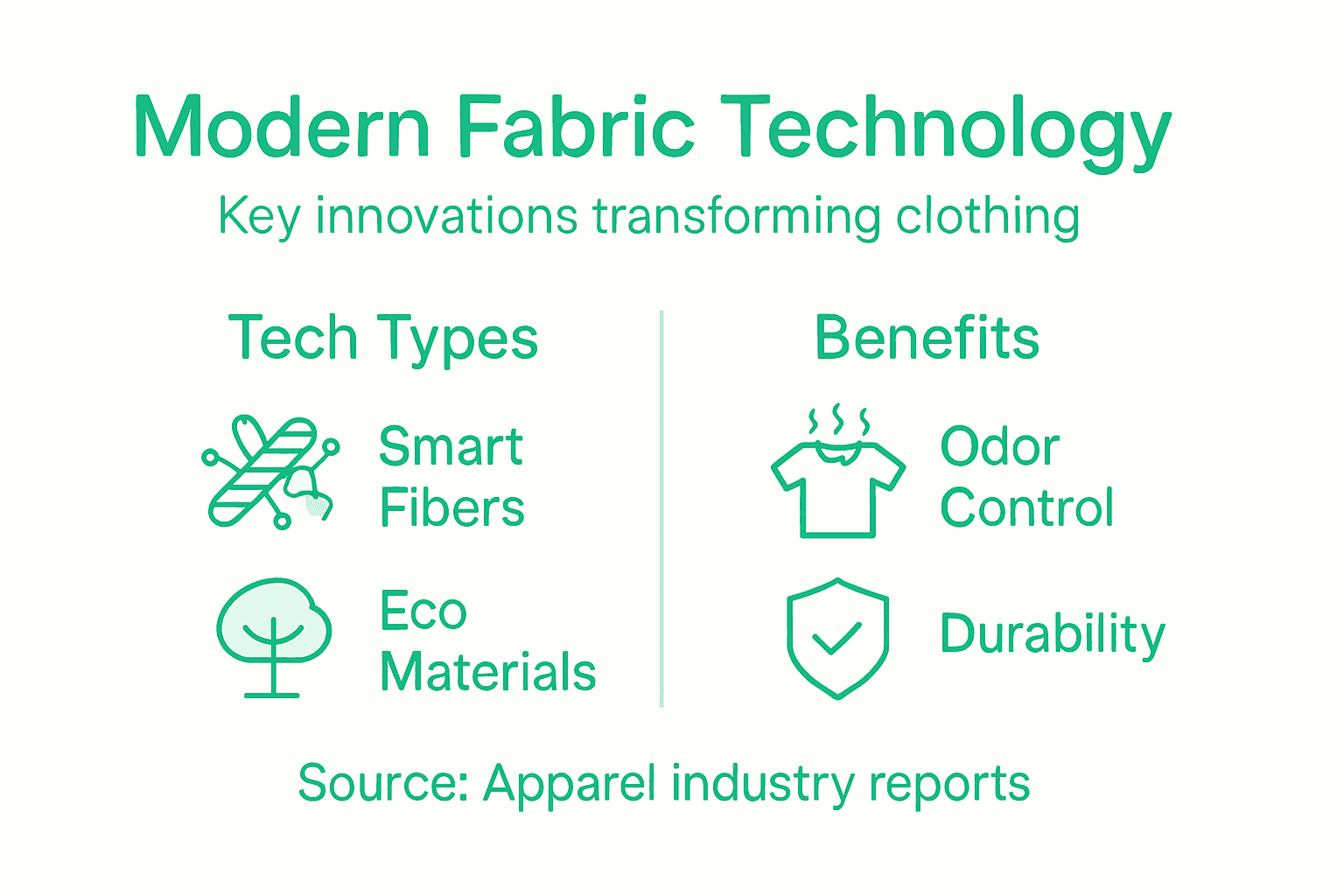
Durable fabric design prevents premature deterioration. A shirt engineered to last 5 years instead of 6 months eliminates 80% of the environmental impact per wear. Longevity is sustainability’s most powerful tool.
Measurable Environmental Benefits
Advanced fabric technologies deliver concrete reductions:
Here’s a summary of sustainability improvements from advanced fabric technology:
Challenge | Traditional Approach | Advanced Solution | Impact |
Water Consumption | High (2,700L/shirt) | Reduced by 50-70% | Less environmental strain |
Fabric Longevity | 6 months | 5 years or more | Vastly less textile waste |
Chemical Pollution | Heavy input | Targeted, eco-friendly | Cleaner manufacturing process |
Microplastic Release | Common in synthetics | Minimized via durable fibers | Reduced waterway contamination |
Water consumption drops by 50-70% compared to conventional production
Chemical inputs decrease through targeted finishing processes
Manufacturing energy requirements lower through optimized procedures
End-of-life recycling becomes viable with durable, quality materials
Life Cycle Thinking
Technological innovations optimizing raw material sourcing and energy-efficient manufacturing demonstrate measurable greenhouse gas reductions. A high-performance shirt you wear for five years generates less carbon than purchasing five disposable alternatives.
For European professionals committed to sustainability, this represents genuine environmental action. You’re not compromising style or performance while reducing your fashion footprint.
Quality fabrics engineered for durability inherently solve sustainability challenges—fewer replacements mean less resource consumption across the entire production lifecycle.
Your Role in Sustainable Fashion
Choosing durable, well-engineered clothing directly impacts environmental outcomes. Each garment you keep longer instead of discarding prevents resource extraction, manufacturing pollution, and landfill waste.
This isn’t about sacrifice. Advanced fabrics perform better, look sharper, and actually reduce your laundry burden through odor and stain resistance.
Pro tip: Invest in fewer, higher-quality pieces with advanced fabric technologies rather than numerous fast-fashion items—you’ll spend less overall while dramatically reducing your environmental impact and wardrobe maintenance time.
Practical Benefits for Urban Lifestyles
Urban professionals face unique wardrobe challenges. Commuting, climate variations, work demands, and active schedules require clothing that performs reliably without constant maintenance. Advanced fabric technology delivers exactly this.
Time-Saving Benefits
Durable and easy-care textiles withstand repeated use and cleaning while reducing premature wear. This means fewer shopping trips, less laundry stress, and more closet consistency.
A European professional juggling office meetings and gym sessions needs clothing that adapts. Advanced fabrics eliminate the “nothing to wear” crisis by keeping pieces presentation-ready for longer periods.
Comfort in Dense Urban Environments
City living means variable temperatures, crowded transit, and unpredictable conditions. Your clothing must handle rapid shifts from heated trains to cold streets without sacrificing comfort.
Smart fabric innovations provide adaptive temperature regulation and enhanced breathability that adjust to environmental changes. Moisture management keeps you dry during commutes while maintaining comfort during office hours.
Performance Features That Matter Daily
Advanced fabrics simplify urban living through practical benefits:
Thermal regulation prevents overheating or chilling during climate transitions
Moisture-wicking keeps you comfortable through active days
Odor control extends wear between washes
Stain resistance handles coffee spills and urban grime
Self-cleaning surfaces reduce visible dirt accumulation
Longevity Saves Money and Stress
Quality engineered pieces cost more upfront but cost less over time. A shirt lasting five years versus one year represents 80% savings per wear. For budget-conscious professionals, this efficiency matters significantly.
You also spend less time shopping, trying on clothes, and managing your wardrobe. This time investment translates to real money saved and reduced decision fatigue.
Health and Wellness Integration
Integrated health monitoring through smart textiles tracks fitness metrics without carrying devices. Your shirt becomes a fitness partner, monitoring performance during workouts and daily activity.
Advanced fabrics transform clothing from passive wear into active performance partners that simplify daily life.
For health-conscious urbanites, this seamless integration supports wellness goals without requiring additional purchases or wearables.
Pro tip: Build your urban wardrobe around 5-7 core pieces with advanced fabric technologies rather than 20+ basic items—you’ll save time getting dressed, reduce laundry burden, and spend less money long-term while looking more polished consistently.
Experience Fabric Technology That Transforms Your Wardrobe Today
Struggling with odor, stains, and constant laundry? The article highlights how advanced fabric technologies like odor-resistance and stain-resistance make clothing last longer and require less care. If you want durable, easy-care apparel designed for busy professionals, explore our collection! Discover innovations like FreshCore™ and Seawool that reduce washing frequency and maintain sharp looks without compromise.
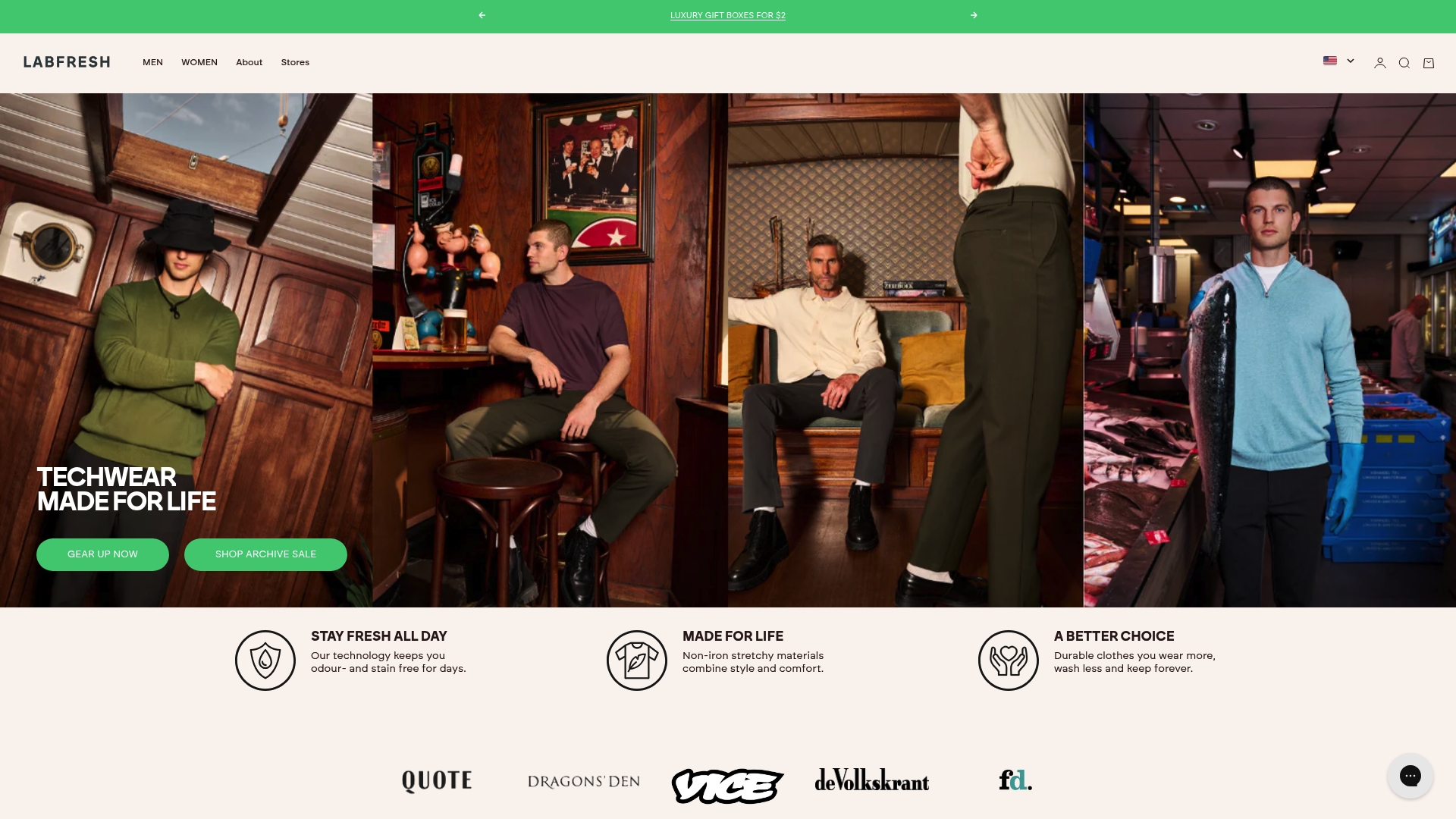
Upgrade your wardrobe with The Perfect Performance Shirts | LABFRESH or check out The Smartest T-shirts | LABFRESH that combine style and high-tech fibers. For full outfit solutions, see The Performance Pants | LABFRESH. Visit LABFRESH now and enjoy clothing that works as hard as you do. Act today for a wardrobe that saves you time, money, and stress without sacrificing sustainability or style.
Frequently Asked Questions
What is fabric technology?
Fabric technology refers to the scientific innovation and advanced manufacturing processes used to create textiles that are more durable, functional, and environmentally responsible. It integrates chemistry, engineering, and design.
How does fabric technology improve clothing performance?
Fabric technology improves clothing performance through advancements such as odor and stain resistance, moisture-wicking capabilities, and smart textiles that monitor bodily functions. It allows garments to last longer and require less maintenance.
What are smart textiles, and how do they benefit users?
Smart textiles are fabrics embedded with sensors that monitor variables like body temperature and heart rate. They provide real-time fitness data, which allows users to track their performance without bulky devices.
How does advanced fabric technology contribute to sustainability?
Advanced fabric technology reduces the environmental impact of clothing production by utilizing eco-friendly processes, lowering water consumption, minimizing chemical use, and creating durable products that last longer, thereby reducing waste.
Recommended
Comments