How to reduce fashion waste with sustainable clothing
- Leroy Hughes

- Mar 8
- 10 min read

Active lifestyles demand frequent wardrobe rotations, but this convenience comes with a hidden cost. The fashion industry generates over 92 million tons of textile waste annually, and consumers unknowingly contribute through constant purchasing and disposal cycles. Tech-integrated, durable clothing offers a practical path to reduce your environmental footprint while maintaining the style and performance your busy life requires.
Table of Contents
Key takeaways
Point | Details |
Choose durable fabrics | Odor-resistant and stain-resistant technologies reduce washing frequency and extend garment lifespan by years. |
Practice sustainable care | Cold water washing and air drying preserve fabric integrity and cut energy consumption significantly. |
Embrace circular fashion | Repairing, upcycling, and donating clothes keeps textiles out of landfills and reduces new production demand. |
Buy mindfully | Avoiding impulsive purchases and choosing quality over quantity lowers overall textile consumption and waste. |
Introduction to fashion waste and its environmental impact
The scale of fashion waste presents a sobering reality for conscious consumers. Global textile production creates massive environmental strain, with disposal patterns amplifying the problem at alarming rates. Understanding these impacts provides the foundation for making meaningful changes in your wardrobe choices.
Textile waste reaches unprecedented levels worldwide, with the fashion industry producing over 92 million tons of discarded materials each year. Nearly 85% of discarded clothes end up in landfills rather than recycling programs. These mountains of fabric release methane as they decompose and leach harmful chemicals into soil and water systems.
The environmental consequences extend beyond landfills:
Textile production consumes 93 billion cubic meters of water annually, enough to meet the needs of five million people
Dyeing and finishing processes contribute roughly 20% of global industrial water pollution
Synthetic fabrics shed microplastics during washing, contaminating oceans and entering food chains
Carbon emissions from fashion production rival those of international aviation and shipping combined
Active consumers face a unique challenge. Your lifestyle demands performance clothing that withstands frequent use, but traditional fast fashion options wear out quickly. This cycle pushes you toward constant replacement, inadvertently feeding the waste problem. Recognizing this pattern represents the first step toward sustainable change.
Prerequisites for reducing fashion waste effectively
Successful waste reduction requires specific knowledge and resources before you begin transforming your wardrobe habits. Preparation ensures your efforts produce lasting results rather than temporary changes that fade when motivation wanes.
Start by building your understanding of sustainable materials:
Learn to identify durable fabric certifications like OEKO-TEX, GOTS, or bluesign
Research fabric technologies that reduce maintenance needs and extend wear time
Understand the difference between recycled, organic, and regenerative textile production
Familiarize yourself with care labels and proper maintenance techniques for different materials
Basic garment care knowledge forms another essential foundation. You need to know which washing temperatures suit different fabrics, how to remove stains without damaging fibers, and when professional cleaning becomes necessary. This expertise prevents premature wear from improper handling.
Access to quality sustainable apparel makes implementation practical. Look for brands offering tech-enhanced fabrics with proven durability and performance features. These garments should match your lifestyle demands while meeting environmental standards.
Commitment to circular fashion principles ties everything together. This mindset shift moves you from viewing clothes as disposable items to treating them as investments worth maintaining. You’ll need patience to build sustainable habits and willingness to pay slightly more upfront for quality that lasts exponentially longer.
Pro Tip: Start a clothing journal tracking purchase dates, cost per wear, and garment lifespan. This data reveals which pieces deliver real value and helps identify waste patterns in your buying habits.
Step 1: selecting durable, low-maintenance sustainable clothing
Your garment choices directly determine how much waste you generate over time. Tech-integrated fabrics with enhanced durability and reduced maintenance needs represent the most effective starting point for waste reduction.
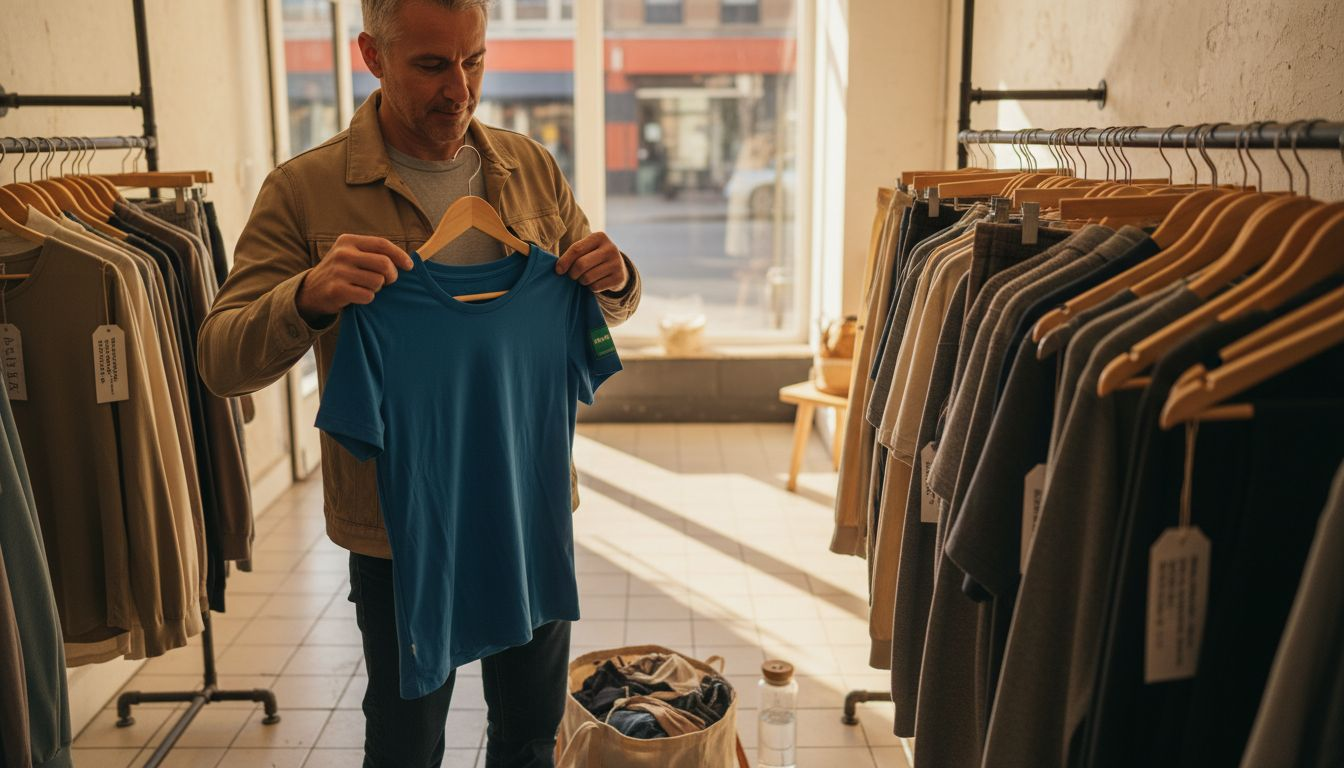
Odor-resistant and stain-resistant technologies fundamentally change the wear-wash cycle. FreshCore™ fabrics actively neutralize bacteria that cause smell, letting you wear shirts multiple times between washes. This capability cuts laundry frequency by 60-70% compared to traditional cotton, reducing water consumption, energy use, and fabric degradation from repeated washing.
Feature | Traditional Cotton | Tech-Enhanced Fabric |
Washes per week | 2-3 times | 1 time or less |
Expected lifespan | 1-2 years | 3-5 years |
Water usage (annual) | 15,000 liters | 6,000 liters |
Stain resistance | Low | High |
Odor control | None | Active neutralization |
Longevity comparisons reveal dramatic differences. A 4-way stretch shirt with integrated performance features typically lasts three to five years with regular use, while standard fast fashion equivalents show significant wear within 12-18 months. This durability gap means buying one quality piece instead of three or four replacements, directly cutting textile waste.
Sustainable fiber selection amplifies environmental benefits. Look for recycled polyester, which uses 59% less energy than virgin polyester production. Organic cotton avoids pesticide pollution affecting soil and water systems. Innovative materials like Seawool incorporate recycled ocean plastic and oyster shells, creating functional fabrics from waste streams.
Cost efficiency over the garment lifecycle justifies higher initial investment. A $120 non-iron stretch shirt worn 300 times costs $0.40 per wear. Three $40 conventional shirts worn 100 times each cost $0.40 per wear but generate triple the waste. The durable option delivers identical cost efficiency with significantly lower environmental impact.
Pro Tip: Calculate cost per wear before purchasing. Divide the price by estimated wear occasions (quality items should reach 200+ wears). This metric reveals true value and helps avoid false economy of cheap, short-lived garments.
Consider the sustainability practices behind production methods. Brands using renewable energy, minimizing water consumption, and ensuring fair labor conditions deliver comprehensive environmental benefits beyond just durable products.
Step 2: adopting sustainable garment care practices
How you maintain clothes dramatically affects their lifespan and environmental footprint. Simple care adjustments preserve fabric integrity while reducing resource consumption across your entire wardrobe.
Cold water washing protects fibers from heat damage and saves substantial energy. Washing at 30°C instead of 60°C cuts energy use by roughly 60% per load while preventing the fiber degradation that causes premature wear. Modern detergents work effectively in cold water, eliminating performance concerns.
Air drying represents another crucial practice. Tumble dryers apply intense heat and mechanical stress that weakens fabric structure over time. Line drying or flat drying preserves elasticity and prevents shrinkage, extending garment life by 25-40% compared to machine drying. This method also eliminates the 6% of residential energy consumption attributed to clothes dryers.
Avoid over-washing, which remains one of the most common ways people inadvertently shorten garment life:
Wear items multiple times before washing unless visibly soiled or odorous
Spot clean minor stains instead of washing entire garments
Air out clothes between wears to refresh without water use
Use garment bags for delicate items to reduce friction damage during necessary washes
Gentle detergents without harsh chemicals preserve fabric treatments and color vibrancy. Biodegradable options reduce water pollution from washing runoff. Skip fabric softeners, which coat fibers and reduce moisture-wicking properties in performance fabrics.
Tech-enhanced garments amplify these benefits. A sweat proof undershirt with integrated odor control needs washing far less frequently than conventional options. Combined with cold water washing and air drying, you create a maintenance routine that fits seamlessly into active lifestyles while minimizing environmental impact.
Step 3: behavioral changes and circular fashion techniques
Sustainable wardrobe management extends beyond smart purchasing and care to embrace circular principles that keep textiles in use and out of waste streams. These behavioral shifts create the most significant long-term impact on fashion waste reduction.
Mindful buying requires questioning each purchase:
Do I need this item or simply want it temporarily?
Will this piece integrate with my existing wardrobe for multiple outfit combinations?
Does the quality justify the price based on expected wear frequency?
Can I identify specific occasions when I’ll wear this garment?
Does this purchase align with my style and functional needs long-term?
This deliberation process cuts impulsive buying that leads to barely worn items cluttering closets before disposal. Research shows consumers wear garments an average of just seven times before discarding them. Intentional purchasing raises this number substantially.
Repairing and upcycling extend garment life by up to 50%, transforming clothes you might discard into renewed wardrobe staples. Simple repairs anyone can learn include:
Sewing loose buttons before they fall off permanently
Patching small holes or tears with iron-on fabric patches
Replacing broken zippers rather than discarding otherwise functional garments
Hemming pants that have become worn at the bottom
Upcycling takes this further by transforming damaged items into new uses. Convert worn dress shirts into casual short-sleeve versions. Transform stained pants into shorts. These modifications salvage significant portions of garments rather than discarding them entirely.
Donation and recycling create responsible end-of-life pathways when clothes truly no longer serve you. Donate wearable items to local charities or use resale platforms to give them second lives. For truly worn-out pieces, textile recycling programs break down fibers for reuse in insulation, rags, or new fabric production.
Avoid fast fashion temptations by building a core wardrobe of versatile, durable pieces. Invest in quality shirts that work across casual and professional settings. This approach reduces the total number of garments you need while ensuring each piece gets substantial use.
Pro Tip: Implement a one-in-one-out rule. When buying something new, donate or recycle an existing item. This practice maintains wardrobe size, prevents accumulation, and forces more deliberate purchase decisions.
Common mistakes to avoid when reducing fashion waste
Even well-intentioned sustainable practices can backfire when common errors undermine your efforts. Recognizing these pitfalls helps you maximize waste reduction effectiveness.
Over-washing represents the most widespread mistake. Many people wash clothes after single wears out of habit rather than necessity, cutting garment lifespan by approximately 25% through unnecessary fiber degradation. Tech fabrics with odor control specifically address this issue, but old habits persist. Trust the technology and wear items multiple times when they remain fresh and clean.
Ignoring repair opportunities accelerates waste needlessly. A missing button or small tear takes minutes to fix but often triggers garment disposal. Learning basic mending skills or using professional tailoring services for complex repairs extends use dramatically. The cost of alterations or repairs almost always proves cheaper than replacement.
Impulsive shopping undermines sustainable intentions:
Sales and promotions tempt purchases of items you don’t actually need
Trend-chasing leads to buying clothes you’ll abandon when styles shift
Emotional shopping creates closets full of rarely worn garments
Failing to consider existing wardrobe creates redundant purchases
Set a 48-hour waiting period before non-essential clothing purchases. This cooling-off period eliminates most impulse buys that become waste.
Improper disposal sends recyclable textiles to landfills unnecessarily. Many municipalities lack curbside textile recycling, but specialized programs exist. Research local options or use mail-in services that ensure proper recycling. Even damaged items unsuitable for donation can often be recycled into new materials.
Neglecting proper storage damages clothes between seasons. Use breathable garment bags, avoid wire hangers that create shoulder bumps, and protect items from moths with cedar or lavender. Proper storage prevents damage that forces premature replacement.
Expected results and measurable outcomes
Tracking your progress provides motivation and validates the effectiveness of sustainable fashion practices. Clear metrics help you understand the real impact of your behavioral changes.
Garment lifespan increases form the most visible outcome. Tech-integrated durable clothing typically lasts 1.5 to 3 years longer than fast fashion equivalents with identical use patterns. This extension means buying roughly 60% fewer replacements over a five-year period, directly translating to reduced waste generation.
Outcome Metric | Traditional Approach | Sustainable Approach | Improvement |
Average garment lifespan | 1.5 years | 4+ years | 166% increase |
Annual clothing purchases | 68 items | 25 items | 63% reduction |
Cost per wear | $2.50 | $0.80 | 68% savings |
Water consumption (annual) | 22,000 liters | 9,500 liters | 57% decrease |
Textile waste generated | 85 kg | 30 kg | 65% reduction |
Repair and upcycling practices deliver additional lifespan extensions of 40-50% beyond initial expectations. A quality shirt you might wear 200 times gains another 80-100 wears through simple maintenance, dramatically improving resource efficiency.
Cost savings accumulate over time despite higher initial investments. Quality durable apparel delivers 20% lifecycle cost savings compared to repeatedly buying cheaper alternatives. These savings grow more substantial as garment lifespan extends through proper care and maintenance.
“Combining durable fabric selection, sustainable care practices, and circular fashion techniques typically reduces personal textile waste by 30-40% in the first year. This impact compounds over time as habits solidify and wardrobe composition shifts toward longevity-focused pieces.”
Environmental metrics provide broader context. Each person reducing fashion waste by 40% prevents approximately 35 kilograms of textiles from entering landfills annually. Scaled across communities, these individual actions create significant collective impact on the fashion industry’s environmental footprint.
Track your progress using simple metrics like purchases per year, cost per wear calculations, and clothing donation/disposal frequency. These measurements reveal trends and help identify areas for continued improvement.
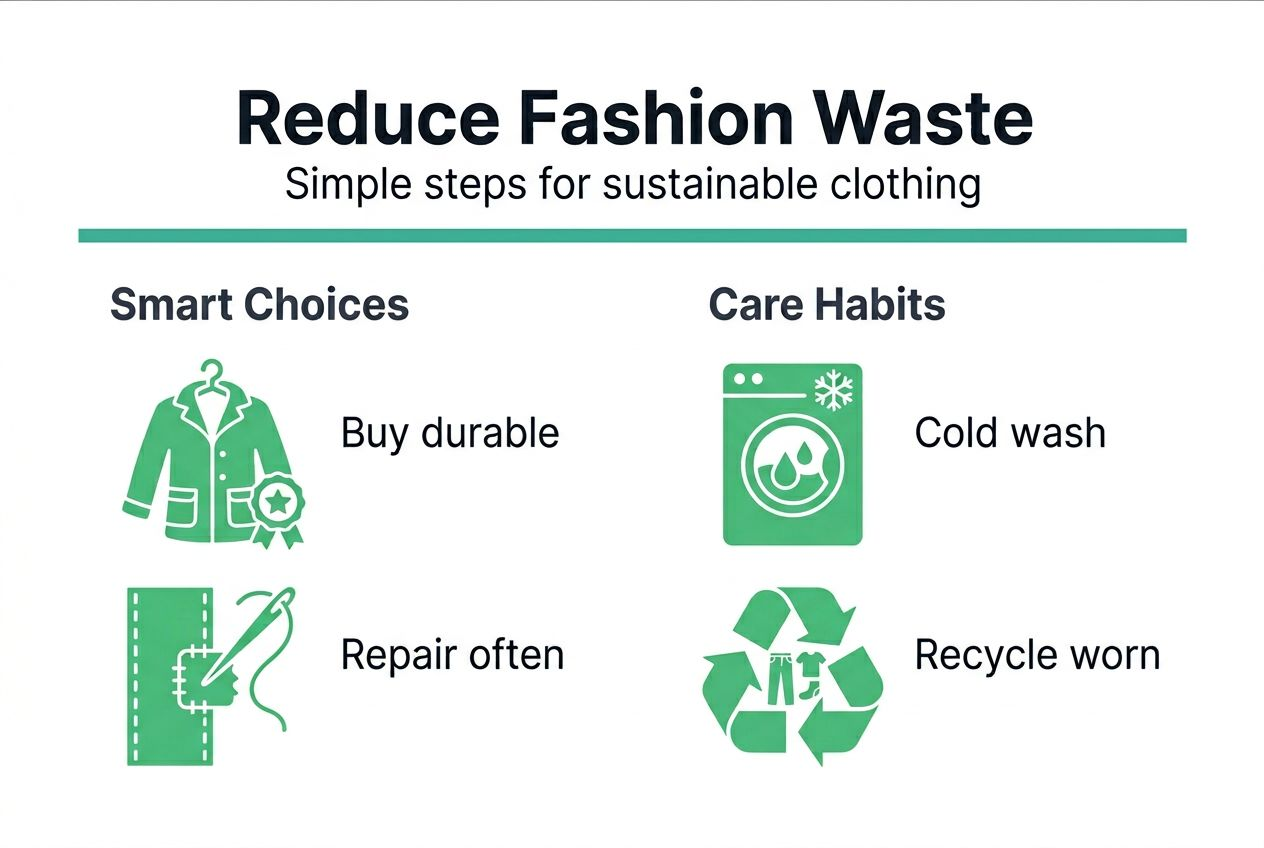
Explore durable and sustainable clothing options
Transforming your wardrobe toward sustainability becomes practical when you access products designed specifically for durability and reduced environmental impact. Tech-integrated apparel delivers the performance your active lifestyle demands while supporting waste reduction goals.
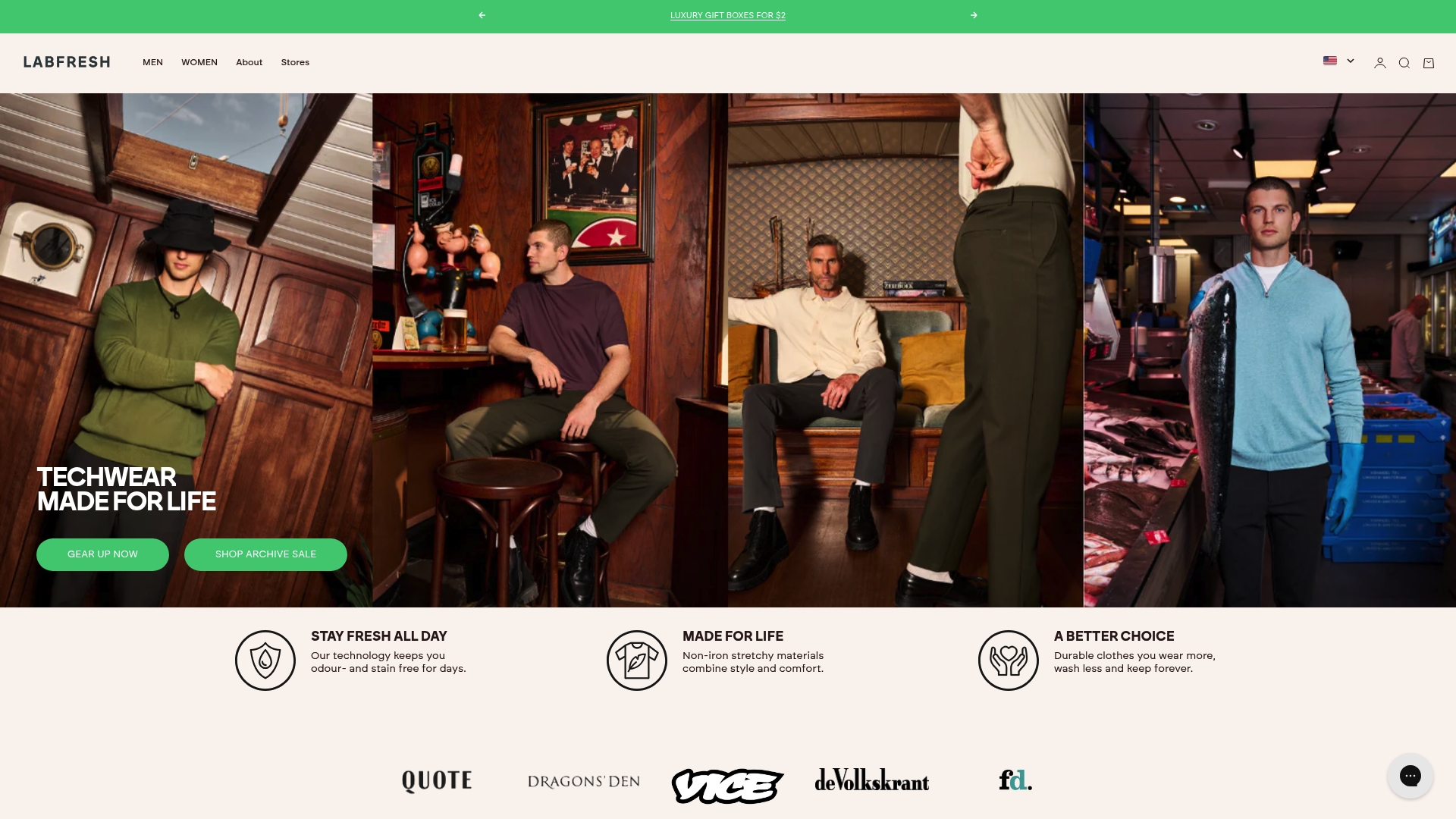
LABFRESH shirts incorporate advanced fabric technologies that extend wear time between washes and resist the stains and damage shortening conventional garment life. These innovations align perfectly with sustainable practices by reducing maintenance needs and prolonging usability.
The blue 4-way stretch shirt exemplifies how technical features support sustainability. Four-way stretch provides comfort and freedom of movement while maintaining shape over hundreds of wears. Integrated odor resistance means wearing the shirt multiple times before washing, cutting water and energy consumption substantially. These characteristics make quality pieces practical investments rather than luxury purchases.
Performance pants extend these benefits to complete outfits suitable for work, travel, and active pursuits. Stain-resistant finishes handle spills without permanent damage, while moisture-wicking properties maintain comfort across temperature ranges. This versatility reduces the total number of garments you need, simplifying your wardrobe while lowering overall consumption.
Exploring collections built around longevity and functionality helps you transition away from disposable fashion toward sustainable style that matches your values and lifestyle demands.
FAQ
How often should I wash odor-resistant clothing?
Odor-resistant garments can typically be worn three to five times before washing, depending on activity intensity and environmental conditions. Let your senses guide you rather than following arbitrary schedules. If the garment looks clean and smells fresh, it doesn’t need washing yet.
What are the best materials for sustainable activewear?
Recycled polyester and nylon offer excellent performance with lower environmental impact than virgin synthetics. Organic cotton and Tencel provide natural fiber alternatives for less intense activities. Look for bluesign or OEKO-TEX certifications confirming responsible production practices and absence of harmful chemicals.
How can I responsibly dispose of clothing I no longer wear?
Donate wearable items to local charities or sell them through secondhand platforms to extend their useful life. For damaged garments, locate textile recycling programs that break down fibers for industrial reuse. Nearly 85% of discarded clothes end up in landfills, highlighting the importance of responsible disposal and recycling.
Can repairing clothes really extend their lifespan significantly?
Repairs and alterations can extend garment life by 40-50% compared to discarding items at first sign of minor damage. Simple fixes like replacing buttons, mending small tears, or hemming worn edges take minimal time but add dozens or hundreds of additional wears. This practice represents one of the most cost-effective and impactful waste reduction strategies available.
Recommended
Comments