Quick Dry Clothing Care Guide for Lasting Performance
- Leroy Hughes

- Feb 25
- 8 min read
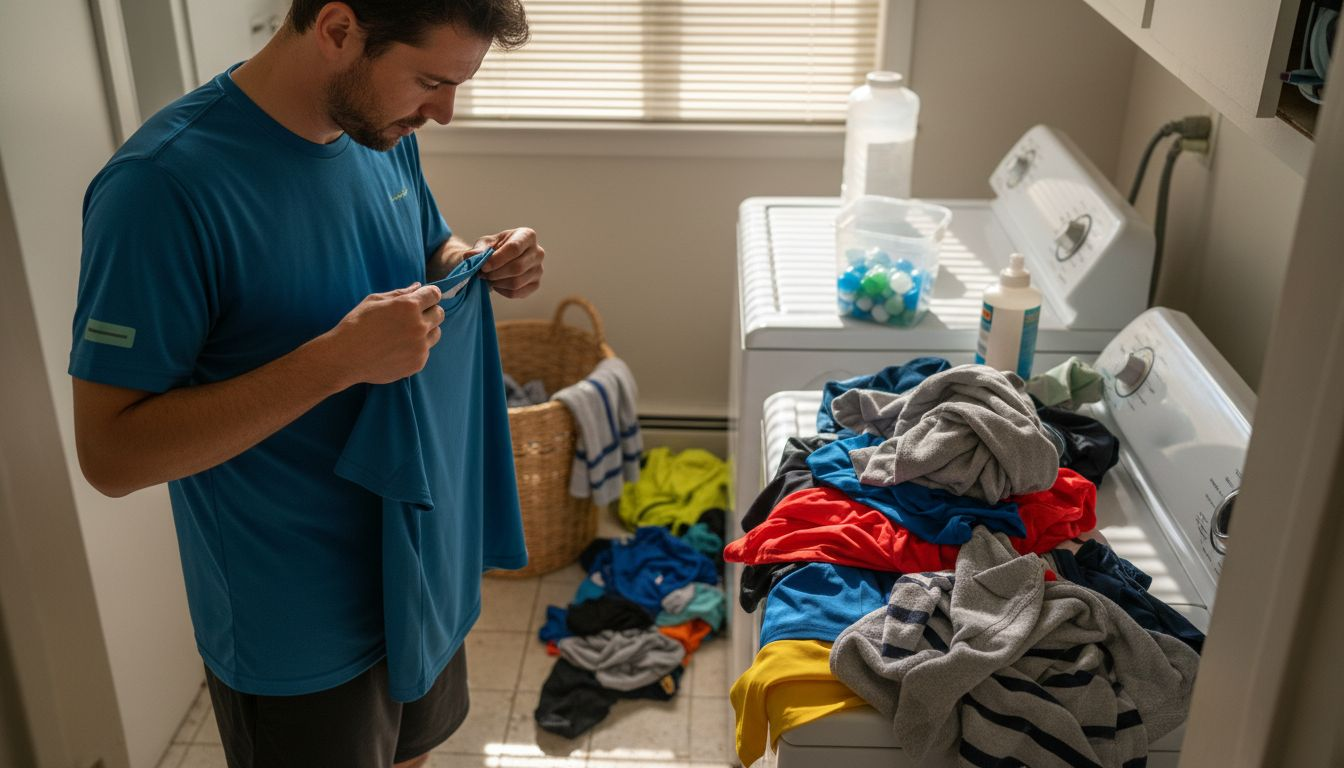
Every European professional knows the struggle of keeping quick dry clothing crisp and ready through packed city days. Busy schedules demand fabrics that perform, look sharp, and never slow you down. Preparing your quick dry clothes for washing is a small step with big impact—protecting material performance and making care routines truly low-maintenance. Discover how proper garment prep keeps your investment fresh, durable, and effortless for urban life without sacrificing style or sustainability.
Table of Contents
Quick Summary
Key Message | Explanation |
1. Properly Prepare Clothes | Check care labels, sort by color and fabric type, and treat stains before washing for better results. |
2. Use Cold Water for Washing | Cold water preserves fibers and saves energy, making it suitable for most quick dry fabrics. |
3. Select Gentle Wash Settings | Use a gentle cycle and appropriate detergent type to maintain fabric integrity and performance. |
4. Dry with Care to Protect Fabrics | Use low heat or air-dry to avoid damaging fibers, ensuring the longevity of your quick dry clothing. |
5. Refresh Instead of Over-Washing | Air out, spot clean, or steam garments to maintain freshness without unnecessary washes, extending their life. |
Step 1: Prepare Your Quick Dry Clothing for Washing
Getting your quick dry clothes ready to wash is straightforward, but doing it right protects your investment and keeps your fabrics performing at their best. The prep work takes just a few minutes and makes a real difference in how your clothes come out of the wash.
Start by checking the care label on each garment. Reading care labels tells you the recommended water temperature, drying method, and any special handling instructions your quick dry fabric needs. Most modern performance fabrics can handle standard washing, but it’s always wise to verify first.
Sort your clothes by color and fabric type. This step prevents dye bleeding and ensures you’re washing compatible materials together.
Here’s what to do:
Separate whites from colors to avoid staining
Keep synthetics together, away from natural fibers to prevent lint transfer
Group items by soil level (lightly soiled versus heavily soiled)
Put delicate pieces in a mesh bag if washing with regular items
Check all pockets and remove items like keys, coins, or tissues that could damage your clothes or machine. Turn garments inside out to protect prints and maintain color vibrancy during the wash cycle.
Treat any visible stains before washing. Spot-treat problem areas with a small amount of detergent or a stain remover, letting it sit for 5-10 minutes. This increases your chances of removing the stain completely in one wash.
Make sure you have the right detergent ready. A standard liquid or powder detergent works perfectly for quick dry fabrics, though some people prefer gentle formulas for performance materials.
Prep work takes minutes but extends the life of your quick dry clothing significantly.
Pro tip: Wash quick dry items with a full load of similar fabrics to distribute detergent evenly and prevent over-washing delicate pieces, which keeps your garments fresher and more durable over time.
Step 2: Select Optimal Wash Settings and Detergents
Choosing the right wash settings and detergent makes a measurable difference in how your quick dry clothes perform and last. The good news is that these fabrics are forgiving and work well with standard washing practices when you follow a few smart guidelines.
Start with cold water. Cold water detergents are formulated to work effectively at lower temperatures, which saves energy and protects your quick dry fabrics from potential heat damage. Your clothes will get just as clean, and you’ll preserve the fabric’s performance properties longer.
If your machine is a high-efficiency model, use HE detergent. These formulas are designed for machines that use less water, preventing excess suds that can trap dirt and leave residue on your clothes. Regular detergent in an HE machine leads to buildup over time.
Consider the type of detergent based on your needs.
Biological detergents with enzymes work great for quick cycles at lower temperatures and break down stains effectively
Non-biological detergents are better if you have sensitive skin or prefer to avoid enzymes
Liquid detergents dissolve faster in cold water than powders
Select a gentle wash cycle to protect fabric integrity. Most quick dry materials handle standard cycles fine, but a gentle setting minimizes agitation if you’re washing delicate pieces or heavily soiled items together.
Match your water level to your load size. Overfilling reduces cleaning effectiveness, while underfilling wastes water. Fill the drum until clothes are loosely packed with room to move.
Enzymes in detergents break down protein and fat-based stains more efficiently, which means faster wash times at lower temperatures without sacrificing results.
Cold water, the right detergent type, and a gentle cycle keep your quick dry fabrics performing like new.
Pro tip: Use the smallest amount of detergent that still cleans your load effectively; excess detergent leaves residue that dulls fabrics and reduces breathability in performance wear.
Here’s a quick comparison of washing methods for quick dry fabrics:
Method | Benefits | Potential Drawbacks |
Cold Water Wash | Preserves fibers, saves energy | May not remove heavy stains |
Gentle Cycle | Reduces wear, protects details | Longer wash time possible |
Standard Cycle | Effective on most dirt, quick | More agitation, more wear |
HE Detergent | Low suds, prevents residue | Requires HE machine |
Step 3: Dry Quickly Without Compromising Fabric Integrity
Drying your quick dry clothing properly is where the magic happens. These fabrics are designed to shed moisture fast, so you can leverage that performance while protecting the materials from unnecessary heat and agitation.
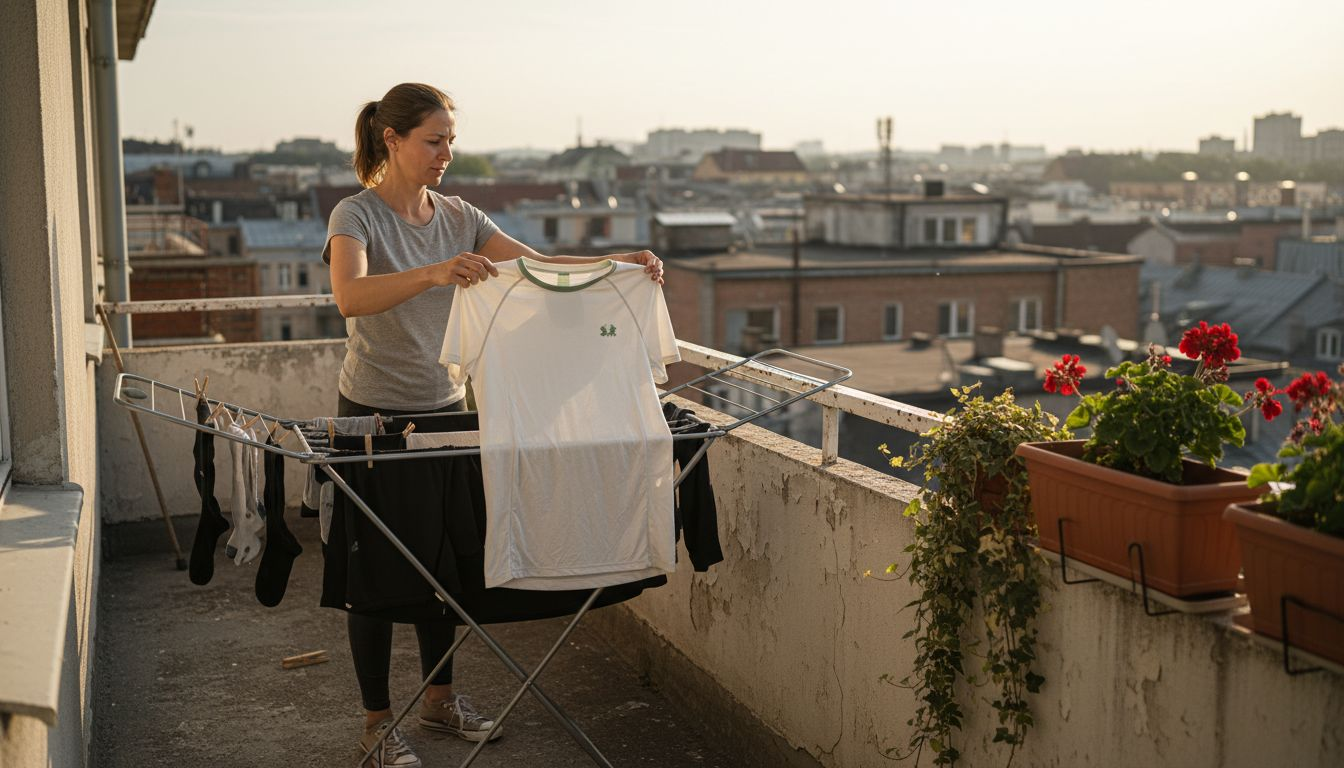
Start by running an extra spin cycle before drying. This removes excess water from the fabric, cutting your drying time significantly and reducing the stress on fibers during the drying process. More water out now means less heat needed later.
If you’re air-drying, hang clothes on a line or rack in a well-ventilated area. Drying in sunlight and wind accelerates evaporation naturally while sunlight provides a gentle sanitizing effect. Space garments out so air circulates freely around all sides for even drying.
For machine drying, choose the right settings to protect your fabrics.
Use a moisture sensor that stops the cycle when clothes are dry, preventing over-drying
Select a low or medium heat setting rather than high heat
Add a cool-down cycle at the end to finish drying gently without heat exposure
Clean your lint trap before every load to maintain airflow and dryer efficiency
Dryer settings with moisture sensors prevent the excessive heat that degrades performance fabrics and causes shrinkage over time. Heat damage is cumulative, so gentler cycles now extend your garments’ lifespan significantly.
Separate heavier items like pants from lighter pieces when machine drying. Heavier fabrics take longer to dry, and keeping them separate ensures lighter garments don’t over-dry while waiting.
Rotate garments halfway through drying if air-drying. This promotes even moisture removal and prevents stiff creasing in one spot.
Quick dry fabrics dry fast naturally, so avoid aggressive heat and let the fabric technology do its job.
Pro tip: Hang quick dry items whenever possible instead of using the dryer, since these fabrics’ superior moisture-wicking means air-drying is faster than you’d expect and preserves fabric integrity better than any heat setting.
Step 4: Check for Quality and Refresh as Needed
After washing and drying, take a moment to assess your quick dry clothing before putting it away. This simple quality check catches issues early and keeps your investment performing at its best for years to come.
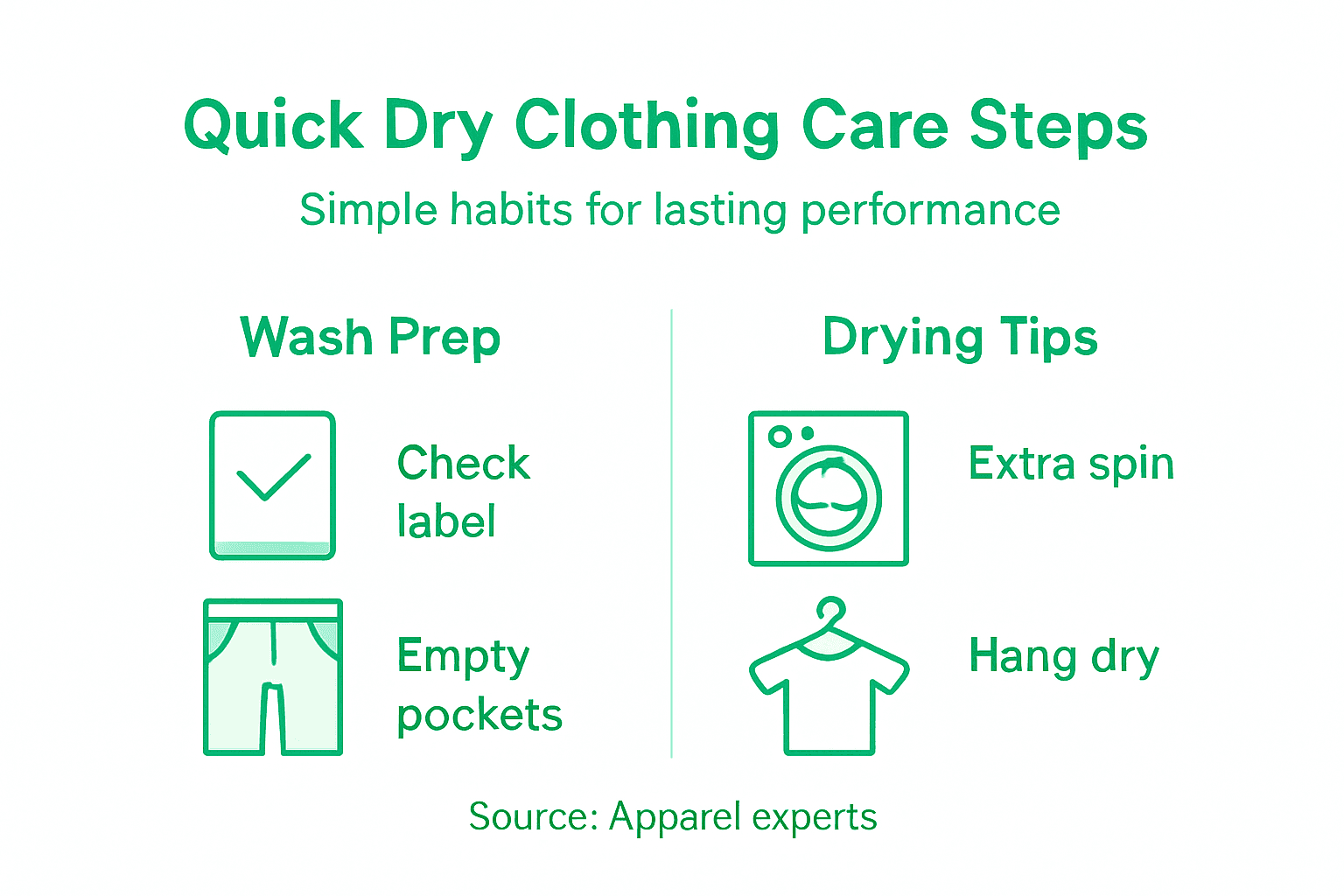
Inspect seams, hems, and fabric surfaces for any signs of wear or damage. Look for loose threads, small holes, or weakened areas that might need repair before they worsen. Quick dry fabrics are durable, but addressing minor issues immediately prevents them from becoming major problems.
Check for odors or signs that refreshing is needed. Not every garment requires a full wash after wearing, especially if you’ve only worn it briefly or for low-activity situations. Assessing when clothing needs washing helps you avoid over-washing, which breaks down fabrics over time and wastes resources.
Consider these refresh methods before reaching for the wash cycle.
Air out your clothes by hanging them outside or near a window for 2 to 4 hours
Spot clean visible stains with cold water and mild detergent instead of washing the whole garment
Spray lightly with odor-eliminating products designed for fabrics if freshening up is all you need
Steam garments to remove wrinkles and refresh fibers naturally
Sustainable care routines extend clothing life by reducing wash frequency and using targeted treatments rather than full laundering cycles. Your quick dry fabrics stay fresher longer when you’re strategic about when and how you clean them.
Store your clothes properly after inspecting and refreshing them. Use hangers for items prone to wrinkles and fold heavier pieces to avoid stretching.
Use this summary to match refresh methods to your garment’s needs:
Refresh Method | Best For | When to Use |
Air Out | Light sweat, mild odors | After brief or light wear |
Spot Clean | Minor stains, small marks | Single stain appearance |
Odor-Eliminator | Lingering smells only | Between regular washes |
Steam | Wrinkles, fabric refresh | After storage or packing |
Refresh, don’t always wash. Smart care habits keep quick dry fabrics performing like new while protecting your investment.
Pro tip: Air-dry your quick dry garments between wears instead of washing immediately, since these fabrics naturally resist odors and bacteria due to their advanced construction, extending the time between full laundering.
Enhance Your Quick Dry Clothing Care with Advanced Apparel Solutions
Caring for quick dry clothing is essential to maintain its lasting performance, but it can be challenging to avoid damage from improper washing and drying. This guide highlights common pain points such as preserving fabric integrity, avoiding residue buildup, and reducing over-washing. At Labfresh, we understand these challenges and offer innovative apparel technologies like FreshCore™ and Seawool that fight odor, stains, and wear naturally. Our fabrics simplify your care routine so you can enjoy durable, low-maintenance clothing without sacrificing style or function.

Discover how investing in high-tech, sustainable apparel can transform your everyday wardrobe care. Shop premium performance wear designed for active lifestyles and embrace smarter garment care today. Take the next step toward hassle-free freshness and durability by visiting Labfresh now and explore collections that keep pace with your busy life.
Frequently Asked Questions
How should I prepare my quick dry clothing for washing?
Start by checking the care label on each garment for washing instructions. Separate clothes by color and fabric type to avoid damage, then treat any visible stains before washing to ensure effective cleaning.
What wash settings are best for quick dry fabrics?
Use cold water and a gentle wash cycle to protect the fabric integrity of your quick dry clothes. Select a suitable detergent, ideally a cold water formula, to enhance cleaning without damaging the materials.
How can I dry my quick dry clothing without damaging them?
Run an extra spin cycle before drying to remove excess water, then air-dry in a well-ventilated area if possible. If using a dryer, opt for a low or medium heat setting and utilize moisture sensors to prevent over-drying.
How can I refresh quick dry fabrics without washing?
You can refresh your quick dry garments by airing them out or spot cleaning minor stains with cold water and mild detergent. Lightly spray with odor-eliminating products or steam the garments to remove wrinkles and refresh fibers if needed.
What should I check for after washing my quick dry clothes?
Inspect for any signs of wear or damage, such as loose threads or small holes. Additionally, assess if they need refreshing based on odors or light wear to avoid unnecessary washing, extending the life of your quick dry clothing.
Recommended
Comments