Odor-Resistant Clothing: Freshness for Busy Lives
- Leroy Hughes

- Jan 11
- 7 min read
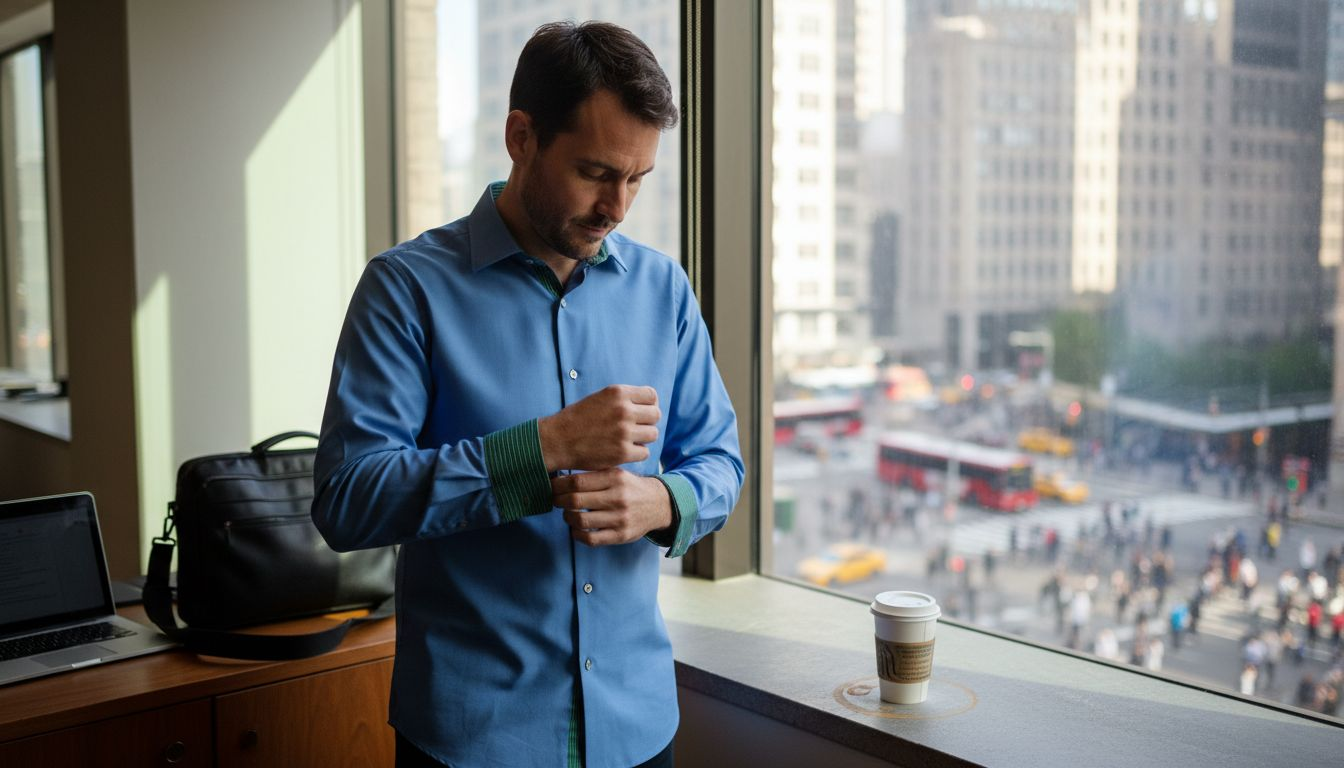
Sweat is a daily reality for urban professionals, and more than 60 percent of American travelers say odor is their number one clothing concern when packing for trips. Comfort and style should never be sacrificed because of persistent smells. Odor-resistant clothing offers a fresh solution by combining innovative fabric technology with practical benefits for active people seeking low-maintenance, sustainable fashion. Discover how style-conscious individuals are choosing smart apparel that stays fresh wherever life takes them.
Table of Contents
Key Takeaways
Point | Details |
Odor-Resistant Technology | Advanced fabrics prevent bacterial growth and neutralize odors, maintaining freshness even during extended wear. |
Fabric Types | Natural, synthetic, and blended fabrics each offer unique odor resistance mechanisms suitable for various applications. |
Care Practices | Proper maintenance like washing in cold water and avoiding fabric softeners is crucial to preserve antimicrobial properties. |
Travel Benefits | Odor-resistant clothing enhances comfort and convenience for travelers by minimizing odor build-up and laundry needs. |
What Is Odor-Resistant Clothing?
Odor-resistant clothing represents a cutting-edge textile innovation designed to combat unpleasant body odors by preventing bacterial growth and neutralizing odor-causing molecules. Unlike traditional fabrics that absorb and retain sweat and bacteria, these advanced garments use sophisticated technologies to maintain freshness throughout extended wear.
The core mechanism behind odor-resistant clothing involves specialized fabric treatments that interrupt bacterial growth processes. Manufacturers apply antimicrobial coatings, silver treatments, and chemical finishes that actively prevent microbes from multiplying and generating unpleasant smells. These technologies are especially beneficial for synthetic materials like polyester and nylon, which typically trap more bacteria and generate stronger odors compared to natural fibers.
Odor-resistant clothing technologies work through several strategic approaches:
Preventing bacterial colonization on fabric surfaces
Neutralizing odor-causing molecules before they develop
Creating an inhospitable environment for microbial growth
Enhancing fabric breathability to reduce moisture retention
While originally developed for professional environments like hospitals and industrial settings, these advanced textiles have now expanded into athletic wear, travel clothing, and everyday fashion. The technology offers practical benefits for active professionals who need clothing that remains fresh during long workdays, intense workouts, or extended travel.
Pro tip: When purchasing odor-resistant clothing, look for specific fabric technology descriptions and check the garment’s care instructions to maintain its antimicrobial properties over time.
Types of Odor-Resistant Fabrics
Odor-resistant fabrics represent a diverse range of textile technologies designed to combat bacterial growth and neutralize unpleasant smells. These innovative materials span natural fibers, synthetic materials, and advanced blended compositions, each offering unique characteristics that contribute to maintaining garment freshness.
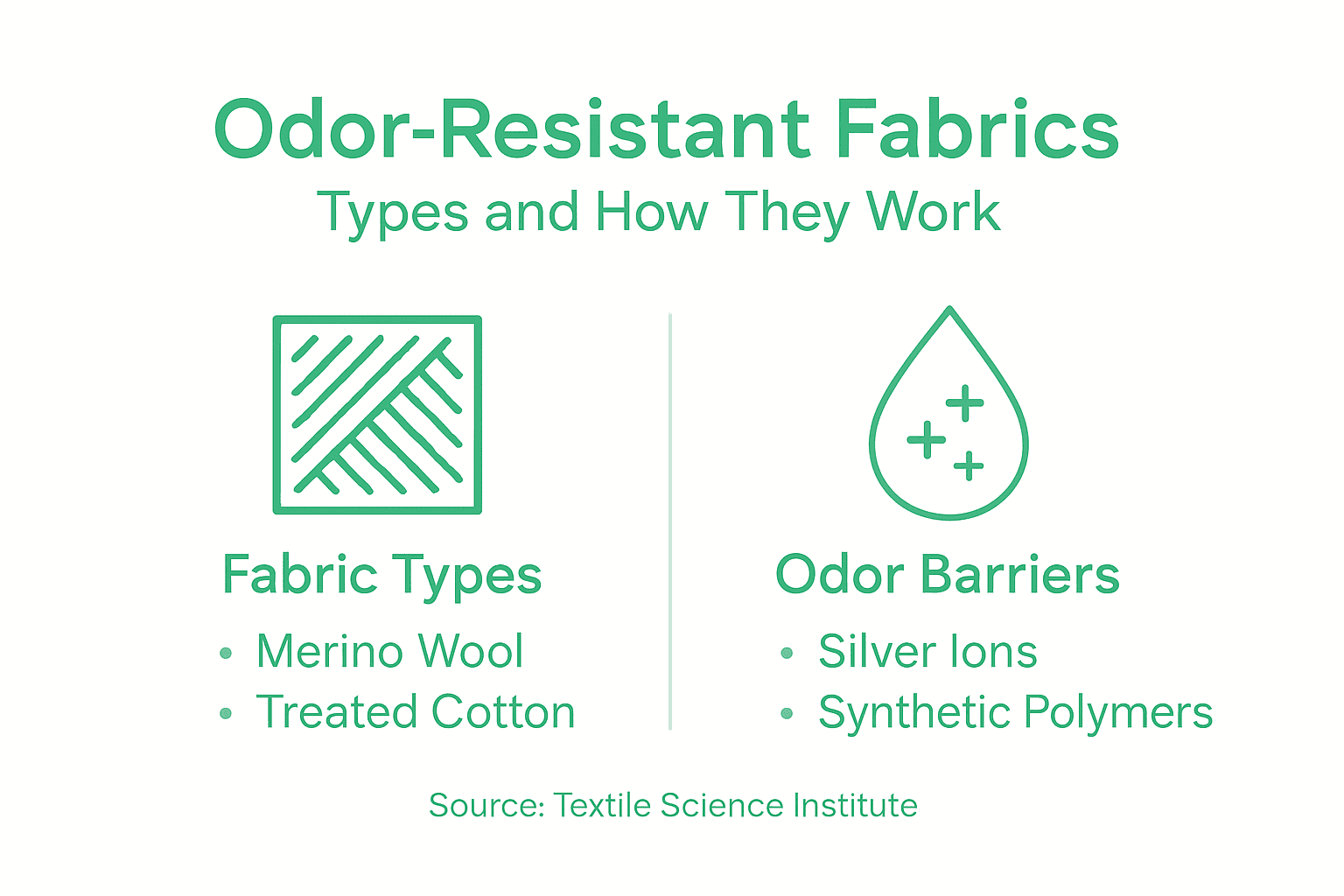
Natural fibers like wool, cotton, and hemp inherently possess remarkable odor resistance through unique properties. Wool contains lanolin, a natural antimicrobial compound that prevents bacterial growth. Hemp fibers have intrinsic antimicrobial characteristics that naturally repel odor-causing microorganisms. Cotton, while more breathable, can be enhanced through specialized treatments to improve its odor-resistant capabilities.
Synthetic and blended fabrics offer advanced odor-resistant technologies:
Polyester treated with silver-based antimicrobial compounds
Nylon blends incorporating odor-neutralizing chemical finishes
Synthetic materials with embedded Microban or Polygiene technologies
Performance fabrics combining natural and synthetic fibers for enhanced odor protection
Manufacturers continue to innovate by developing increasingly sophisticated fabric treatments. These technologies not only prevent bacterial growth but also capture and neutralize odor molecules, extending the functional lifespan of garments. Advanced treatments can maintain antimicrobial efficacy through multiple wash cycles, providing long-term odor protection for active professionals and outdoor enthusiasts.
Pro tip: When selecting odor-resistant fabrics, prioritize garments with specified antimicrobial technologies and check their performance ratings for wash durability and sustained odor protection.
Here’s a comparison of natural, synthetic, and blended odor-resistant fabrics and what makes each unique:
Fabric Type | Distinct Feature | Odor Resistance Mechanism | Typical Use Cases |
Natural | Contains natural compounds | Inherent antimicrobial action | Everyday wear, base layers |
Synthetic | Engineered for performance | Embedded antimicrobial agents | Athletic gear, sports apparel |
Blended | Combines multiple fibers | Dual-action odor protection | Travel attire, workwear |
How Odor-Blocking Technologies Work
Odor-blocking technologies represent a sophisticated approach to fabric science, focusing on preventing and neutralizing unpleasant body odors at their molecular source. These advanced systems work by strategically interrupting the bacterial processes that generate malodors, creating a comprehensive defense mechanism within textile fibers.
The primary mechanism involves preventing bacterial growth and interaction through specialized antimicrobial treatments. Silver ions play a crucial role in these technologies, releasing compounds that actively destroy bacterial cell membranes. When sweat comes into contact with treated fabric, these ions immediately begin disrupting microbial structures, effectively stopping odor formation before it can develop.
Odor-blocking technologies employ multiple strategic approaches:
Chemical treatments that kill bacteria on contact
Silver ion embedded fabric fibers
Molecular structures that trap and neutralize odor compounds
Physical barriers preventing bacterial colonization
Compounds that disrupt bacterial cell membrane integrity
The effectiveness of these technologies depends on several critical factors, including the specific treatment method, fabric composition, and frequency of washing. Some advanced treatments can maintain their antimicrobial properties through numerous wash cycles, providing sustained odor protection. Manufacturers continue to innovate, developing increasingly sophisticated approaches that balance performance, durability, and fabric comfort.
Pro tip: Test the odor-blocking performance of your garments by wearing them during high-intensity activities and monitoring their freshness throughout extended use.
Benefits for Travel and Everyday Wear
Odor-resistant clothing transforms the way active professionals and frequent travelers approach personal comfort and wardrobe management. By providing extended freshness and reduced maintenance requirements, these innovative garments solve multiple challenges associated with traditional clothing during travel and daily activities.
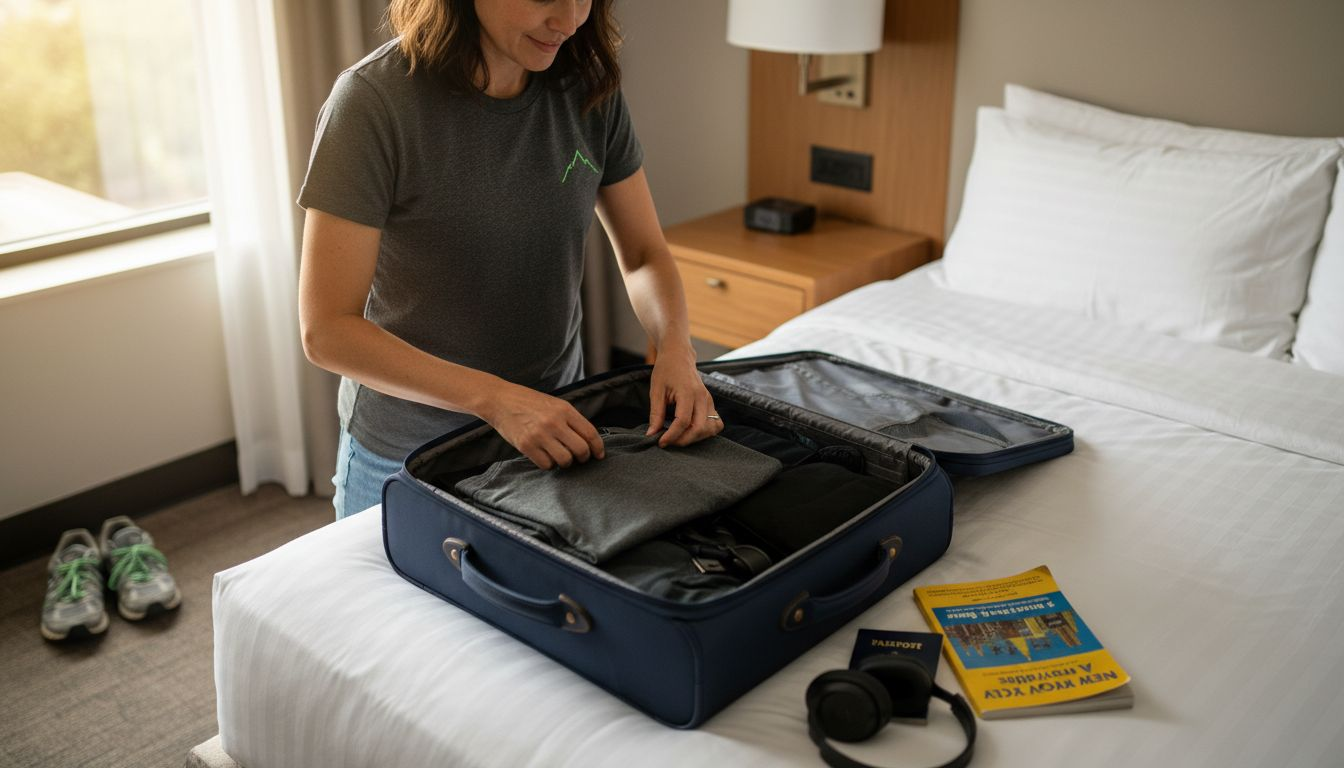
Travelers gain significant advantages through strategic clothing performance technologies. These specialized fabrics maintain freshness during extended trips, eliminating the need for frequent clothing changes or immediate laundry access. Moisture-wicking properties help keep travelers dry and comfortable, preventing skin irritations and reducing the physical discomfort often associated with long journeys or intense activities.
Benefits for everyday wear and travel include:
Minimal odor build-up during extended use
Reduced need for frequent washing
Enhanced moisture management
Prevention of bacterial growth
Improved comfort during high-intensity activities
Sustainable clothing solution with longer wear cycles
Beyond travel, odor-resistant clothing offers remarkable versatility for urban professionals managing demanding schedules. The technology enables wearers to transition seamlessly between workout sessions, office environments, and social gatherings without concerns about perspiration or lingering body odors. This adaptability represents a significant advancement in functional fashion, addressing the complex lifestyle needs of modern, active individuals.
Pro tip: Pack odor-resistant garments strategically by selecting versatile pieces that can be worn multiple times during your travels, significantly reducing luggage weight and complexity.
Care, Lifespan, and Common Pitfalls
Odor-resistant clothing represents a sophisticated technology that requires strategic care to maintain its performance and extend its functional lifespan. Understanding the nuanced maintenance requirements is crucial for preserving the advanced antimicrobial properties that make these garments so valuable.
Manufacturers caution that antimicrobial effectiveness can deteriorate through improper washing and wear. Certain care practices can significantly compromise the fabric’s performance, such as using traditional laundry additives like bleach or fabric softeners. These substances can break down the specialized treatments that provide odor resistance, rendering the advanced textile technologies ineffective.
Key considerations for maintaining odor-resistant clothing include:
Wash in cold water to preserve antimicrobial treatments
Use mild, specialized detergents without harsh chemicals
Avoid fabric softeners and bleach completely
Air dry when possible to maintain fabric integrity
Follow manufacturer-specific care instructions
Replace garments when antimicrobial effectiveness declines
Professionals should also be aware of potential environmental and health considerations associated with antimicrobial treatments. Not all odor-resistant technologies are created equal, and some may raise concerns about long-term chemical exposure. Consumers should prioritize brands that use environmentally responsible and transparent manufacturing processes, ensuring both personal comfort and broader ecological responsibility.
Below is a summary of key care mistakes and solutions for maintaining odor-resistant garments:
Common Mistake | Why It’s Harmful | Better Practice |
Using fabric softener | Coats fibers, reduces effectiveness | Skip softener entirely |
Washing in hot water | Breaks down treatments prematurely | Use cold water only |
Bleach usage | Degrades antimicrobial coatings | Choose mild, safe detergents |
Pro tip: Always check the specific care label and perform a patch test with new cleaning products to preserve your odor-resistant clothing’s performance and longevity.
Discover Lasting Freshness with Odor-Resistant Apparel from Labfresh
The challenge of staying fresh during long workdays, travel, or workouts is real. Odor-resistant clothing offers a smart solution by preventing bacterial growth and neutralizing unpleasant smells before they start. If you are tired of frequent laundry cycles and fabric softeners that don’t work, it is time to upgrade your wardrobe with Labfresh’s high-tech garments. Featuring cutting-edge fabric technologies like FreshCore™ and Seawool, Labfresh delivers durable, low-maintenance clothing designed for busy lives.

Take control of your daily comfort and style with pieces that support active lifestyles without compromise. Visit Labfresh today to explore innovative shirts, polos, pants, and outerwear crafted with odor-resistant and stain-resistant fabrics. Invest in apparel that stays fresh longer and helps you feel confident all day long. Don’t wait until odors slow you down—experience the future of functional fashion now at Labfresh.
Frequently Asked Questions
What is odor-resistant clothing?
Odor-resistant clothing is made from innovative fabrics designed to prevent bacterial growth and neutralize odor-causing molecules, maintaining freshness even after extended wear.
How do odor-resistant technologies work?
These technologies prevent and neutralize unpleasant odors by interrupting bacterial processes through methods like antimicrobial treatments and chemical finishes that inhibit bacterial growth and traps odor molecules.
What are the different types of odor-resistant fabrics?
Odor-resistant fabrics include natural fibers like wool and cotton, as well as synthetic options such as polyester and nylon treated with silver-based compounds, and blended fabrics that combine both types for enhanced properties.
How should I care for my odor-resistant clothing to maintain its effectiveness?
To maintain the effectiveness of odor-resistant clothing, wash it in cold water with mild detergents, avoid fabric softeners and bleach, and follow the manufacturer’s specific care instructions for best results.
Recommended
Comments