Odor-Resistant Clothing: Freshness For Active Lives
- Leroy Hughes

- Jan 10
- 8 min read

Finding clothes that stay fresh during a hectic workday is a challenge familiar to every European or American urban professional. With rising demand for eco-friendly solutions, sustainable odor-resistant clothing stands out as a convenient answer. Research confirms that some fabrics trap up to 800 percent more odor compounds than advanced alternatives, yet common myths still persist about how these garments actually work. This guide clears up the confusion and reveals how innovative textile technology is changing daily comfort for active professionals.
Table of Contents
Key Takeaways
Point | Details |
Odor-Resistant Technology | Advanced textiles utilize antimicrobial strategies to prevent odor formation by disrupting bacterial growth. |
Natural vs Synthetic Fibers | Natural fibers like Merino wool and bamboo offer better odor resistance compared to synthetic alternatives, which often require treatments. |
Maintenance Practices | Improper laundering, such as using fabric softeners or harsh detergents, can degrade odor-resistant features; gentle care is essential. |
Sustainability and Convenience | Odor-resistant clothing reduces washing frequency, contributing to personal hygiene and environmental sustainability. |
Odor-resistant clothing explained and myths
Odor-resistant clothing represents a sophisticated textile technology designed to combat body odor through innovative fabric engineering. Unlike traditional garments that absorb and retain sweat and bacteria, these specialized textiles prevent odor formation at a molecular level. Antimicrobial textile technologies have revolutionized how we approach clothing performance and personal hygiene.
The science behind odor resistance is surprisingly complex. When humans sweat, bacteria naturally present on skin and fabric begin breaking down protein and lipid compounds, generating unpleasant smells. Synthetic fibers like polyester are particularly prone to trapping these odor-causing microorganisms. Research from the University of Alberta reveals that natural plant-based fibers absorb fewer odor compounds compared to their synthetic counterparts, challenging common misconceptions about fabric odor potential.
Common myths about odor-resistant clothing often misunderstand the underlying technology. Many people believe these fabrics simply mask smells or use harsh chemical treatments. In reality, advanced odor-resistant textiles employ sophisticated mechanisms like silver ion coatings, antimicrobial finishes, and engineered fiber structures that actively prevent bacterial growth. These technologies interrupt the odor formation process, creating garments that remain fresh through intense physical activities.
Pro tip: When purchasing odor-resistant clothing, look for garments that specify their specific antimicrobial technology rather than making generic performance claims.
Types of odor-fighting fabrics and blends
The world of odor-resistant clothing features a diverse range of fabrics, each with unique properties designed to combat unpleasant smells. Natural fibers offer remarkable odor-fighting capabilities through inherent antimicrobial and moisture-management characteristics. Merino wool, bamboo, hemp, and organic cotton stand out as top performers in preventing bacterial growth and managing moisture, making them ideal choices for active individuals seeking long-lasting freshness.
Synthetic fabrics take a different approach to odor resistance, relying on advanced technological treatments. Polyester and nylon blends are often treated with silver ion coatings or specialized antimicrobial finishes that actively prevent bacterial development. These engineered fabrics excel in durability and quick-drying properties, though they traditionally struggle more with odor retention compared to natural fibers. Wool fabrics demonstrate superior odor reduction by absorbing moisture vapor and creating an environment less hospitable to smell-causing microorganisms.
Modern textile innovation has led to sophisticated fabric blends that combine the best attributes of natural and synthetic materials. Performance blends might incorporate merino wool with polyester, creating garments that offer the moisture-wicking capabilities of synthetics alongside the natural odor resistance of wool. These hybrid fabrics represent a technological breakthrough, providing athletes and active professionals with clothing that remains fresh during intense physical activities. By strategically combining fiber types, manufacturers can develop textiles that address multiple performance requirements simultaneously.
Pro tip: Look for fabric composition labels that specify a blend of natural and synthetic fibers to maximize both odor resistance and durability.
Here’s a comparison of odor-fighting fabric options and their attributes:
Fabric Type | Odor Resistance Mechanism | Comfort Level | Durability |
Merino Wool | Natural antimicrobial fibers | Soft and breathable | Moderate |
Bamboo | Moisture-wicking and bamboo kun | Smooth, cooling | Moderate |
Polyester w/ Silver | Silver ion antimicrobial | Lightweight | High |
Hemp | Natural resistance to bacteria | Coarse texture | Very High |
Wool-Poly Blend | Combines natural and tech | Versatile comfort | High |
Nylon Blend | Antimicrobial fabric finish | Flexible fit | High |
How innovative fabric technology blocks smells
Odor-resistant clothing represents a cutting-edge solution to managing personal freshness through advanced scientific approaches. Innovative textile technologies employ sophisticated antimicrobial strategies that actively prevent odor formation at the molecular level. These groundbreaking methods go far beyond traditional fabric treatments, targeting the root cause of unpleasant smells by disrupting bacterial growth and neutralizing odor-causing compounds.
The core mechanism of odor-blocking technologies involves multiple sophisticated approaches. Silver ion coatings serve as microscopic warriors, killing bacteria on contact and preventing microbial proliferation. Some advanced treatments use bio-enzymatic methods that literally break down odor molecules, transforming them into neutral compounds. These technologies are carefully engineered to maintain effectiveness through multiple wash cycles, ensuring long-lasting protection for active individuals who demand performance from their clothing.
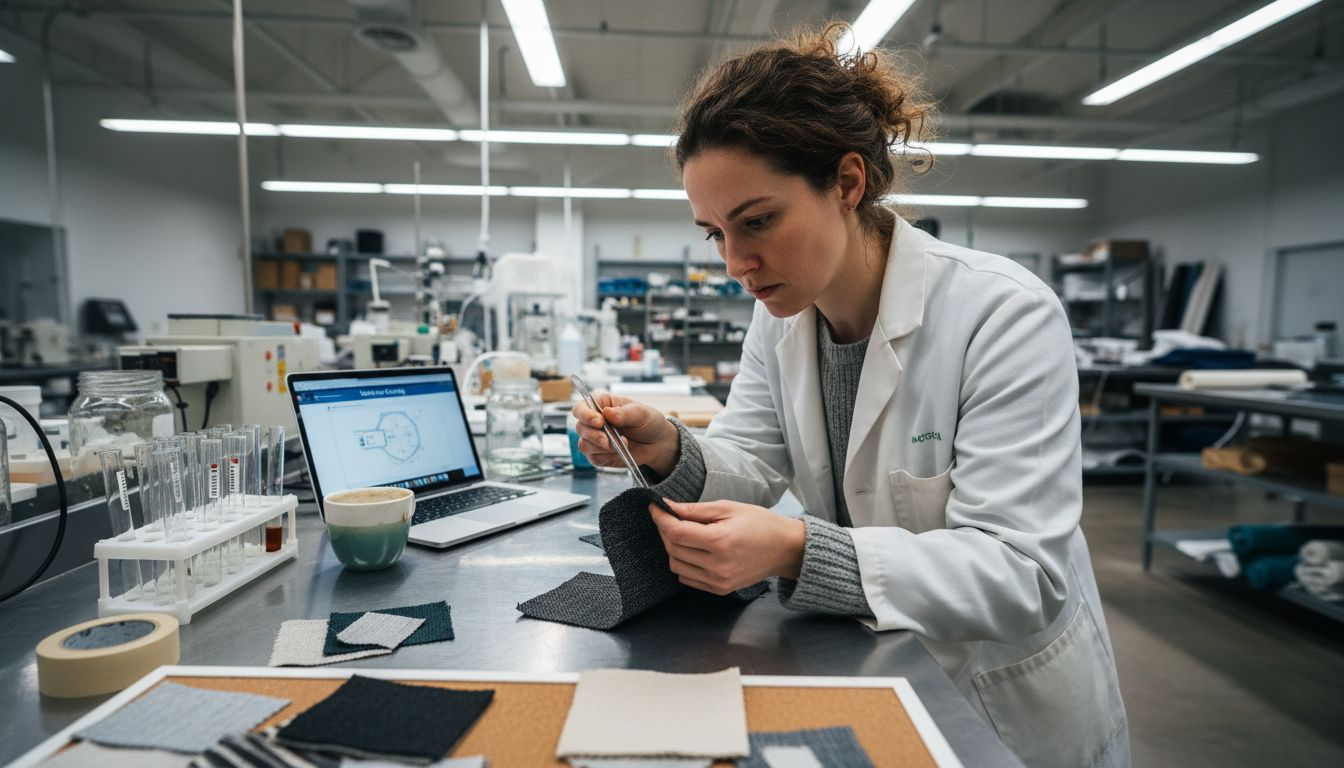
Cutting-edge research continues to push the boundaries of textile science, developing sustainable odor-resistant solutions that balance performance with environmental consciousness. Researchers are exploring nanotechnology, specialized fiber treatments, and innovative chemical compounds that can provide superior odor control while minimizing environmental impact. These developments represent a significant leap forward in creating clothing that remains fresh, functional, and responsive to the dynamic needs of active professionals.
Pro tip: When selecting odor-resistant clothing, examine the specific technology used rather than relying solely on marketing claims about freshness.
Key benefits: convenience, hygiene, sustainability
Odor-resistant clothing represents a transformative solution that goes beyond simple fashion, delivering remarkable advantages for modern professionals and active individuals. The primary benefits cluster around three critical dimensions: convenience, personal hygiene, and environmental sustainability. These innovative textiles are engineered to solve multiple lifestyle challenges simultaneously, offering a sophisticated approach to personal clothing management.
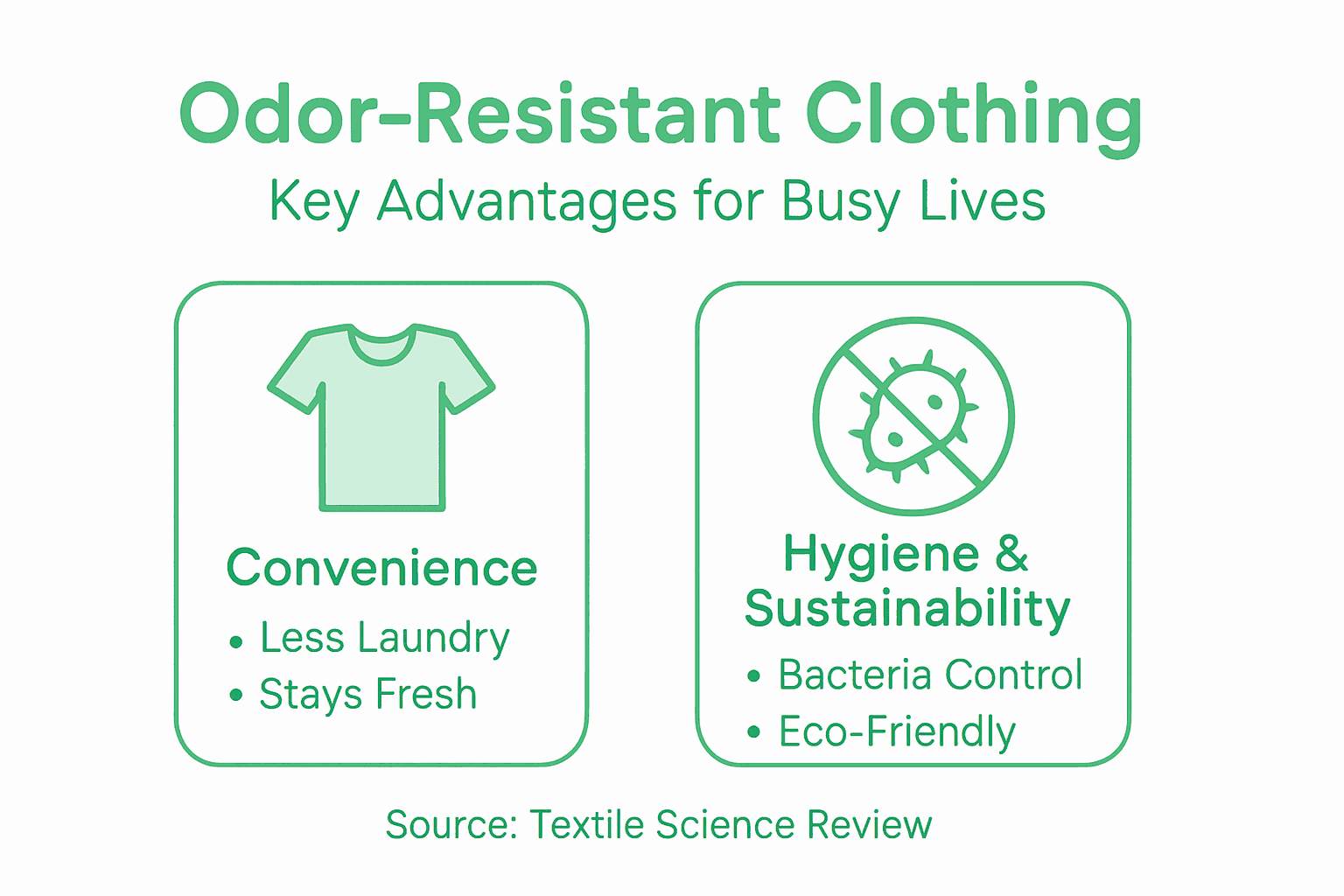
Convenience emerges as a standout benefit, dramatically reducing maintenance requirements for active wardrobes. Wool fabrics minimize washing frequency by naturally resisting odor buildup, which translates to significant time and energy savings. Imagine clothing that stays fresh through multiple wears, eliminating the constant need for laundering. This characteristic proves especially valuable for professionals with demanding schedules, travelers, and athletes who require high-performance, low-maintenance apparel that adapts seamlessly to dynamic lifestyles.
The hygiene and sustainability dimensions are deeply interconnected. Natural odor-resistant fabrics not only prevent bacterial growth but also contribute to environmental conservation by reducing water consumption and energy expenditure associated with frequent washing. By choosing technologically advanced, odor-resistant clothing, consumers make a direct impact on personal health and global ecological sustainability. These textiles represent a thoughtful intersection of personal comfort, health considerations, and responsible consumption, offering a holistic solution that addresses multiple contemporary lifestyle needs.
Pro tip: Select odor-resistant garments made from natural fibers to maximize both personal comfort and environmental benefits.
Comparing odor-resistant vs. regular apparel
The distinction between odor-resistant and regular apparel represents a significant technological leap in textile engineering. While traditional clothing simply covers and protects, modern odor-resistant garments actively manage moisture, bacterial growth, and personal freshness. The fundamental difference lies in the fabric’s inherent ability to combat the natural biological processes that generate unpleasant smells.
Scientific comparisons reveal stark performance differences between regular and odor-resistant clothing. Polyester and cotton fabrics quickly absorb and retain sweat, creating an ideal environment for odor-causing bacteria. In contrast, advanced odor-resistant textiles employ sophisticated technologies that prevent bacterial colonization, wick moisture efficiently, and maintain freshness through multiple wears. This means fewer wash cycles, reduced clothing wear, and a more sustainable approach to personal wardrobe management.
The moisture management capability represents the most critical differentiator between regular and odor-resistant apparel. Natural fibers demonstrate superior odor control by creating an environment less hospitable to bacterial growth. Synthetic fabrics often trap moisture and bacteria on their surface, while innovative odor-resistant textiles actively repel and neutralize these microorganisms. This technological approach transforms clothing from a passive protective layer to an active performance tool that adapts to the wearer’s physiological needs.
Pro tip: Invest in odor-resistant clothing made from natural or technologically treated fibers to significantly reduce laundry frequency and maintain consistent freshness.
Mistakes to avoid with odor-resistant clothing
Maintaining the effectiveness of odor-resistant clothing requires understanding the nuanced care requirements that differ from traditional garments. Many individuals unknowingly compromise their clothing’s performance through simple maintenance errors that can rapidly degrade the advanced textile technologies designed to keep them fresh and clean.
Improper laundering practices represent the most common pitfall for odor-resistant apparel. Fabric softeners, harsh detergents, and high-temperature drying can systematically destroy the antimicrobial treatments that make these garments special. Most people do not realize that these seemingly innocent washing techniques can leave residues that impair the fabric’s ability to repel bacteria and manage moisture. The microscopic treatments that provide odor resistance are delicate and require gentle, targeted care to maintain their protective properties.
Another critical mistake is misunderstanding the limitations of antimicrobial technologies. Antimicrobial treatments are not permanent solutions and can diminish with repeated washing and wear. Consumers often incorrectly assume that once a garment is treated, it will remain perpetually odor-resistant. In reality, these technologies require careful maintenance and have a finite effective lifespan. Repeatedly wearing unwashed garments, assuming the antimicrobial treatment will prevent bacterial growth, can actually intensify odors and compromise the fabric’s long-term performance.
Below is a summary of key care mistakes and their consequences:
Care Mistake | Effect on Garment Life | Resulting Issue |
Using fabric softener | Damages antimicrobial coating | Reduced odor control |
Washing with harsh detergents | Weakens odor-blocking treatment | Loss of performance |
High-heat drying | Degrades fiber technology | Shortened garment lifespan |
Neglecting wash frequency | Buildup of bacteria and oils | Persistent odors |
Assuming permanent protection | Overuse without care | Premature fabric failure |
Pro tip: Always wash odor-resistant clothing in cold water, use mild detergents specifically designed for performance fabrics, and air dry when possible to preserve their specialized treatments.
Discover Odor-Resistant Apparel Designed for Your Active Life
Are you tired of battling persistent odors and constant laundry cycles while trying to keep up with your busy lifestyle? This article highlights the challenges of maintaining freshness and hygiene with ordinary clothing and explains how advanced fabric technologies prevent odor formation at the source. Your goals for convenience, sustainability, and long-lasting freshness align perfectly with the innovative solutions available at Labfresh. Their unique FreshCore™ and Seawool fabrics combine natural antimicrobial properties with cutting-edge treatments to deliver durable, low-maintenance apparel that works as hard as you do.

Upgrade your wardrobe with tech-integrated, odor-resistant pieces like shirts, polos, and outerwear that stay fresh through every wear. Don’t just mask odors—stop them before they start by choosing garments engineered for active, style-conscious consumers. Visit Labfresh now to explore collections built for your dynamic lifestyle and experience the freedom of clothing that protects your freshness while saving time and effort. Start elevating your everyday wear with performance you can trust.
Frequently Asked Questions
What is odor-resistant clothing?
Odor-resistant clothing features advanced textile technology designed to prevent body odor by disrupting bacterial growth and moisture retention at a molecular level.
How do odor-resistant fabrics work?
These fabrics utilize various mechanisms, such as silver ion coatings and antimicrobial finishes, to inhibit bacteria and neutralize odor-causing compounds, ensuring long-lasting freshness even during intense physical activity.
What types of fabrics are best for odor resistance?
Natural fibers like merino wool, bamboo, and hemp excel at preventing odors due to their inherent antimicrobial properties. Synthetics, such as polyester with silver treatments, also provide effective odor resistance.
How should I care for my odor-resistant clothing?
To maintain the effectiveness of odor-resistant clothing, wash in cold water using mild, performance-specific detergents, avoid fabric softeners, and air dry whenever possible to preserve the antimicrobial treatments.
Recommended
Comments