Odor-Resistant Clothing Care Tutorial for Fresh Apparel
- Leroy Hughes

- Jan 29
- 6 min read
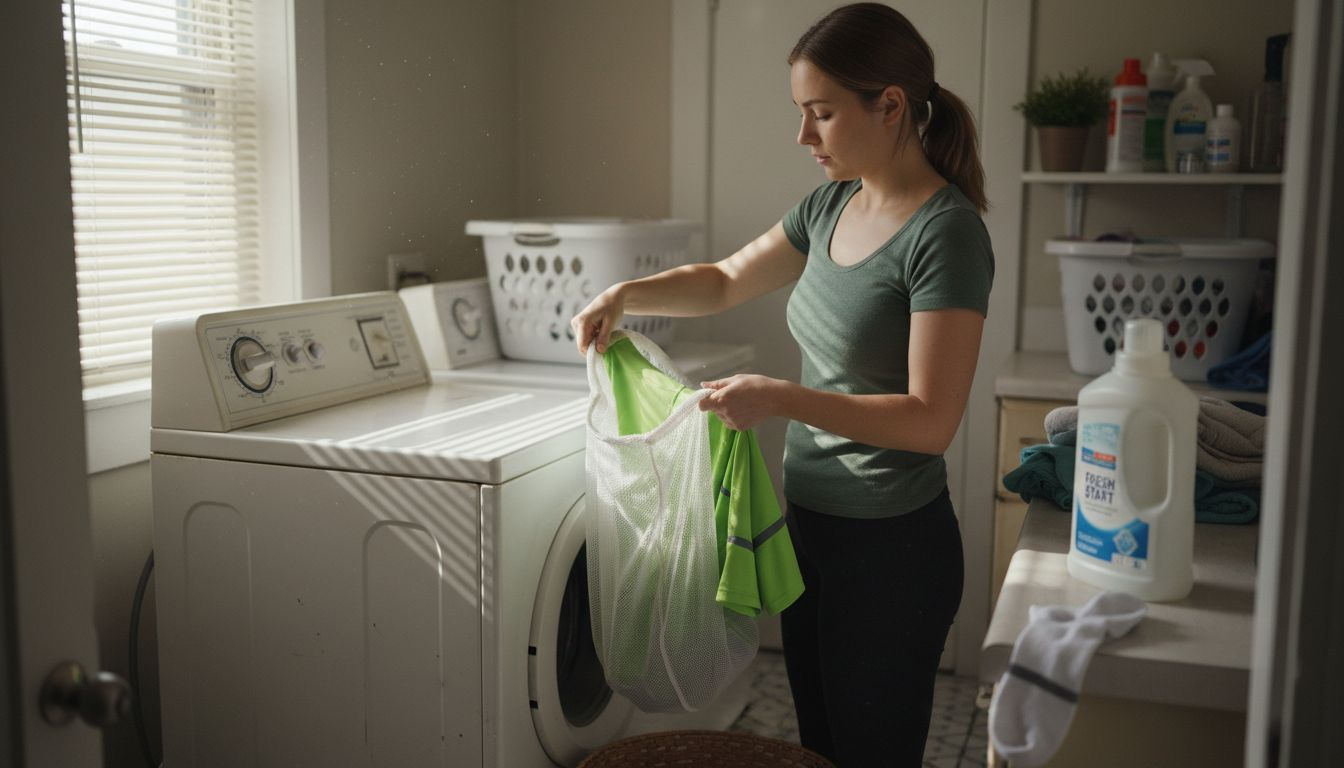
Active mornings in Berlin or late nights out in Paris can leave even the most advanced wardrobe struggling against odors and sweat. For European professionals who rely on sleek, low-maintenance clothing to stay confident and fresh, the way you wash makes a major difference. Learning how to preserve your garments’ specialized fabric treatments ensures your favorite pieces stay as stylish and functional as your fast-paced lifestyle demands.
Table of Contents
Quick Summary
Key Point | Explanation |
1. Sort garments carefully before washing | Organize odor-resistant clothing by fabric type, color, and soil level to maintain their special treatments during laundering. |
2. Choose mild detergents and settings | Use gentle, enzyme-free detergents and cold water cycles to prevent damage to antimicrobial properties and ensure effective cleaning. |
3. Avoid high heat during drying | Dry garments using low temperatures or air drying to protect fabric technologies and prolong odor-control effectiveness. |
4. Regularly assess odor after wear | Monitor garment performance through odor checks and fabric integrity to determine if laundering or retreatment is needed. |
5. Minimize laundering frequency | Wash technical clothing only when necessary to preserve antimicrobial treatments and extend the life of the garment’s odor resistance. |
Step 1: Prepare garments for odor-resistant washing
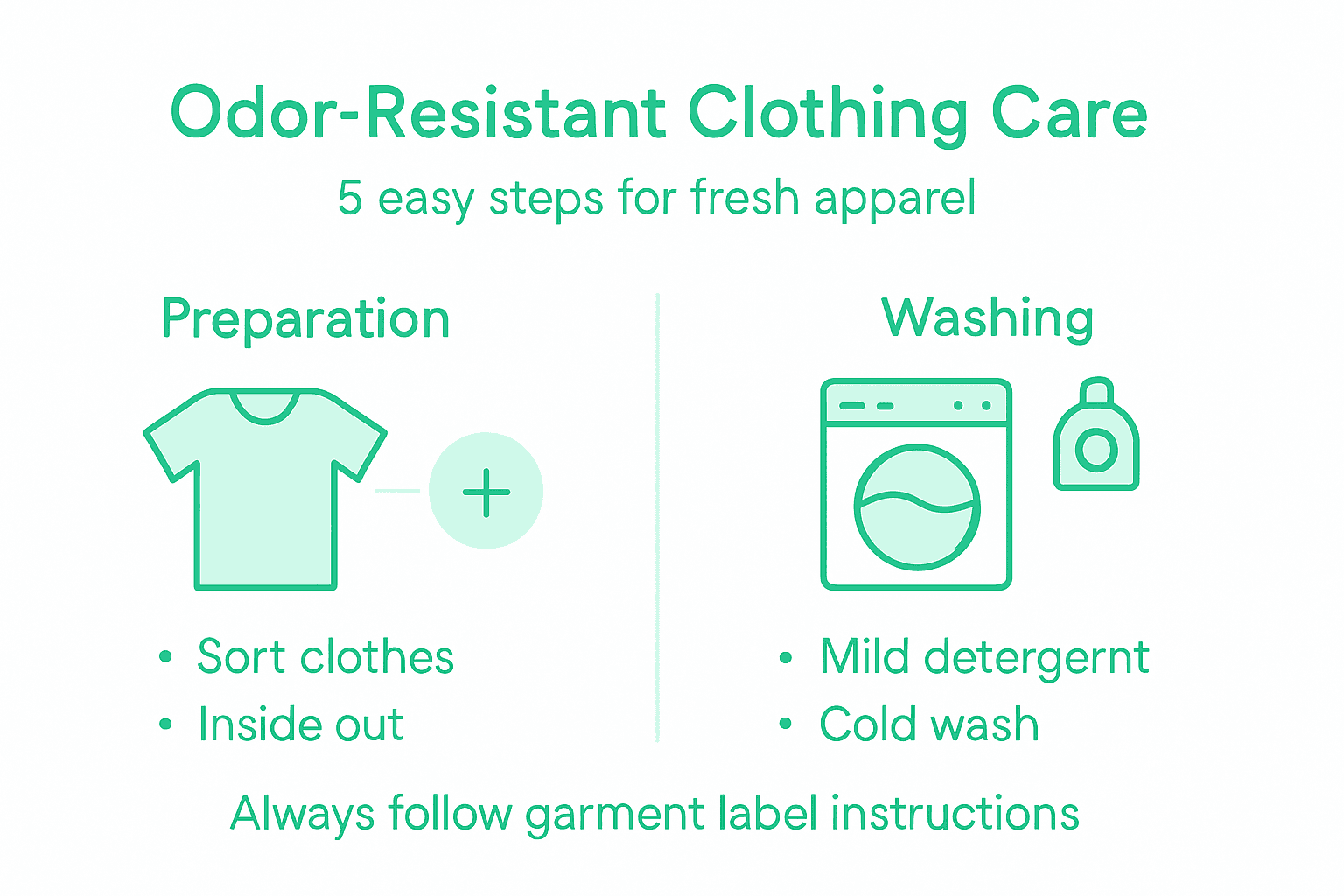
Preparing your odor-resistant garments for washing requires strategic handling to maintain their advanced fabric technologies and antimicrobial properties. Following precise preparation techniques will help preserve the specialized fabric treatments and ensure your clothing remains fresh and functional.
Start by carefully sorting your odor-resistant garments according to specific textile washing standards. This means separating items based on:
Fabric composition
Color intensity
Soil level
Specific antimicrobial treatment type
Each garment demands individual attention. Delicate antimicrobial fabrics require gentler washing cycles that prevent mechanical damage and protect the underlying odor-control technology. High-performance textiles often have unique care requirements that differ from standard clothing.
Check manufacturer labels for specific washing instructions, as some odor-resistant treatments are sensitive to standard detergents or high-temperature washing. When in doubt, opt for mild detergents and cool to lukewarm water settings to prevent disrupting the fabric’s protective properties.
Careful preparation preserves your garment’s advanced odor-resistance and extends its functional lifespan.
Pro tip: Always turn odor-resistant garments inside out before washing to minimize friction and protect the specialized fabric surface.
Step 2: Select appropriate detergents and wash settings
Choosing the right detergents and wash settings is crucial for maintaining the performance and longevity of your odor-resistant garments. The goal is to clean effectively while preserving the advanced fabric technologies that keep your clothing fresh and functional.
When selecting detergents, prioritize gentle cleaning solutions that won’t compromise your clothing’s specialized treatments. Look for products specifically designed for high-performance fabrics with the following characteristics:
Enzyme-free formulations
No harsh chemical additives
Biodegradable surfactants
Mild pH balance
Specifically labeled for technical or performance wear
Wash settings play an equally critical role in maintaining your garments. Opt for cold water cycles and shorter wash durations to minimize potential damage to fabric technologies. Most odor-resistant clothing performs best in gentle wash modes that reduce mechanical stress and preserve antimicrobial treatments.
Selecting the right detergent and wash settings is your first line of defense in protecting your garment’s advanced performance features.
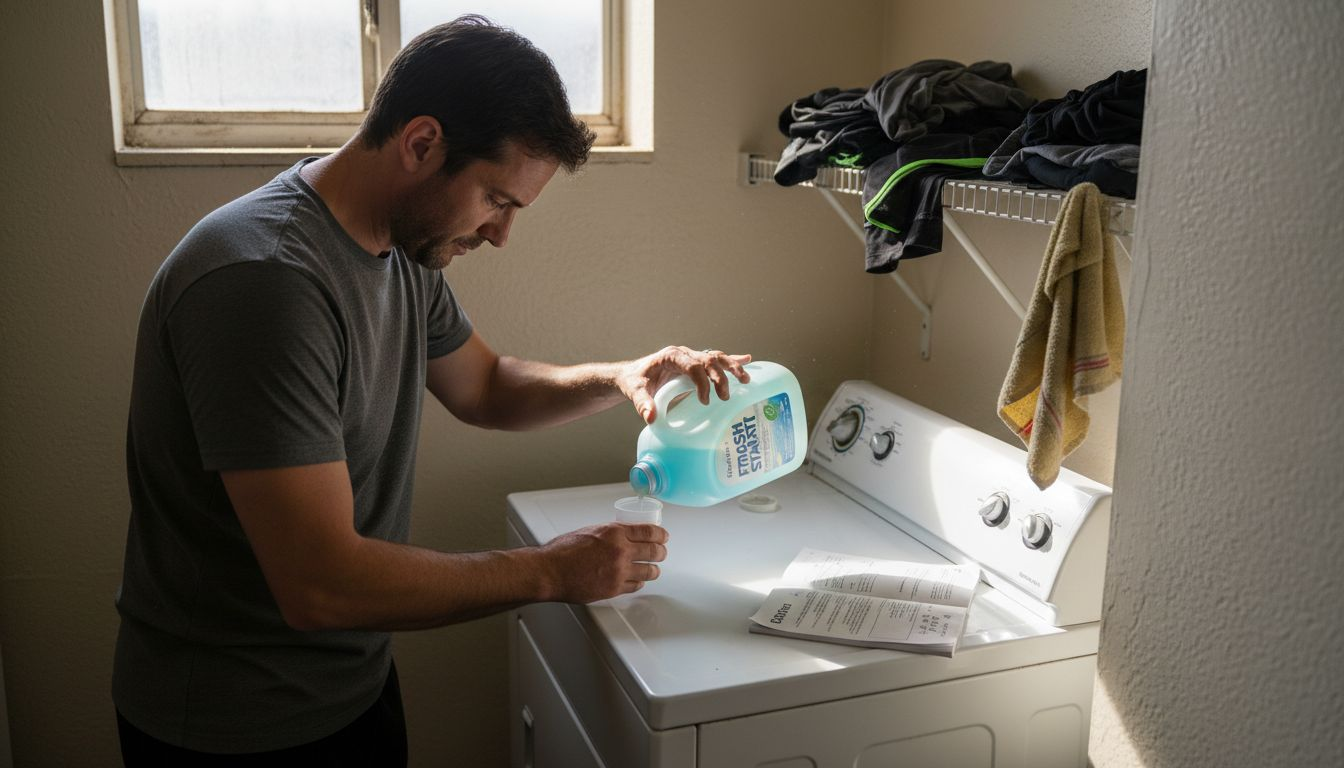
Pro tip: Always measure detergent precisely - using too much can leave residue that clogs fabric performance and reduces odor-resistance.
Step 3: Avoid common mistakes that compromise fabric tech
Preserving the advanced technology of odor-resistant clothing requires understanding and avoiding critical laundering errors that can rapidly degrade your garments’ performance. Your careful approach determines how long these high-tech fabrics maintain their specialized protective properties.
Comprehensive fabric care research reveals several key mistakes that dramatically reduce odor-resistant clothing’s effectiveness:
Washing at excessively high temperatures
Using harsh chemical detergents
Over-washing garments
Ignoring manufacturer-specific care instructions
Drying on high heat settings
Each of these mistakes can permanently damage fabric technologies, breaking down antimicrobial treatments and reducing the clothing’s ability to manage moisture and control odors. Mechanical stress during washing plays a significant role in compromising these advanced textile properties, so gentle handling is crucial.
Here’s a quick reference table summarizing how different laundering choices impact odor-resistant fabric lifespan:
Laundering Choice | Positive Impact | Negative Impact |
Cold water, short cycle | Preserves antimicrobial treatments | May not remove heavy soil |
Use of mild detergents | Maintains fabric integrity | Less effective on tough stains |
Precise detergent dosing | Prevents residue buildup | Too little may result in poor cleaning |
Air drying, ventilated space | Reduces stress, preserves odor control | Needs more drying time |
Ignoring care instructions | Risks breakdown of advanced fabric technology | Permanent damage and loss of function |
Consistent, mindful care preserves your garment’s high-performance capabilities far more effectively than frequent, aggressive washing.
Pro tip: Consider investing in a specialized mesh laundry bag for your technical fabrics to minimize mechanical friction during washing.
Step 4: Dry and store clothing for optimal odor control
Proper drying and storage are critical final steps in maintaining the odor-resistant properties of your high-performance garments. Your post-wash approach directly impacts the longevity and effectiveness of your clothing’s advanced fabric technologies.
Microbial growth prevention research highlights specific techniques for optimal drying and storage. Follow these critical guidelines to preserve your clothing’s odor-control capabilities:
Avoid enclosed, damp storage spaces
Choose well-ventilated drying areas
Use appropriate temperature settings
Air out garments between wears
Maintain consistent, dry storage conditions
Tumble dry at recommended temperatures or opt for line drying in a well-ventilated space. Direct sunlight can help naturally eliminate residual bacteria, but avoid prolonged exposure that might fade fabric colors. Breathable storage solutions like mesh garment bags or open-air closet sections prevent moisture accumulation that can compromise odor resistance.
Strategic drying and storage are your last line of defense in maintaining high-performance textile technologies.
Pro tip: Invest in wooden or cedar hangers that naturally absorb moisture and provide antimicrobial benefits for your technical clothing.
Step 5: Check and maintain long-term odor resistance
Maintaining the exceptional odor-resistant properties of your technical clothing requires strategic monitoring and periodic assessment. Your goal is to preserve the advanced fabric technologies that keep your garments performing at their peak.
Textile antimicrobial performance research recommends systematic approaches to long-term odor control maintenance. Track your garment’s performance using these key evaluation methods:
Perform regular odor assessments after wearing
Monitor fabric integrity and treatment effectiveness
Note any reduction in odor-blocking capabilities
Check for signs of treatment degradation
Consider professional retreatment if performance declines
Minimal laundering is critical to preserving antimicrobial treatments. Wash only when necessary and always follow manufacturer-specific care instructions. Visual and olfactory inspections between washes help you understand how your garment’s odor-resistant technology is performing.
This summary table highlights best practices for long-term odor control in technical garments:
Practice | Benefit | Risk If Ignored |
Regular odor assessments | Detects early loss of effectiveness | Accumulation of persistent odors |
Minimal laundering | Preserves antimicrobial coatings | Quicker treatment degradation |
Professional retreatment | Restores high-tech performance | Loss of odor-resistance over time |
Breathable storage methods | Prevents moisture and microbial growth | Fabric odors may intensify |
Proactive maintenance extends the functional lifespan of your high-performance clothing.
Pro tip: Keep a simple log tracking each garment’s wash frequency and performance to identify when retreatment might become necessary.
Stay Fresh and Confident with LABFRESH Odor-Resistant Apparel
Taking care of odor-resistant clothing requires attention to fabric technology and proper washing techniques to keep garments fresh and effective. If you want clothing that naturally resists odor without complicated maintenance, explore our advanced collections designed with FreshCore™ and Seawool technology. Whether you prefer the lightweight comfort of our T-shirts - LABFRESH or the polished versatility of our LABFRESH | Shirts, you can trust that these pieces are engineered for durability and easy care.

Ready to upgrade your wardrobe with functional, odor-resistant apparel that fits your active lifestyle? Visit LABFRESH now to discover innovative clothing solutions that minimize laundry hassle and maximize freshness. Don’t wait to experience the confidence of truly fresh apparel every day.
Frequently Asked Questions
How do I properly prepare my odor-resistant clothing for washing?
To prepare your odor-resistant clothing for washing, sort garments by fabric type, color, and soil level. Turn each item inside out to minimize friction and protect its advanced fabric technologies.
What type of detergent should I use for odor-resistant clothing?
Use gentle, enzyme-free detergents that are specifically designed for high-performance fabrics. This will help maintain the integrity of the antimicrobial treatments effectively.
What wash settings are best for maintaining odor-resistance in my garments?
Opt for cold water and short wash cycles to minimize mechanical stress and protect the fabric technologies. Washing on gentle modes will extend the lifespan of your clothing’s odor-control properties.
What common laundering mistakes should I avoid to protect my odor-resistant clothing?
Avoid washing at high temperatures, using harsh detergents, and over-washing your garments. These actions can permanently damage the antimicrobial treatments and reduce odor resistance.
How should I dry and store my odor-resistant clothing to maintain its properties?
Air dry your garments in a well-ventilated area and avoid enclosed, damp spaces. Use breathable storage solutions to prevent moisture accumulation and maintain odor control.
How can I check if my odor-resistant clothing is still effective?
Perform regular odor assessments and visually inspect for fabric integrity. If you notice a reduction in odor-blocking capabilities, consider professional retreatment to restore performance.
Recommended
Comments