Low-maintenance clothing care: a simple guide for busy lives

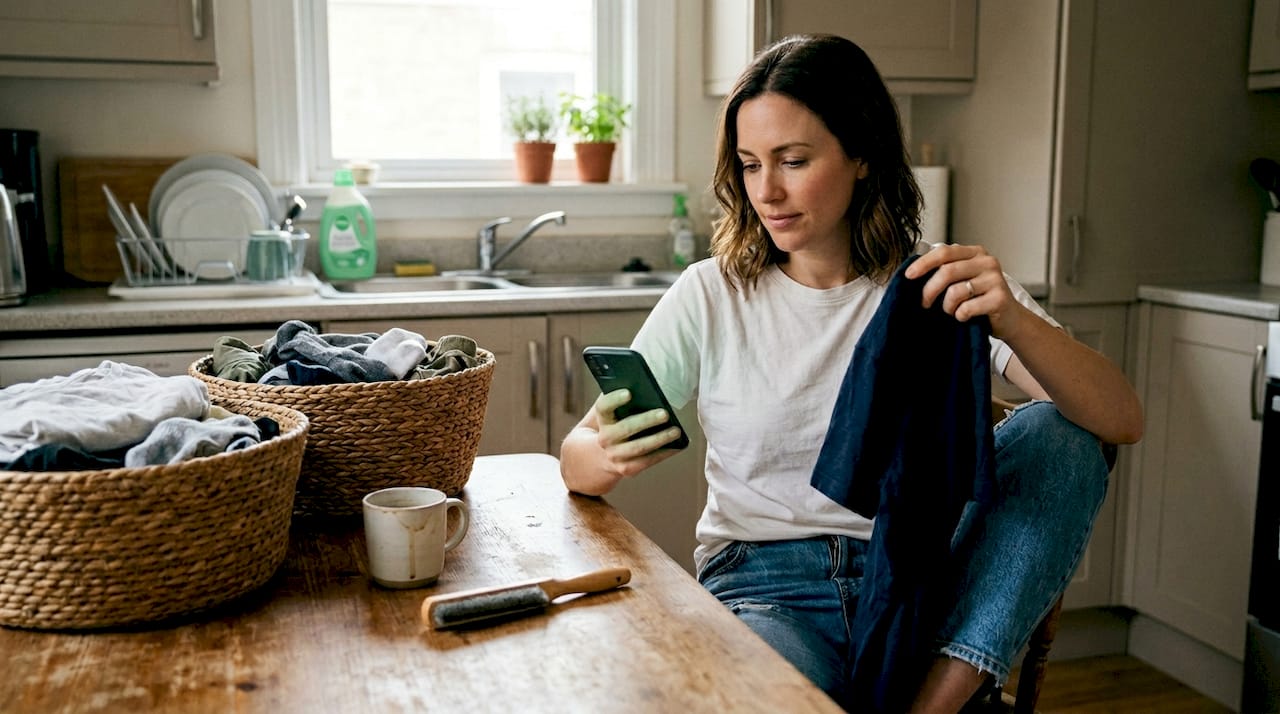
Most busy professionals and outdoor enthusiasts spend more time managing their wardrobe than they realize. Between washing, ironing, spot cleaning, and replacing worn-out pieces, clothing upkeep quietly eats into your week. The good news is that a smarter approach exists. By combining intentional fabric choices with a repeatable care workflow, you can cut that time dramatically and still show up looking sharp. This guide walks you through every step, from building the right wardrobe foundation to troubleshooting the occasional stubborn stain, so you can spend less time at the laundry machine and more time doing what matters.
Table of Contents
Key Takeaways
Point | Details |
Save time and energy | Low-maintenance clothing workflows dramatically reduce your weekly laundry and care routines. |
Prioritize advanced fabrics | Performance blends and innovative textiles make easy-care wardrobe management possible. |
Follow a repeatable routine | Simple daily and weekly steps keep your clothing looking sharp with minimal effort. |
Troubleshoot proactively | Knowing how to address set-in stains or odor keeps your wardrobe fresh and extends its lifespan. |
Invest in quality essentials | Building a wardrobe around durable, easy-care staples pays off in saved money and sustainability. |
Understanding the benefits of low-maintenance apparel
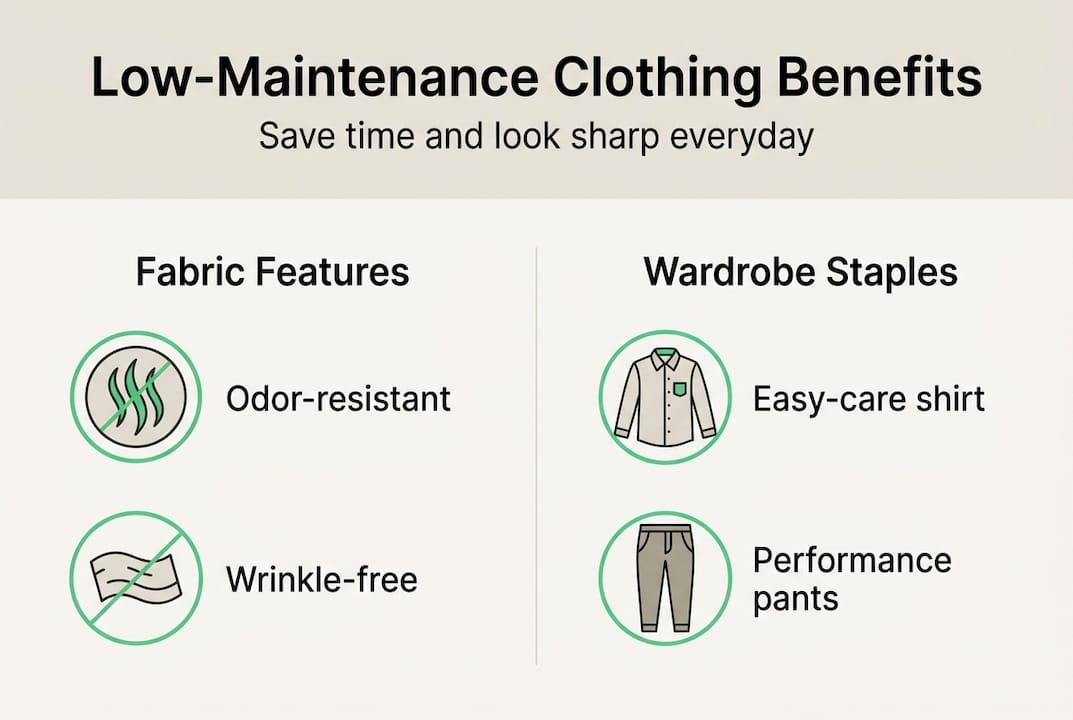
Intentional clothing choices are genuinely transformative. When you invest in garments designed to resist odors, repel stains, and stay wrinkle-free, you stop fighting your wardrobe and start trusting it. That shift has real, measurable benefits.
First, consider time. The average adult spends several hours each week on laundry alone, and that number climbs when you factor in ironing and hand-washing delicate items. Low-maintenance apparel cuts those hours significantly. Second, think about cost. Clothes that last longer and need fewer washes cost less to maintain over time. Third, there is the environmental angle. Household energy consumption tied to clothing care is substantial, and washing less directly reduces your footprint.
Here is a quick look at the core benefits:
More free time each week by skipping unnecessary wash cycles
Lower utility bills from reduced water and energy use
Longer clothing lifespan because fewer washes mean less fabric wear
Reduced environmental impact through smarter, less frequent laundering
Less ironing thanks to wrinkle-resistant and non-iron fabric technologies
Modern fabrics make this possible. A well-made non-iron light blue shirt, for example, goes from the hanger to a meeting without a single pass of the iron. That is not a luxury. That is smart design working for you.
What you need: building a low-maintenance wardrobe
Knowing the benefits brings us to the specific tools and pieces that enable a stress-free clothing care workflow. The foundation is fabric selection. Not all materials are created equal when it comes to ease of care.
Performance fabrics are engineered to be odor-resistant and wrinkle-free, which means they stay fresher longer and require less intervention between wears. The three material categories worth prioritizing are synthetic performance blends, merino wool, and treated technical cottons. Each brings something different to the table.
Material | Key benefit | Best use case |
Synthetic performance blend | Moisture-wicking, fast-drying | Active days, travel |
Merino wool | Natural odor resistance | Layering, cooler climates |
Treated technical cotton | Stain and wrinkle resistance | Office, casual wear |
Beyond materials, look for these features when building your wardrobe:
Odor resistance so garments stay fresh through long days
Sweat-wicking properties that pull moisture away from your skin
Wrinkle-free or non-iron finishes that eliminate ironing entirely
Stain-repellent coatings that let spills bead off instead of soaking in
4-way stretch for unrestricted movement whether you are at a desk or on a trail
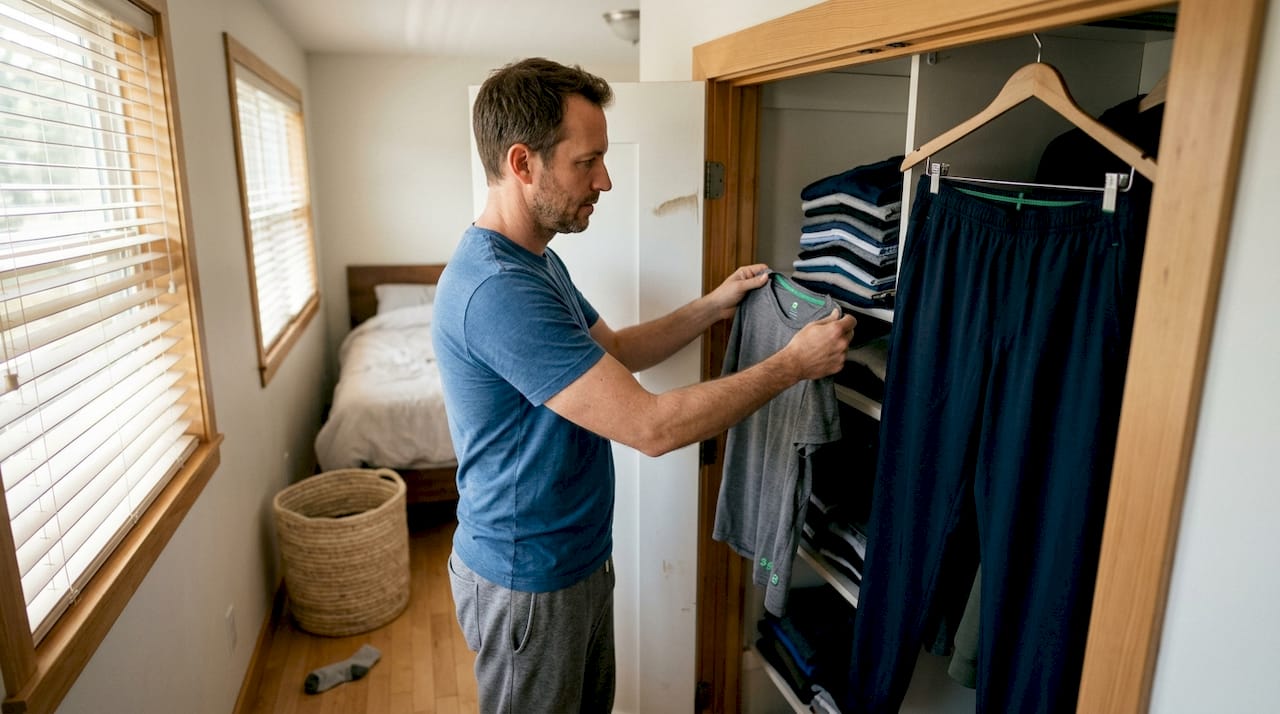
Must-have staples include a quality non-iron shirt, a pair of performance pants, a moisture-wicking undershirt, and a water-repellent outer layer. A knitted non-iron shirt is a particularly versatile pick because it moves with you and resists creasing even after hours of wear.
Pro Tip: Stick to neutral and dark colors like navy, gray, and olive when building your core wardrobe. These shades hide minor stains and show fewer wrinkles, which means you can wear pieces more times between washes without anyone noticing.
Step-by-step clothing care workflow
Now, let’s break down the practical, repeatable steps to keep your wardrobe fresh and your routine efficient. This workflow is designed for real life, not a laundry manual.
Air garments daily. After each wear, hang clothes in a well-ventilated spot for at least 30 minutes. This releases moisture and odors naturally, extending the time between washes.
Spot clean immediately. Address spills the moment they happen. A damp cloth or a small spray bottle with mild soap handles most fresh stains on technical fabrics without a full wash cycle.
Rotate your pieces. Wearing the same shirt two days in a row stresses the fabric. Rotating through your wardrobe gives each garment time to recover its shape and freshness.
Wash on quick or eco cycles. When washing is necessary, use cold water and a short cycle. Washing less preserves fabric quality and reduces environmental impact, so resist the urge to over-wash.
Skip the dryer when possible. Hang drying is gentler on fibers and eliminates shrinkage risk. Most performance fabrics dry quickly at room temperature anyway.
Schedule periodic deeper cleans. Every few weeks, give your most-worn pieces a more thorough wash following the care label. This resets any buildup without the damage of constant machine washing.
Store properly. Fold knits, hang wovens, and keep everything in a cool, dry space. Good storage prevents unnecessary creasing and fabric stress.
Pro Tip: Batch similar garments together when you do wash. Running one load of performance fabrics on the right cycle is faster and more effective than mixing everything together and compromising on settings.
Here is a quick comparison of traditional versus low-maintenance care approaches:
Task | Traditional approach | Low-maintenance approach |
Washing frequency | After every wear | Every 3 to 5 wears |
Drying method | Tumble dryer | Hang dry |
Ironing | Regular | Rarely or never |
Stain treatment | Full wash cycle | Spot clean on the spot |
Time per week | 3 to 5 hours | Under 1 hour |
A pair of performance pants in blue paired with easy-care shirts from a quality collection makes this workflow almost automatic. The garments do the heavy lifting so you do not have to.
Troubleshooting common challenges
Even with the best workflow, occasional difficulties arise. Let’s address them proactively so you are never caught off guard.
Persistent odors: If a garment starts holding onto smells despite airing, soak it in a solution of cold water and white vinegar for 30 minutes before washing. This resets the fabric without harsh chemicals that can degrade performance coatings.
Set-in stains on technical fabrics: Act fast. The longer a stain sits, the harder it becomes to remove. For oil-based stains, apply a small amount of dish soap directly to the spot, let it sit for five minutes, then rinse with cold water. Avoid hot water, which can set the stain permanently.
Loss of water or stain repellency: High-tech fabric care matters because some advanced fabrics lose their properties if over-washed or mishandled. If your water-repellent jacket starts absorbing moisture instead of shedding it, try tumble drying on low heat for 20 minutes. Heat reactivates the DWR (durable water repellent) coating. If that does not work, a wash-in DWR treatment product can restore the finish.
Here are the key troubleshooting actions to keep in mind:
Revive odor resistance with a vinegar soak, not extra detergent
Treat stains cold and fast, never with hot water
Restore water repellency with low heat or a DWR refresh product
Check care labels before trying any new treatment method
When a garment consistently underperforms despite proper care, it may be time to retire it. A non-iron white shirt or a knitted non-iron brown shirt built with quality fabric technology will outlast fast-fashion alternatives by years, but every garment has a natural end of life. Replacing strategically is part of a smart wardrobe system.
Verifying results and measuring workflow success
To wrap up, let’s ensure your workflow is truly delivering results, both now and for the future. A good system should be measurable, not just felt.
Start by tracking your time. Before adopting this workflow, note how many hours per week you spend on clothing care. After two weeks, check again. Most people find they reclaim one to three hours weekly. That adds up to over 50 hours per year.
Next, assess your clothing condition. Garments that are properly maintained last longer and look better, which means you replace them less often and spend less money over time. Look at your pieces every month and ask: are they holding their shape, color, and finish?
Here are the signs your workflow is working well:
Clothes stay fresh for multiple wears without odor
Fabrics retain their original texture and color after repeated washing
You are spending noticeably less time on laundry each week
Stains are handled quickly and rarely require a full wash
Your wardrobe feels curated and intentional, not chaotic
If something feels off, revisit your washing frequency or storage habits first. Those two factors cause the most common issues. A classic non-iron shirt in navy or a performance pants bundle are great benchmarks because their quality makes it easy to spot when your care routine is working versus when it needs a tweak.
The long-term financial and sustainability benefits are real. Fewer replacements mean less textile waste. Less washing means lower energy and water bills. A well-maintained wardrobe is genuinely one of the most practical sustainability choices you can make.
Experience truly low-maintenance clothing with LABFRESH
Ready to put the workflow into action? We built LABFRESH specifically for people who want their clothing to work as hard as they do. Our pieces are engineered with technologies like FreshCore™ and Seawool to resist odors, repel stains, and stay looking sharp with minimal effort.
Explore our full range of shirting solutions designed to eliminate ironing from your morning routine entirely. Pair them with pieces from our performance pants collection for a complete low-maintenance outfit that takes you from the office to the outdoors without missing a beat. If you want to start with one standout piece, our top-rated non-iron shirts are a favorite among our community for exactly the reasons this guide covers. Innovation, style, and zero compromise on convenience.
Frequently asked questions
What are the best fabrics for low-maintenance clothing?
The best low-maintenance fabrics are performance blends, merino wool, and technical cottons that offer odor resistance and wrinkle-free properties right out of the box.
How often should I wash high-performance garments?
High-performance apparel only needs washing when noticeably dirty or odorous. Washing less extends garment life and reduces environmental impact, so aim for every three to five wears rather than after every use.
Can low-maintenance clothing still look stylish?
Absolutely. Modern high-tech fabrics are available in fashion-forward cuts and classic styles, so you never have to choose between looking good and keeping your care routine simple.
What basic tools help with clothing care?
A fabric brush, a small spray bottle, quality hangers, and a gentle detergent cover most needs for a low-maintenance wardrobe. These four items handle the majority of day-to-day garment upkeep.
How do I know if my workflow is working?
You should find yourself spending less time on laundry each week, with clothing that stays fresh longer and lasts significantly longer than pieces cared for with a traditional high-frequency wash routine.
Recommended
Comments