Why choose low-maintenance apparel for busy lifestyles
- Leroy Hughes

- Mar 11
- 7 min read
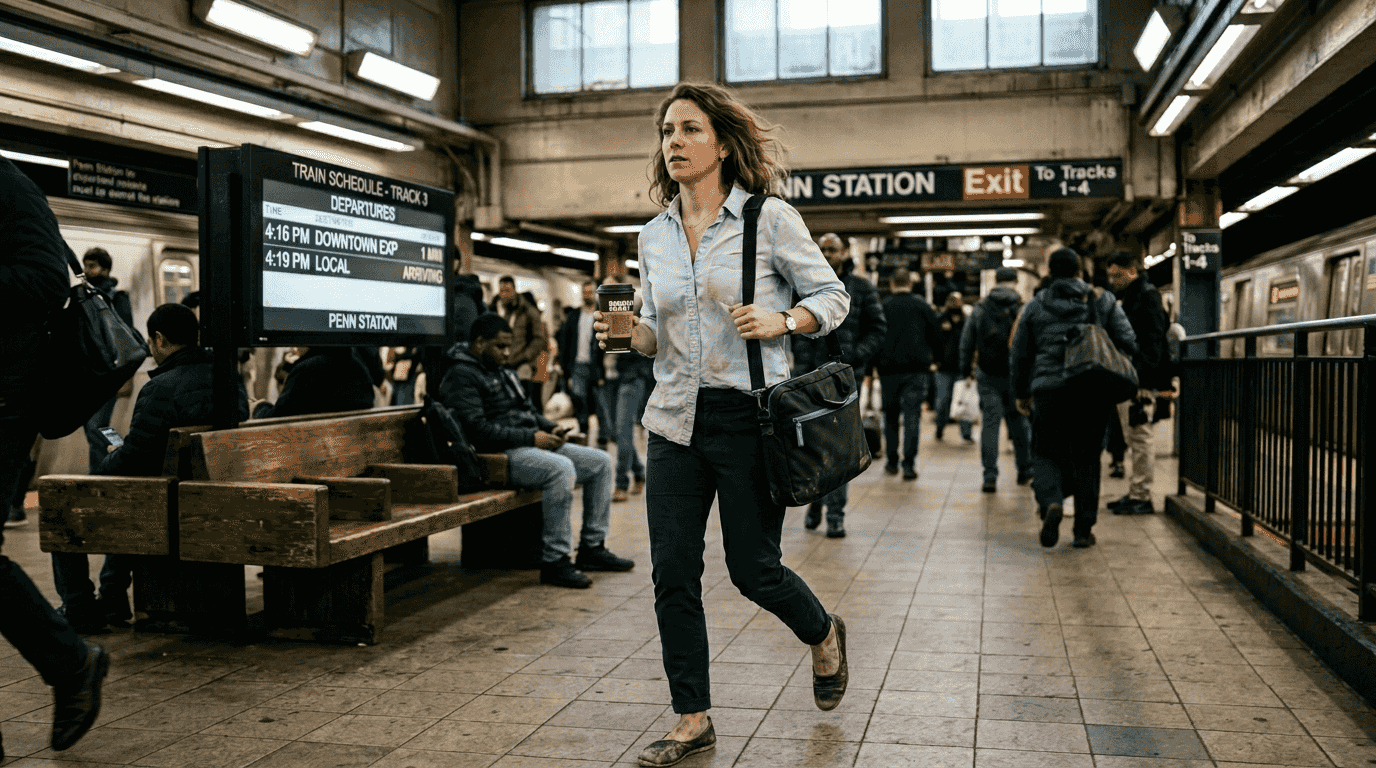
Most people assume their favorite cotton shirt needs washing after every wear, but modern fabric technologies can reduce laundering frequency by up to 70% while maintaining freshness and appearance. Low-maintenance apparel combines advanced treatments with smart textile engineering to deliver clothing that resists stains, repels water, and fights odor naturally. For style-conscious professionals and active individuals balancing demanding schedules with sustainability commitments, these innovations transform wardrobes from high-maintenance burdens into effortless assets that align with modern values and busy routines.
Table of Contents
Key takeaways
Point | Details |
Stain resistance | Advanced hydrophobic coatings repel water and oil without compromising fabric softness or breathability. |
Reduced washing | Tech-integrated odor resistance and moisture-wicking properties decrease laundering needs by 60-70%. |
Eco-friendly treatments | New fluorine-free coatings replace harmful chemicals while maintaining durability through 100+ wash cycles. |
Performance integration | Antimicrobial finishes and moisture management enhance comfort for active lifestyles and professional settings. |
Smart selection | Choosing certified low-maintenance fabrics supports sustainability goals while simplifying daily wardrobe management. |
Understanding low-maintenance apparel: fabrics and treatments
Traditional natural fibers present inherent maintenance challenges that contradict modern lifestyle demands. Cotton and linen absorb water readily, making them prone to staining and requiring frequent washing to maintain appearance. Wool offers natural water resistance through its unique fiber structure, but even this performance fiber benefits significantly from modern treatment enhancements that boost durability and ease of care.
Modern hydrophobic treatments revolutionize fabric performance through sophisticated chemical engineering. Silicone and fluorocarbon-based resins applied via UV curing create invisible barriers that repel both water and oil without altering the fabric’s fundamental structure or hand feel. This UV photografting process bonds protective molecules directly to fiber surfaces, maintaining the soft drape and breathability that makes quality clothing comfortable while adding practical resistance to everyday challenges.
The chemistry behind these treatments relies on precise polymer chains that create microscopic surface textures. Water droplets bead up and roll off rather than penetrating fibers, while oil-based substances slide away before they can create permanent marks. Knitted non-iron shirts and white non-iron shirts showcase how these technologies deliver professional appearance with minimal effort, perfect for individuals who value both style and efficiency.
Common low-maintenance fabric treatments:
UV curing for durable water and oil repellency
Hydrophobic polymer coatings that preserve fabric softness
Photografting techniques that bond protective molecules at fiber level
Silicone-based treatments for natural drape retention
Pro Tip: Always verify care labels specify the exact treatment type and maintenance requirements, as generic “stain resistant” claims may not deliver the durability needed for truly low-maintenance performance.
Advancements in eco-friendly and durable fabric technologies
Environmental and health concerns have driven textile innovation away from harmful legacy treatments toward safer alternatives. Traditional fluorinated repellents faced bans due to their persistence in ecosystems and potential health impacts, creating urgent demand for replacement technologies that match or exceed performance without environmental costs. The industry responded with breakthrough treatments that prioritize both sustainability and durability.
Fluorine-free cotton treated with polyurethane hydrophobes and electron beam irradiation demonstrates remarkable longevity, maintaining water repellency through 100 household wash cycles. This represents a quantum leap over first-generation eco-friendly treatments that degraded after 20 to 30 washes. Electron beam technology creates crosslinked polymer networks that bond deeply with cellulose fibers, producing resilience that matches the lifespan of the garment itself rather than requiring reapplication.
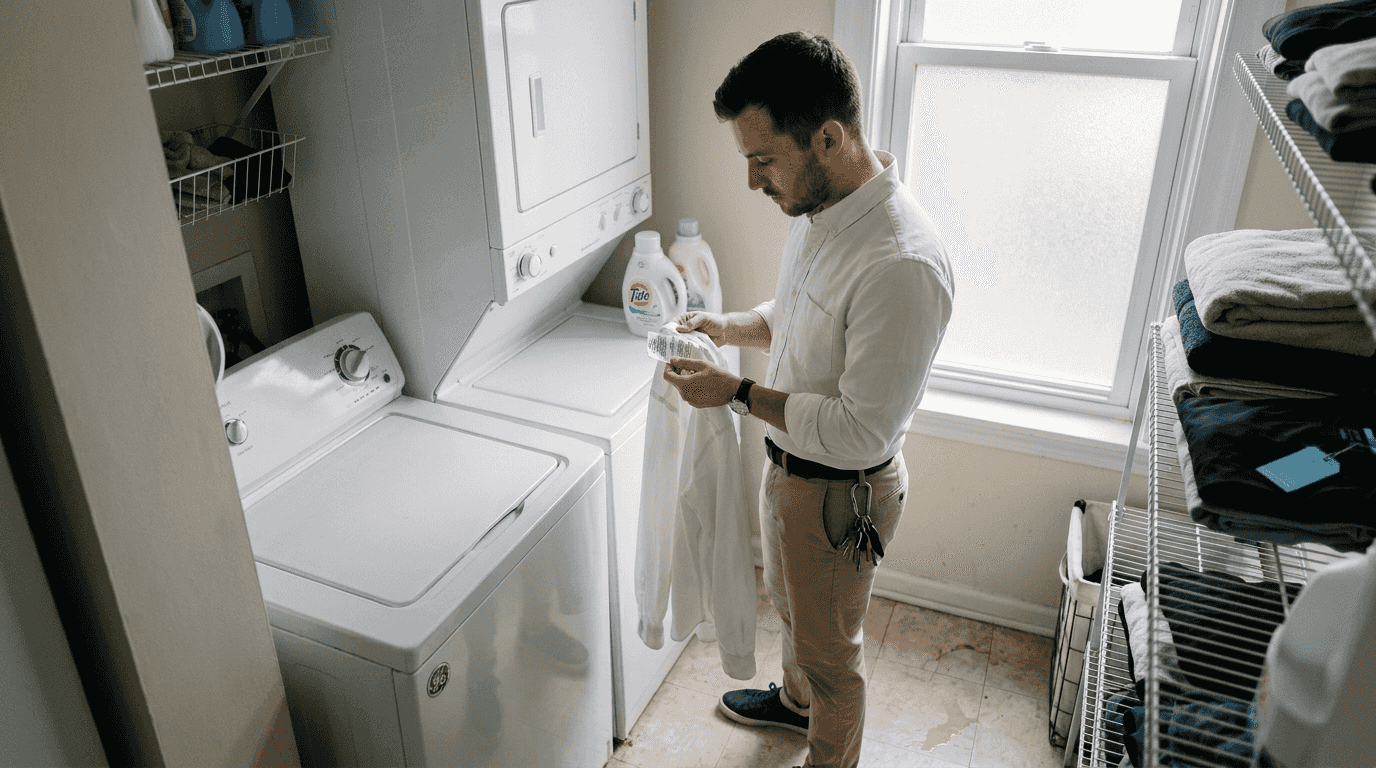
These durable finishes transform the economics and sustainability profile of wardrobes for active users. Garments maintain protective properties through years of regular wear and washing, eliminating the need for chemical reapplication or premature replacement. 4-way stretch shirts and non-iron stretch shirts incorporate these advanced treatments alongside mechanical performance features, creating clothing that adapts to movement while resisting environmental challenges.
Traditional vs. new fabric treatments comparison:
Feature | Traditional Fluorinated | New Fluorine-Free |
Environmental impact | High persistence, bioaccumulative | Biodegradable, low ecosystem impact |
Wash durability | 50-80 cycles | 100+ cycles |
Health concerns | PFAS exposure risks | Minimal toxicity profile |
Performance consistency | Gradual degradation | Stable through garment life |
Cost efficiency | Moderate initial, frequent reapplication | Higher initial, no maintenance |
Pro Tip: Seek certifications like OEKO-TEX or bluesign that verify treatments meet strict environmental and health standards, ensuring your low-maintenance choices support broader sustainability commitments.
How tech-integrated apparel boosts performance and ease of care
Integrated textile technologies extend beyond surface treatments to fundamentally alter how fabrics interact with the body and environment. Moisture-wicking fabrics transport sweat away from skin up to 3 times faster than traditional cotton, using capillary action within engineered fiber structures to pull moisture toward outer surfaces where evaporation occurs rapidly. This continuous moisture management prevents the damp, clingy feeling that triggers unnecessary laundering while maintaining comfort during intense activity.
Odor-resistant textiles address one of the primary drivers of frequent washing by neutralizing bacteria that cause unpleasant smells. These technologies range from metal ion treatments to microencapsulated natural antimicrobials, each offering distinct performance profiles. Understanding durability differences helps match technology to lifestyle demands and washing frequency expectations.
Antimicrobial efficacy varies significantly across treatment types and usage patterns. Silver-coated polyester loses 82% of antimicrobial effectiveness by wash 45, while zinc oxide-infused fabrics retain 68% efficacy at wash 50. This performance gap matters tremendously for active individuals who depend on odor resistance through extended wear cycles between laundering. White 4-way stretch shirts and sweat-proof undershirts leverage stable antimicrobial systems that maintain protection through hundreds of wear and wash cycles.
Antimicrobial technology performance data:
Technology Type | Initial Efficacy | Efficacy at 45-50 Washes | Best Application |
Silver coating | 99.9% | 18% | Short-term performance |
Zinc oxide infusion | 96% | 68% | Long-term daily wear |
Copper integration | 98% | 55% | Moderate activity levels |
Natural antimicrobials | 85% | 70% | Sensitive skin users |
Key moisture and odor management features:
Engineered fiber channels for rapid sweat transport
Metal ion treatments that inhibit bacterial growth
Microencapsulated natural antimicrobials for skin-friendly protection
Dual-layer constructions separating moisture zones
Choosing fabrics with proven, stable tech-integrated features ensures clothing performs consistently through the demanding schedules of professional and active lifestyles. These technologies reduce environmental impact by decreasing washing frequency while maintaining the fresh appearance and comfort that style-conscious individuals expect.
Choosing and caring for low-maintenance apparel: practical tips
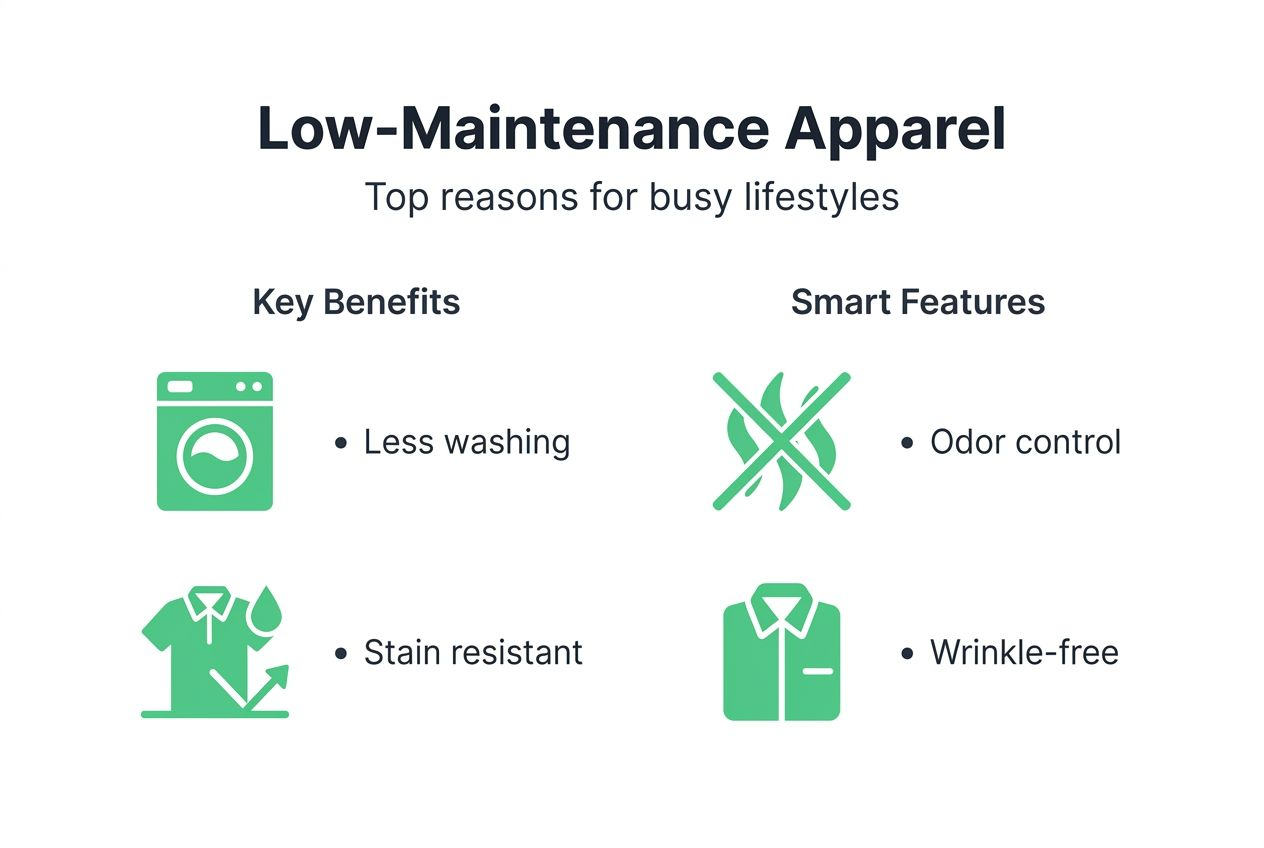
Selecting appropriate low-maintenance garments requires honest assessment of personal lifestyle patterns and exposure risks. Key factors include material type, stain risk environment, acceptable maintenance level, and alignment with sustainability values. Office professionals face different challenges than outdoor enthusiasts, while parents managing active children encounter stain scenarios that demand different protection profiles than solo commuters.
Sustainability considerations extend beyond fabric composition to encompass treatment chemistry, garment longevity, and washing resource consumption. Prioritize eco-friendly treatments verified through recognized certifications, and evaluate total lifecycle impact rather than focusing solely on fiber origin. A synthetic garment worn 200 times often delivers better environmental outcomes than a natural fiber piece replaced after 30 wears due to staining or degradation.
Proper washing and care steps for maximum longevity:
Spot clean minor marks immediately with water before they set into fibers.
Wash only when truly necessary, using cool water and mild detergent without bleach.
Air dry whenever possible to preserve treatment integrity and prevent heat damage.
Store garments properly with adequate ventilation to prevent moisture buildup.
Periodically retreat high-wear areas if manufacturer provides approved products.
Expert testing confirms performance characteristics align with real-world usage by evaluating breathability, stain resistance, and wrinkle resistance under varied conditions. Before committing to a new brand or technology, verify claims through small initial purchases and wear-test garments in your typical environments.
Essential garment feature checklist:
Breathability rating appropriate for your activity level
Documented stain and water resistance specifications
Clear care instructions with washing frequency guidance
Verified eco-friendly treatment certifications
Warranty or performance guarantee from manufacturer
Comfort features like stretch or moisture management
Pro Tip: Purchase one garment from a new low-maintenance line and wear it intensively for two weeks in your normal routine, then evaluate performance before investing in additional pieces to build a complete wardrobe system.
Explore durable, low-maintenance apparel at LABFRESH
Transitioning knowledge into action starts with exploring brands that prioritize performance technology and sustainable innovation. LABFRESH specializes in modern shirts, pants, and jackets engineered with advanced stain and odor resistance perfect for professionals and active individuals who refuse to compromise style for practicality.
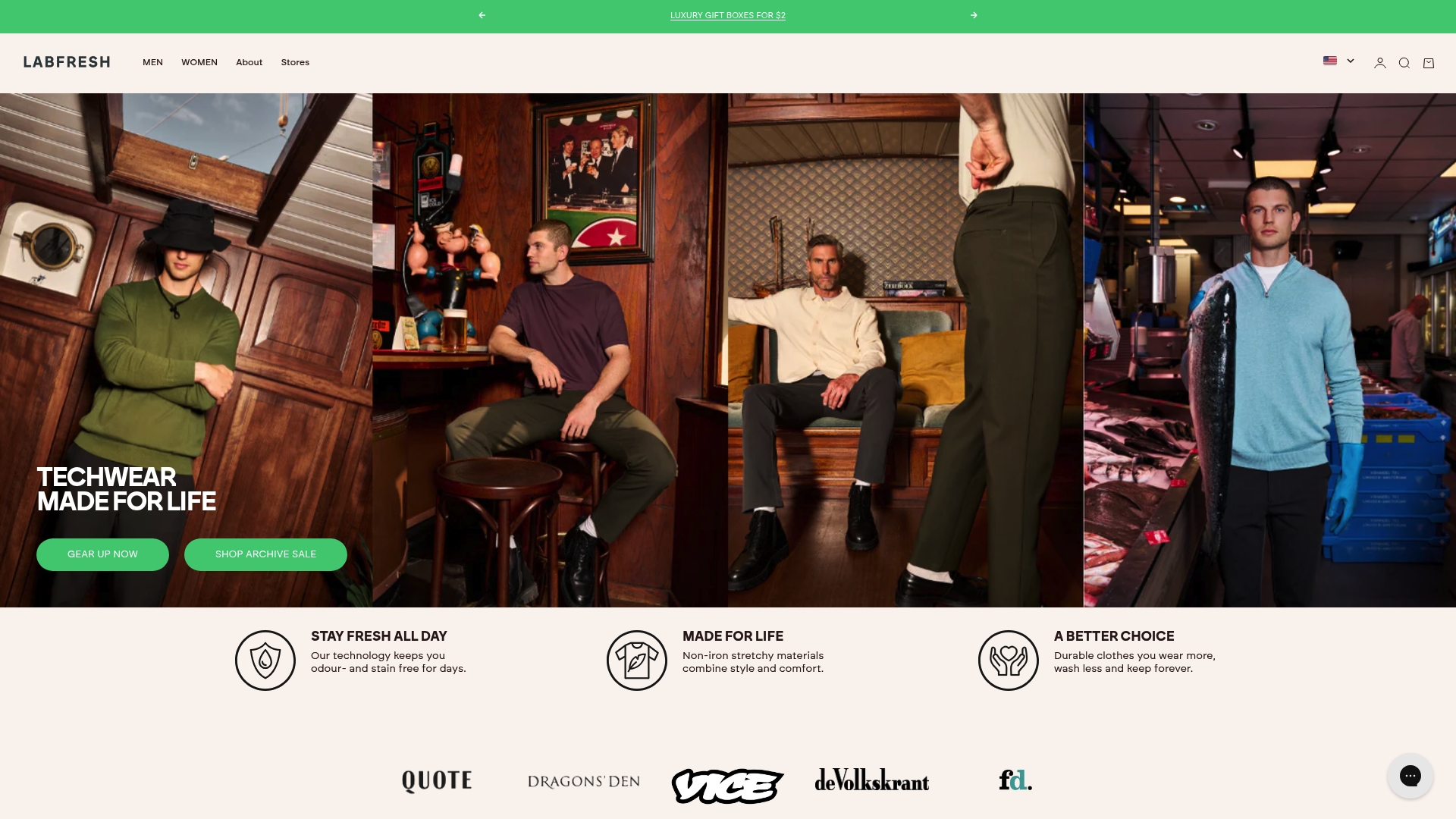
The LABFRESH shirts collection showcases how contemporary fabric science delivers professional appearance with dramatically reduced maintenance demands. Advanced treatments reduce washing frequency by 60% or more while maintaining crisp, fresh presentation through extended wear cycles. Performance pants and the water-repellent performance jacket extend these benefits across complete outfits, creating coordinated wardrobes that support busy schedules without sacrificing environmental responsibility or personal style standards. Each product incorporates durable, eco-friendly treatments that align with responsible consumption values while delivering the practical benefits modern lifestyles demand.
FAQ
Are low-maintenance clothes always made from synthetic fabrics?
Natural fibers like cotton and wool receive hydrophobic and stain-resistant treatments that enhance low-maintenance properties without synthetic conversion. Blended fabrics combine natural comfort with synthetic durability, offering middle-ground solutions that balance performance with traditional fabric appeal.
How do eco-friendly fabric treatments compare to traditional ones?
Fluorine-free treatments offer durable water repellency and sustainability benefits superior to banned fluorinated repellents. Modern alternatives maintain protective performance through 100+ wash cycles while eliminating environmental persistence and health concerns. These new treatments cost slightly more initially but deliver better long-term value through extended garment life and reduced replacement frequency.
What features should I prioritize when buying low-maintenance apparel?
Key factors include breathability, stain resistance, wrinkle resistance, and alignment with lifestyle and sustainability goals. Testing garments under various conditions and reviewing care labels before purchasing ensures performance claims match your specific requirements. Prioritize garments with verified certifications and manufacturer performance guarantees.
How often should I wash low-maintenance apparel?
Wash frequency depends on garment technology and usage intensity rather than arbitrary schedules. Spot clean minor marks immediately and launder only when odor or visible soil appears, typically every 3 to 5 wears for professional settings or after intense physical activity. This reduced washing extends garment life while conserving water and energy resources.
Do low-maintenance treatments affect fabric breathability?
Modern treatments preserve or enhance breathability through microscopic coatings that block liquids while permitting vapor transmission. Quality low-maintenance garments often incorporate moisture-wicking technologies that improve comfort compared to untreated fabrics. Always verify breathability specifications match your activity level and climate conditions.
Recommended
Comments