How to Select Sustainable Apparel for a Modern Wardrobe
- Leroy Hughes

- Feb 18
- 8 min read
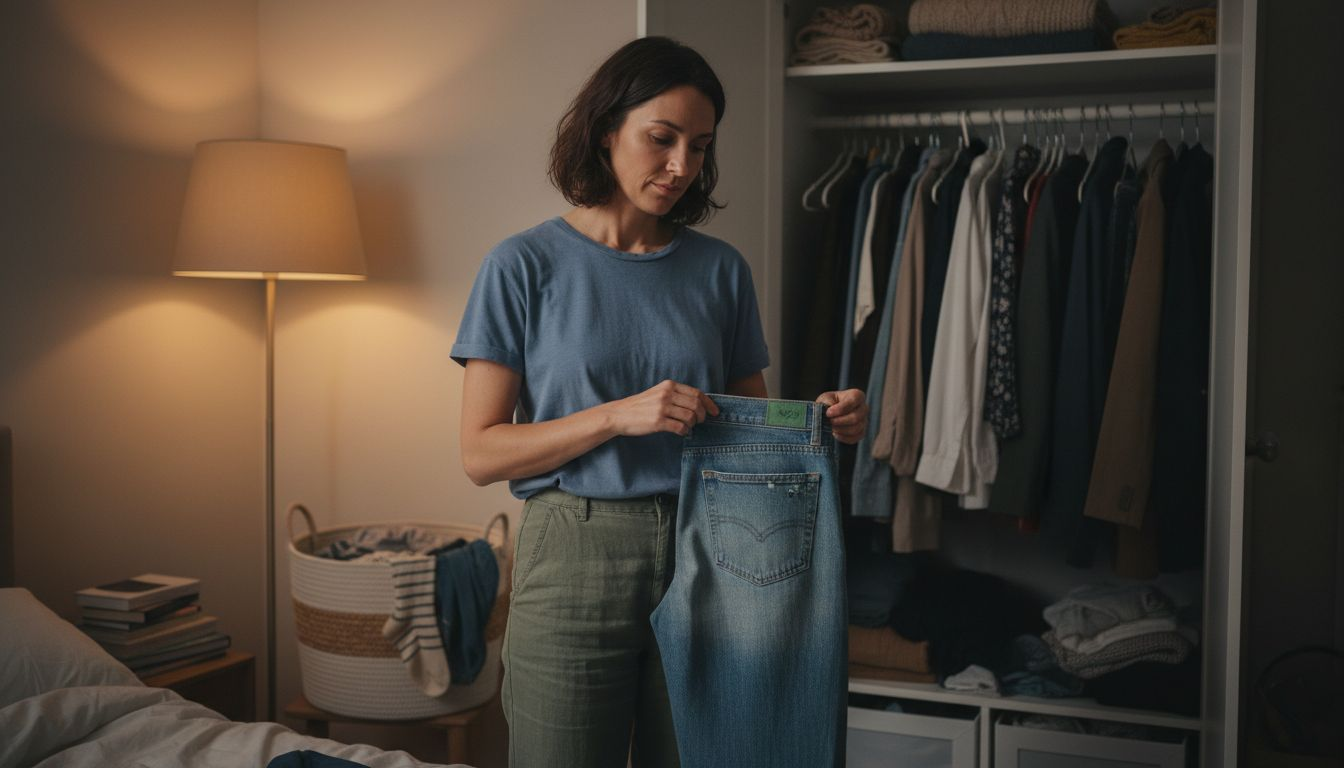
Constantly searching for stylish clothing that meets both performance and sustainability standards can leave even the most mindful shoppers frustrated. For urban professionals across Europe, balancing personal style, durability, and eco-conscious values matters now more than ever. This guide lays out key strategies for building a sustainable wardrobe, revealing how to assess your needs, choose innovative fabrics, and confidently select apparel aligned with your active, modern lifestyle.
Table of Contents
Quick Summary
Key Point | Explanation |
1. Assess Your Wardrobe Needs | Conduct a thorough inventory of your clothing to determine what you truly wear and need. |
2. Research Eco-Friendly Fabrics | Explore innovative textiles that minimize environmental impact, such as recycled materials and biodegradable options. |
3. Investigate Brand Sustainability | Evaluate the authenticity of brands’ sustainability claims by checking certifications and supply chain transparency. |
4. Compare Durability and Certifications | Assess clothing durability through fabric quality and stitching, while considering relevant sustainability certifications. |
5. Verify Authenticity Before Purchase | Cross-reference brand claims with third-party audits and sustainability reports to avoid greenwashing. |
Step 1: Assess Your Wardrobe Needs
Understanding your wardrobe needs is the foundational step in building a sustainable and functional clothing collection. By taking a strategic approach to wardrobe assessment, you can reduce overconsumption and make smarter fashion choices that align with your lifestyle and environmental values.
Start by conducting a comprehensive inventory of your current clothing. Pull everything out of your closet and drawers, then categorize items by type: work attire, casual wear, athletic clothing, and special occasion pieces. As research on wardrobe management suggests, organizing existing wardrobe content helps consumers make more intentional clothing decisions.
During your assessment, evaluate each piece using these key criteria:
Frequency of wear: How often have you worn this item in the past year?
Condition: Is the garment still in good shape or showing significant wear?
Fit: Does the item still fit comfortably and flatter your current body shape?
Style relevance: Does this piece still match your current personal aesthetic?
The goal is not to create a minimalist wardrobe, but a purposeful one that truly serves your lifestyle and personal expression.
Pay special attention to pieces that no longer serve you. Consider donating or recycling items that don’t meet your current needs, ensuring they find new life rather than ending up in a landfill. Sustainable wardrobe research highlights the importance of understanding personal factors that influence clothing choices.
Pro tip: Create a digital inventory using a smartphone app or spreadsheet to track your clothing, making future wardrobe assessments faster and more systematic.
Step 2: Research Eco-Friendly Fabric Technologies
Selecting sustainable apparel requires understanding the latest innovations in fabric technology that minimize environmental impact. This step will help you navigate the complex world of eco-friendly textiles and make informed choices about the clothing you purchase.
Begin by exploring technological innovations in textile production that are revolutionizing sustainable fashion. Modern fabric technologies focus on reducing water consumption, chemical usage, and overall environmental footprint. Look for textiles that demonstrate these key sustainable characteristics:
Recycled materials: Fabrics made from reclaimed plastics or post-consumer textiles
Low-water processing: Technologies that dramatically reduce water usage during production
Natural fiber alternatives: Innovative materials like bamboo, hemp, or agricultural waste fibers
Biodegradable textiles: Fabrics designed to decompose naturally at the end of their lifecycle
Sustainable fabric technology is not just about environmental preservation it’s about creating smarter, more efficient clothing solutions.
When researching fabric technologies, pay attention to specific certifications and standards. Look for independent verifications like Global Organic Textile Standard (GOTS), Bluesign certification, or OEKO-TEX Standard 100, which validate a fabric’s environmental and social responsibility.

Connect with brands that transparently discuss their fabric innovation processes. Many forward-thinking companies now publish detailed information about their textile research, allowing consumers to understand the technological advancements behind their sustainable collections.
Use this table to compare common eco-friendly fabric technologies and their sustainable advantages:
Fabric Technology | Key Environmental Benefit | Typical Product Example |
Recycled Polyester | Reduces landfill plastic | Sportswear, jackets |
Bamboo Viscose | Rapidly renewable resource | T-shirts, socks |
Hemp Fiber | Low water and pesticide demand | Denim, summer apparel |
Agricultural Waste | Upcycles food crop byproducts | Novelty blends, accessories |
Pro tip: Follow sustainability-focused textile technology blogs and research publications to stay updated on the latest eco-friendly fabric innovations emerging in the fashion industry.
Step 3: Evaluate Brand Sustainability Practices
Critical evaluation of a brand’s sustainability practices goes beyond surface-level marketing claims. Your goal is to dig deeper and understand the genuine environmental and social commitments behind the clothing you’re considering purchasing.
Start by examining consumer perceptions of brand sustainability, which reveal key indicators of authentic corporate responsibility. Look for transparent brands that provide comprehensive information about their supply chains, production methods, and environmental impact.
Key areas to investigate include:
Supply chain transparency: Detailed information about manufacturing locations and working conditions
Carbon footprint reporting: Documented efforts to measure and reduce greenhouse gas emissions
Material sourcing: Clear documentation on the origin and sustainability of fabric materials
Labor practices: Evidence of fair wages and ethical treatment of workers
True sustainability is not a marketing strategy it’s a holistic commitment to environmental and social responsibility.
Investigate third-party certifications that validate a brand’s sustainability claims. Prioritize brands with recognized credentials such as Fair Trade, B Corp certification, Global Organic Textile Standard (GOTS), or Bluesign certification. These independent verifications provide concrete evidence of a brand’s commitment to sustainable practices.
Analyze the brand’s sustainability reporting and look for quantifiable goals and transparent progress tracking. Brands serious about sustainability will publish detailed annual reports that outline their environmental initiatives, challenges, and measurable achievements.
Pro tip: Use sustainability tracking websites and apps to cross-reference brand claims and get comprehensive, unbiased assessments of their environmental performance.
Step 4: Compare Product Durability and Certifications
Understanding the durability and certification of sustainable apparel is crucial for making informed purchasing decisions. This step will help you evaluate clothing items beyond their initial appearance and marketing claims.
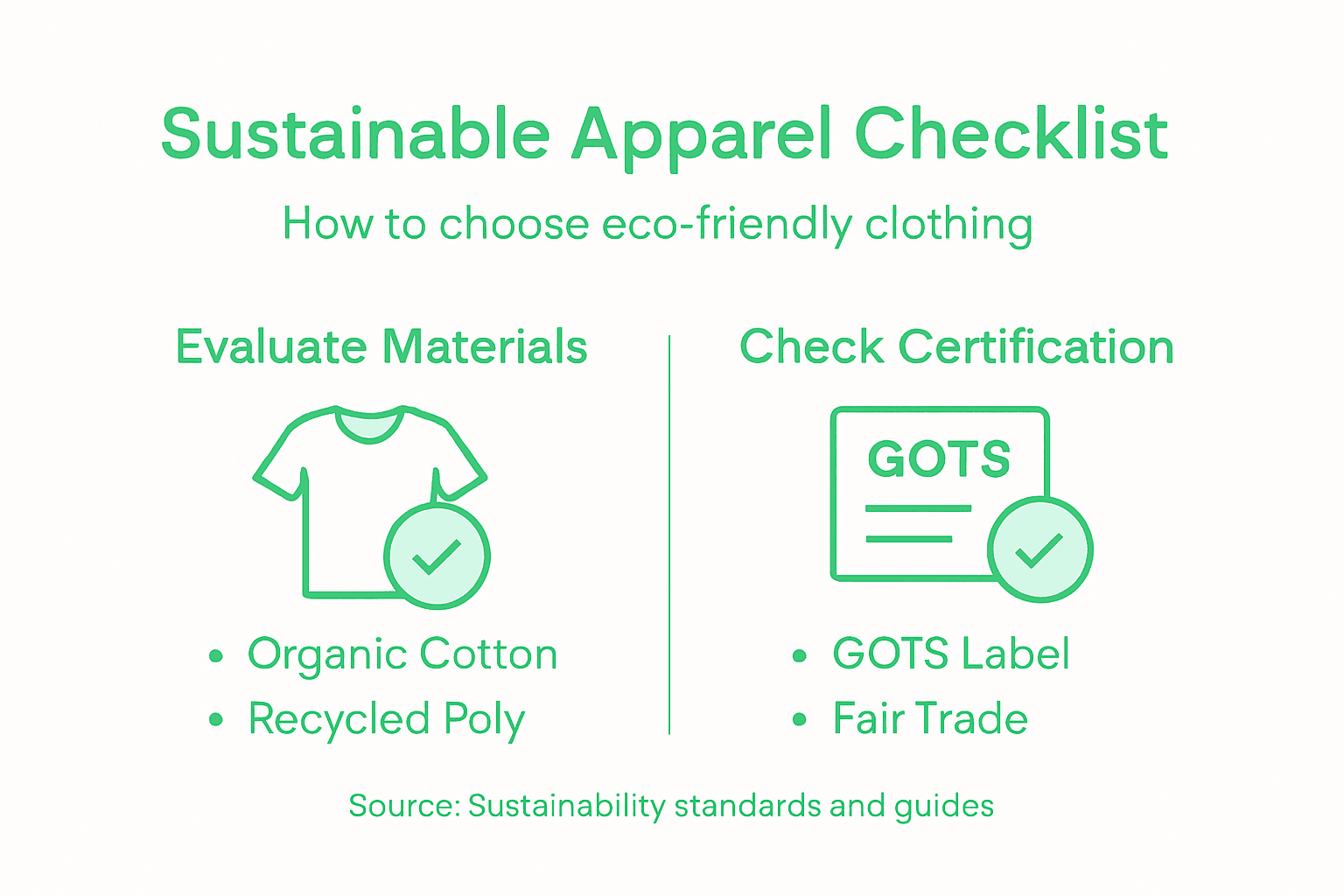
Start by examining product durability in sustainable apparel consumption, which is fundamental to reducing textile waste and making environmentally responsible choices. Durability isn’t just about how long a garment looks good it’s about how well it performs under regular wear and maintenance conditions.
Key durability factors to assess include:
Fabric weight and density: Indicates potential longevity and wear resistance
Stitching quality: Examine seam strength and construction techniques
Material composition: Natural fibers versus synthetic blends and their performance characteristics
Care instructions: Complexity of maintenance requirements
Durability is the silent sustainability metric that determines a garment’s true environmental impact.
Evaluate certification standards carefully by understanding what each label represents. Different certifications focus on various aspects of sustainable production:
Here’s a quick reference to major sustainable textile certifications and their unique focus:
Certification Name | Focus Area | Example Benefit |
GOTS (Global Organic) | Organic fibers, social criteria | Ensures organic input and fair labor |
OEKO-TEX Standard 100 | Chemical safety | Verified to be free from harmful toxins |
Bluesign | Process safety & environment | Minimizes water/chemical use in supply |
Fair Trade | Labor and trade practices | Guarantees fair wages and safe work |
Global Organic Textile Standard (GOTS): Covers organic fiber production and social responsibility
OEKO-TEX Standard 100: Ensures textiles are free from harmful chemicals
Bluesign: Validates environmentally friendly manufacturing processes
Fair Trade: Confirms ethical labor practices and worker compensation
Look beyond surface-level marketing and dig into the detailed certification requirements. The most comprehensive certifications provide transparent documentation about material sourcing, manufacturing processes, and environmental impact.
Pro tip: Create a spreadsheet to track and compare certification details across different brands, helping you make more systematic and informed sustainable clothing choices.
Step 5: Verify Authenticity Before Purchase
Navigating the complex landscape of sustainable fashion requires careful scrutiny to distinguish genuine commitments from marketing rhetoric. Your mission is to develop a critical eye for authenticating sustainability claims before investing in any garment.
Begin by examining consumer behavior regarding sustainable apparel, which reveals the critical importance of verifying authenticity and avoiding greenwashing. Understanding the nuanced markers of genuine sustainability will protect you from misleading claims.
Key verification strategies include:
Cross-reference certifications: Validate claims against official certification databases
Investigate supply chain transparency: Request detailed information about production processes
Review third-party audits: Seek independent assessments of environmental claims
Analyze company sustainability reports: Look for quantifiable, measurable sustainability metrics
Authenticity in sustainable fashion isn’t about perfection it’s about genuine, transparent commitment to improvement.
Scrutinize documentation thoroughly by looking for these authentication indicators:
Detailed environmental impact statements
Clear carbon emission reduction strategies
Transparent worker compensation and labor practices
Specific sustainability investment percentages
Check digital traceability by exploring brand websites, sustainability reports, and independent rating platforms. Brands truly committed to sustainability will provide comprehensive, easily accessible information about their environmental practices.
Pro tip: Use specialized sustainability apps and websites that aggregate and verify brand environmental credentials to cross-reference and validate authenticity claims.
Build a Modern Sustainable Wardrobe with High-Tech Apparel
Selecting sustainable apparel is a challenge that goes beyond just picking eco-friendly fabrics. You want clothing that lasts longer, fits your lifestyle, and truly aligns with your values on durability and low environmental impact. This means critically assessing product durability, fabric innovation, and authentic brand practices—as this article highlights—to avoid fast fashion pitfalls and greenwashing.
Experience innovative solutions like LABFRESH that combine advanced fabric technologies with sustainable design. Their FreshCore™ and Seawool fabrics deliver odor-resistance and stain-resistance for easy care. This ensures your garments stay fresh longer, reducing the need for frequent washing and extending your wardrobe’s lifecycle. Whether you are updating your casual essentials or looking for performance shirts, explore collections such as The Smartest T-shirts | LABFRESH and The Perfect Performance Shirts | LABFRESH.
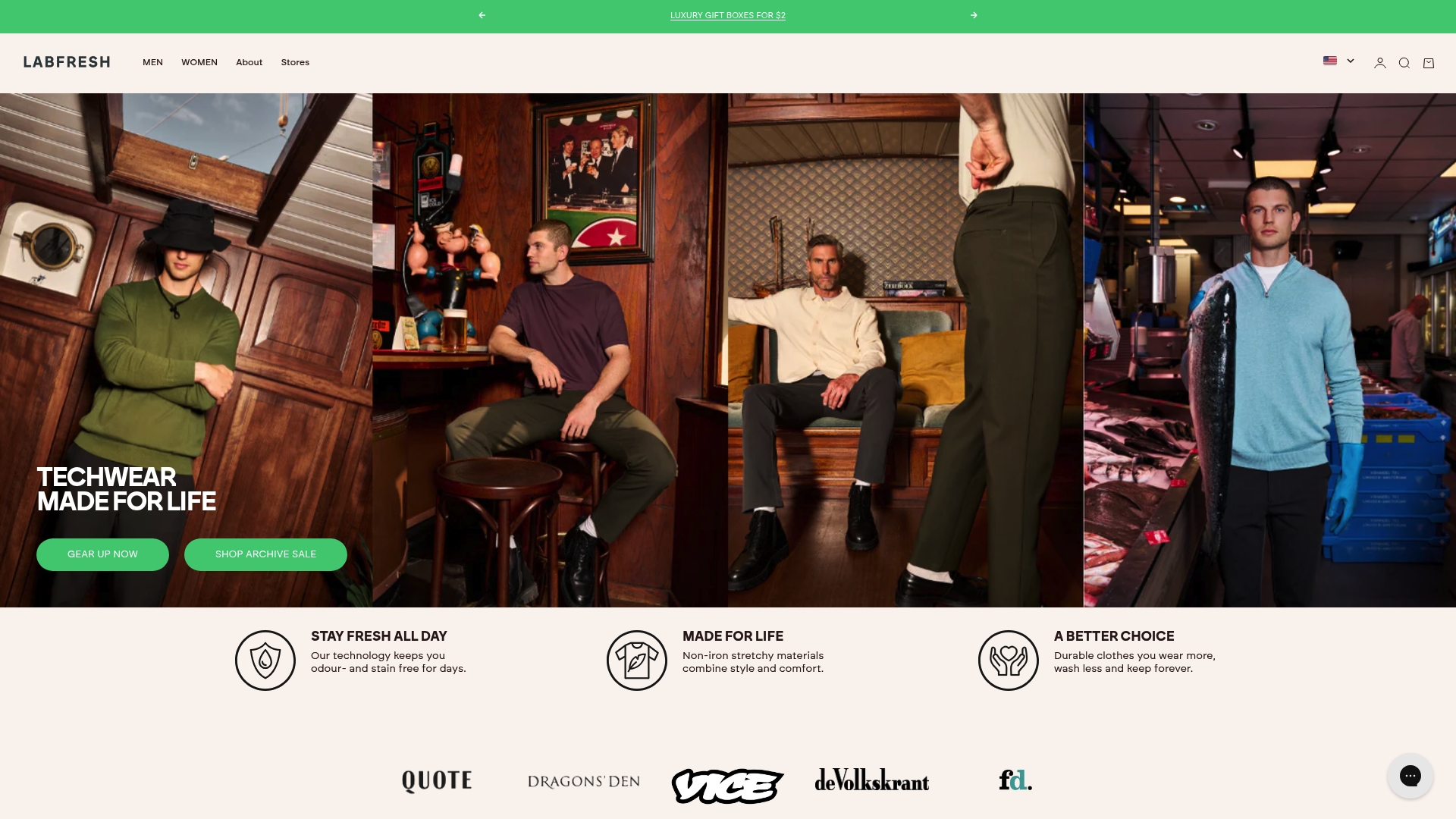
Take control of your clothing choices now by choosing pieces that combine sustainability with cutting-edge technology. Visit https://labfresh.eu to browse apparel designed for modern, active lifestyles where convenience meets responsibility. Start building a wardrobe that reflects your commitment to quality, longevity, and genuine environmental care.
Frequently Asked Questions
How can I assess my current wardrobe for sustainability?
Start by taking a detailed inventory of your existing clothing. Categorize each item by type, evaluate its frequency of wear, condition, fit, and style relevance, and consider donating or recycling pieces that no longer serve you.
What factors should I consider when researching eco-friendly fabric technologies?
Look for fabrics that use recycled materials, low-water processing, or natural fiber alternatives. Evaluate the certifications associated with the fabrics to ensure they’re environmentally responsible and prioritize brands that openly discuss their fabric innovation processes.
How can I evaluate a brand’s sustainability practices before purchasing?
Examine the brand’s supply chain transparency, carbon footprint reporting, and labor practices. Prioritize brands that provide detailed sustainability reports and independent certifications to ensure their claims are genuine.
What are the key points to assess product durability in sustainable apparel?
Assess factors such as fabric weight and density, stitching quality, material composition, and care instructions. Focus on these elements to identify garments that will last longer and reduce overall textile waste.
How can I verify the authenticity of a sustainable apparel brand?
Cross-reference the brand’s sustainability certifications and investigate their supply chain practices. Analyze their sustainability reports for measurable metrics on environmental initiatives to ensure they are committed to genuine sustainability efforts.
Recommended
Comments