How to Choose Performance Apparel for Active Urban Lifestyles
- Leroy Hughes

- Feb 24
- 8 min read
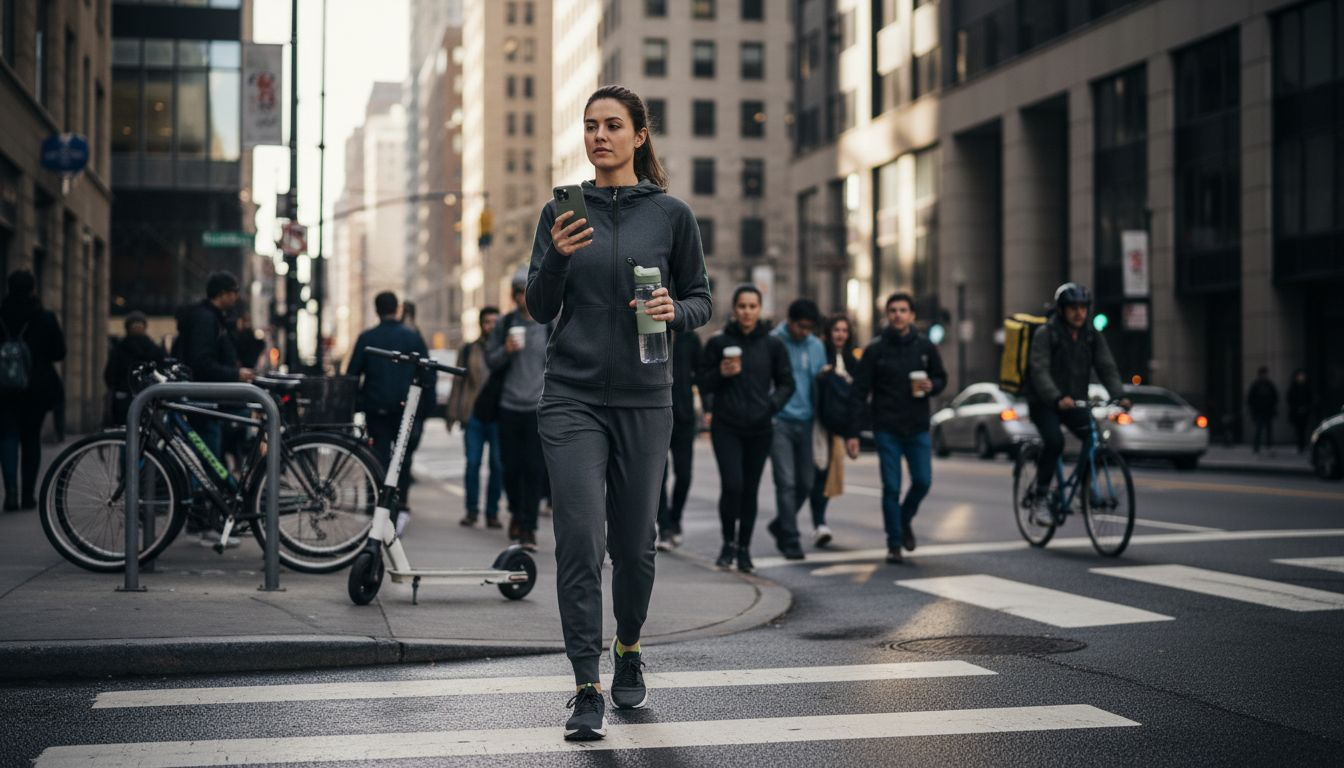
Juggling demanding workdays with early gym sessions and city commutes demands more from your wardrobe than basic looks or empty claims. The wrong apparel can leave you uncomfortable, at odds with the weather, or feeling unprepared when your schedule shifts. Knowing your own activity level and choosing performance-driven, sustainable apparel makes it possible to look sharp, stay fresh, and move easily through all your daily transitions. This guide shows you how to match clothing features to your real-life needs and values.
Table of Contents
Quick Summary
Key Message | Explanation |
1. Assess your lifestyle needs | Identify your daily activities and environmental conditions to choose appropriate apparel for comfort and performance. |
2. Understand fabric technologies | Research fabric properties like moisture management and thermoregulation to ensure your clothing supports your specific lifestyle demands. |
3. Evaluate fit and style | Assess how well clothing fits your body and matches your style to promote regular use and sustainability. |
4. Verify quality before purchase | Look for third-party certifications and performance testing to ensure the apparel meets quality standards before investing. |
5. Keep a detailed activity log | Track your activities and clothing needs throughout a week to better understand your unique apparel requirements. |
Step 1: Assess your activity and lifestyle requirements
Your apparel needs depend on what you actually do throughout your day. Whether you’re commuting to the office, hitting the gym at 6 a.m., or transitioning between meetings and evening activities, the demands on your clothing vary dramatically. Take time to map out your typical week and identify patterns.
Start by listing your primary activities and the conditions you face:
Workout intensity and duration: Do you do 30-minute runs or two-hour hikes? High-intensity spinning or casual yoga?
Environmental conditions: Temperature swings, humidity levels, indoor air-conditioning, or outdoor weather exposure.
Work demands: Long sitting in an office, moving between spaces, or field-based roles with physical demands.
Lifestyle transitions: Do you bike to work and sit at a desk, then head to evening social plans without changing clothes?
Understanding physiological and ergonomic needs tied to specific activities ensures your apparel choice supports actual performance, not theoretical performance. Someone doing a quick 20-minute commute workout needs different fabric properties than someone training for a marathon.
Consider both the physical and mental aspects of comfort. You need clothing that manages moisture and temperature, but you also need pieces that make you feel confident and look intentional. That psychological component matters, especially when you’re balancing performance demands with professional appearance.
Document the specifics: How long do you wear your clothes before washing? Are you moving between temperature-controlled spaces? Do you need to go from sweaty activity directly into a business meeting? These details shape everything.
Your activity profile is unique. A tech professional cycling to the office faces different apparel challenges than someone traveling by metro but still needing performance features throughout their workday.
Pro tip: Track one typical week in detail—log your activities, temperature shifts, and moisture conditions you encounter—to identify patterns you might otherwise miss.
Step 2: Research fabric technologies and functionalities
Fabric technology is what separates clothing that simply covers you from apparel that actively supports your lifestyle. Different fabrics manage moisture, temperature, and durability in fundamentally different ways. Understanding these technologies helps you match materials to your specific needs.
Start by learning about the core performance properties relevant to your activities:
Moisture management: How fabric pulls sweat away from your skin and dries quickly. Essential for workouts and active commutes.
Thermoregulation: Fabrics that adjust to temperature changes, keeping you warm when cool and cool when warm.
Durability and care: How often you can wash without degradation, and whether the fabric resists stains or odors over time.
Breathability: The fabric’s ability to allow air circulation, preventing that clammy, trapped feeling.
Smart fabrics and nanotextiles represent the frontier of performance apparel, offering enhanced monitoring and adaptation capabilities. However, you don’t need cutting-edge technology for every piece. A commuter bike ride might benefit from moisture-wicking synthetics, while an office environment might call for natural fibers that breathe naturally.
Research how materials are manufactured too. Engineered polymers and advanced fiber finishing processes determine how well a fabric performs under real conditions. Some treatments improve moisture control, others enhance stretch recovery or odor resistance.
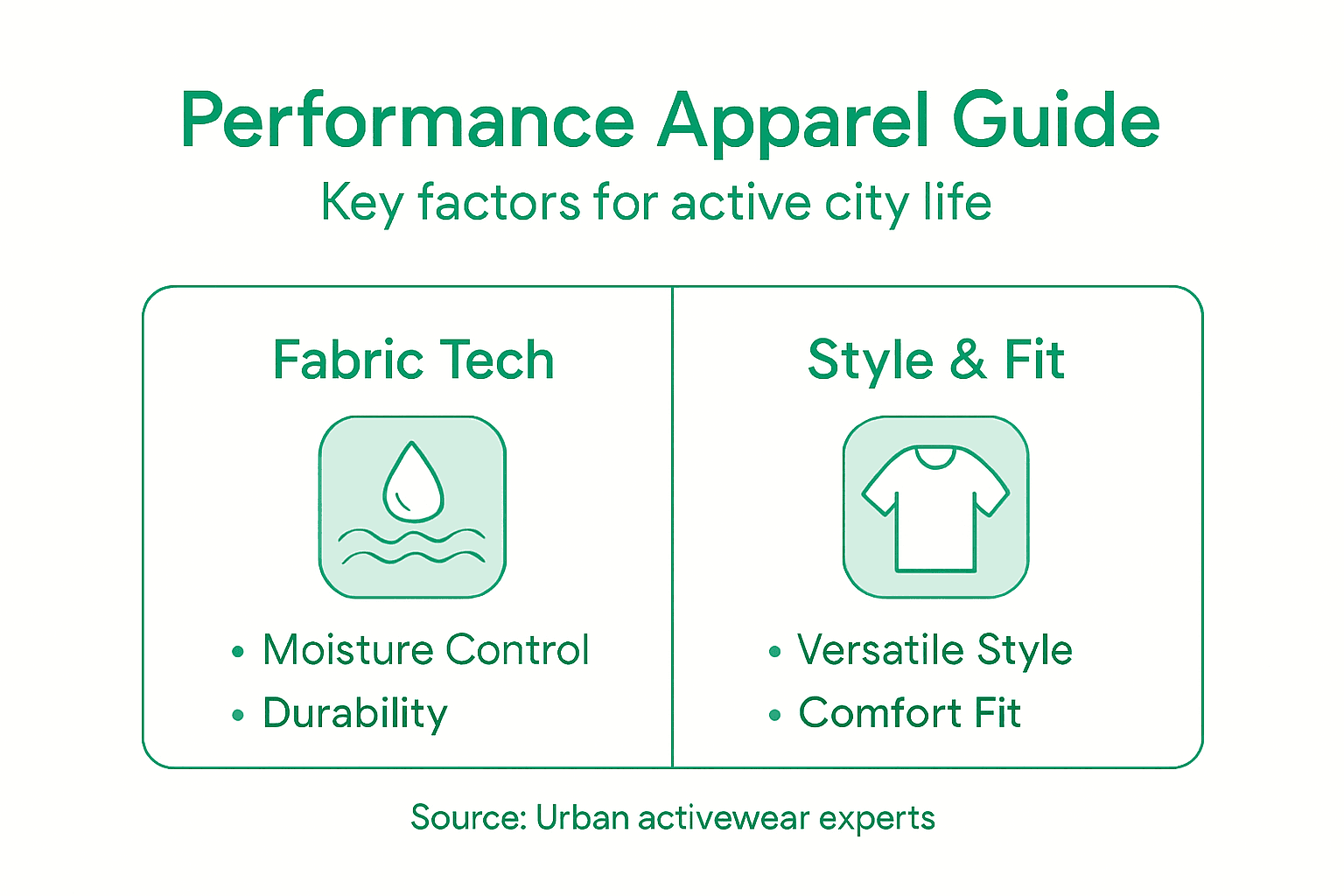
Compare specific technologies you’ll actually use. Look for fabric blends that combine benefits—cotton’s comfort with synthetic moisture management, for example. Read product descriptions carefully and note what each fabric excels at.
For quick reference, here is how different fabric technologies typically support active urban lifestyles:
Fabric Type | Key Benefit | Ideal Use Case | Business Impact |
Synthetic blends | Rapid moisture wicking | Intense workouts, active commutes | Boosts comfort and productivity |
Natural fibers | Breathable and soft | Office environments, all-day wear | Supports professionalism, reduces fatigue |
Smart textiles | Adaptive temperature control | Dynamic workspaces, varied environments | Enhances efficiency, accommodates transitions |
Engineered polymers | Enhanced durability | Frequent wash, stain-prone roles | Lowers replacement costs, improves longevity |
The best fabric technology matches your lifestyle demands. A fabric perfect for marathon training may feel uncomfortable during an eight-hour workday, and vice versa.
Pro tip: Request fabric samples or check customer reviews mentioning how garments perform after multiple washes, not just fresh from the package.
Step 3: Compare style, fit, and sustainability features
Now that you understand your needs and fabric technologies, it’s time to evaluate specific pieces. The best apparel for active urban lifestyles balances three critical dimensions: how it looks, how it fits your body, and the environmental impact of its production.
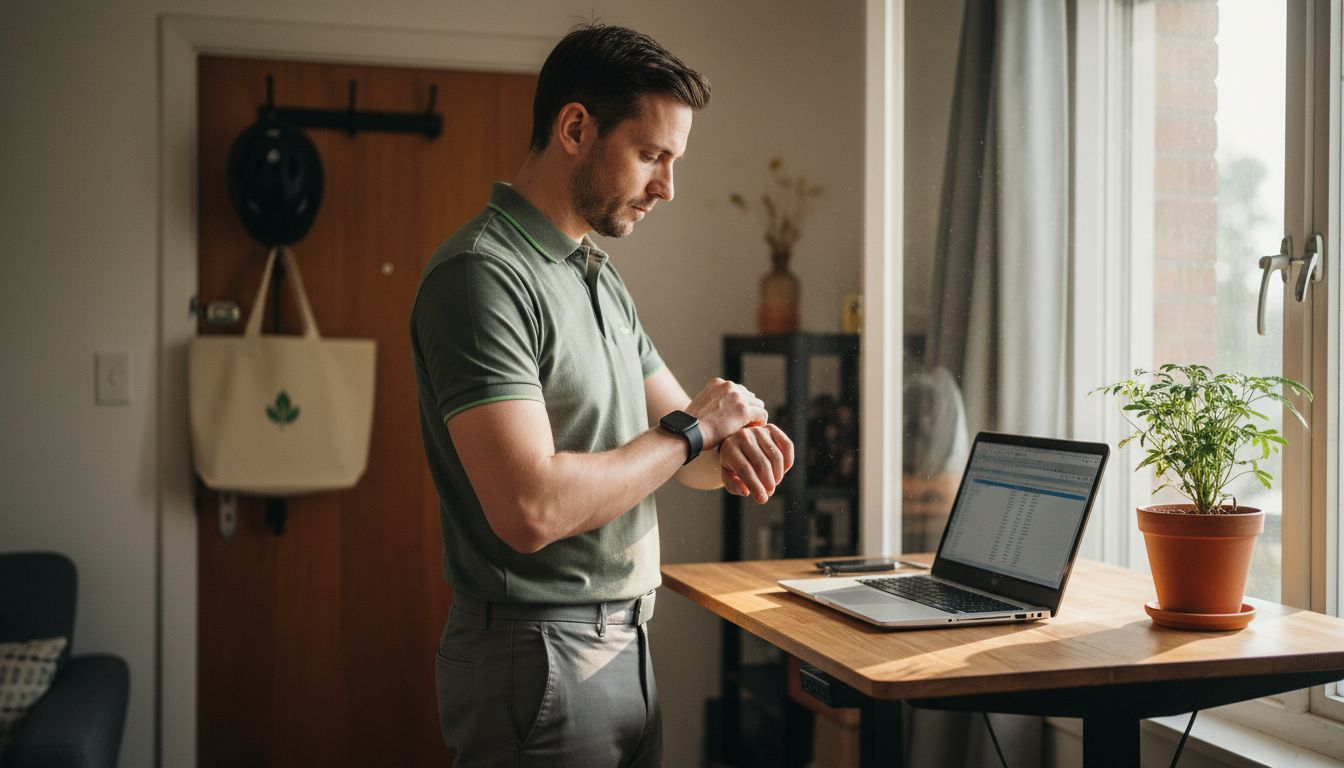
Start by assessing fit across your different use cases. A shirt that feels perfect during a workout might feel restrictive in an office chair, or vice versa. Try pieces on if possible, or carefully review sizing guides and customer photos showing real bodies wearing the clothes.
Consider these fit factors:
Range of motion: Can you move freely for your primary activities without restriction or excess fabric?
Layering compatibility: Does the fit work under a blazer or over a base layer when needed?
Length and proportions: Do sleeve and torso lengths match your frame, especially if you’re taller or shorter than average?
Waistband comfort: For all-day wear, fit in the waist matters more than most people realize.
Style matters because clothing you love gets worn repeatedly, reducing waste. Apparel with timeless style and good fit supports sustainable lifestyle choices by encouraging longevity over fast fashion cycles. Choose pieces that work with multiple outfits in your existing wardrobe, not items requiring a complete wardrobe refresh.
Evaluate sustainability honestly. Multi-criteria sustainability models show that true sustainability includes environmental footprint, labor practices, and product durability. Check where items are manufactured, whether the brand transparently shares environmental data, and how long the pieces realistically last before degrading.
Don’t sacrifice all three dimensions for one. A perfectly sustainable shirt that doesn’t fit or won’t coordinate with anything defeats the purpose.
Here’s how style, fit, and sustainability interact when selecting performance apparel:
Dimension | Key Consideration | Long-Term Value | Selection Tip |
Style | Versatility and timeless appeal | Maximizes wardrobe utility | Choose neutral, multipurpose designs |
Fit | Freedom of movement, proper proportions | Reduces discomfort, promotes frequent use | Use real-person sizing references |
Sustainability | Low environmental impact, ethical sourcing | Extends garment lifespan, less waste | Prioritize brands with transparent practices |
The most sustainable garment is the one you actually wear repeatedly. Style and fit directly impact whether that happens.
Pro tip: Create a simple comparison spreadsheet listing fit, style versatility, and sustainability factors for your top contenders before making final purchasing decisions.
Step 4: Verify quality and tech performance before purchase
Don’t let marketing claims be your only guide. Performance apparel must actually perform under real conditions, not just in advertisements. Before you commit to a purchase, verify that the quality and technology behind the garment are legitimate.
Look for evidence of rigorous testing. Standardized performance testing methods assess moisture management, durability, and thermal regulation to ensure garments meet their claimed capabilities. Brands that invest in this testing transparency want you to know about it.
Check for these verification signals:
Third-party certifications: Look for independent testing lab marks or industry certifications that aren’t just the brand’s own claims.
Specific performance metrics: Numbers matter more than vague language. “Moisture-wicking” is less convincing than “dries 40 percent faster than standard cotton.”
Material transparency: Detailed fabric composition and fiber sourcing show a brand takes quality seriously.
Warranty or performance guarantees: If the company stands behind its products with guarantees, that’s a positive sign.
Read customer reviews with a critical eye. Focus on feedback about durability over time and performance after multiple washes, not just first impressions. Someone wearing a shirt for two months is far less credible than someone using it for a full year.
Advanced performance textiles undergo rigorous testing for water resistance, breathability, and durability to prevent misleading marketing and ensure customer satisfaction. Reputable brands share their testing protocols or at least mention the standards they follow.
If a brand won’t explain how its technology works or provide evidence beyond glossy photos, that’s a red flag worth noting.
Real performance apparel has substance behind the marketing. If you can’t find verification of the claims, question whether the piece deserves your investment.
Pro tip: Before purchasing, spend ten minutes finding independent reviews mentioning how the garment performed after three to six months of regular use, not just the first wear.
Elevate Your Active Urban Wardrobe with Labfresh’s Advanced Apparel
Choosing the right performance apparel involves understanding your unique activity demands, fabric technology, and sustainability priorities. This article highlights common challenges like moisture management, temperature regulation, durability, and styling versatility — all essential for anyone balancing active commutes, dynamic workdays, and social engagements. You deserve clothing that not only supports your movement but also stays fresh, resists stains, and lasts through countless wears without losing style or comfort.
Experience how Labfresh’s innovative fabrics like FreshCore™ and Seawool directly address these pain points by combining high-tech functionality with modern design. Our odor-resistant and low-maintenance apparel offers seamless transitions from gym sessions to meetings while supporting sustainability and durability. Discover practical solutions that match your lifestyle’s demands with Labfresh’s full collection.
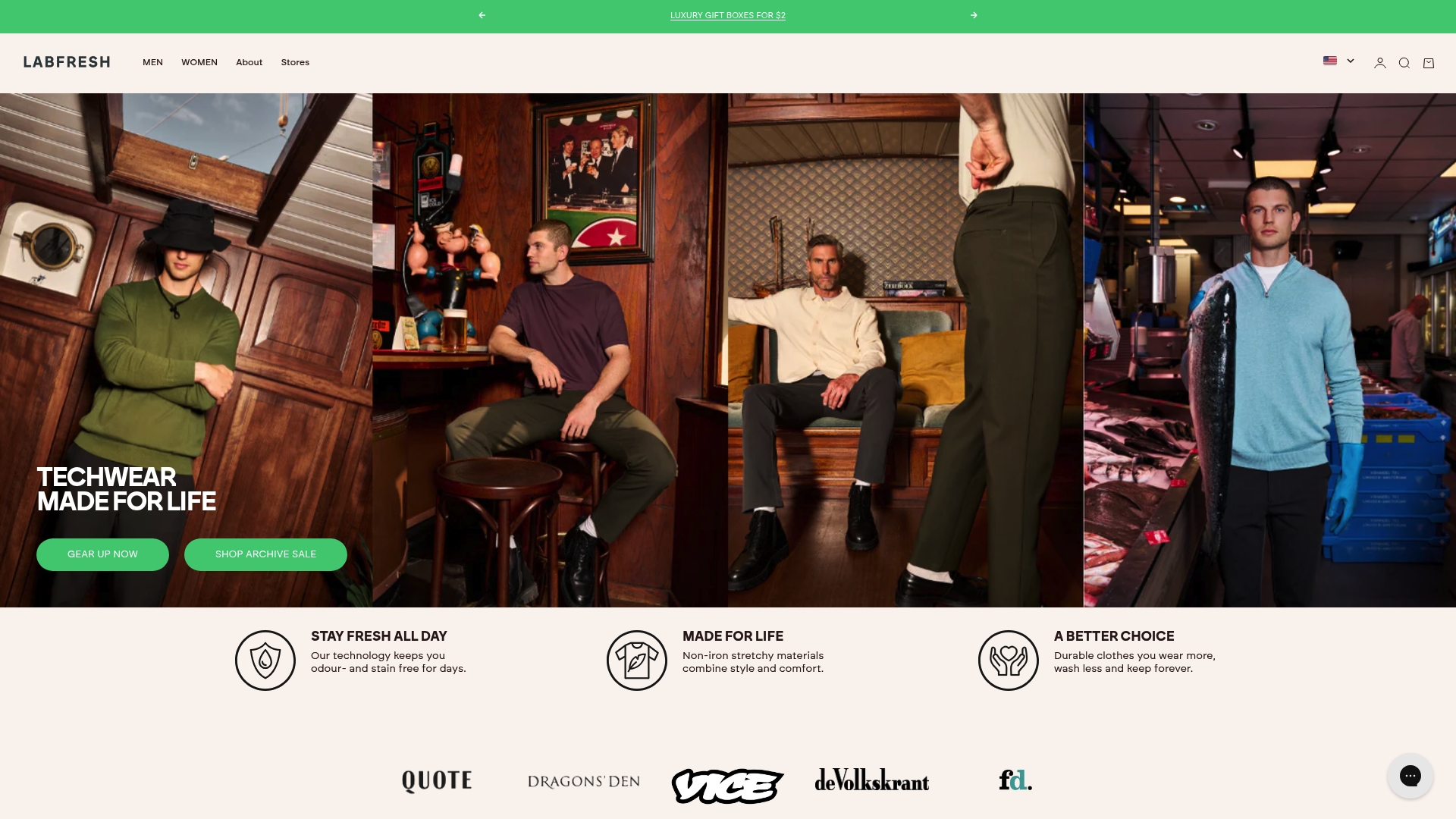
Ready to transform your wardrobe with apparel engineered for real urban lifestyle challenges? Visit Labfresh.eu now to explore how our tech-driven clothing makes active days easier and smarter. Join thousands who trust us to deliver convenience, longevity, and style in every piece. Check out the men’s and women’s collections and find your perfect fit today.
Frequently Asked Questions
How do I assess my performance apparel needs based on my lifestyle?
To assess your performance apparel needs, identify your daily activities, environmental conditions, and the level of physical exertion involved. Document your weekly schedule to recognize patterns and determine what clothing features will best support your active lifestyle.
What fabric technologies should I consider when choosing performance apparel?
When selecting performance apparel, look for fabrics that manage moisture, regulate temperature, and provide durability. Focus on moisture-wicking synthetics for workouts, breathable natural fibers for office wear, and versatile blends that accommodate various environments.
How can I ensure the fit of performance apparel is right for me?
To ensure a good fit, evaluate how freely you can move and whether the garment works with other items in your wardrobe. Try on clothing or carefully review sizing charts, and consider feedback from customers about how the fit varies across different body types.
What role does sustainability play in choosing performance apparel?
Sustainability is important when choosing performance apparel, as it impacts the environmental footprint and ethical sourcing of garments. Prioritize brands that demonstrate transparency in their production processes and opt for durable materials that will last, reducing overall waste.
How can I verify the quality and performance claims of performance apparel before purchasing?
To verify quality, look for third-party testing certifications and specific performance metrics listed on the product. Read customer reviews focusing on long-term durability and performance after multiple uses to ensure the garment performs as advertised.
Recommended
Comments