How Technology Transforms Apparel: Performance and Style

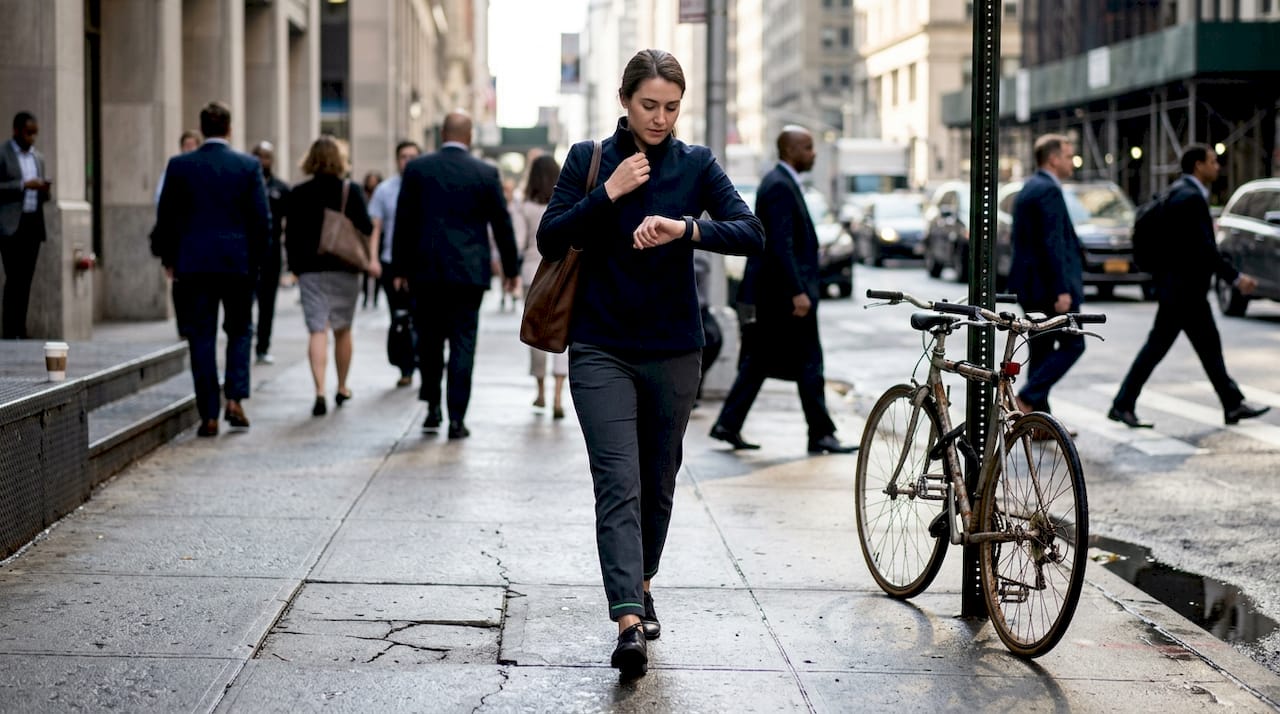
Most people think apparel technology means quick-drying gym shirts or stretchy yoga pants. That’s barely scratching the surface. Today’s best clothing combines smart engineering with performance features and environmental responsibility, creating garments that adapt to your body, track your health, and last years longer than traditional options. This guide breaks down how AI and automation optimize design, production, and supply chains while smart textiles revolutionize what you wear for work, travel, and outdoor adventures.
Table of Contents
Key Takeaways
Point | Details |
Smarter fabrics | Modern textiles with built-in sensors adapt to your needs for better performance and comfort. |
Sustainable innovation | Recycled and plant-based materials significantly lower apparel’s environmental impact while keeping quality high. |
Everyday performance | Tech-driven clothing now brings durability, style, and adaptive features to both city commutes and outdoor adventures. |
Barriers to adoption | Costs, skills, and privacy mean not all brands can offer the latest innovations just yet. |
From yarn to smart wear: The technology landscape in apparel
To clarify why technology matters in apparel, let’s look at the innovations transforming what you wear. The shift goes far beyond basic fabric improvements. We’re seeing fundamental changes in how clothing is designed, manufactured, and experienced.
AI and automation optimize design, production, quality control, and supply chains, reducing waste while improving consistency. This means fewer defects, better fits, and garments that perform exactly as promised. Machine learning algorithms now predict which styles will resonate with specific audiences, cutting down on overproduction and unsold inventory.
Smart textiles with embedded sensors enable performance tracking and vital signs monitoring for sports, fitness, and outdoor activities. These fabrics don’t just wick moisture. They actively respond to your body’s needs, adjusting breathability and temperature regulation in real time.
The personalization revolution extends beyond performance metrics. AI-driven style recommendations and virtual try-ons now blend fashion with function, helping you find pieces that match your aesthetic while delivering technical benefits. You can visualize how a jacket fits before ordering, reducing returns and ensuring satisfaction.
Here’s what matters most for active, style-conscious users:
Adaptive comfort: Fabrics that respond to temperature changes and activity levels
Health integration: Clothing that monitors heart rate, movement patterns, and recovery
Durability engineering: Materials designed to withstand years of regular use
Sustainable production: Reduced waste through precise manufacturing and recycled inputs
Pro Tip: Look for garments with moisture-wicking properties combined with odor-resistant treatments. This combination keeps you fresh during long days without constant washing, extending fabric life significantly.
Wearables and integrated tech for outdoor performance have moved beyond clunky add-ons. Modern technical undershirts incorporate these features seamlessly, maintaining style while delivering measurable benefits. The same goes for anti-odor socks that use advanced fiber treatments to stay fresh through multiple wears.
The numbers tell a compelling story. Smart textile adoption is accelerating as costs drop and performance improves. What once required specialized gear now appears in everyday clothing, making high-tech benefits accessible to anyone seeking better performance from their wardrobe.
Performance meets daily life: Smart apparel for active lifestyles
Now that we know what’s possible, let’s examine how tech-driven apparel enhances comfort and performance in real-world settings. Performance features once reserved for elite athletes now integrate into everyday clothing, transforming how you experience comfort during commutes, travel, and outdoor activities.
Smart apparel adapts to weather, movement, and your body’s needs without requiring manual adjustments. Advanced textiles like Janus achieve ΔTmax 16.1°C cooling, UPF>1500, EMI shielding 56dB, and high breathability at 14,897 g/m²/24h. These aren’t incremental improvements. They represent quantum leaps in fabric capability.
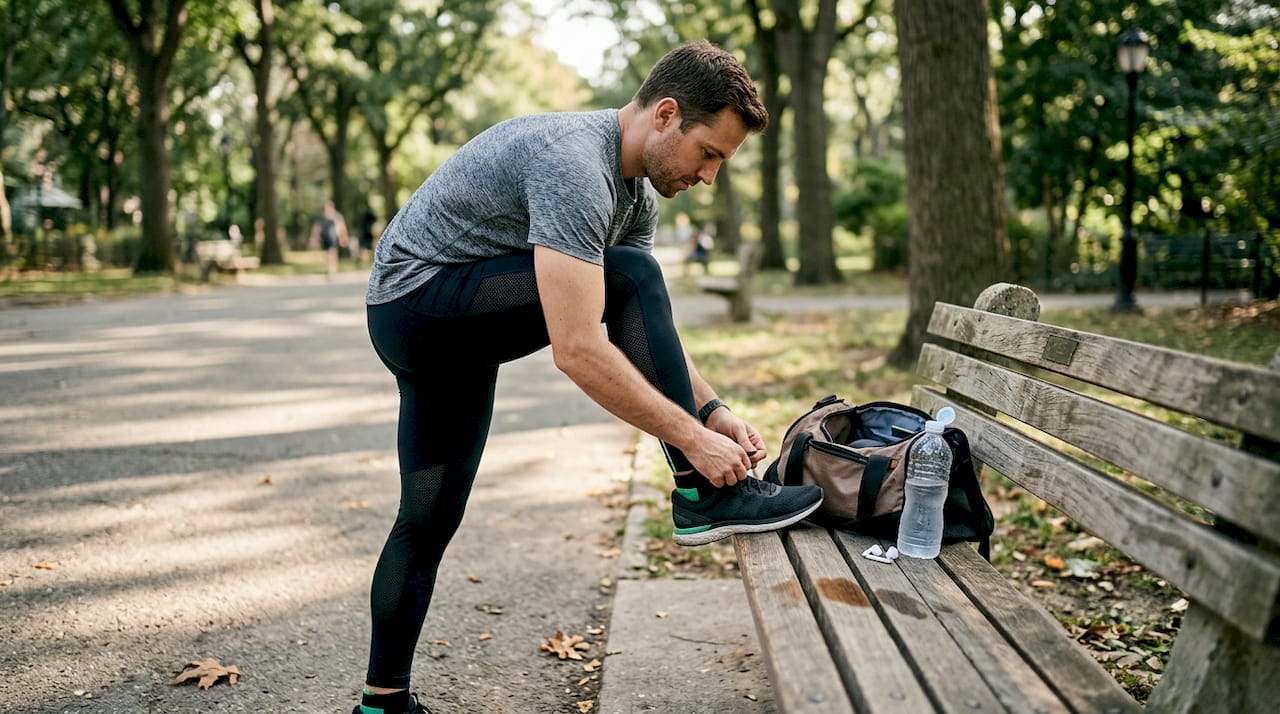
Consider phase-change materials that store and release thermal energy. Bi-DTF phase-change fabric delivers energy storage of 4.1 kJ/m², remaining stable after 50 washes with high WVTR at 15-35°C. This means your jacket actively regulates temperature instead of simply insulating, keeping you comfortable across varying conditions without layering adjustments.
Feature | Traditional Fabrics | High-Tech Fabrics |
Temperature regulation | Passive insulation | Active cooling/heating (16°C range) |
UV protection | UPF 15-50 | UPF >1500 |
Breathability | 5,000-10,000 g/m²/24h | 14,897 g/m²/24h |
Durability after washing | Degrades 20-30% | Stable performance 50+ washes |
Moisture management | Basic wicking | Phase-change energy storage |
Why do these features matter for urban commutes, travel, hiking, and sports? Because your clothing should work as hard as you do. A morning bike ride to the office, an afternoon client meeting, and an evening trail run demand versatility that traditional garments can’t provide.
Moisture-managing undershirts keep you dry during intense activity, then transition seamlessly to professional settings. The same technology that prevents sweat stains during your commute maintains comfort during presentations. Sweat-proof undershirts use advanced fiber structures to pull moisture away from skin while blocking visible wetness.
The practical benefits extend to weather resistance. Modern fabrics achieve 20k/20k waterproof and breathable ratings while remaining lightweight and packable. You’re not choosing between protection and comfort anymore. Both come standard in well-engineered apparel.
For outdoor enthusiasts, this means carrying less gear while maintaining readiness for changing conditions. A single jacket with adaptive insulation replaces multiple layers, reducing pack weight and simplifying decisions. The technology handles the complexity, letting you focus on the experience.
A greener wardrobe: How technology drives apparel sustainability
For those who care about the environment as much as performance, here’s how technology is reshaping sustainability in apparel. The intersection of innovation and responsibility is creating garments that perform better while reducing environmental impact.
Closed-loop and textile-to-textile recycling innovations are changing how we think about end-of-life for clothing. PrimaLoft ReRun recycles textile waste into insulation with 100% recycled content, including 30% mechanically recycled materials. This isn’t downcycling into lower-quality products. It’s true circularity that maintains performance standards.
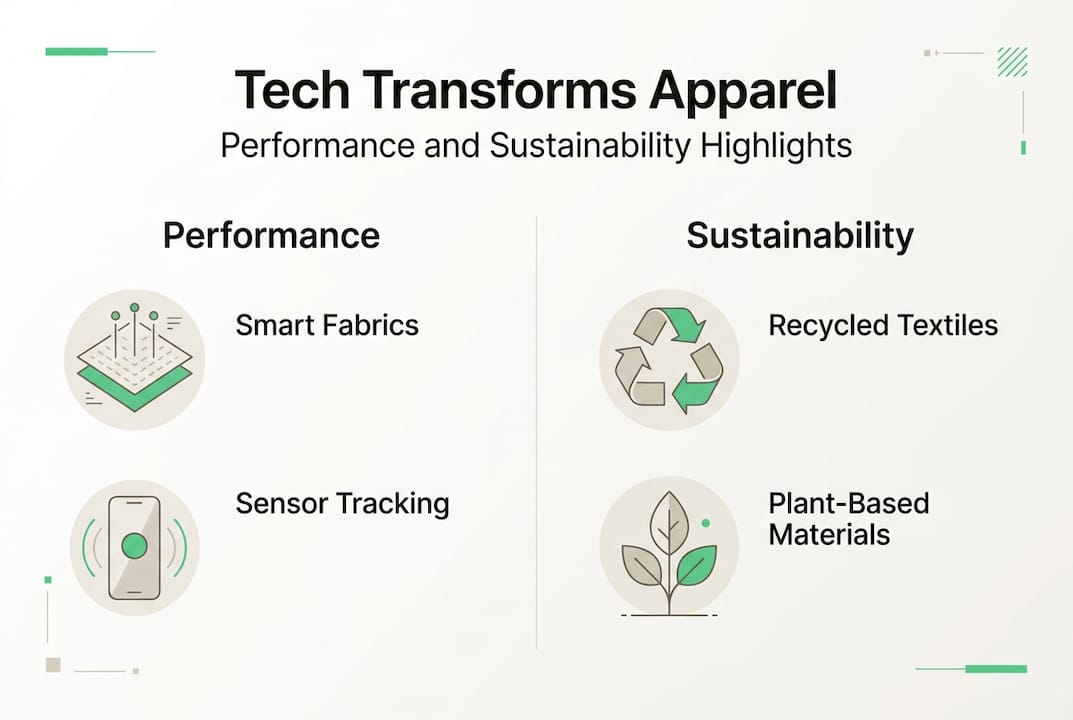
Plant-based and mono-material constructions lower carbon impact without sacrificing durability. Polartec Power Shield Pro uses plant-based Biolon nylon at 45-48% of content, achieving a 50% lower carbon footprint than virgin Nylon 6,6 while delivering 20k/20k waterproof and breathable performance. The material proves that sustainability and technical excellence aren’t competing priorities.
The carbon savings become even more dramatic with regenerative materials. Ponda BioPuff insulation produces 3.4kg CO2 eq/kg, which is 88% lower than goose down and 19% lower than polyester, using regenerative plant fibers. These numbers represent real reductions in your wardrobe’s environmental footprint.
Insulation Type | Carbon Footprint (kg CO2 eq/kg) | Recycled Content | Performance Retention |
Traditional Down | 30.8 | 0% | Degrades when wet |
Standard Polyester | 4.2 | 0-30% | Moderate |
PrimaLoft ReRun | 2.1 | 100% | Excellent |
Ponda BioPuff | 3.4 | N/A (plant-based) | Excellent |
Biolon Nylon | 5.5 | 0% (but plant-based) | Superior |
Pro Tip: Choose garments with mono-material construction when possible. Single-fiber items are far easier to recycle at end-of-life, supporting true circularity instead of ending up in landfills.
Expert perspectives reinforce the importance of these advances. As one sustainability researcher notes:
“The shift from virgin petroleum-based synthetics to recycled and plant-based alternatives represents the most significant opportunity to reduce fashion’s carbon footprint. When combined with durability engineering, these materials can cut lifecycle emissions by 70-90%.”
For style-focused, environmentally conscious readers, this means you can build a wardrobe that aligns with your values without compromising on performance or aesthetics. The technology enables both, creating garments that look sharp, perform exceptionally, and minimize environmental harm.
Choosing sustainable features for long-lasting wardrobe staples starts with understanding material composition. Look for high percentages of recycled or plant-based content, but verify that performance metrics match your needs. A sustainable jacket that fails after one season isn’t truly sustainable. Durability matters as much as material sourcing.
Challenges and future trends in apparel technology
While technology unlocks new potential, it’s essential to recognize the real-world challenges that shape adoption and access. The path from innovation to widespread availability isn’t straightforward, and understanding these barriers helps set realistic expectations.
Industry 4.0 challenges include high costs, skilled labor shortages, cybersecurity concerns, potential job losses, and data privacy issues. These aren’t minor hurdles. They fundamentally affect which innovations reach consumers and at what price points.
Here are the major barriers facing brands and buyers:
Initial investment costs: Advanced manufacturing equipment and smart textile integration require significant capital, pricing out smaller brands and limiting competition.
Skills gap: Operating and maintaining high-tech production systems demands specialized knowledge that’s currently scarce in the industry.
Data security: Smart textiles that collect biometric information raise legitimate privacy concerns about how that data is stored, used, and protected.
Balancing automation with employment: Increased efficiency through technology can displace workers, creating social and economic tensions that slow adoption.
Standardization challenges: Lack of universal protocols for smart textile communication and data formats limits interoperability between brands and devices.
The cost barrier particularly affects consumers seeking high-performance, sustainable options. Cutting-edge fabrics and production methods increase retail prices, making advanced apparel less accessible despite its long-term value. A jacket using Janus or Bi-DTF technology might cost 40-60% more than conventional alternatives, even though it lasts longer and performs better.
Expert perspectives on adoption rates reveal cautious optimism. Industry analysts expect smart textile integration to accelerate as production scales and costs decrease. However, the timeline extends further than early predictions suggested. Mass-market availability of truly intelligent clothing remains 3-5 years away for most categories.
One technology strategist observes:
“We’re seeing a bifurcation in the market. Premium brands are rapidly adopting advanced materials and smart features, while mid-market players struggle with the investment required. This creates a temporary gap where high-tech apparel remains aspirational for many consumers who would benefit most from its durability and performance.”
Why do these issues matter for style and performance-driven consumers? Because they directly impact what’s available, at what price, and with what features. Understanding the landscape helps you make informed decisions about when to invest in cutting-edge pieces versus waiting for broader availability.
The technology impact on apparel industry dynamics also affects brand strategies. Companies must balance innovation with accessibility, pushing boundaries while maintaining price points that support growth. This tension shapes product development and determines which technologies reach market first.
Future trends point toward increased personalization, better sustainability integration, and more seamless smart features. Expect fabrics that adjust not just to temperature but to specific activities, clothing that provides real-time coaching on movement efficiency, and materials that biodegrade completely at end-of-life while maintaining performance during use.
The next wave of innovation will likely focus on making advanced features invisible. Instead of obvious tech integration, you’ll see garments that simply work better without calling attention to how. This aligns perfectly with the needs of style-conscious users who want performance without sacrificing aesthetics.
Experience the future of apparel with LABFRESH
For those ready to upgrade their wardrobe, here’s how you can take advantage of the latest in apparel technology. We’ve spent years developing fabrics and construction methods that deliver on the promise of high-performance, sustainable, style-forward clothing.
Our approach integrates innovative materials with environmentally responsible processes, creating pieces that work for demanding schedules and active lifestyles. You shouldn’t have to choose between looking sharp and staying comfortable, or between performance and sustainability.
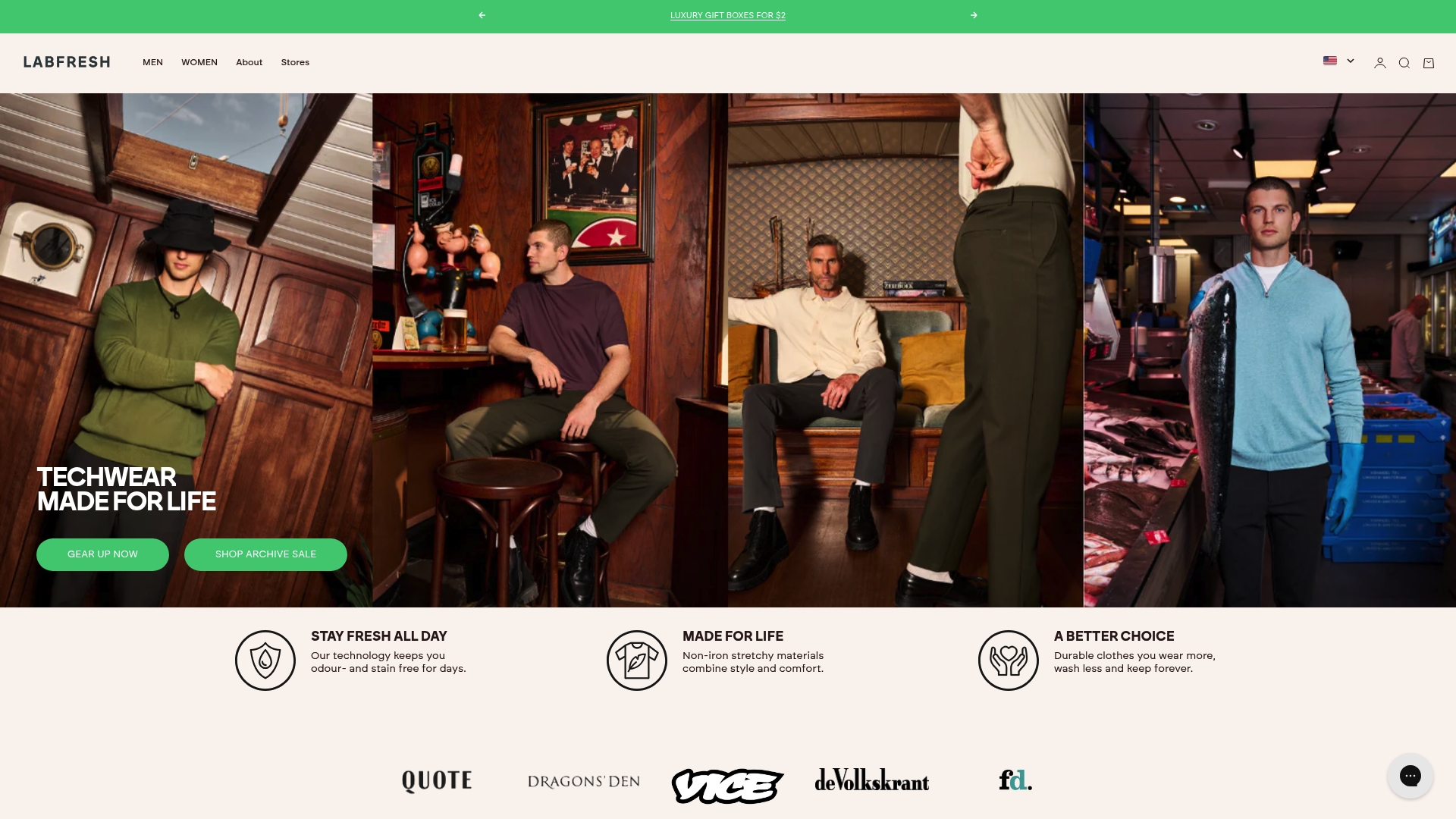
LABFRESH performance pants use advanced fiber treatments for stain resistance and odor control, maintaining a professional appearance through long days and multiple wears. The same technology that keeps outdoor gear fresh now works in office-appropriate styles. LABFRESH shirts combine wrinkle resistance with moisture management, transitioning seamlessly from morning commutes to evening activities.
For outdoor enthusiasts and travelers, our performance jackets incorporate weather-resistant fabrics with packable designs. You get protection without bulk, style without compromise. These aren’t separate wardrobes for different parts of your life. They’re versatile pieces that adapt to whatever your day demands.
Browse our collections to find items that match your active, style-conscious, and eco-friendly needs. Every piece reflects our commitment to innovation, durability, and reduced environmental impact. Join the community of people who expect more from their clothing and refuse to settle for traditional limitations.
Frequently asked questions
What are smart textiles, and how do they improve performance?
Smart textiles have built-in technology to monitor your body and environment, providing features like sweat and motion tracking for enhanced comfort and safety. They actively respond to conditions instead of passively protecting.
How do sustainable technologies make a difference in apparel?
Technologies like textile recycling create insulation with 100% recycled content and plant-based materials that dramatically reduce waste and carbon emissions. Performance stays high while environmental impact drops significantly.
What are the main challenges of using advanced technology in apparel?
High costs, skilled labor shortages, cybersecurity, job displacement, and privacy concerns slow widespread adoption, especially for smaller brands. These barriers affect availability and pricing for consumers.
How is AI used to personalize style in apparel?
AI helps deliver style recommendations, custom fits, and virtual try-ons to blend fashion with convenience and performance. You get pieces that match your aesthetic while delivering technical benefits.
Recommended
Comments