Extend Clothing Lifespan 30%+ with Tech Fabric Care
- Leroy Hughes

- Mar 1
- 8 min read
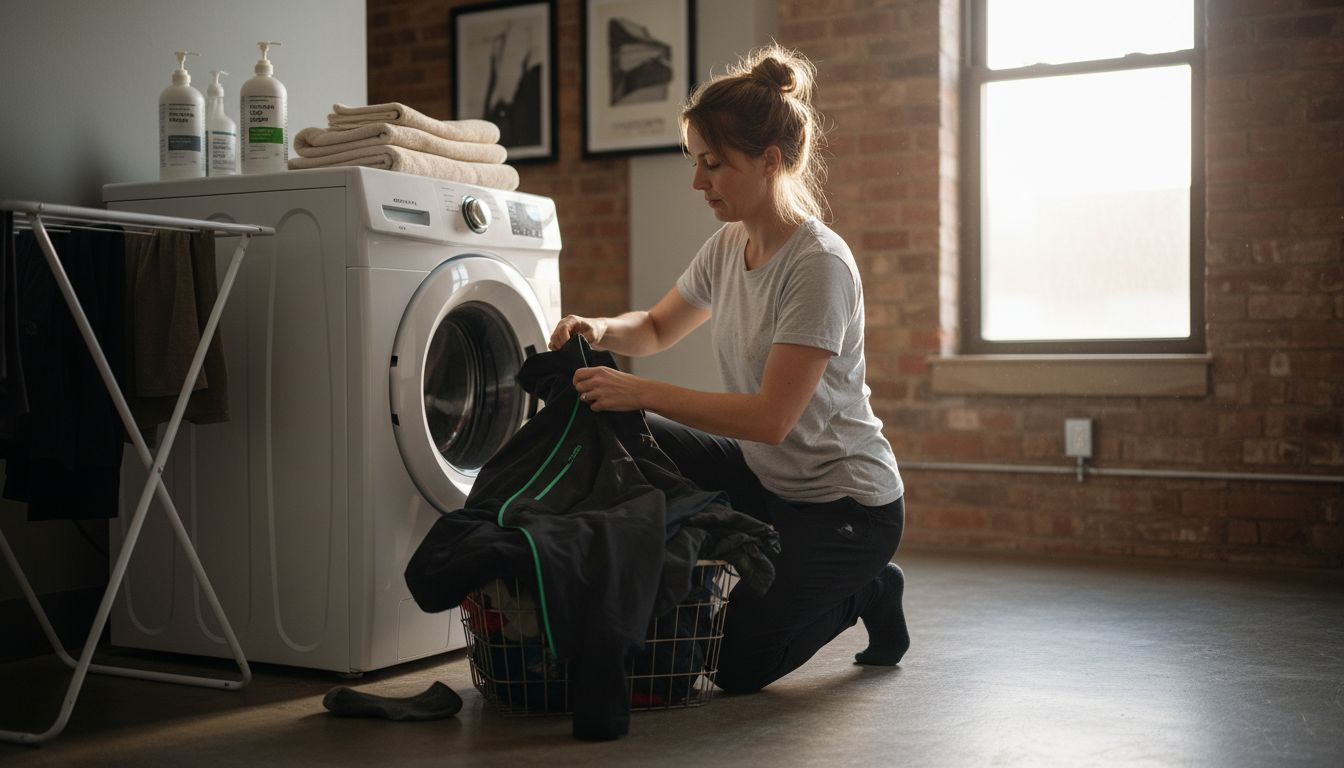
High-tech, sustainable clothing is an investment, but premature wear from improper care is frustrating and costly. Many busy professionals unknowingly shorten garment lifespan and degrade performance features through incorrect washing and storage. This guide reveals specialized care techniques that can extend your technical clothing’s lifespan by over 30%. You’ll learn practical, efficient steps perfectly suited for active lifestyles while preserving the innovation built into every fiber.
Table of Contents
Key Takeaways
Point | Details |
Care Impact | Proper care extends technical garment lifespan by 30% or more. |
Washing Method | Specialized detergents and gentle cycles prevent fabric damage. |
Spot Cleaning | Reduces washing frequency and preserves stain-resistant treatments. |
Drying Choice | Air drying protects fabric properties better than machine heat. |
Early Maintenance | Addressing small issues prevents irreparable damage. |
Prerequisites: What You Need to Know and Prepare
Before diving into care routines, understanding your garment’s fabric technology is essential. Technical clothing incorporates innovations like FreshCore™ for odor control and Seawool for sustainable performance. Each technology requires tailored care to maintain its properties. Reading care labels carefully reveals manufacturer recommendations specific to each garment’s construction.
The right tools make all the difference. You’ll need pH-neutral detergents formulated specifically for technical fabrics, avoiding harsh chemicals that strip protective coatings. Understanding fabric technology and correct detergents is critical to preserving garment performance. Front-loading washing machines are preferable because they’re gentler on fabrics than top-loaders. Keep these basic supplies on hand:
Mild, pH-neutral specialized detergents for tech fabrics
Soft-bristled brushes for spot cleaning
Clean microfiber cloths
Basic repair kit with matching thread and small needles
Breathable garment bags for storage
Pro Tip: Create a dedicated care station in your laundry area with all technical fabric supplies together. This saves time and ensures you never accidentally grab the wrong detergent when rushing.
Fabric Technology | Primary Feature | Care Priority |
FreshCore™ | Odor resistance | Preserve antimicrobial coating |
Seawool | Sustainable warmth | Protect fiber structure |
Stain-resistant | Liquid repellency | Maintain surface treatment |
Stretch fabrics | Four-way flex | Prevent elastic breakdown |
Specialized Washing Guidelines for Tech Apparel
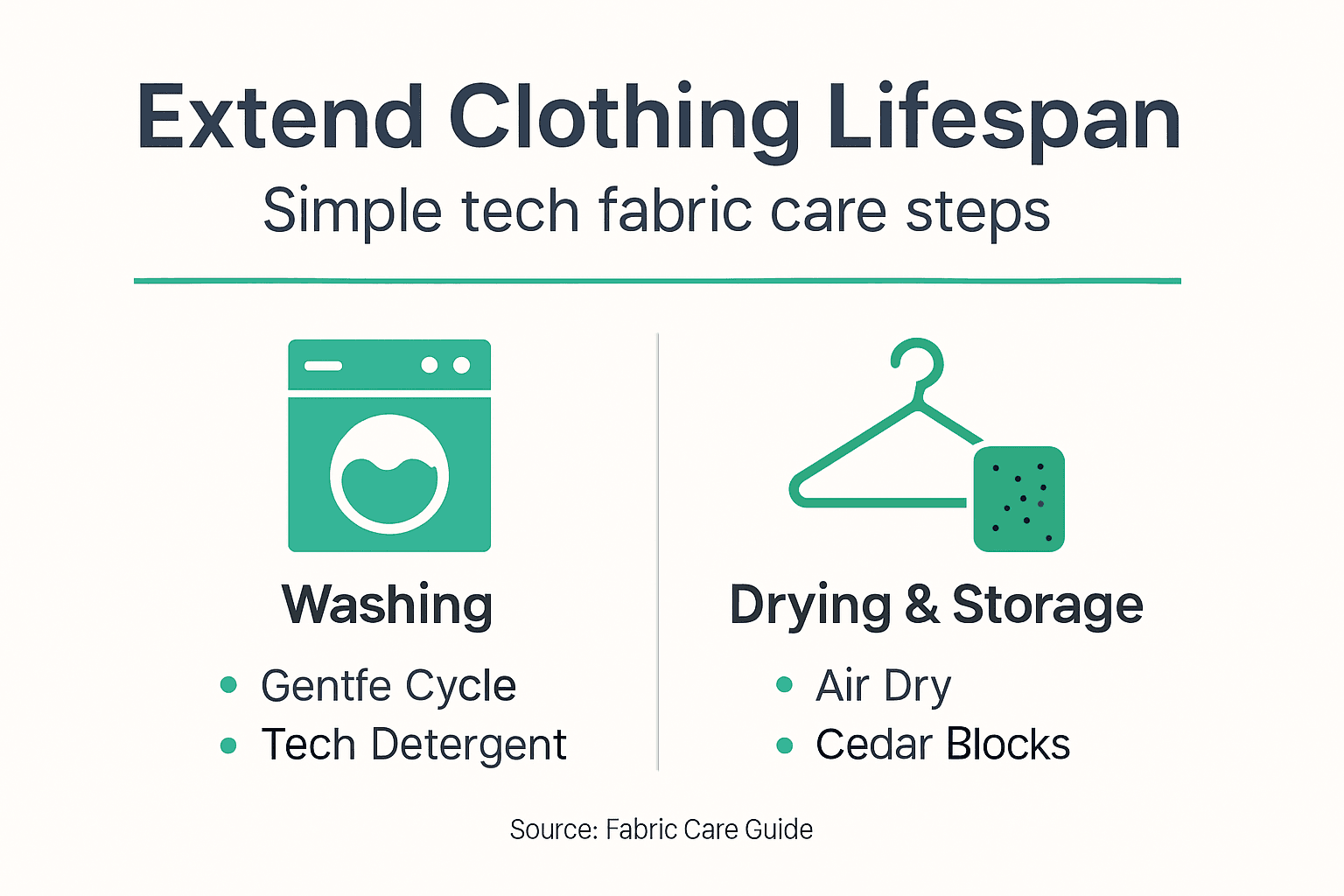
Washing technical clothing requires precision to protect fabric coatings while achieving cleanliness. Specialized detergents increase garment lifespan by about 30% compared to general detergents because they’re formulated without optical brighteners, fabric softeners, or harsh enzymes that damage technical treatments. These additives may work for cotton but actively harm performance fabrics.
Follow this washing protocol for optimal results:
Sort garments by fabric type and color to prevent dye transfer
Turn garments inside out to protect outer surfaces from abrasion
Select gentle washing cycles with cold or lukewarm water
Use half the detergent amount recommended for regular clothing
Run an extra rinse cycle to remove all detergent residue
Remove garments immediately after the cycle completes
Frequency matters as much as method. Washing too often subjects fabrics to unnecessary mechanical stress. Technical clothing with odor-resistant properties can typically be worn multiple times between washes. After wearing, air out garments on a hanger overnight before returning them to your closet.
Pro Tip: Never wash technical clothing with heavily soiled items like gym towels or work clothes. Dirt particles act like sandpaper during agitation, abrading and damaging delicate fabric treatments.
Detergent Type | Impact on Lifespan | Best For |
Technical washing detergents | +30% extension | All performance fabrics |
Standard detergent | Baseline (0%) | Regular cotton only |
Fabric softener | 40% reduction | Never use on tech fabrics |
Harsh enzymes | 25% reduction | Avoid completely |
Preventative Stain Removal and Spot Cleaning
Immediate action on stains dramatically reduces the need for full wash cycles, preserving fabric integrity. Reducing full wash cycles by spot cleaning helps preserve stain-resistant treatments and fabric integrity. Each complete wash cycle stresses fibers and gradually wears down protective coatings, so minimizing washes extends garment life significantly.
When a spill happens, act within minutes if possible. Blot liquids gently with a clean cloth, working from the stain’s outer edge toward the center to prevent spreading. For solid residue, carefully scrape away excess with a dull edge before treating the area. Mix a small amount of mild soap with lukewarm water, then apply with a soft cloth using gentle circular motions.
Keep these spot cleaning techniques supplies accessible:
Gentle soap or specialized stain remover for technical fabrics
Clean white cloths or paper towels
Soft-bristled brush for textured fabrics
Small spray bottle for water application
Portable stain pen for emergencies
Pro Tip: Test any cleaning solution on an inconspicuous area first, like an inside seam. Wait five minutes to ensure it doesn’t discolor or damage the fabric before applying to visible areas.
Common stains respond to specific treatments. Coffee and tea lift with cold water and mild soap. Oil-based stains need a small amount of dish soap applied directly before rinsing. Protein stains like sweat respond best to enzyme-free cleaners and cool water. Never use hot water on stains, as heat can set them permanently into fibers.
Drying and Storage Best Practices
Drying method dramatically impacts fabric longevity. Machine drying can reduce fabric performance by up to 50%; air drying preserves garment integrity. High heat breaks down elastic fibers, shrinks fabrics, and damages moisture-wicking treatments. Air drying at room temperature protects your investment while maintaining garment shape and function.
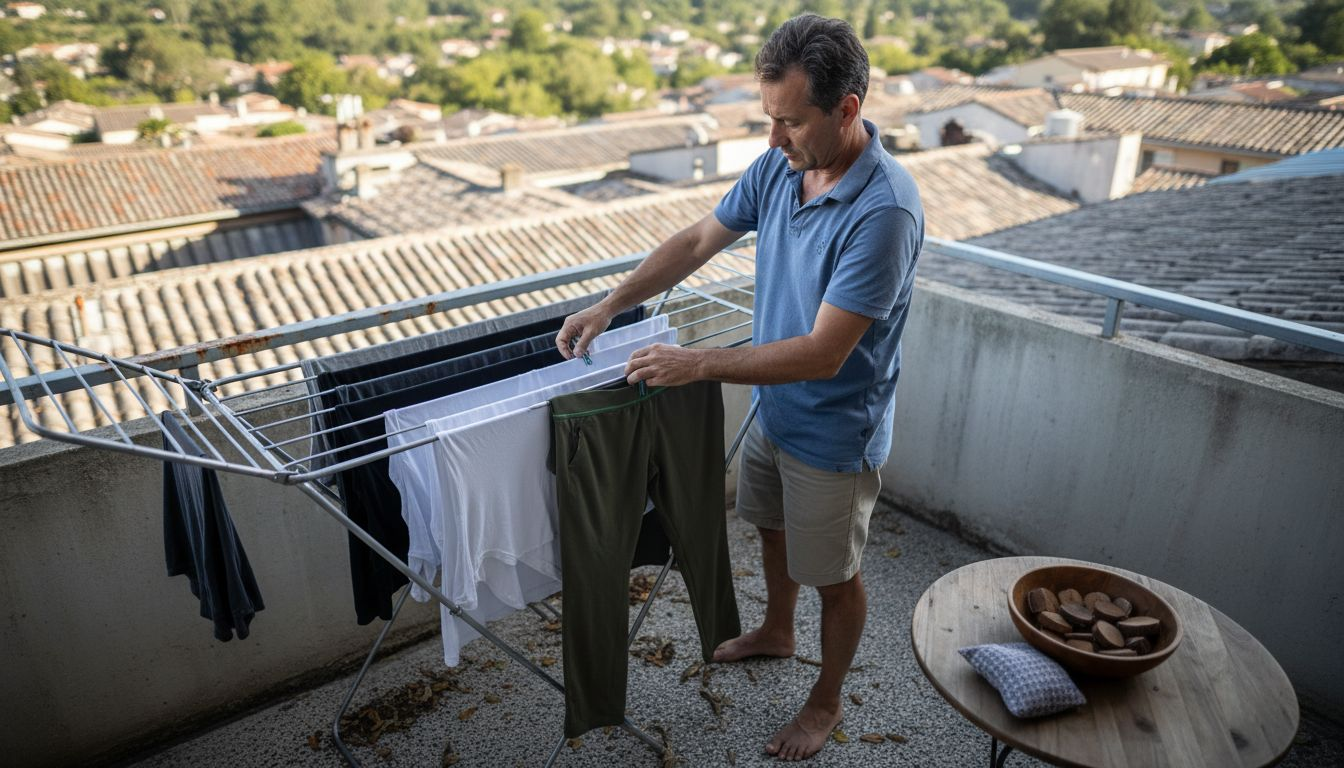
After washing, gently reshape garments to their original form and lay flat on a clean towel or hang on padded hangers. Choose a well-ventilated area away from direct sunlight, which can fade colors and degrade fibers through UV exposure. Avoid hanging heavy items like jackets on wire hangers, which create shoulder bumps and stretch fabric.
Follow these proper garment drying and storage guidelines:
Air dry in shaded, ventilated spaces at room temperature
Use padded or wide hangers to maintain garment shape
Allow 24 hours for complete drying before storing
Never place damp clothing in closed closets
Store in breathable garment bags, not plastic
Keep storage areas cool and dry to prevent mold
Fold knitwear and stretch items rather than hanging
Leave space between hanging garments for air circulation
Pro Tip: Install a small fan near your drying area to improve air circulation. This speeds drying time naturally without applying damaging heat, perfect for busy schedules.
Storage environment matters year-round. Cedar blocks or lavender sachets naturally repel moths without chemical treatments that might affect technical fabrics. Ensure closets stay below 70°F with humidity under 50% to prevent mildew growth and fabric degradation.
Common Mistakes to Avoid and Troubleshooting
Even with good intentions, common errors undermine garment longevity. Fabric softeners reduce moisture-wicking efficiency by up to 40%, causing premature wear. These products coat fibers with waxy residue that clogs breathable membranes and traps odors, defeating the purpose of technical fabrics entirely.
Avoid these common technical clothing mistakes:
Using fabric softener or dryer sheets on any technical garment
Washing technical items with heavily soiled or abrasive clothing
Exposing garments to high heat through drying or ironing
Ignoring small damage like loose threads or stuck zippers
Storing damp or incompletely dried clothing
Using bleach or harsh stain removers
Overloading washing machines, which increases friction
Many people believe fabric softener makes all clothing last longer. The opposite is true for technical fabrics. Softeners create a barrier that prevents moisture management, traps bacteria, and accelerates fabric breakdown. Your technical clothing will actually last longer and perform better without any softening agents.
Pro Tip: Address small repairs immediately. A loose button takes 30 seconds to tighten but can be lost forever if ignored. A small seam separation caught early needs one stitch; left alone, it becomes a major repair requiring professional help.
If performance seems diminished, try a deep cleaning cycle. Wash the garment twice with technical detergent and extra rinse cycles to remove built-up residue from previous washes. This often restores water repellency and breathability. For persistent issues, specialized reproofing products can reactivate treatments, though proper ongoing care usually prevents this need.
Expected Results and Sustainability Benefits
Implementing these care techniques delivers measurable results. Proper care extends garment lifespan by 30% or more and reduces textile waste by up to 25%. For a quality technical shirt costing $100 with a typical three-year lifespan, proper care extends that to four years or more, saving you money while reducing environmental impact.
You’ll notice sustained performance features. Odor resistance remains effective through hundreds of wears. Stain-resistant treatments continue repelling liquids. Stretch fabrics maintain their shape and return. Colors stay vibrant without fading. These sustainability benefits of garment care compound over time, with each additional month of use representing resources saved and waste prevented.
Care Approach | Average Lifespan | Wash Frequency | Annual Cost | Environmental Impact |
Typical care | 3 years | 25 times/year | $33/year | Baseline |
Optimized care | 4+ years | 15 times/year | $25/year | 25% waste reduction |
Poor care | 2 years | 40 times/year | $50/year | 33% waste increase |
The economic case is compelling. Extending expected garment longevity by just one year on a $100 item saves $25 annually. Across a wardrobe of 20 technical pieces, that’s $500 in avoided replacement costs. Factor in reduced water and energy consumption from less frequent washing, and the benefits multiply.
Beyond numbers, you maintain the style and functionality that drew you to quality technical clothing initially. Garments continue looking sharp and performing as designed, supporting your active lifestyle without compromise. This reliability means you can invest confidently in fewer, better pieces rather than constantly replacing worn items.
Discover LABFRESH: Performance Apparel Made to Last
Now that you understand proper care techniques, pair that knowledge with clothing designed for durability. LABFRESH specializes in technical apparel engineered for longevity and performance. Their blue stretch shirt combines professional styling with four-way stretch and odor-resistant FreshCore™ technology, perfect for professionals moving between office and active pursuits.

Explore the performance pants collection for versatile bottoms that resist stains and wrinkles while maintaining comfort through long days. The comprehensive technical shirts collection offers options for every occasion, all built with sustainability and longevity as core principles. When you follow the care guidelines in this article, your LABFRESH garments will deliver peak performance for years, maximizing your investment while minimizing environmental impact.
How to Extend Clothing Lifespan: Frequently Asked Questions
How often should I wash technical clothing?
Wash technical garments only when visibly soiled or after 3-5 wears, depending on activity level. Odor-resistant fabrics don’t require washing after every use. Air out garments between wears to refresh them naturally, reducing mechanical stress from washing cycles.
Can I use regular detergent on performance fabrics?
Regular detergent can damage technical fabrics because it contains optical brighteners and harsh enzymes. Use pH-neutral detergents specifically formulated for technical apparel. These preserve fabric treatments and extend lifespan by up to 30% compared to standard products.
Why should I avoid machine drying technical clothing?
High heat from dryers breaks down elastic fibers, damages moisture-wicking treatments, and can reduce fabric performance by 50%. Air drying at room temperature preserves garment integrity, maintains shape, and protects technical properties. Allow 24 hours for complete drying.
What’s the best way to remove stains from tech fabrics?
Act immediately by blotting liquids and using mild soap with lukewarm water on the affected area. Spot clean rather than washing the entire garment to preserve fabric treatments. Test any cleaning solution on an inconspicuous area first to ensure it won’t damage or discolor the fabric.
How should I store technical clothing long-term?
Store garments in cool, dry places using breathable garment bags and padded hangers. Ensure items are completely dry before storing. Maintain storage temperature below 70°F with humidity under 50%. Fold stretch items and knitwear rather than hanging to prevent deformation.
Recommended
Comments