Eco-friendly fashion tips for active lifestyles 2026
- Leroy Hughes

- Mar 16
- 7 min read

Choosing sustainable apparel that keeps pace with your active lifestyle shouldn’t mean compromising on performance or style. Today’s eco-conscious consumers face a complex landscape where marketing claims often obscure genuine environmental impact, and high-tech features compete with sustainability goals. This guide cuts through the noise with research-backed strategies to identify truly eco-friendly fashion that delivers durability, comfort, and innovative technology. You’ll discover how to evaluate materials, spot greenwashing, and leverage breakthrough fabric innovations that combine environmental responsibility with the functionality your lifestyle demands.
Table of Contents
Key takeaways
Point | Details |
Sustainability requires functional fabrics | Eco-friendly fashion must combine low environmental impact with durability and tech features for active use. |
Innovative textiles reduce waste | Technologies like dimpora® membranes and self-healing fabrics extend garment life while eliminating harmful chemicals. |
Greenwashing misleads consumers | Verify sustainability claims through certifications and supply chain transparency, not marketing language alone. |
Smart fabrics enhance performance sustainably | Temperature-regulating and moisture-managing textiles improve comfort while reducing environmental footprint. |
Lifecycle impact matters most | Evaluate materials based on total environmental cost including production, use phase, and end-of-life recyclability. |
How to evaluate eco-friendly fashion for active lifestyles
Selecting sustainable activewear requires looking beyond surface-level claims to understand the full environmental story. The global textile sector accounts for 6-8% of CO₂ emissions, making material choices critical for reducing your carbon footprint. Start by examining water consumption, as producing one kilogram of cotton requires up to 10,000 liters, far exceeding many synthetic alternatives.
Durability stands as the most overlooked sustainability factor. A garment worn 200 times instead of 50 delivers four times the value per environmental unit invested. Research confirms that energy use drives textile environmental impacts and can be reduced through both production improvements and extended use phases. Focus on construction quality, reinforced seams, and fabrics designed for longevity rather than disposable fast fashion.
When evaluating options, consider these critical factors:
Material origin and processing methods (organic, recycled, or conventionally produced)
Water and energy consumption during manufacturing
Chemical treatments and their environmental persistence
Garment lifespan and repair potential
End-of-life recyclability or biodegradability
Supply chain transparency separates genuine eco-friendly brands from greenwashers. Look for detailed information about fiber sourcing, production facilities, and third-party certifications like GOTS, OEKO-TEX, or Bluesign. Collections like undershirts that emphasize technical performance often integrate these sustainability standards into their core design philosophy.
Pro Tip: Calculate cost per wear rather than upfront price. A $100 shirt worn 300 times costs 33 cents per wear, while a $30 shirt worn 20 times costs $1.50 per wear and creates more waste.
Innovative eco-friendly fabrics enhancing durability and performance
Breakthrough textile technologies are rewriting the rules of sustainable activewear. The dimpora® membrane is 100% PFAS-free, solvent-free, and fully recyclable while delivering waterproof, breathable performance previously achievable only with harmful forever chemicals. This innovation proves that environmental responsibility and technical excellence aren’t mutually exclusive.
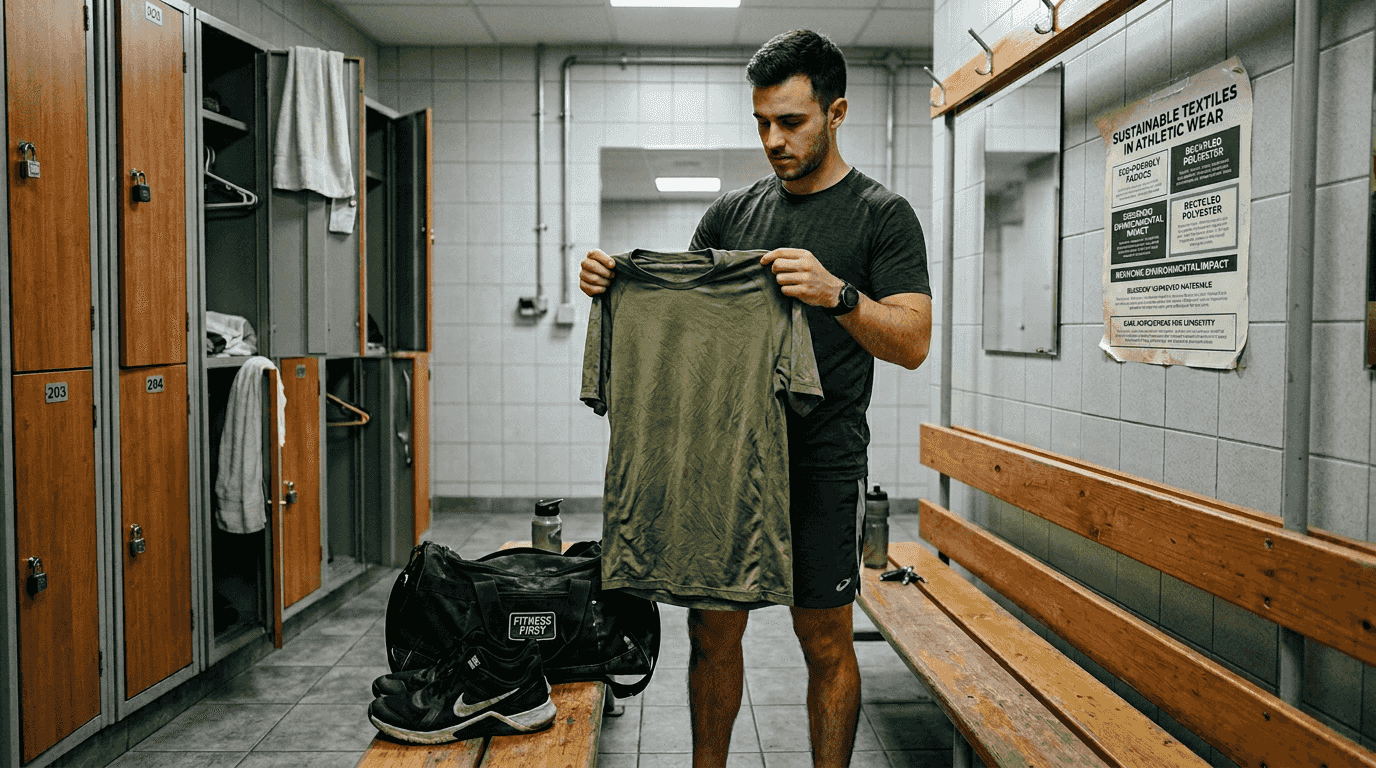
Self-healing textiles represent another leap forward. These materials restore damaged fabric automatically, extending garment lifespan by repairing minor tears and abrasions before they become irreparable. For active individuals who put their clothing through rigorous use, this technology dramatically reduces replacement frequency and associated waste.
Smart fabrics integrate sensors and responsive materials that adapt to your body and environment. Studies show temperature and moisture regulation improves athlete comfort while reducing the need for multiple specialized garments. One adaptive layer can replace three traditional pieces, cutting your wardrobe footprint by two-thirds.
Key innovations transforming sustainable activewear include:
Phase-change materials that absorb and release heat based on body temperature
Moisture-wicking fibers that reduce bacterial growth and odor
UV-protective treatments integrated at the molecular level
Antimicrobial finishes derived from natural sources like silver ions
Technology | Primary Benefit | Sustainability Impact |
dimpora® membrane | Waterproof breathability | Zero PFAS, fully recyclable |
Self-healing fibers | Extended garment life | Reduces replacement waste |
Smart temperature regulation | Adaptive comfort | Eliminates layering needs |
Natural antimicrobial treatments | Odor resistance | Less frequent washing |
Products like the white non-iron stretch shirt demonstrate how these technologies combine in real-world applications. By integrating wrinkle resistance and stretch recovery, such garments maintain appearance longer and withstand more wear cycles. Similarly, odor resistant socks leverage antimicrobial properties to extend time between washes, conserving water and energy.
Pro Tip: Prioritize multi-functional fabrics that combine several performance features. A single shirt with odor resistance, moisture wicking, and temperature regulation replaces multiple specialized garments.
Comparing eco-friendly fashion options: sustainable textiles and features
Not all eco-friendly materials deliver equal environmental benefits across their lifecycle. While cotton carries a natural fiber appeal, recycled synthetic fibers may have lower overall footprints depending on production context and use patterns. The key lies in matching material properties to your specific needs and usage frequency.
Cotton requires intensive water and pesticide inputs during cultivation but biodegrades naturally at end of life. Recycled polyester diverts plastic waste from landfills and oceans while requiring significantly less water during production. However, microfiber shedding during washing presents ongoing environmental challenges. Newer materials like Tencel and modal offer plant-based alternatives with closed-loop production systems that recycle solvents and minimize waste.
Remember that transport, packaging, and chemical treatments affect eco-impact regardless of fiber choice. A locally produced synthetic garment may carry a smaller carbon footprint than organic cotton shipped across continents. Evaluate the complete supply chain, not just the fiber content label.
Material Type | Water Use | Durability | Performance Features | Best For |
Organic cotton | High | Moderate | Breathable, soft | Casual everyday wear |
Recycled polyester | Low | High | Moisture wicking, quick dry | Intense activity |
Tencel/Modal | Low | Moderate-High | Soft, breathable, antimicrobial | All-day comfort |
Merino wool | Moderate | High | Temperature regulation, odor resistance | Variable conditions |
dimpora® enhanced synthetics | Low | Very High | Waterproof, breathable, chemical-free | Outdoor activities |
When comparing options, consider these factors:
Frequency of use (daily wear demands higher durability)
Activity intensity (high-output exercise needs advanced moisture management)
Climate conditions (temperature extremes require adaptive fabrics)
Maintenance requirements (washing frequency impacts total environmental cost)
Replacement timeline (longer-lasting garments justify higher initial investment)
The performance shirts collection showcases how modern manufacturing combines sustainable materials with technical features. By selecting fabrics engineered for your specific use case, you maximize both environmental efficiency and functional value.
Making sustainable fashion choices: avoiding greenwashing and prioritizing transparency
The sustainability marketing boom has spawned widespread greenwashing, with brands exaggerating environmental benefits without delivering measurable impact. Learning to identify genuine commitment versus performative claims protects both your wallet and the planet.
Carbon offset programs deserve particular scrutiny. Research reveals carbon offsets often fail to deliver real environmental benefits despite widespread brand adoption. Companies may purchase cheap credits from projects that would have happened anyway, creating no additional environmental benefit. True sustainability requires actual emissions reductions, not accounting tricks.
Instead, rely on transparency, certifications, and supply chain disclosures over marketing language or premium pricing. Legitimate eco-friendly brands provide detailed information about:
Specific fiber sources and processing methods
Factory locations and labor conditions
Third-party certification bodies and standards met
Measurable environmental metrics (water saved, emissions reduced)
Product lifecycle and end-of-life options
Price alone proves unreliable as a sustainability indicator. Some genuinely sustainable brands achieve efficiency through scale, while others charge premium prices for minimal environmental benefit. Expensive doesn’t automatically mean ethical or eco-friendly.
Genuine sustainability requires verifiable data, not aspirational marketing. Demand specifics: which certification, what percentage recycled content, how much water saved compared to conventional production.
Red flags signaling potential greenwashing include:
Vague terms like “eco-conscious” or “green” without supporting details
Highlighting one minor sustainable element while ignoring major impacts
Lack of third-party verification or certification
No specific environmental metrics or improvement targets
Sustainability claims buried in marketing copy rather than product specifications
Brands committed to transparency make sustainability data easily accessible. The best-selling sustainable apparel category should clearly communicate material composition, production methods, and environmental benefits without requiring detective work.
Pro Tip: Screenshot brand sustainability claims and check back in six months. Genuine commitment shows progress and updated metrics, while greenwashing repeats the same vague language indefinitely.
Explore sustainable, tech-integrated apparel for your active lifestyle
Your wardrobe can reflect both your values and your performance needs without compromise. LABFRESH combines cutting-edge textile technology with environmental responsibility, creating garments that last longer, perform better, and reduce your overall fashion footprint. From water-repellent outerwear to odor-resistant base layers, each piece is engineered for the demands of active living.
Discover eco-friendly shirts that resist stains and wrinkles while maintaining breathability through long days. The performance pants collection delivers stretch, durability, and moisture management in sustainable fabrics designed for both office and adventure. For weather protection without environmental harm, explore water-repellent performance jackets that eliminate forever chemicals while keeping you dry.
Pro Tip: Build a capsule wardrobe of high-performance, sustainable pieces that layer effectively. This approach reduces total garment count, extends wear between washes, and maximizes the environmental efficiency of each item you own.
Frequently asked questions about eco-friendly fashion tips
What makes a fabric truly eco-friendly?
A truly eco-friendly fabric minimizes environmental impact across its entire lifecycle, from raw material extraction through production, use, and disposal. This includes low water and energy consumption during manufacturing, absence of persistent chemicals, durability for extended use, and recyclability or biodegradability at end of life. Third-party certifications like GOTS, OEKO-TEX, or Bluesign verify these claims independently.
How do smart textiles contribute to sustainability?
Smart textiles enhance sustainability by adapting to your body and environment, reducing the need for multiple specialized garments. Temperature-regulating fabrics eliminate layering requirements, moisture-wicking properties extend time between washes, and antimicrobial treatments prevent odor buildup. These features collectively reduce garment count, washing frequency, and replacement cycles, lowering your total fashion footprint.
Can self-healing clothes really reduce waste?
Self-healing textiles contain materials that automatically repair minor damage like small tears or abrasions, significantly extending garment lifespan. By preventing small issues from becoming irreparable damage, these fabrics can double or triple wear cycles before replacement becomes necessary. This technology is particularly valuable for activewear subjected to frequent stress and abrasion.
How to spot greenwashing in fashion brands?
Greenwashing appears as vague sustainability language without specific, verifiable data. Red flags include terms like “eco-friendly” or “green” without supporting certifications, highlighting one minor sustainable feature while ignoring major impacts, and lack of measurable environmental metrics. Legitimate brands provide detailed information about materials, certifications, factory conditions, and quantifiable improvements with third-party verification.
Is recycled synthetic fiber better than natural cotton environmentally?
The answer depends on context and use case. Recycled synthetics typically require less water during production and divert plastic waste from landfills, but shed microfibers during washing. Cotton is biodegradable but demands intensive water and pesticide inputs during cultivation. For high-performance activewear worn frequently, recycled synthetics often deliver better total lifecycle impact due to superior durability and lower maintenance requirements.
Recommended
Comments