Maintain performance apparel for lasting style and quality

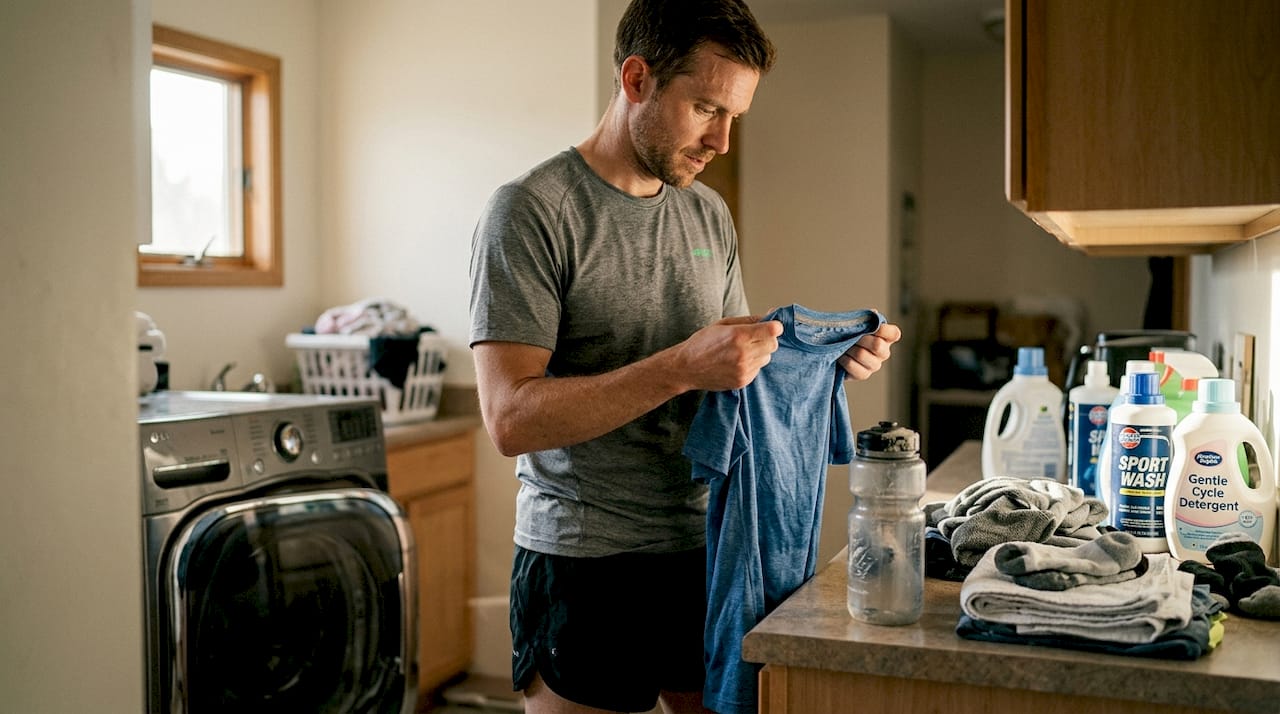
Performance apparel promises to keep you fresh, stain-free, and wrinkle-resistant through demanding days, but these benefits vanish when care routines go wrong. Improper washing, harsh detergents, and incorrect storage strip away the very technologies that make these garments valuable, leaving you with faded fabrics and diminished performance. This guide walks you through proven maintenance strategies that preserve your apparel’s technical properties while extending its lifespan, so you get maximum value from every piece in your wardrobe.
Table of Contents
Key takeaways
Point | Details |
Proper washing preserves fabric | Cold water and gentle detergents maintain moisture-wicking and odor-resistant properties |
Correct stain treatment extends life | Prompt action with fabric-safe removers prevents permanent damage |
Smart storage prevents damage | Proper ventilation and hanging methods keep garments fresh between wears |
Sustainable choices support goals | Investing in durable performance apparel reduces environmental impact |
Understanding your performance apparel fabric and its needs
Your performance apparel works because of engineered fabric technologies, not magic. Performance apparel often uses synthetic blends like polyester or nylon with moisture-wicking and odor-resistant properties that require specific care to maintain their effectiveness. These materials pull sweat away from your skin, resist bacterial growth, and repel water, but only when their fiber structure remains intact.
Polyester excels at moisture management and quick drying, making it ideal for active wear and everyday shirts. Nylon adds durability and abrasion resistance, perfect for pants and outerwear that face constant friction. Elastane blends provide stretch and recovery, ensuring garments maintain their shape through repeated wear and movement. Each fabric responds differently to heat, detergents, and mechanical stress during washing.
The technical coatings and fiber treatments that give performance apparel its special properties are surprisingly delicate. High heat breaks down water-repellent finishes, while fabric softeners coat fibers and block moisture-wicking channels. Harsh detergents strip protective treatments, leaving fabrics vulnerable to stains and odors they once resisted effortlessly. Understanding these vulnerabilities helps you make smarter care decisions.
Pro Tip: Check care labels for specific fabric blend percentages. Garments with higher elastane content (over 5%) need gentler handling to prevent permanent stretching.
Different performance technologies require tailored approaches. Odor-resistant fabrics rely on antimicrobial treatments or naturally odor-fighting fibers that aggressive washing can damage. Water-repellent finishes need periodic reactivation through low-heat drying or specialized sprays. Wrinkle-resistant treatments work best when garments air dry flat or hang immediately after washing, preventing heat-set creases that defeat their purpose.
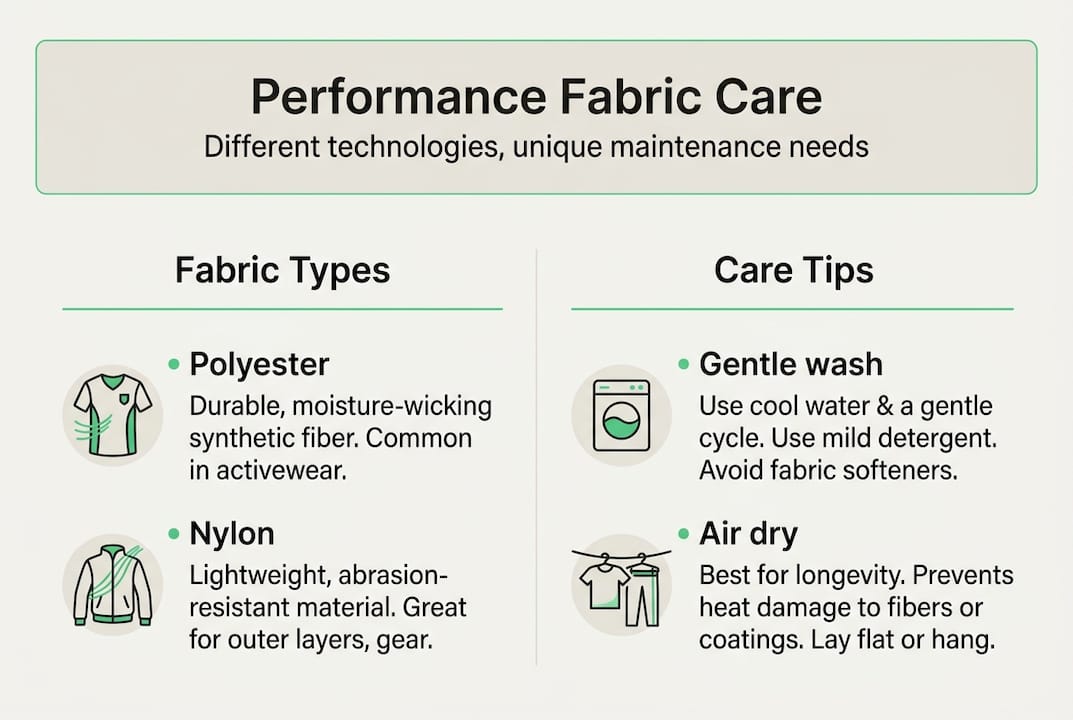
The performance shirts collection showcases various fabric technologies, each with unique maintenance needs. Recognizing your garment’s specific construction helps you choose appropriate cleaning methods that preserve rather than destroy its engineered benefits.
Preparing and executing proper cleaning techniques
Successful performance apparel maintenance starts before you ever turn on the washing machine. Sort garments by fabric type and color to prevent dye transfer and ensure compatible wash settings. Turn items inside out to protect outer finishes and reduce friction damage during the wash cycle. Close zippers and fasten buttons to prevent snagging and maintain garment shape.
Using gentle detergents and cold water preserves fabric performance and extends garment life by protecting fiber integrity and technical treatments. Follow this washing protocol for optimal results:
Select cold water (60°F or below) to prevent fiber damage and color fading
Use liquid detergent specifically formulated for technical fabrics or a mild, dye-free option
Measure detergent carefully, using half the recommended amount for performance fabrics
Choose gentle or delicate cycle to minimize mechanical stress on fibers
Skip fabric softener entirely as it clogs moisture-wicking channels
Add white vinegar (quarter cup) to rinse cycle for natural odor elimination
Drying demands even more attention than washing. High heat destroys elastane fibers, melts technical coatings, and sets wrinkles permanently into supposedly wrinkle-free fabrics. Air drying remains the gold standard for performance apparel, preserving every engineered property while using zero energy. Lay flat or hang immediately after washing to prevent creases and maintain shape.
Drying Method | Best For | Avoid For |
Air dry flat | Knits, high-stretch items | Heavy outerwear (takes too long) |
Hang dry | Shirts, pants, jackets | Delicate knits (may stretch) |
Low tumble dry | Quick refresh, wrinkle release | Elastane-heavy garments |
High heat dry | Never use | All performance apparel |
Stain treatment requires speed and precision. Blot (never rub) fresh stains immediately with cold water to prevent setting. Apply a small amount of gentle stain remover directly to the affected area, testing first on an inconspicuous spot. Let the treatment sit for 5 to 10 minutes before washing normally, checking results before drying since heat permanently sets remaining stains.
Pro Tip: Keep a small spray bottle of diluted gentle detergent in your closet for immediate stain treatment on non-iron stretch shirts and other performance pieces.
Odor control goes beyond washing. Bacteria trapped in fabric fibers cause persistent smells that survive normal laundering. Soak heavily soiled items in cold water with baking soda for 30 minutes before washing. Add oxygen-based bleach (not chlorine) to white performance fabrics for deep cleaning without fiber damage. For stubborn odors, freeze garments overnight to kill odor-causing bacteria, then wash as usual.
Proper storage and ongoing care to maintain quality
How you store performance apparel between wears matters as much as how you clean it. Correct storage methods such as hanging vs folding can prolong apparel lifespan and maintain wrinkle-free appearance by preventing unnecessary creasing and fabric stress. Shirts and jackets benefit from hanging on shaped hangers that support shoulders without stretching fabric. Pants hang best from waistband clips or fold once along the crease line for drawer storage.

Ventilation prevents the moisture accumulation that breeds odors and mildew. Never store damp or sweaty garments in closed spaces, even briefly. Allow items to air out completely before returning them to closets or drawers. Install cedar blocks or sachets in storage areas to absorb excess humidity and discourage pests without using harsh chemicals that might damage technical fabrics.
Rotating your performance apparel reduces wear on individual pieces. Wearing the same shirt three days straight concentrates stress on specific fiber areas, accelerating breakdown. Give garments at least 24 hours rest between wears to allow fibers to recover their shape and moisture to fully evaporate. This simple practice can double the lifespan of your favorite pieces.
Pro Tip: Store performance shirts with collar stays removed and top button unfastened to prevent stress points that create permanent wrinkles.
Breathable storage solutions protect garments while allowing air circulation. Cotton garment bags shield items from dust and light exposure without trapping moisture like plastic covers. Avoid wire hangers that create shoulder bumps and stress points in fabric. Instead, use padded or wooden hangers that distribute weight evenly across the garment.
Seasonal storage requires extra preparation. Clean all items thoroughly before long-term storage since invisible stains oxidize over time and become permanent. Fold rather than hang knit performance pieces to prevent stretching during months of storage. Store in cool, dry locations away from direct sunlight that fades colors and degrades synthetic fibers. Check stored items every few months for signs of moisture or pest damage.
Storage Method | Advantages | Best For |
Hanging with space | Prevents wrinkles, allows airflow | Shirts, jackets, pants |
Folding in drawers | Saves space, reduces stretching | Knits, activewear, base layers |
Garment bags | Protects from dust and light | Seasonal storage, travel |
Open shelving | Maximum ventilation | Frequently worn items |
Travel demands portable storage solutions. Roll performance garments instead of folding to minimize wrinkles and save suitcase space. Pack items in breathable packing cubes that organize while allowing air circulation. Hang garments immediately upon arrival to release any travel creases. For performance apparel with advanced wrinkle resistance, a quick steam from a hot shower often refreshes fabric without requiring an iron.
Troubleshooting and common mistakes in performance apparel care
Even careful owners make mistakes that compromise performance apparel. The most damaging error is using fabric softener, which coats fibers with waxy residue that blocks moisture-wicking channels and traps odor-causing bacteria. This single mistake can permanently reduce a garment’s technical performance. Similarly, high heat drying melts elastane fibers and shrinks synthetic fabrics, creating irreversible damage that no amount of careful washing can fix.
Common mistakes include using fabric softeners, high heat drying, and delayed stain treatment which degrade fabric performance and shorten garment lifespan significantly. Recognizing these errors early helps you course-correct before damage becomes permanent. Here are the top mistakes and their solutions:
Ignoring care labels leads to inappropriate washing temperatures and cycles
Overloading washing machines prevents proper cleaning and increases friction damage
Leaving wet garments in the washer breeds mildew and sets wrinkles
Using chlorine bleach destroys colors and weakens synthetic fibers
Ironing at high temperatures melts technical finishes and creates shine marks
Lingering odors signal trapped bacteria that survived washing. This happens when detergent residue or fabric softener buildup prevents proper cleaning. Strip wash affected garments by soaking in hot water with a mixture of borax, washing soda, and powdered detergent for four hours, then washing normally. This deep cleaning removes buildup and restores odor resistance without harsh chemicals.
Fabric pilling occurs when friction causes short fibers to ball up on the surface. While some pilling is normal with wear, excessive pilling indicates aggressive washing or poor-quality fabric. Use a fabric shaver to remove pills gently, then adjust your washing routine to reduce mechanical stress. Washing inside out and using mesh laundry bags protects fabric surfaces during cleaning.
“The biggest mistake people make is treating performance apparel like regular cotton clothing. These engineered fabrics need gentler care to maintain their special properties, but that care is actually simpler and requires less effort than traditional laundering.”
When odors persist despite proper washing, the issue may be your washing machine. Front-loading machines can harbor mold and bacteria that transfer to clean clothes. Run an empty hot cycle with vinegar or a commercial washing machine cleaner monthly. Leave the door open between uses to prevent moisture buildup. Check and clean the rubber gasket where residue and mildew accumulate.
Sometimes professional cleaning becomes necessary. Heavily soiled outdoor performance gear may need specialized treatment that home washing cannot provide. Look for cleaners experienced with technical fabrics who use appropriate products and methods. However, frequent professional cleaning is rarely needed for everyday performance apparel when you follow proper home care routines.
Discover high-performance apparel designed for lasting quality
Maintaining performance apparel becomes effortless when you start with quality construction and advanced fabric technologies. LABFRESH specializes in garments engineered to resist stains, repel odors, and maintain crisp appearance with minimal care, perfectly matching the maintenance strategies you’ve just learned. Their innovative fabrics work with your care routine rather than against it.

The performance shirts collection features FreshCore technology that actively fights odors and stains, reducing washing frequency while keeping you looking sharp. Pair these with performance pants that maintain their shape and resist wrinkles through demanding days. For unpredictable weather, water-repellent performance jackets provide protection without sacrificing style or requiring special care.
Investing in durable, well-engineered performance apparel reduces your environmental footprint while simplifying daily routines. Fewer washes mean less water consumption, lower energy use, and extended garment life that keeps quality pieces out of landfills. LABFRESH’s commitment to sustainability and longevity aligns perfectly with smart maintenance practices that preserve both your wardrobe and the planet.
FAQ
How often should I wash my performance apparel?
Wash performance garments after three to four wears unless they’re visibly soiled or have noticeable odor. The antimicrobial and odor-resistant properties built into quality performance fabrics allow extended wear between washes. Overwashing accelerates fabric breakdown and wastes water, while underwashing allows bacteria buildup that damages fibers.
Can I use fabric softener with performance clothing?
Never use fabric softener on performance apparel as it coats fibers with residue that blocks moisture-wicking channels and traps odors. This waxy buildup prevents fabrics from breathing and eliminates the technical benefits you paid for. If you want softer feel, add half a cup of white vinegar to the rinse cycle instead.
What’s the best way to remove tough stains without harming fabric?
Treat stains immediately by blotting with cold water, then apply a small amount of gentle, enzyme-based stain remover directly to the spot. Let it sit for five to ten minutes before washing in cold water on a gentle cycle. Avoid chlorine bleach, harsh scrubbing, or hot water, which set stains permanently and damage synthetic fibers.
How should I store my performance apparel to avoid odors?
Store performance clothing in a cool, dry, well-ventilated space, preferably hanging on shaped hangers to maintain garment form. Never use airtight containers or plastic bags that trap moisture and create ideal conditions for mildew and odor-causing bacteria. Ensure garments are completely dry and aired out before storing, even for short periods between wears.
Recommended
Comments