Top functional fashion trends 2026 for active urbanites

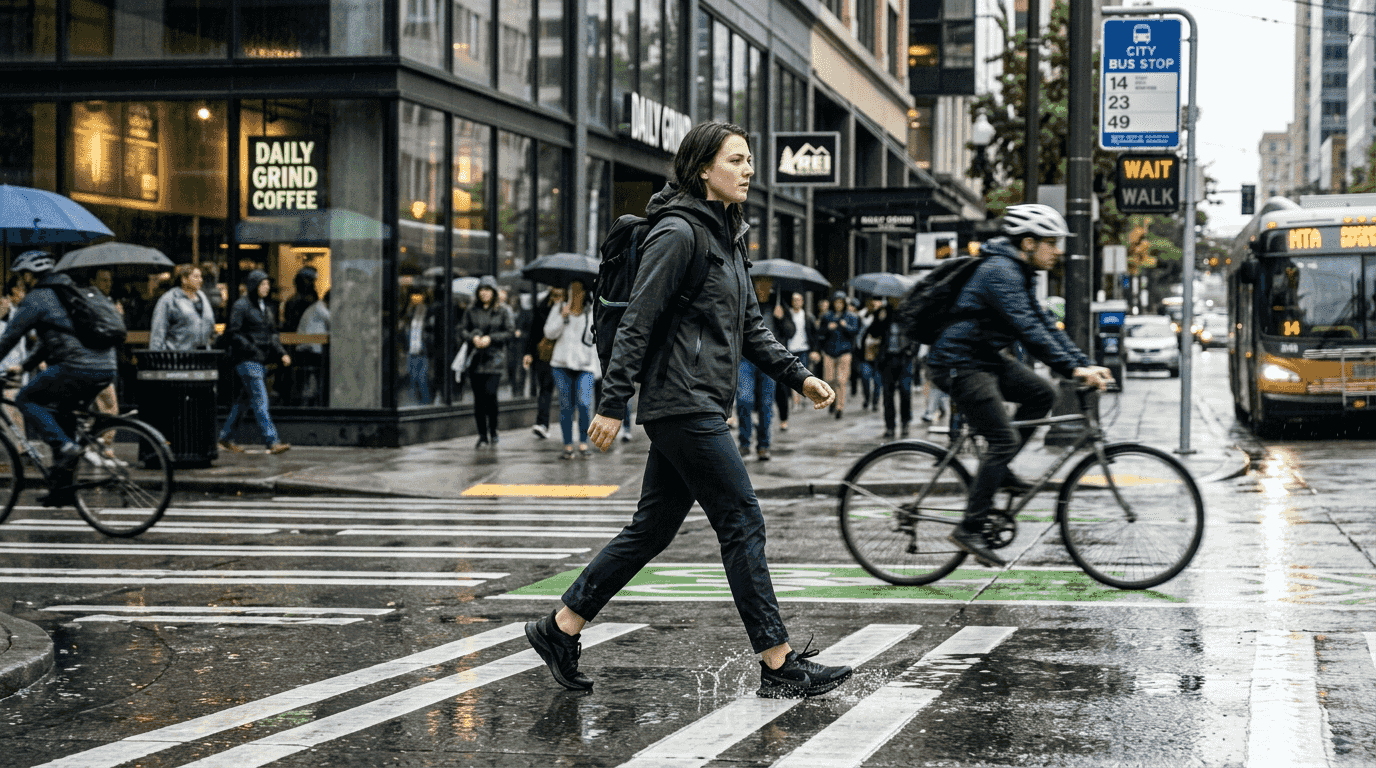
Finding fashion that balances style, sustainability, and performance feels impossible when you’re juggling meetings, travel, and an active urban lifestyle. In 2026, functional fashion has evolved beyond basic performance gear into sophisticated apparel that merges advanced textiles, smart features, and urban-chic design. This article reveals the essential criteria for evaluating functional fashion and introduces the top trends transforming wardrobes this year, helping you make informed choices that align with your demanding lifestyle while staying ahead of the curve.
Table of Contents
Key takeaways
Point | Details |
Tech-infused innovation | Smart textiles and phase-change materials lead 2026’s functional fashion revolution with adaptive temperature control and environmental sensing. |
Performance meets style | Executive and urban wardrobes now prioritize comfort and multi-functionality without sacrificing sophisticated aesthetics. |
Sustainability core | Eco-friendly fabrics and water-saving production methods define modern functional fashion manufacturing and design. |
Personalized fit | Data-driven design and customization technologies enable garments tailored to individual body types and lifestyle needs. |
Adaptable wardrobes | Clothing performs seamlessly across climates, settings, and activities for maximum versatility. |
How to choose functional fashion in 2026: criteria for style and performance
Selecting the right functional fashion requires understanding five core criteria that define 2026’s performance apparel landscape. These benchmarks help you evaluate whether a garment truly delivers on its promises or simply markets buzzwords without substance.
Comfort has become non-negotiable for modern professionals. 73% of professionals now prioritize comfort features when purchasing business attire, compared to just 41% in 2019. This shift reflects how demanding schedules require clothing that supports rather than restricts movement and focus. Breathable fabrics, ergonomic cuts, and moisture management separate genuinely comfortable pieces from traditional stiff business wear.
Adaptability means your wardrobe works across multiple contexts without wardrobe changes. Quality functional fashion transitions from client presentations to evening events, handles temperature fluctuations in air-conditioned offices and outdoor commutes, and maintains appearance through long days. This versatility reduces the number of garments you need while maximizing utility.
Sustainability involves more than marketing claims. Look for sustainability advancements in textile sourcing, production methods, and garment longevity. Water-saving dyeing processes, recycled fibers, and durable construction that extends wear cycles demonstrate genuine environmental commitment.
Smart textiles enhance functionality through integrated technology. These materials sense environmental conditions, regulate temperature, resist odors, and adapt to your activity level. The best smart fabrics work invisibly, requiring no charging or maintenance while delivering measurable performance benefits.
Style remains crucial for urban professionals who refuse to sacrifice aesthetics for function. Modern functional fashion embraces minimalist silhouettes, refined details, and tech-inspired design elements that signal sophistication rather than athletic performance.
Key evaluation criteria:
Fabric technology and performance certifications
Versatility across professional and casual settings
Care requirements and maintenance simplicity
Environmental impact and production transparency
Fit quality and body-type adaptability
Pro Tip: Prioritize garments with integrated technology that requires no additional effort, like self-regulating temperature fabrics or permanent odor resistance, for long-term versatility without added complexity.
Top functional fashion trends shaping 2026 wardrobes
Four major trends define functional fashion in 2026, each representing significant technological and design evolution that addresses real lifestyle challenges for active urbanites.
1. Techwear ascends to luxury status
Techwear defines luxury and utility in Fall 2026, transforming from niche subculture to mainstream sophistication. This evolution merges performance fabrics with refined aesthetics, creating garments that handle weather extremes while maintaining boardroom appropriateness. Brands now incorporate waterproof membranes, strategic ventilation, and modular storage into tailored silhouettes that look nothing like traditional outdoor gear.

2. Phase-change fibers revolutionize thermal comfort
Phase-change fibers provide excellent latent heat storage and thermal stability, enabling apparel to self-regulate temperature without bulk or battery power. These materials absorb excess body heat during activity and release it when you cool down, maintaining consistent comfort across temperature fluctuations. This technology proves especially valuable for professionals moving between climate-controlled interiors and outdoor environments throughout the day.
3. Smart textiles deliver responsive performance
Today’s smart textiles interact dynamically with wearers and environments. Advanced materials sense moisture levels, adjust breathability, provide UV protection, and offer electromagnetic interference shielding for device-heavy lifestyles. Unlike earlier generations requiring charging or activation, 2026 smart textiles function passively through material properties rather than electronics. Explore innovative stretch shirts and heatcore odor resistant socks incorporating these advances.
4. Sustainability becomes production standard
New dyeing techniques save billions of liters of water annually through CO₂ dyeing and eBeam finishing methods. These processes eliminate toxic chemicals while reducing energy consumption and production time. Brands increasingly adopt circular design principles, creating garments engineered for longevity, repair, and eventual recycling rather than disposal.
“Techwear’s calculated design moves integrate sustainability with adaptability, proving that performance and luxury need not conflict. The 2026 lexicon centers on garments that work harder while looking sharper, meeting demands of globally mobile professionals who refuse compromise.”
Urban-chic style now merges minimalism with visible technology integration. Subtle details like bonded seams, hidden pockets with RFID protection, and fabric treatments that repel stains signal sophistication rather than sportswear. This aesthetic shift allows functional fashion to replace traditional business attire without sacrificing professional credibility.
Comparing leading functional fashion materials and technologies
Understanding material differences helps you select garments matching your specific needs. Three breakthrough technologies dominate 2026 functional fashion, each offering distinct advantages.
Technology | Thermal Performance | Sustainability Impact | Key Benefits | Ideal Applications |
Janus Textiles | Self-sustainable heating and cooling | Reduced energy for climate control | UV protection, EMI shielding, moisture management | All-climate outerwear, travel wear |
Phase-Change Fibers | Excellent heat storage and release | Lower material weight, durable | Maintains microclimate stability | Base layers, everyday shirts, active wear |
Smart Sensing Fabrics | Dynamic environmental response | Extends garment lifespan | Adapts breathability, moisture wicking | Performance shirts, technical pants |
Water-Saving Dyed Textiles | Standard thermal properties | Billions of liters saved annually | Vibrant colors, soft hand feel | All garment categories |
Janus Textile achieves self-sustainable thermal management, perception, and protection with ultrahigh UV protection and electromagnetic interference shielding. This multifaceted material represents the cutting edge of adaptive textiles, functioning without power sources or user intervention. Its dual-sided structure manages heat flow directionally, keeping you cool when active and warm when stationary.
Phase-change fibers excel at mechanical durability while maintaining thermal regulation properties through hundreds of wash cycles. Unlike coatings that degrade, these fibers incorporate phase-change materials at the molecular level, ensuring long-term performance. Their lightweight nature makes them ideal for layering without bulk.
Smart sensing fabrics respond to environmental humidity and temperature changes by adjusting pore size and moisture transport. This dynamic adaptation prevents the clammy feeling of traditional moisture-wicking fabrics that can’t modulate their performance. Consider the lightweight bodywarmer vest utilizing adaptive insulation technology.
Material selection factors:
Climate conditions in your primary locations
Activity intensity throughout typical days
Garment category and layering requirements
Maintenance preferences and care capabilities
Pro Tip: Consider your lifestyle demands when choosing materials. Frequent travelers benefit most from Janus textiles handling extreme climate shifts, while urban commuters find phase-change fibers ideal for daily temperature variations between transit and offices.
How to decide which functional fashion fits your lifestyle in 2026
Applying functional fashion knowledge to your specific situation requires matching garment technologies with your daily realities. Different professional contexts and personal priorities demand tailored approaches.
Executives navigating global business need adaptable wardrobes handling diverse challenges. 73% of C-suite respondents prioritize clothing that performs across climates, time zones, and camera lenses equally well. This demands wrinkle-resistant fabrics, stain protection, and silhouettes that maintain professionalism through long flights and back-to-back meetings.
Urban professionals value multi-functionality and ease of care above all. Garments must transition from morning workouts to office environments to evening social events without wardrobe changes or visible wear. Low-maintenance fabrics that resist odors, dry quickly, and require minimal ironing prove essential for maximizing limited time.
Decision-making steps:
Assess your primary environment conditions, including typical temperature ranges, humidity levels, and seasonal variations
Identify your activity intensity throughout average days, from sedentary desk work to active commuting or exercise
Define your style preferences, balancing professional requirements with personal aesthetic values
Determine your tech integration comfort level, deciding between passive smart fabrics and more visible performance features
Set your sustainability priorities, clarifying which environmental factors matter most to your purchasing decisions
Common scenarios and ideal solutions:
Frequent business travel: Janus textiles in blazers and fashion-forward performance shirts with wrinkle resistance
Active urban commuting: Phase-change base layers under versatile performance pants with moisture management
Multi-climate living: Smart sensing fabrics that adapt automatically to temperature and humidity shifts
Minimal wardrobe goals: Highly versatile pieces in neutral colors with maximum functional features
Sustainability focus: Water-saving dyed garments with circular design principles and repair programs
Your wardrobe should reflect your actual lifestyle rather than aspirational scenarios. Honest assessment of how you spend your days, which features you’ll genuinely use, and what care routines you’ll maintain leads to better purchasing decisions and higher satisfaction with functional fashion investments.
Explore LABFRESH’s performance wardrobe collections
Now that you understand 2026’s functional fashion landscape, discovering garments that embody these innovations becomes your next step. LABFRESH combines advanced textile technologies with urban-chic design, creating collections that meet the demands you’ve learned to prioritize.
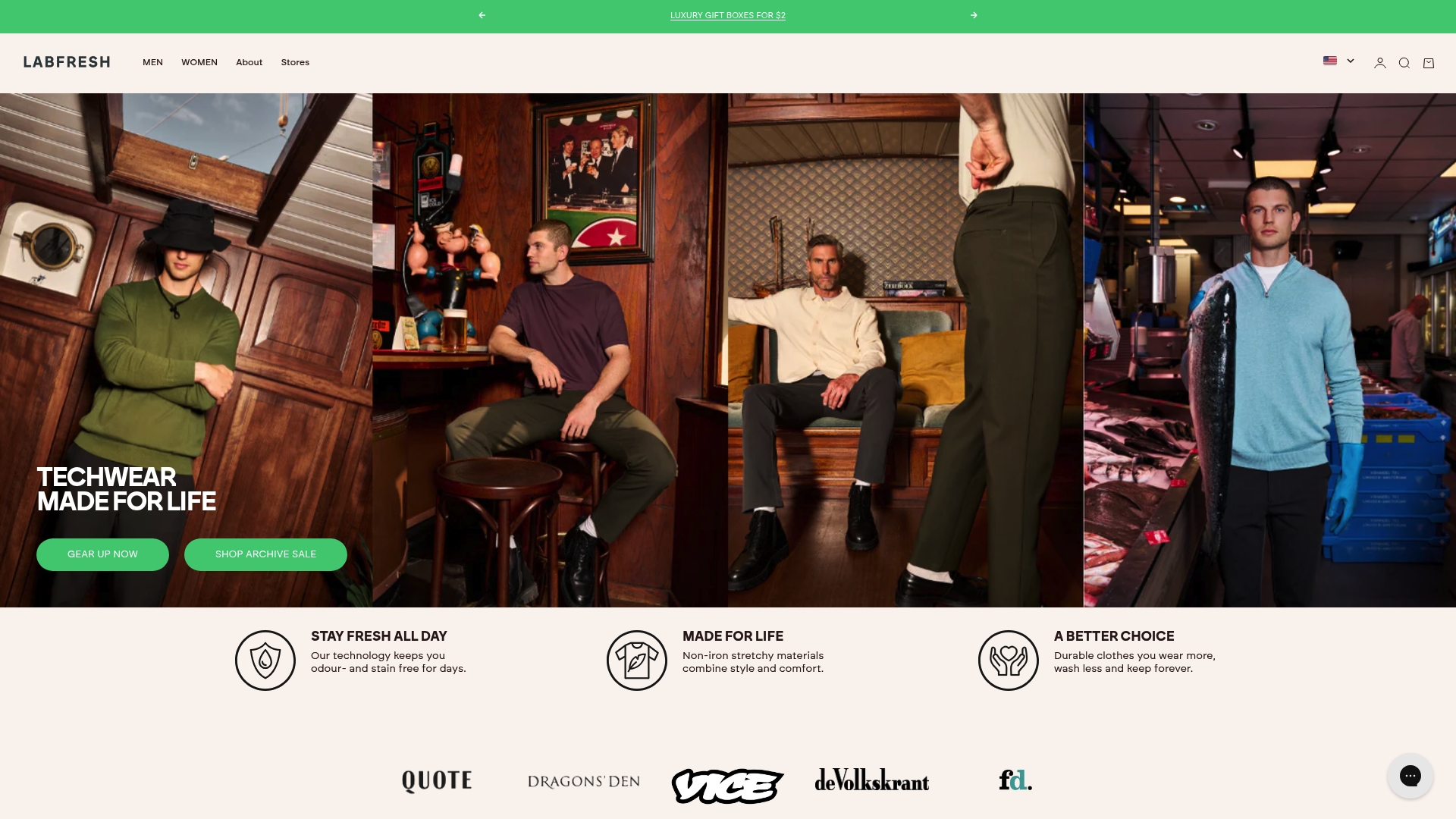
The performance shirts collection features odor-resistant, wrinkle-free fabrics that maintain crisp appearance through demanding schedules. These shirts incorporate moisture management and temperature regulation without sacrificing the refined aesthetics professional settings require. The performance pants line delivers stretch, stain resistance, and all-day comfort in silhouettes that work equally well in boardrooms and casual environments.
For climate adaptability, the grey water-repellent jacket provides weather protection with breathable construction that prevents overheating. LABFRESH’s commitment to sustainability shows in fabric choices, production methods, and garment longevity that reduces replacement cycles. Explore collections designed specifically for active urbanites who refuse to compromise between function and style.
What are functional fashion trends 2026?
What defines functional fashion in 2026?
Functional fashion in 2026 combines advanced textile technologies with sophisticated design to create garments that perform across multiple contexts while maintaining style. Key characteristics include smart fabrics that regulate temperature, sustainable production methods, adaptable silhouettes for various settings, and low-maintenance care requirements. These garments serve active urbanites who demand clothing that works as hard as they do without sacrificing professional appearance or environmental responsibility.
How do smart textiles benefit everyday wear?
Smart textiles enhance comfort and performance through passive technologies requiring no user intervention. Materials like phase-change fibers regulate body temperature by absorbing and releasing heat as needed, while moisture-sensing fabrics adjust breathability based on activity levels. These innovations prevent discomfort from temperature fluctuations and perspiration without adding bulk, electronics, or maintenance requirements. The result is clothing that adapts to your needs automatically throughout the day.
Why does sustainability matter in 2026 fashion design?
Sustainability has shifted from marketing buzzword to production standard as water-saving dyeing techniques, recycled fibers, and circular design principles become industry norms. Consumers increasingly recognize that garment longevity and environmental impact directly affect long-term value and planetary health. Brands adopting transparent supply chains, reduced chemical usage, and repair programs demonstrate genuine commitment rather than greenwashing. This evolution reflects growing awareness that fashion choices carry consequences beyond personal style.
Can functional fashion suit formal business environments?
Modern functional fashion specifically targets professional contexts through refined aesthetics that hide performance features. Techwear’s evolution into luxury status means waterproof fabrics, strategic ventilation, and wrinkle resistance now come in tailored silhouettes indistinguishable from traditional business attire. Smart textiles provide odor resistance, stain protection, and temperature regulation without visible technology or athletic styling. This allows professionals to benefit from functional features while meeting conservative dress codes and maintaining credibility in formal settings.
How does customization improve functional fashion fit?
Data-driven design and body-scanning technologies enable brands to offer garments tailored to individual measurements and proportions rather than standard sizing. This precision improves comfort, appearance, and performance by eliminating excess fabric that restricts movement or creates unflattering silhouettes. Customization also allows selection of specific functional features matching personal needs, from extra pocket configurations to preferred fabric weights. The result is clothing that feels made for you because it essentially is, maximizing both satisfaction and utility.
Recommended
Comments